From Tianjin to Bishkek: Toward a Just International Order
In today's rapidly changing world, where new centers of power are forming in international relations, ensuring peace and stability and establishing the principles of mutual trust and equality among states are becoming increasingly vital. Adapting the global governance system to modern realities, considering the interests of all countries, and improving international cooperation mechanisms are among the most urgent tasks of our time.
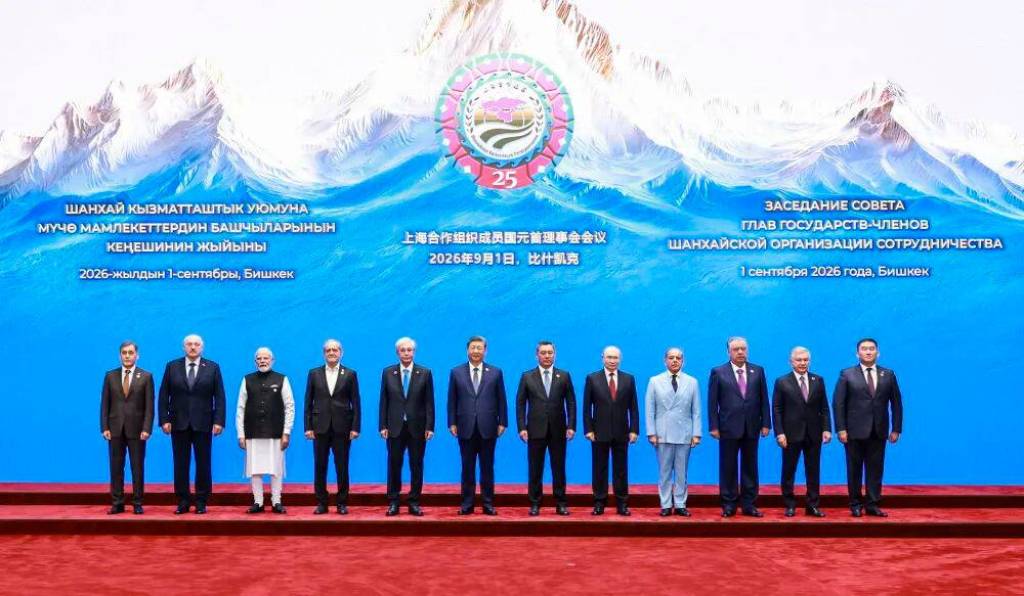
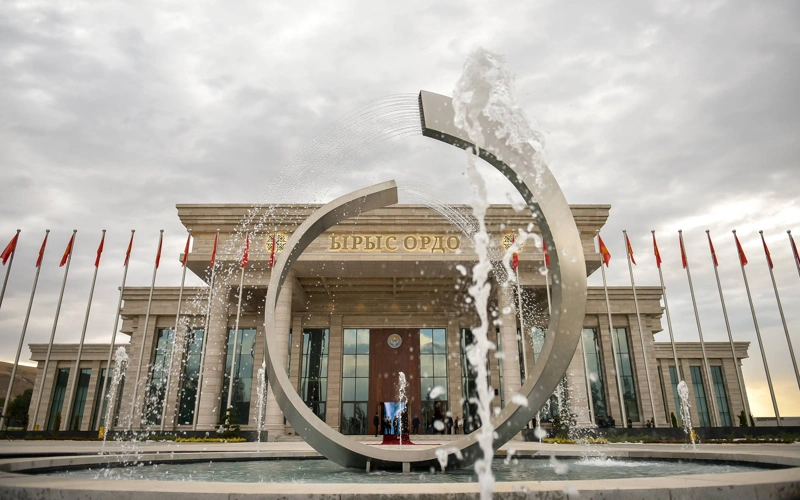
In this context, the views expressed by the President of the People's Republic of China, Xi Jinping, at the Shanghai Cooperation Organization summit in Bishkek on September 1 are of particular importance. There, attention was focused on the further qualitative development of the SCO, the formation of an equal and orderly multipolar world, and the establishment of a just and rational global governance system.
Xi Jinping noted that the rapid rise of the Global South in recent years is causing significant shifts in the international balance of power. The economic and political potential of developing countries is growing, and their influence on global processes is strengthening. This brings to the agenda the issue of reforming the international system to ensure that the rights and interests of all states are adequately reflected.
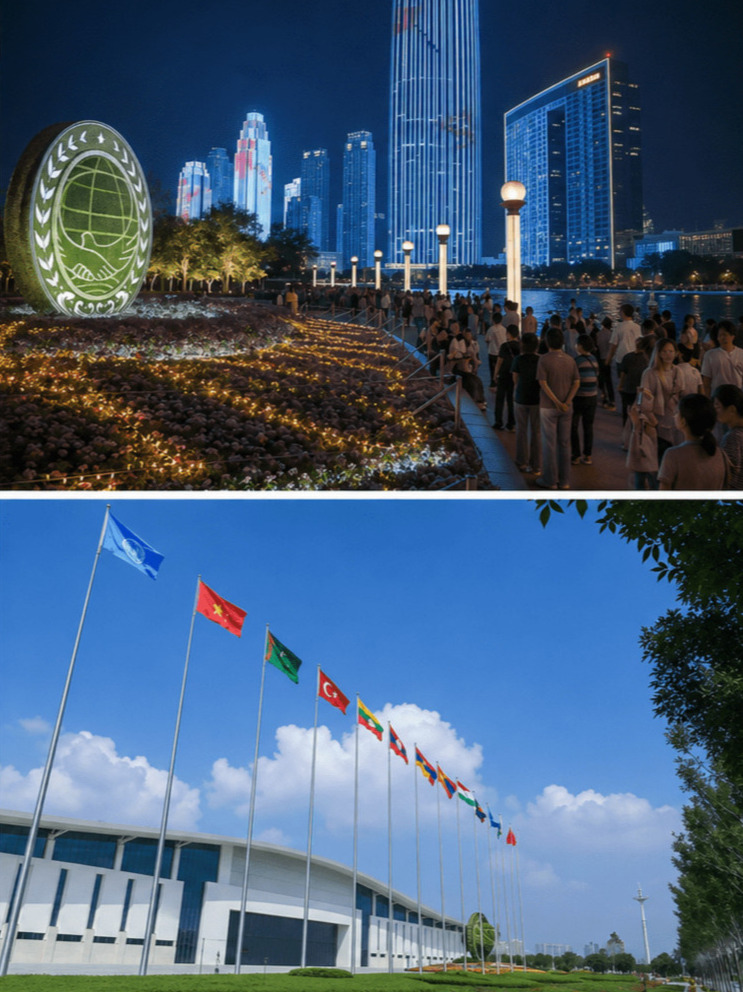
One year ago, during the historic period marking the 80th anniversary of the United Nations' founding, China put forward the Global Governance Initiative at the SCO Summit in Tianjin.
This initiative emerged as a significant approach aimed at forming a more just and rational system in international relations. It prioritizes principles such as the sovereign equality of states, mutual respect, the supremacy of international law, multilateral dialogue, and cooperation based on common interests.
It is noteworthy that the process initiated in Tianjin is being continued in Bishkek a year later. Indeed, this summit placed the issues of strengthening the UN's central role in international relations and shaping a multipolar world at its core.
So, what should a multipolar world look like? What role will different states play in it?
The concept of an "equal and orderly multipolar world" promoted by China seeks to find answers to these very questions.
Equality, first and foremost, implies ensuring equal rights, opportunities, and rules for all countries. Regardless of its territory, population size, economic potential, or level of development, every country must have the right to participate in international processes, express its interests, and contribute to common progress.
Orderliness, meanwhile, signifies adherence to the purposes and principles of the UN Charter, respect for the universally recognized norms of international law, and the development of dialogue and cooperation within the international system, where the UN holds a central position.
In such an approach, sovereign equality and mutual respect are the core principles; balance and order are essential conditions; multilateral dialogue and consultation are effective instruments; and mutual benefit and common prosperity are the ultimate goals.
The attention given to these principles in Bishkek once again demonstrated the necessity of prioritizing dialogue and consensus over confrontation in international relations.
The processes of improving the global governance system are inseparable from the formation of a multipolar world. The emergence of new centers in the global economy and the growing potential of developing countries are intensifying the need to adapt the existing system to modern realities.
At the same time, fostering an international environment based on just and rational rules creates a solid foundation for ensuring the equal participation of states, increasing trust among them, and jointly resolving common problems.
The role of the SCO in this regard is unique.
In its 25-year history, the organization has transformed from an initial regional dialogue platform into a comprehensive cooperation structure. Today, its member states encompass nearly half of the world's population and a substantial portion of the global economy.
Within the framework of the Organization, ties in the spheres of security, economy, trade, transport, energy, culture, and humanitarian affairs are consistently developing. A distinctive feature of the SCO is the ongoing dialogue among countries with different political and economic systems, based on common interests.
As Xi Jinping emphasized, a more cohesive and active SCO can serve the prosperity of the Eurasian continent, support the development of Global South countries, and make a worthy contribution to the process of reforming the international system.
This process is also of great importance to Uzbekistan.
In our country's foreign policy, ensuring peace and stability, respecting the sovereign equality of states, and developing open dialogue and mutually beneficial cooperation are defined as priority directions. In this respect, the constructive initiatives put forward within the SCO are in harmony with Uzbekistan's own approaches to regional and international cooperation.
The current momentum of Uzbekistan-China relations is a practical outcome of this approach based on mutual benefit and respect.
In recent years, the strategic partnership between the two countries has consistently deepened, encompassing not only political dialogue but also the trade, economic, investment, transport, energy, agricultural, water management, educational, and humanitarian spheres.
In particular, cooperation in areas such as creating modern infrastructure, developing new transport corridors, effectively utilizing energy potential, and introducing advanced technologies is generating new opportunities for the economic development of both countries.
Close cooperation between Uzbekistan and China is crucial not only for bilateral relations but also for ensuring stability and economic development in Central Asia. Expanding the region's transport and logistics capabilities, developing trade ties, and strengthening connectivity serve the cause of common progress.
In this sense, looking at the process from Tianjin to Bishkek, one can see that the idea of reforming global governance is gaining practical substance.
The challenges facing humanity today—such as ensuring peace and security, climate change, energy and food security, the rational use of water resources, and the expansion of transport and communication links—cannot be solved by the efforts of any single state alone.
Therefore, an approach based on dialogue, mutual trust, equality, and solidarity is becoming increasingly important in international relations.
The SCO's development philosophy serves these very goals: ensuring security, stimulating economic development, strengthening friendship among peoples, and expanding dialogue based on common interests.
The initiatives put forward in Tianjin and the discussions continued in Bishkek show that in the modern world, cooperation is more effective than confrontation, dialogue is more effective than pressure, and common agreement is more effective than unilateral decisions for achieving sustainable development.
Most importantly, forming a just and open international system requires considering the interests of all states. In this, maintaining the central role of the UN and adhering to the principles of sovereign equality and international law are of great importance.
The consistent development of Uzbekistan-China relations, comprehensive cooperation within the SCO, and initiatives aimed at improving global governance all serve a single goal: creating a more favorable international environment for peace, stability, and shared prosperity.
Such an approach will remain a vital factor for expanding new opportunities based on mutual trust and cooperation, and for uniting countries and peoples around common goals in a world undergoing a period of change.
Nilufar Bozorova, UzA