Every public inquiry is being monitored
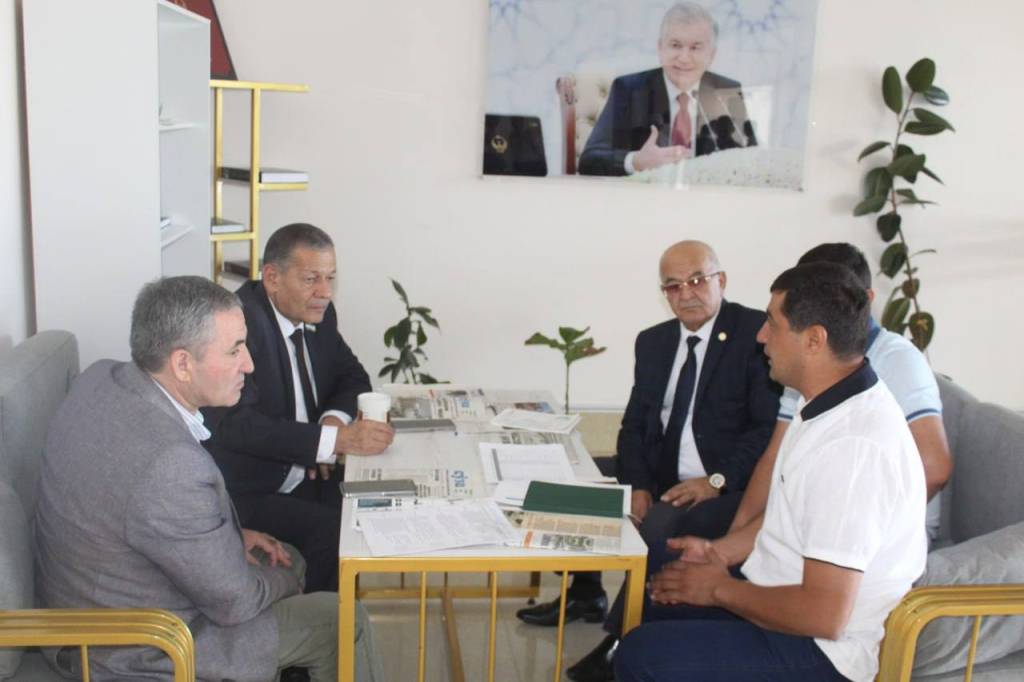
In the Gijduvan district of the Bukhara region, a deputy's on-the-ground assessments focused on supporting public initiatives, finding practical solutions to pressing issues, and creating favorable conditions for young people.
Today, ensuring public satisfaction, listening to their everyday problems, and resolving them on the spot are becoming some of the most important criteria of state policy. The noble principle put forward by the head of state, "The state bodies must serve the people, not the people the state bodies," also serves this very purpose.
In particular, the launch of the "Initiative Budget" system has empowered citizens to independently propose and directly participate in solving the most pressing problems in their own mahallas, streets, and areas.
The review conducted in the Gijduvan district by Mahsud Muhammedov, a deputy of the Legislative Chamber of the Oliy Majlis, was a practical expression of this noble goal.
In collaboration with officials from the district administration, the deputy conducted an on-site review of projects that did not receive enough votes during the "Initiative Budget" process but were of high social significance.
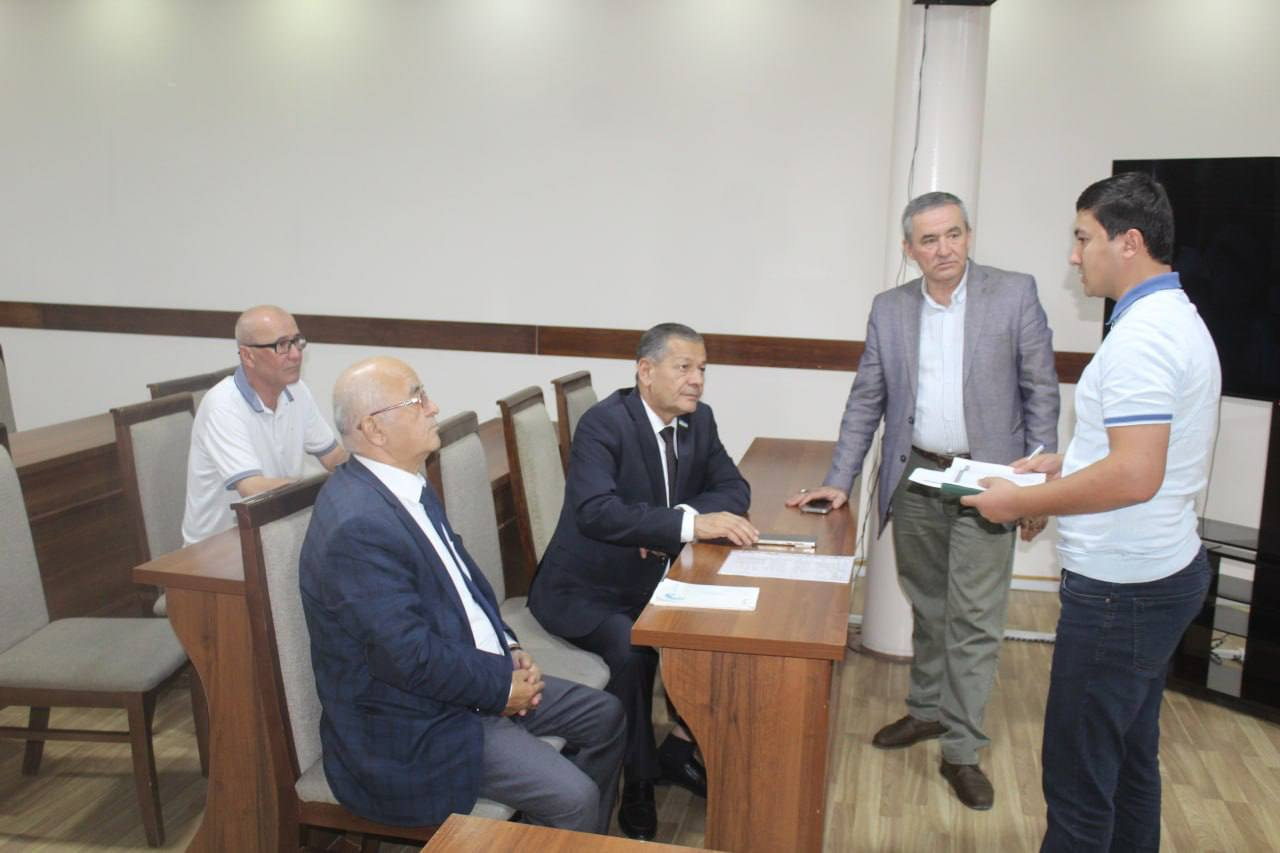
Specifically, an initiative put forward by residents of the "Gulistonobod" mahalla to install new streetlights and repair existing ones was thoroughly examined. It was noted that street lighting at night not only creates convenience for the public but is also crucial for the area's security, especially for the safe movement of youth and elderly citizens.
Meanwhile, in the "Qo'rg'on" mahalla, initiatives to repair internal roads, sidewalks, and overpasses were studied. It was analyzed that the situation here directly affects the daily lives of residents, and that some infrastructure issues require a systematic approach.
During the review, special attention was paid to the relevance of each project for the area, its impact on residents' quality of life, the scale of the problem, and the possibilities for its resolution.
The deputy's next destination was Public School No. 67 in the Gijduvan district.
Here, the condition of the educational institution's sports infrastructure, the facilities available for students to regularly engage in physical education and sports, and the existing needs were examined.
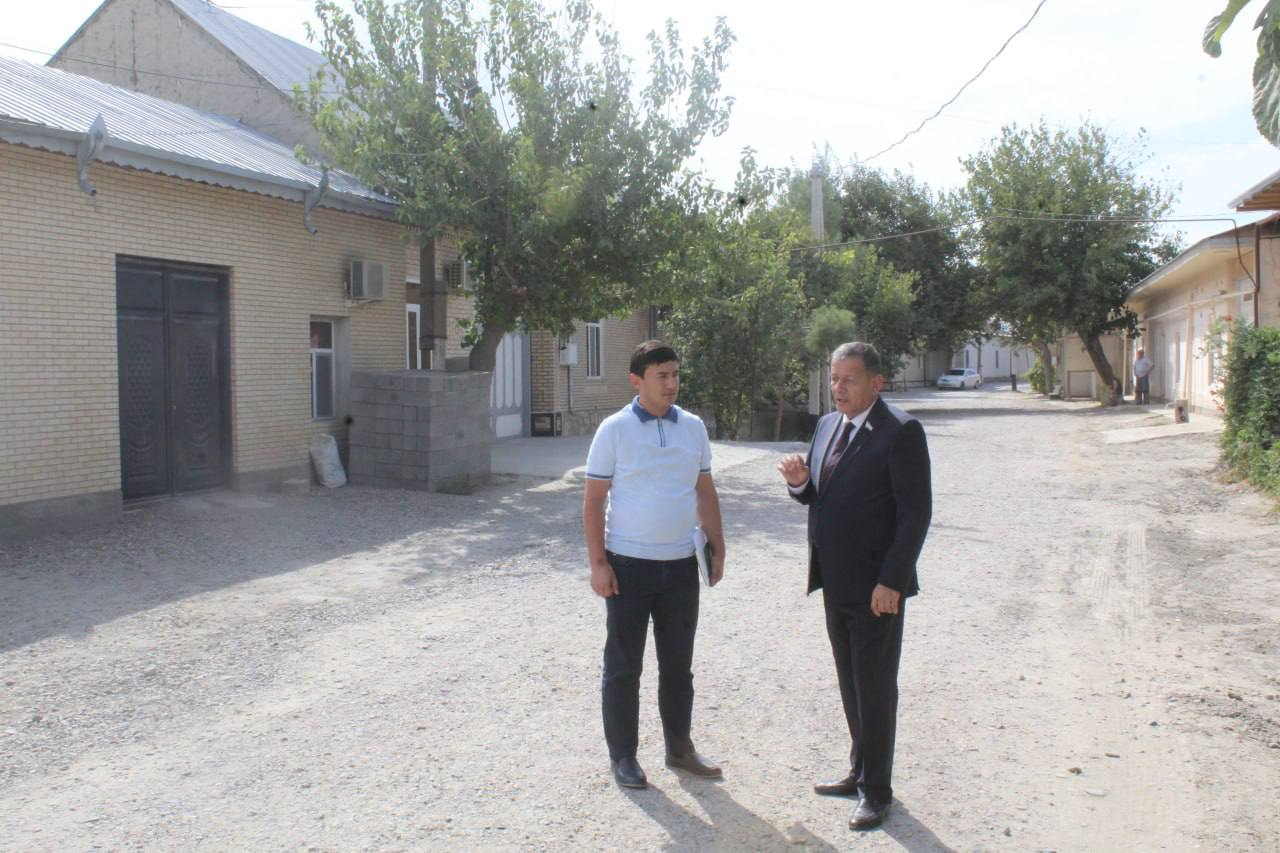
In a discussion with the school community, the need for a running track, a modern stadium, a basketball court, and other sports facilities was expressed.
At first glance, this might seem like a simple infrastructure matter. However, the essence of the issue becomes even clearer upon learning the school's history.
This initiative was also put forward during the second season of the "Initiative Budget" in 2026. Although the project was not among the winners because it failed to collect enough votes, it was reviewed on-site by the deputy, taking into account its social significance and the opportunities it would create for young people.
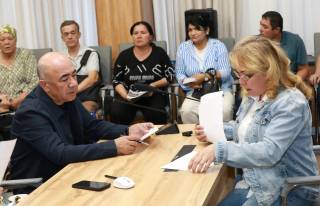
The dialogue included officials from the district administration, representatives of relevant organizations, deputies of the local Kengash, public representatives, and citizens.
During the meeting, the content of the appeals received from the public, the sectors they pertain to, the root causes of the problems, and the possibilities for their resolution were discussed in detail.
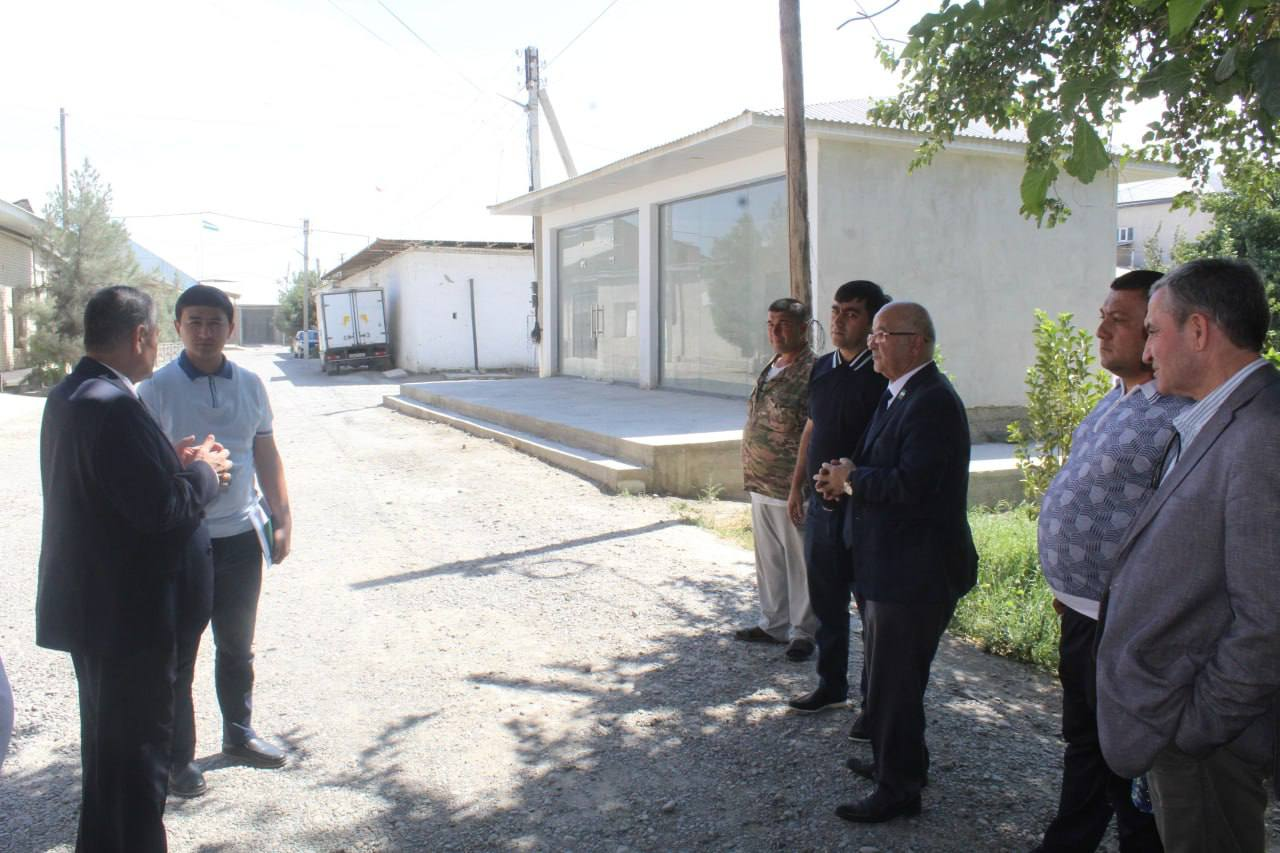
Notably, the dialogue was not limited to simply hearing appeals. Special emphasis was placed on assigning responsible parties for each issue, defining deadlines for resolving problems, and systematically organizing future work.
These reviews in Gijduvan once again demonstrated that the essence of the "Initiative Budget" is not confined to the voting process. The main goal is to listen to the proposals made by the public, select the most important ones, and find practical solutions wherever possible.
Based on the findings of the review, appropriate proposals will be developed for the identified problems, and measures will be taken to resolve them in the established manner.
Zarif Komilov, UzA correspondent