David Reed: Uzbekistan is becoming one of the key economic and strategic partners in Central Asia
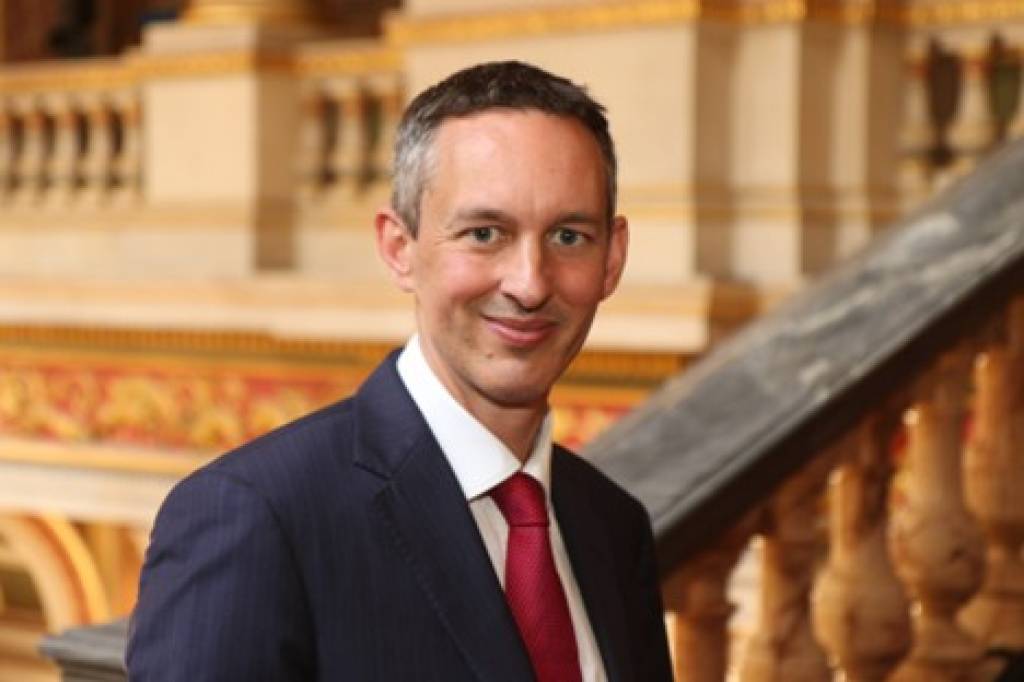
As geopolitical and economic competition intensifies in Central Asia, Uzbekistan is striving to elevate international cooperation to a new level.
In particular, in recent years, the country’s reforms related to the global financial market, infrastructure projects, strategic raw materials, and the investment climate have drawn the attention of the international community. In this process, the United Kingdom is emerging for Uzbekistan not only as a trade partner but also as a source of innovation and financial expertise, and as a long-term strategic partner.
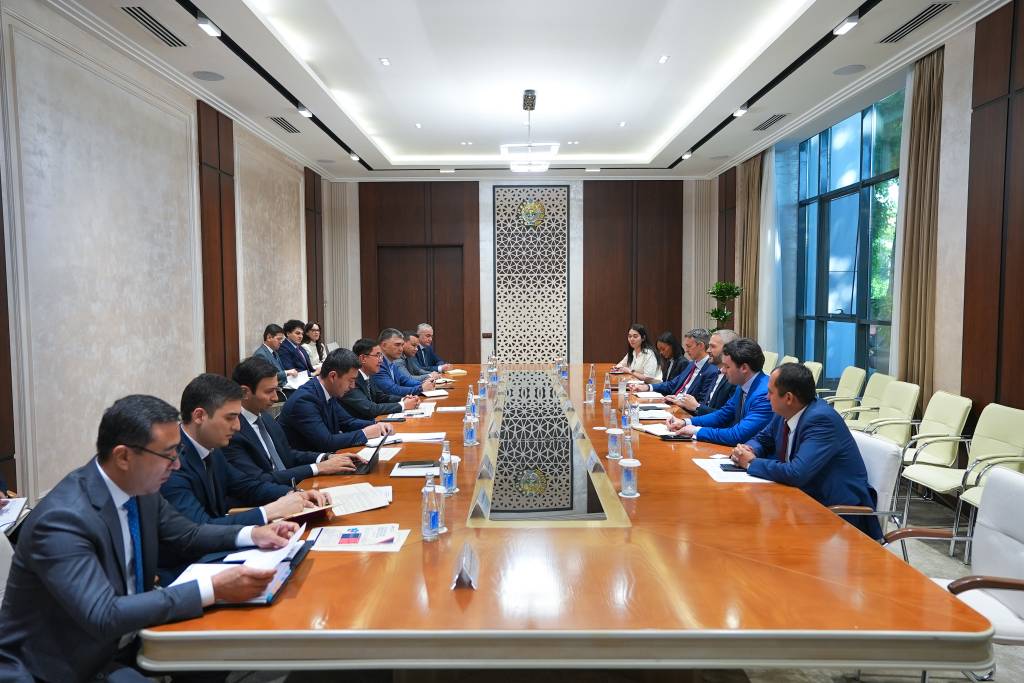
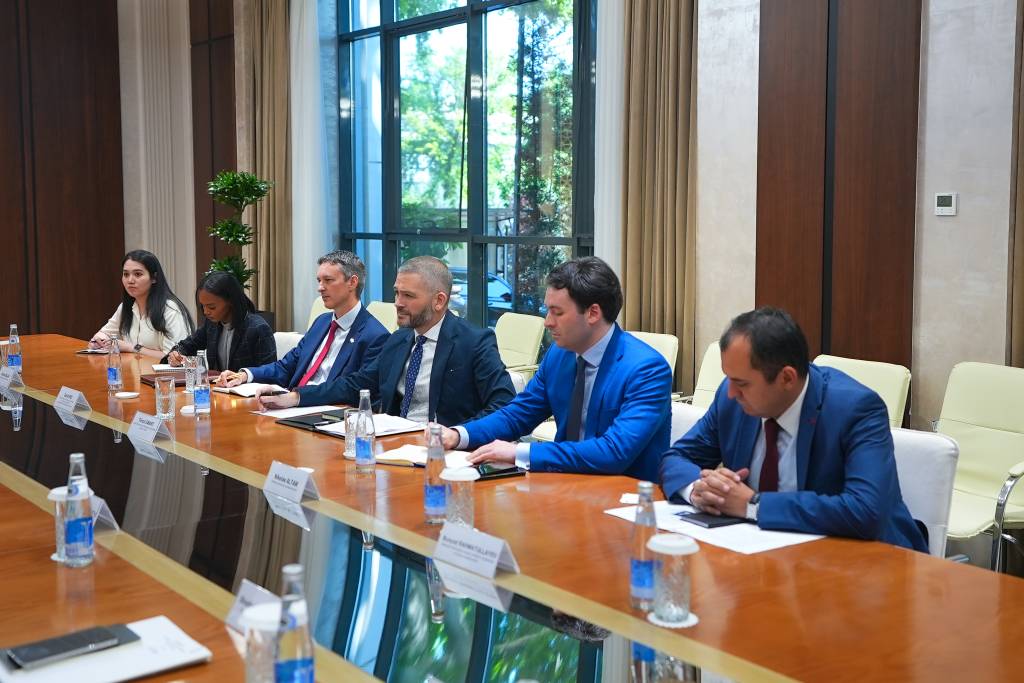
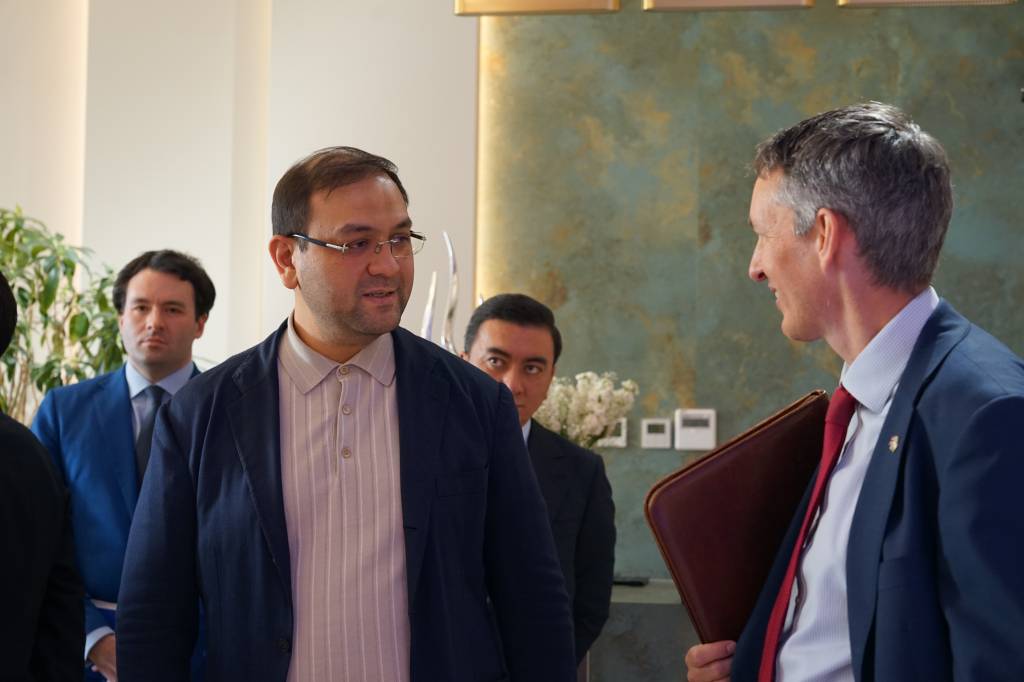
In this regard, an interview was held with David Reed, His Majesty’s Trade Commissioner for Eastern Europe and Central Asia and British Consul General to Istanbul. Our conversation with David Reed MBE took place during his first visit to Uzbekistan on May 12-13. During the dialogue, he shared detailed views on new areas of relations between Uzbekistan and the United Kingdom, the importance of London’s financial market to Uzbekistan’s economy, promising infrastructure and education projects, and the country’s international investment climate.
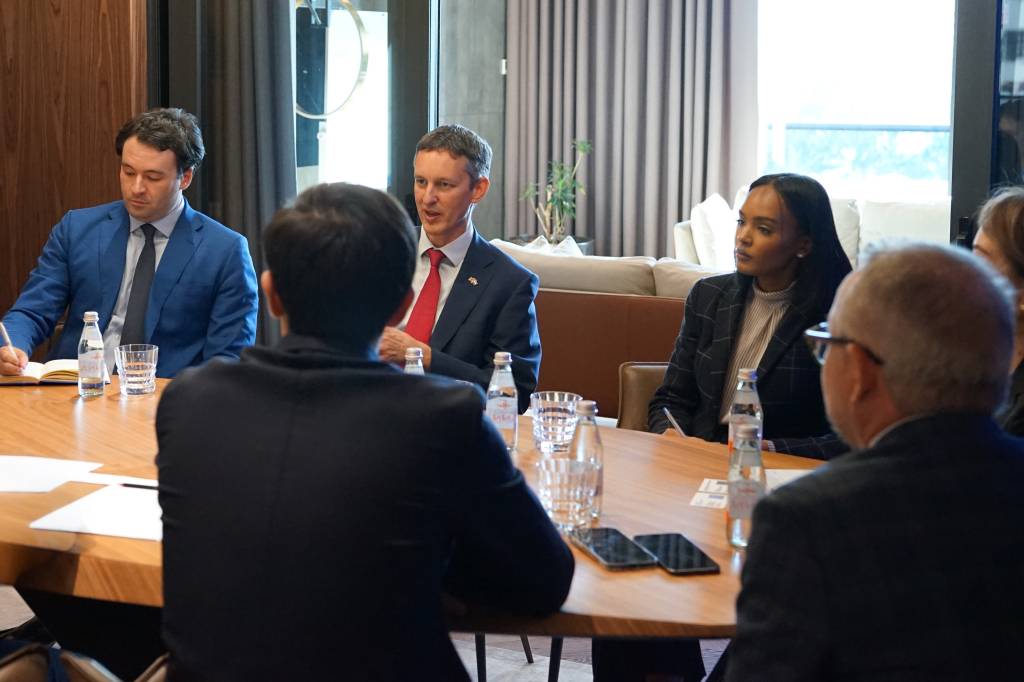
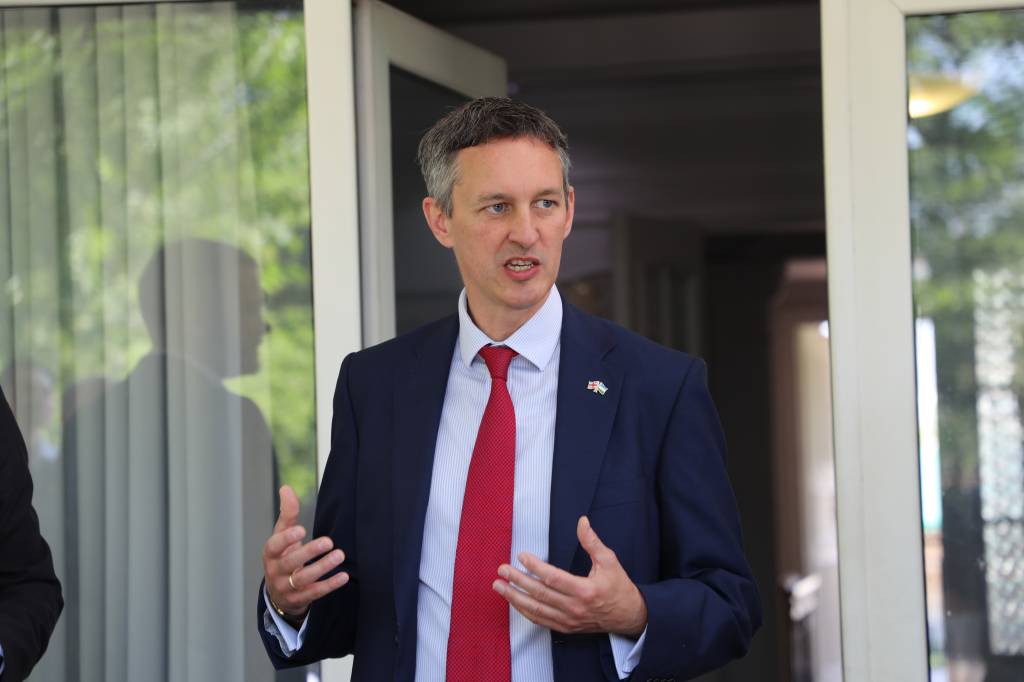
During the interview, David Reed described Uzbekistan as one of the fastest-growing and most promising markets in Central Asia and emphasized that economic cooperation between the two countries has reached a new level in recent years. In particular, he noted that British companies are showing strong interest in our major projects in the mining industry, infrastructure, financial services, and “New Tashkent”.
– Mr. David Reed, as His Majesty’s Trade Commissioner for Eastern Europe and Central Asia, what are your top strategic priorities, and how will you translate them into tangible outcomes for partnerships with Uzbekistan?
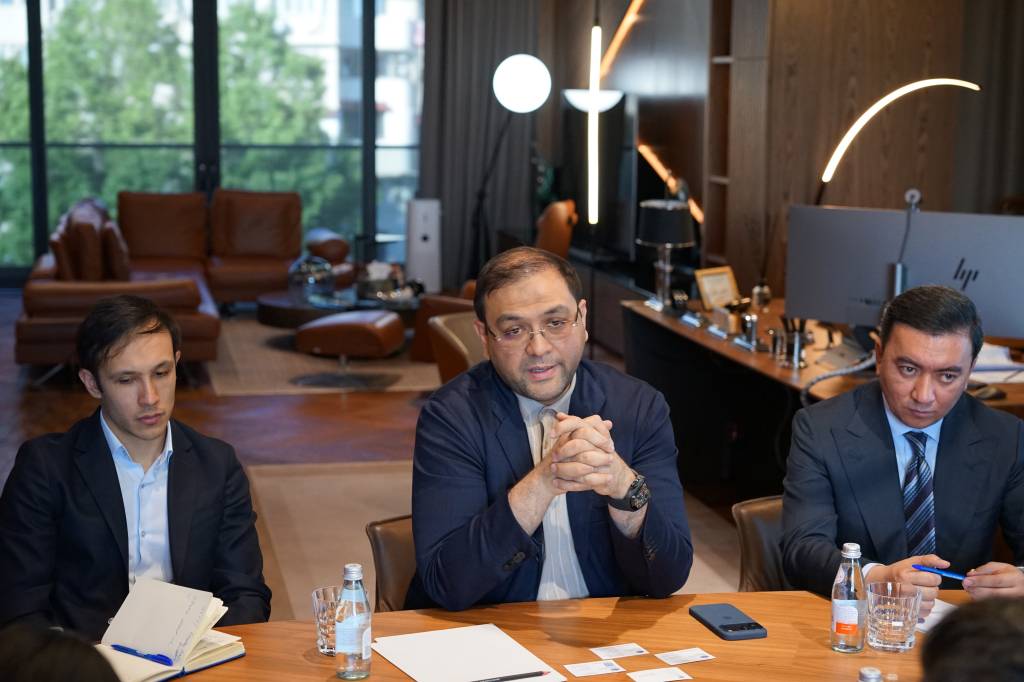
– Uzbekistan is one of the most exciting and fast-growing markets in Central Asia, so naturally strengthening our economic partnership here is a priority for me. We’ve seen £545 million of UK exports to Uzbekistan in the last year, up from £66 million in 2016, when Uzbekistan’s economic reform programme began.
What’s particularly encouraging is the breadth of cooperation already taking place across sectors like mining, infrastructure, and financial services. My focus now is on helping translate that into tangible commercial deals that benefit our two countries. We’ve made a lot of progress but there is more we can do.
– During your first visit to Uzbekistan in this role, what key trends or developments have stood out to you, and how do they shape the UK’s long-term strategic interest in the country?
– What has really stood out to me is the pace and confidence of Uzbekistan’s economic transformation. There is a strong sense of momentum here, supported by an ambitious reform agenda and a clear openness to international partnerships.
Even over a short visit, the breadth of conversations has been striking. I’ve discussed opportunities spanning aviation, infrastructure, finance, and industrial development, including engagement relating to Centrum Air and wider discussions around Uzbekistan’s economic ambitions and investment environment. It demonstrates that the UK-Uzbekistan relationship is becoming broader, deeper, and increasingly commercially focused.
I was also pleased to engage with the Uzbek government on the National Investment Fund of Uzbekistan following the announcement of plans for a potential IPO involving both the London Stock Exchange and Tashkent Stock Exchange. That sends a strong signal about Uzbekistan’s growing international outlook and the confidence being placed in global financial partnerships.
From a UK perspective, Uzbekistan matters because of its scale, its young and ambitious population, and its growing role as a regional economic hub in Central Asia. As reforms continue, we see increasing opportunities for cooperation not only in trade and investment, but also in areas such as infrastructure, financial services, innovation, and education.
– As global competition in Central Asia intensifies, what distinguishes the UK as a partner of choice for Uzbekistan beyond trade volumes?
– The UK brings more than investment alone. We bring long-term partnerships, international expertise, and innovation.
A very good example of how UK innovation and Uzbek ambition can work together is the New Tashkent project. Following an international competition, London-based CrossWorks was selected to create the masterplan for the city’s expansion. This plan will almost double Tashkent’s size and accommodate around 2.5 million additional residents.
What’s particularly impressive is that Cross Works also developed a digital twin of the future city, helping planners, investors and stakeholders visualise how the city will evolve. That’s the kind of innovative and future-focused expertise UK companies can bring to Uzbekistan.
We’re also seeing companies such as Standard Chartered Bank supporting economic development across the wider region, and I’d like to see even more UK businesses exploring opportunities in Uzbekistan.
– Uzbekistan is increasingly engaging with London’s financial markets. How can the UK’s financial ecosystem – from regulation to advisory services – better support Uzbekistan’s reform agenda and capital-raising ambitions?
– It’s very encouraging to see Uzbekistan increasingly engaging with London’s financial markets. The UK remains a destination of choice for issuers looking to raise international capital and connect with global investors.
In the past two years alone, we’ve seen some major developments in this sphere. In 2024, Navoi Mining and Metallurgical Company (NMMC) issued $1 billion in Eurobonds on the London Stock Exchange, and a year later, Uzbekneftegaz issued an $850 million bond, again on the London Stock Exchange, which became the largest single-tranche issuance in Uzbekistan’s history. It attracted around $1.9 billion in investor demand from across the UK, the US, Europe, and Asia.
Navoi Mining & Metallurgical Company followed with a $500 million bond issuance in London, which was oversubscribed 4,6 times. Earlier this year, Uzbekistan also completed a sovereign Eurobond placement on the London Stock Exchange totaling $1.5 billion to support infrastructure and sustainable development projects.
We’re also seeing exciting cooperation on financial technologies. During Fintech Week in London last year, Uzbek companies HUMO and PAYNET engaged with UK fintech firms around digital banking, tokenisation and compliance technologies. HUMO is now piloting a blockchain-based token backed by government bonds, a strong example of how serious Uzbekistan is about not only traditional financial instruments but also those suited to the 21st century. We are also looking to deepen cooperation with Uzbekistan in areas such as carbon credits, sustainable finance, and Islamic finance.
– Which sectors do you see as offering the most immediate and scalable opportunities for UK – Uzbekistan cooperation, and why?
– Mining and critical minerals are certainly a major area of partnership. Uzbekistan is among the world’s most important producers of uranium and rhenium, while Almalyk Mining Company is one of the largest copper producers in Central Asia.
We’re seeing growing engagement between UK and Uzbek companies through annual events, such as MinEX and Mining & Metals Central Asia. My team at the Department for Business and Trade in Tashkent has been supporting UK and Uzbek businesses and Government representatives to discuss opportunities for collaboration and mutual economic benefit.
Infrastructure is another exciting area. Earlier this year, we held our second UK-Uzbekistan Infrastructure Conference, led by the UK’s Trade Envoy to Central Asia, Lord Alderdice, which brought together UK companies and Uzbek stakeholders to discuss major projects including upgrades to road and rail infrastructure, airport development, social infrastructure including schools and hospitals, and, of course, New Tashkent. We plan to continue this initiative.
And of course, there is a longstanding UK education partnership with Uzbekistan. The University of Westminster founded the Westminster International University in Tashkent in 2002, and it is now one of Uzbekistan’s most prestigious institutions. With high demand for the British education model in Uzbekistan and a young, growing population, demand for high-quality education is likely to remain strong for many years to come. This will be a growth area in Uzbekistan for a long time.
And at UzBuild 2025, UK companies showcased expertise in architecture, sustainable infrastructure, BIM technologies, and green urban planning.
– UK has already supported projects in Uzbekistan through UK Export Finance. What sectors or types of projects are most likely to see new deals in the near future?
– UK Export Finance is already playing an important role in backing projects in Uzbekistan, particularly in infrastructure and industry. We recently saw UK Export Finance support its first transaction in Uzbekistan through a £10.8 million loan guarantee linked to Almalyk Mining and Metallurgical Complex and equipment supplied by Scottish engineering company Weir Minerals.
UK Export Finance can provide credit guarantees in Uzbekistan up to £4 billion, which means I definitely see scope for much more cooperation ahead.
– Looking ahead, what would success in the UK-Uzbekistan partnership look like over the next three to five years?
– For me, success would mean more trade and investment, delivering more growth in both our countries. I’d like to see more UK companies establishing long-term partnerships in Uzbekistan, and more Uzbek companies using the UK’s world-class financial and business ecosystem as a platform for international growth.
Most importantly, I’d like the partnership to be known for delivering practical results for people, whether through infrastructure projects, creating new jobs, developing financial innovation, or providing sustainable economic growth.
– How do you assess Uzbekistan’s current investment climate, and what further reforms would make it even more attractive for UK investors?
– Uzbekistan has made impressive progress in recent years in advancing socio-economic reforms and opening its economy. We have seen meaningful steps to improve the investment climate, including market liberalisation, greater macroeconomic stability, ongoing state-owned enterprise reform, and preparations for national investment funds to access capital markets through IPOs.
These are important signals of the government’s commitment to market-based reforms, private sector participation, and openness to foreign investment.
Looking ahead, further progress will depend on strengthening predictability and fairness in the legal and business environment. UK investors value clear, consistently applied rules, a reduced reliance on ad hoc preferences and subsidies, and a level playing field between state-owned and private firms.
Continued reforms in competition policy, corporate governance, investor protection, and dispute resolution would further enhance confidence and make Uzbekistan an even more attractive destination for long-term, high-quality investment.
But overall, I think the trajectory is encouraging. There is clearly a strong desire in Uzbekistan to position itself as an internationally connected, competitive, and investment-friendly economy, which is generating growing interest from British businesses.
– How does Uzbekistan fit into the UK’s broader regional strategy in Central Asia, particularly in terms of connectivity, trade corridors, and supply chains?
– Uzbekistan is becoming one of the key economic and strategic partners in Central Asia because of both its scale and the pace of reforms taking place.
From a regional perspective, Uzbekistan sits at the centre of many conversations around connectivity, logistics and trade routes linking Central Asia with global markets. As regional infrastructure develops and economic integration increases, its role is likely to become even more significant.
For the UK, Central Asia is a region of growing economic, commercial, and strategic importance. There is increasing international focus on energy security, critical minerals, resilient supply chains, and sustainable infrastructure, and Uzbekistan has an important role to play across all of those areas. Our approach is therefore about building long-term partnerships that support economic growth, encourage international connectivity, and create practical opportunities for businesses in both countries.
– Beyond trade and investment, how can cooperation in education, innovation, and skills development strengthen long-term ties between the UK and Uzbekistan?
– Trade relationships last longer when strong people-to-people links support them. Education and skill transferring are a big part of that.
Education has been at the foundation of our partnership from the very beginning. When Westminster International University in Tashkent opened its doors in 2002, it became the first international university in Uzbekistan and remains one of the country’s leading higher education institutions.
Since then, thirteen transnational education institutions have been offering UK university degrees in Uzbekistan. This is an achievement that reflects both the demand and the trust placed in the UK’s academic standards.
Today, 15,000 Uzbek students are studying for a British degree or diploma here in Uzbekistan, which is an impressive number.
As Uzbekistan develops sectors like technology, advanced manufacturing and financial services, there will also be a growing need for specialised skills. British institutions and businesses have experience in those areas, whether through university partnerships, vocational training, or professional qualifications.
You often find that business relationships start because people studied, trained, or worked together internationally. Those networks matter over time.
– With sustainability becoming a global priority, how can the UK support Uzbekistan in its transition toward a green economy and climate resilience?
– This is an area where I believe there is significant potential for deeper UK–Uzbekistan cooperation. The UK has extensive experience in areas such as sustainable finance, renewable energy, green urban planning and climate-related regulation, while Uzbekistan has clear ambitions around energy transition, infrastructure modernisation and long-term economic resilience.
We are already seeing encouraging cooperation in areas including sustainable infrastructure, energy efficiency, and urban development. British companies are also bringing expertise in areas such as engineering, green finance, and planning technologies, which can support Uzbekistan’s broader sustainability goals.
Climate resilience and economic growth increasingly go hand in hand. The transition to greener, more sustainable economies is not only an environmental priority but also a major commercial and investment opportunity. That is an area where I think the UK and Uzbekistan can continue building a strong and practical partnership.
– What message would you like to send to Uzbek businesses looking to enter the UK market or partner with British companies?
– The UK remains one of the world’s most open and internationally connected business environments, and Uzbek partners should feel confident exploring opportunities there. It has a strongly pro-business approach, with ongoing regulatory reforms aimed at cutting annual administrative costs by 25% by 2029, alongside streamlined planning regulations designed to accelerate development.
Another major strength is the rule of law. The UK offers continuity and predictability across political and economic cycles. Combined with global market access, an extensive network of bilateral investment agreements, and a proven track record – including having the highest ratio of FDI to GDP – remains a very compelling destination.
I would encourage Uzbek businesses to start conversations early, explore partnerships, and spend time truly understanding the UK market. There is genuine interest in strengthening commercial ties between the UK and Uzbekistan, and I think there is real potential for long-term growth and partnership on both sides.
Indeed, relations between Uzbekistan and the United Kingdom have taken on a new substance and strategic direction in recent years. As David Reed noted during the interview, today’s cooperation is defined not only by trade volume but also by wide-ranging areas such as infrastructure, finance, innovation, the green economy, education, and high technology.
In particular, London’s financial market’s interest in Uzbekistan’s economy, British companies’ participation in major projects such as “New Tashkent”, and strong ties in the field of education show that relations between the two countries are gaining a long-term, institutional foundation.
The conversation shows that the United Kingdom views Uzbekistan not only as a promising market in Central Asia but also as one of the region’s future economic and logistics hubs. Uzbekistan, in turn, is presenting a new image as a country open to global investment, international finance, and innovative cooperation.
It is clear that in recent years, the partnership between the two countries has gained more practical substance and is being enriched by new investment, joint projects, and initiatives focused on human capital.
Interviewed by Musulmon Ziyo, UzA