Cooperation between Uzbekistan and Türkiye reaches new heights
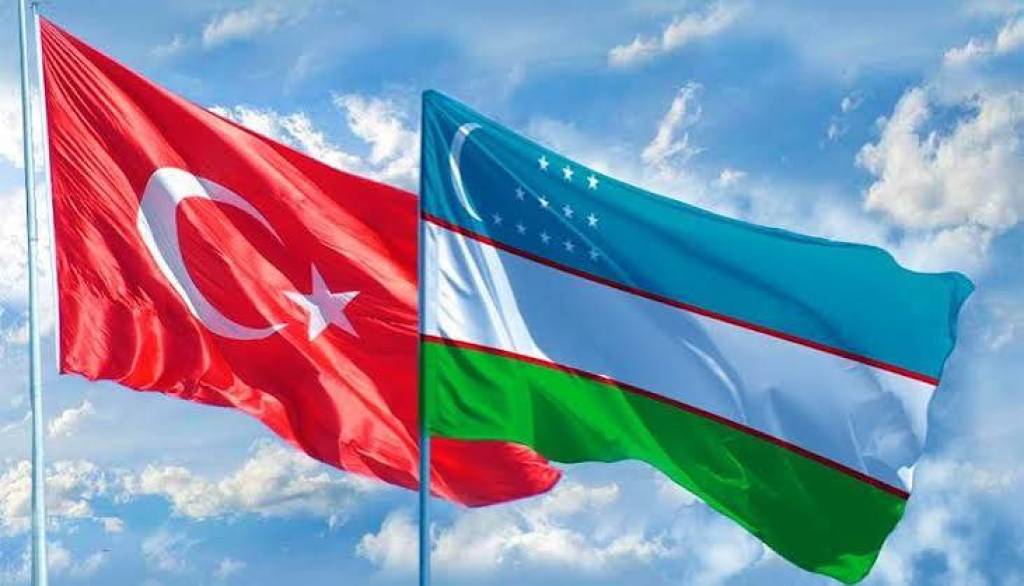
Tourism remains one of the most dynamic areas of cooperation between Uzbekistan and Türkiye, linking air connectivity, hospitality-sector investment, cultural exchanges, and people-to-people ties. Over the past two years, the countries have formalized this cooperation through bilateral agreements and increased tourist exchanges.
Recent figures point to steady growth. The number of tourists arriving in Uzbekistan from Türkiye rose from 41,299 in 2018 to 75,559 in 2022, 106,516 in 2023, and 149,146 in 2024. In just two years, the number of Turkish visitors nearly doubled. This upward trend continued in early 2025, when 22,500 tourists from Türkiye visited Uzbekistan in January and February alone. Meanwhile, more Uzbekistan citizens are traveling to Türkiye. In 2025, Türkiye welcomed 268,900 tourists from Uzbekistan, up 17.4% from the previous year. More than 127,000 Uzbekistan citizens visited Türkiye in the first half of 2026.
The growth in bilateral tourism mirrors the broader expansion of Uzbekistan’s tourism industry. Last year, the country welcomed 11.7 million international visitors. According to UN Tourism, Uzbekistan was among the five countries with the highest growth rates in international tourism in the first quarter of 2026.
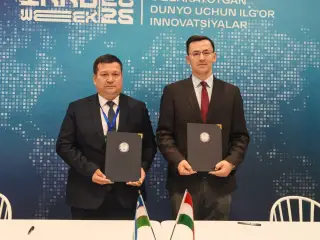
A key milestone came in February 2025, when documents were signed in Ankara, opening a new chapter in bilateral cooperation. The Minister of Ecology, Environmental Protection and Climate Change of Uzbekistan Aziz Abduhakimov and the Minister of Culture and Tourism of Türkiye Mehmet Nuri Ersoy signed the agreement and action plan on tourism cooperation.
Uzbekistan put forward a series of ambitious, forward-looking initiatives. The country proposed establishing air connections between its tourist destinations and the Turkish cities of İzmir, Muğla, Fethiye, Alanya, Adana, Bursa, and others, with flights tripling. The “Million + Million” program also sets an ambitious target of attracting at least one million tourists to each country.
The proposals for promoting tourist destinations are equally well considered. They include organizing a “Destination Forum” in Uzbekistan for representatives of the Turkish tourism industry, along with thematic exhibitions on ecotourism, adventure tourism, and pilgrimage tourism. Visitor comfort is also a priority: proposals include adding Turkish-language signs at airports, hotels, cafés, and restaurants, and developing personalized itineraries and tours for Turkish travelers. The program’s cultural component will allow Turkish audiences to discover bakhshi storytelling, maqom music, and Lazgi dance, which is inscribed on UNESCO’s Intangible Cultural Heritage List, at festivals held in Türkiye.
These initiatives received strong support from Turkish partners, with Mehmet Nuri Ersoy endorsing every proposal put forward by Uzbekistan. He also praised Uzbekistan’s rich cultural heritage, emphasizing that Samarkand, Bukhara, and Khiva are culturally significant not only to Central Asia but to the entire world.
Air connectivity has also improved significantly. Weekly flights between the two countries rose from 10 in 2021 to 20 in 2022, 62 in 2023, and 106 in early 2025. This more than tenfold increase in just a few years marked a major breakthrough, making Türkiye accessible to many more travelers.
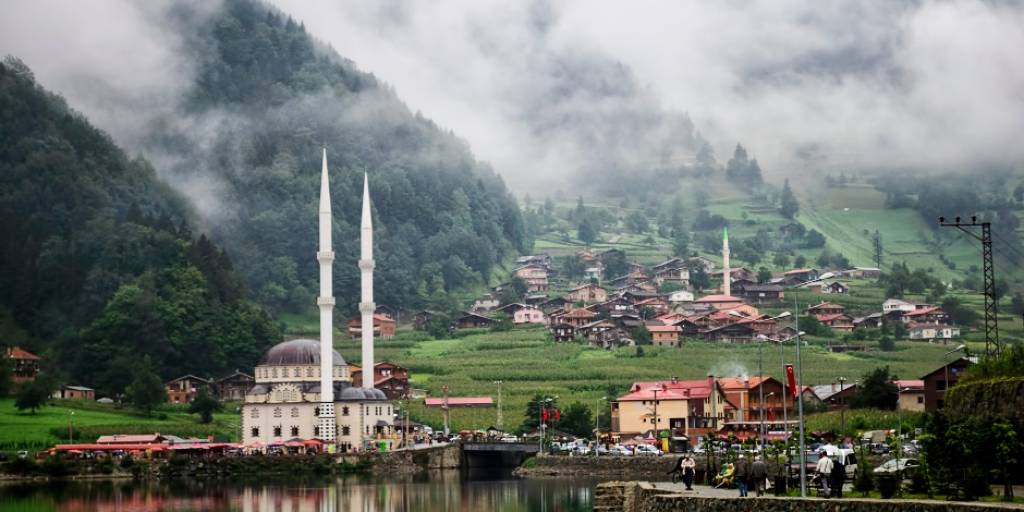
The number of destinations is also growing. New flights connecting cities in Uzbekistan with Trabzon are planned for 2026, reflecting clear demand for the route. In 2025, 12,000 tourists from Uzbekistan flew directly to Trabzon, while another 25,000 traveled overland via Batumi.
Cooperation between Uzbekistan and Türkiye in tourism is grounded in the shared history, faith, and culture that unite the two nations. Uzbekistan has proposed attracting around 3 million followers of Maturidi, Naqshbandi, and Bukhari traditions living in Türkiye’s central and eastern provinces. For many Turkish pilgrims and travelers, visiting Uzbekistan would be an opportunity to reconnect with their spiritual roots.
Orash Akaboyev, UzA