Compliance control in courts to be strengthened
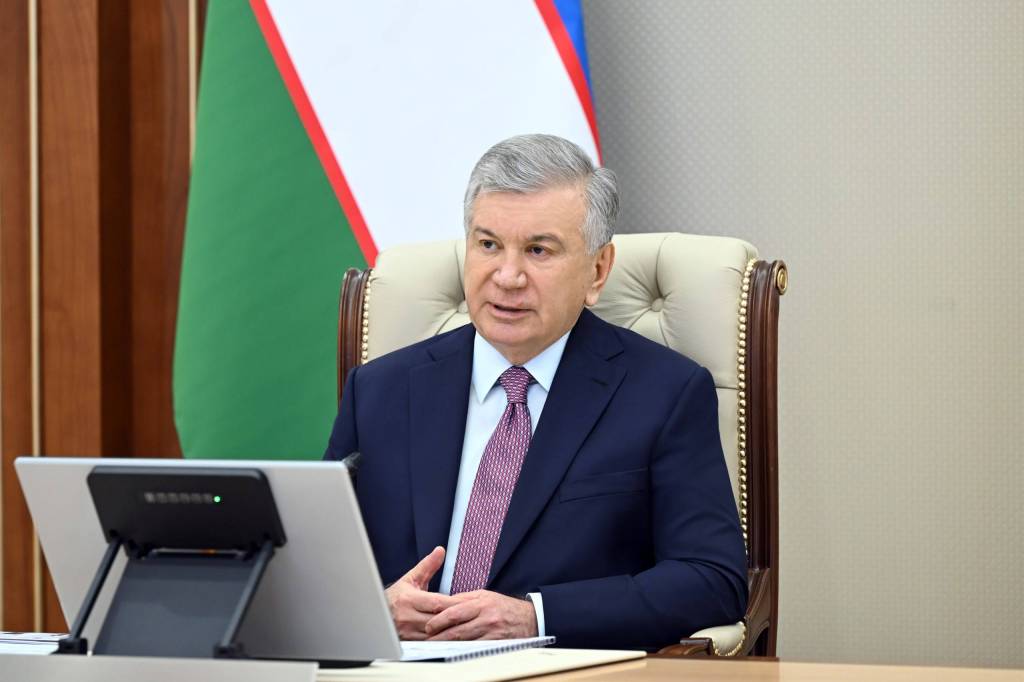
President Shavkat Mirziyoyev reviewed proposals to improve the effectiveness of the court compliance control system.
Uzbekistan is implementing systematic reforms of the judicial and legal system to strengthen public trust in justice and ensure transparency and legality in court proceedings.
At the same time, important tasks in the judicial system include the early identification of corruption risks, the prevention of conflicts of interest, and the strengthening of the professional responsibility of court personnel.
To this end, constant attention must be paid to ensuring the conscientious and honest work of not only judges but also the nearly 4,800 employees of the court administration.
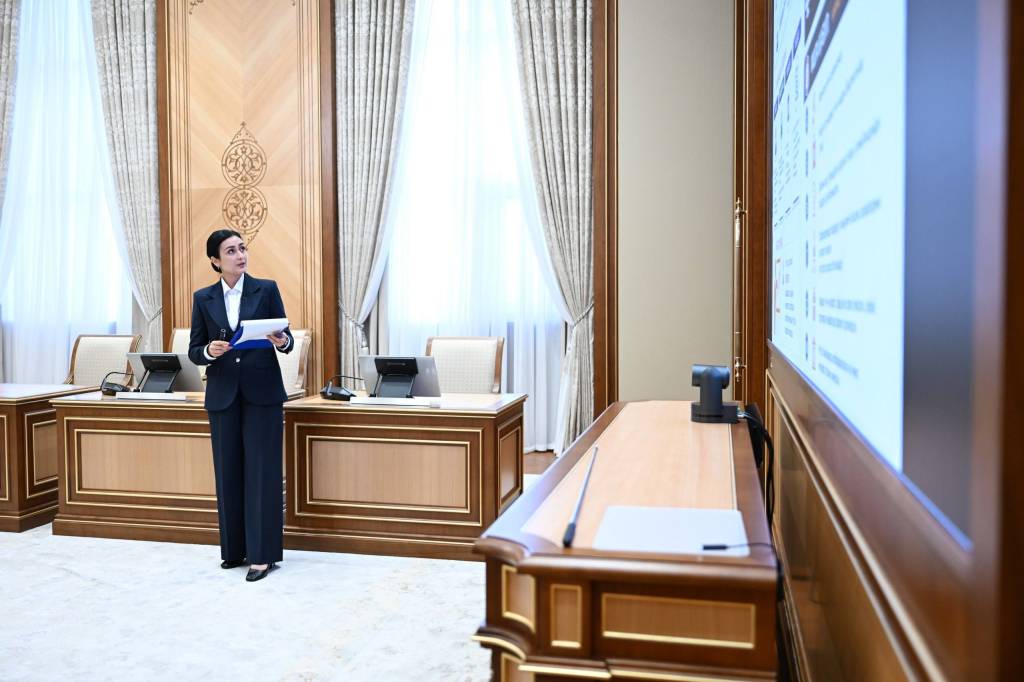
During the presentation, proposals to strengthen compliance controls in courts were discussed.
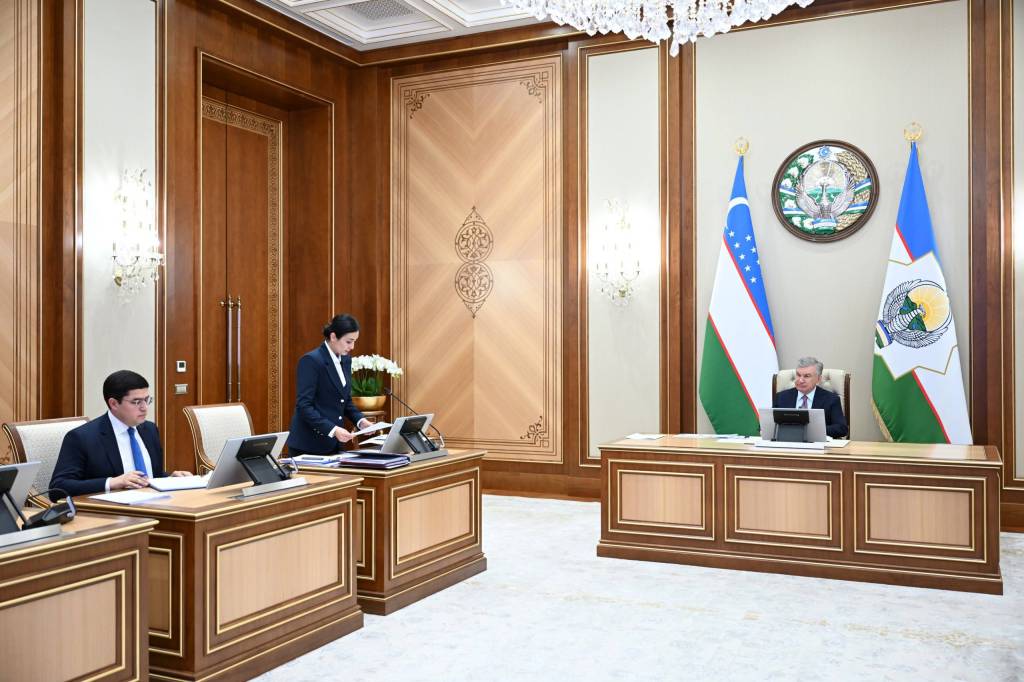
To prevent corruption among judicial staff, a Compliance Control Service was proposed to be established within the Supreme Court.
Reporting directly to the Chief Justice of the Supreme Court, the service will consist of compliance inspectors who will also work in regional courts.
The Compliance Control Service will be responsible for identifying, assessing, and mitigating corruption risks, eliminating their root causes, and monitoring employees’ compliance with legal requirements and professional ethics.
A number of other measures to prevent corruption in the judicial system were also discussed during the presentation. In particular, a list of high-risk positions within the court administration will be approved, and measures will be taken to digitize high-risk processes and reduce the influence of the human factor.
An automated electronic system for submitting and analyzing declarations of conflicts of interest, income, and assets will be introduced for judges, with a similar system to follow for judicial staff.
Electronic information systems to identify corruption risks, suspicious schemes, and disciplinary violations will also be introduced. The importance of protecting employees who report corruption and of establishing secure communication channels for citizens was emphasized.
By the end of 2026, a diagnostic assessment of the judicial system’s resilience to corruption risks will be conducted. As part of training for judicial candidates, a practice of assessing their personal and professional qualities, as well as their resistance to corruption risks, will also be introduced.
The automated court case distribution system will be improved by clearly defining the criteria for distributing and redistributing cases, while ensuring the transparency of these processes.
The hiring system for the judicial apparatus will also be fundamentally modernized. It will be based on open competition, transparent procedures, and meritocratic principles. A modern system for assessing candidates’ professional, moral, and ethical qualities, as well as their integrity, will be introduced.
Restrictions will be established for employees, including a ban on activities that may lead to conflicts of interest, entrepreneurial activities, and opening accounts abroad.
A proposal to introduce a specialized uniform for judicial staff was also considered. It was noted that this would help strengthen professional responsibility, discipline, and employees’ ethical culture.
The President emphasized that strengthening a transparent, conscientious, and fair environment within the judicial system is an important factor in increasing public trust in judicial protection. He also stressed the need to thoroughly develop the proposals and to attract qualified personnel to the Compliance Control Service.
UzA