Ankara Summit: new areas of cooperation among Turkic states and Uzbekistan’s initiatives
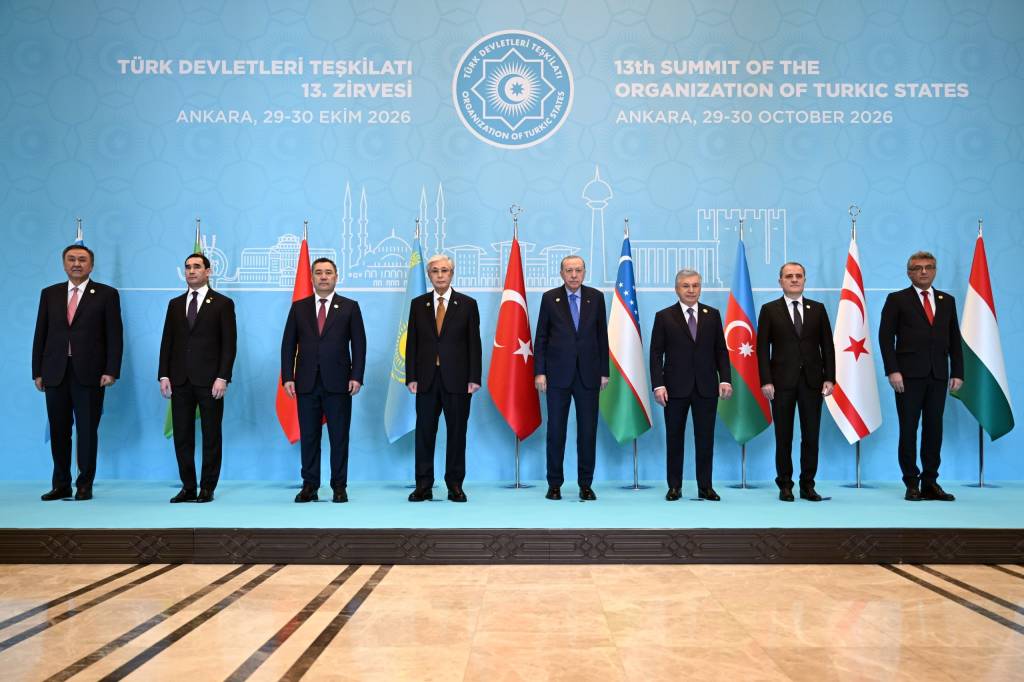
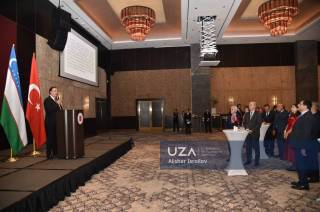
The 13th Summit of the Organization of Turkic States (OTS) took place in Ankara on October 30, 2026. Under the theme “Turkic Century: Unity in Language, Thought and Deed”, it marked an important step toward strengthening multilateral cooperation within the organization, making effective use of its existing potential, and setting future priorities.
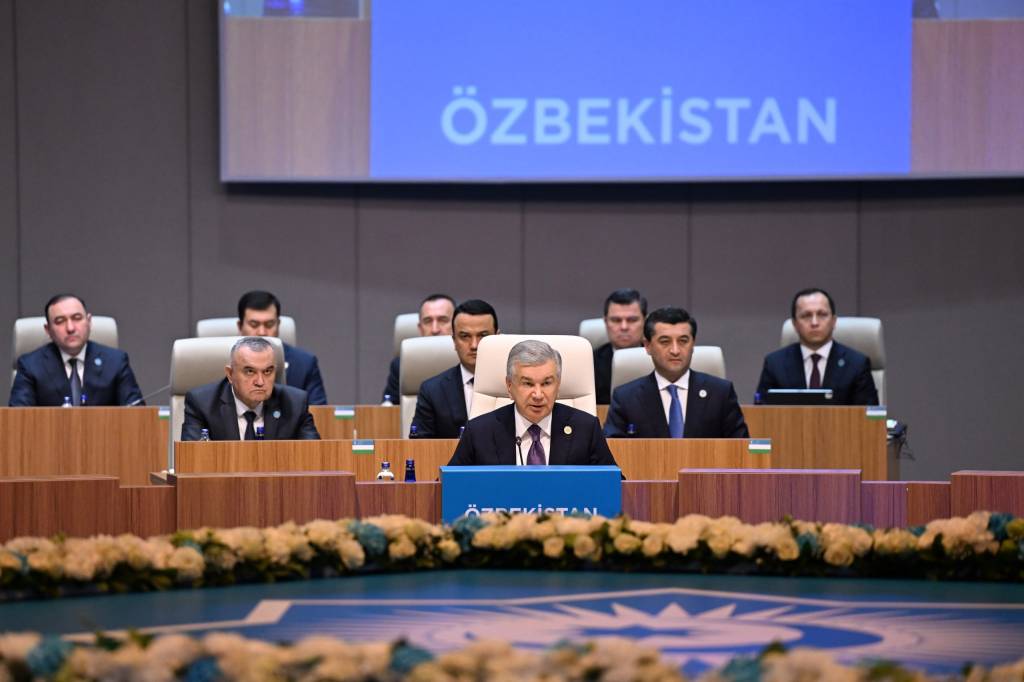
At the summit, the initiatives put forward by the President of Uzbekistan Shavkat Mirziyoyev were particularly notable for their focus on deepening cooperation among Turkic states, not only in traditional cultural and humanitarian areas, but also in practical fields such as trade and economic relations, investment, transport and logistics, industrial and legal cooperation, and human capital development.
As competition in international relations intensifies over transport corridors, supply chains, strategic raw materials, technology, and investment, coordinating the economic potential of the Turkic states is becoming increasingly important.
For Uzbekistan, cooperation within the OTS matters mainly because it can broaden the country’s foreign economic ties, diversify export markets, make better use of transport opportunities, and attract new sources of investment.
The initiatives President Shavkat Mirziyoyev proposed at the summit aim to achieve these objectives. Several key areas stand out.
The Middle Corridor: turning geographic position into economic advantage
Because Uzbekistan is landlocked, developing international transport routes, expanding cargo transportation geography, and strengthening the country’s transit potential are key priorities of its foreign economic policy.
From this perspective, developing the Middle Corridor, the Trans-Caspian International Transport Route, is exceptionally important.
By connecting China and Central Asia to European markets via the Caspian Sea, the South Caucasus and Türkiye, this project expands international freight routes, boosts competition in the transport services market and strengthens the region’s transit potential.
President Shavkat Mirziyoyev proposed establishing a network of logistics hubs among the Turkic states and jointly managing its operations to transform the Middle Corridor into a unified economic system.
This important initiative would not only help establish new transport routes but also improve connectivity across existing infrastructure, coordinate logistics services, and organize international freight transportation more efficiently.
Turkic World-100: industrial cooperation and value chains
Another key initiative proposed at the summit was adopting the “Turkic World-100” program, which aims to implement 100 strategic joint investment and industrial projects.
The initiative brings together the Turkic states’ existing production capacity, natural resources, technological capabilities, and investment potential.
With 100 joint projects, the program could become a key platform for advancing industrial cooperation among the Turkic states.
For Uzbekistan, such cooperation would create new production capacity, introduce modern technologies, broaden the range of export-oriented products, and generate additional jobs.
Strategic minerals and green energy: emerging opportunities for technological cooperation
President Shavkat Mirziyoyev proposed making the advanced processing of strategic minerals and the localization of green energy equipment production priorities under the “Turkic World-100” program.
This initiative is especially promising for Uzbekistan. The country’s mineral resources, including non-ferrous metals and uranium, create opportunities to develop new industries through their advanced processing.
At the same time, simply extracting and exporting raw materials is not enough. The greatest economic benefits come from processing them, manufacturing technologically sophisticated products, and integrating into international value chains.
Turkic Investment Fund: turning initiatives into real projects
The success of the “Turkic World-100” program proposed by the President also depends directly on the effective use of this financial mechanism.
The Fund will support cooperation among member states, foster entrepreneurial initiatives, and direct resources toward promising projects.
For Uzbekistan, this process is especially important for establishing joint ventures, financing infrastructure projects, and increasing private sector participation. The main task is to channel available financial resources into mutually beneficial, long-term projects that deliver tangible economic results.
Legal cooperation on commercial matters: a secure environment for entrepreneurs
The President of Uzbekistan proposed developing a multilateral treaty on mutual legal assistance in commercial matters and establishing a digital platform for the electronic exchange of requests and documents.
This initiative aims to strengthen legal cooperation in economic relations among Turkic states, make it easier to do business, and better protect entrepreneurs’ interests.
This would provide a secure legal framework for developing cross-border trade and investment projects.
Turkic Tourism Alliance: toward a unified tourism space
President Shavkat Mirziyoyev proposed creating a Turkic Tourism Alliance and drafting a multilateral agreement to make travel easier for citizens, including by expanding the option to travel using ID cards.
This initiative would open up new opportunities to promote the Turkic states as a unified tourism destination, diversify travel routes, and increase tourist flows among them.
For Uzbekistan, this would also help expand tourism service exports, make its regions more attractive, and stimulate growth in the hotel industry, transport, public catering, and other service sectors.
At the same time, travel using ID cards would, of course, follow the national laws of the respective states and be based on mutual agreements. The initiative’s practical impact will therefore depend on the legal and organizational mechanisms developed in the future.
OTS+: broadening the geographic scope of international cooperation
A key political and diplomatic initiative proposed at the Ankara summit was the creation of the Organization of Turkic States+ (OTS+) format.
Through this initiative, President Shavkat Mirziyoyev called for meetings with third countries involving the relevant ministers, as well as concrete joint projects in priority areas such as trade, transport, and investment.
The initiative aims to broaden the organization’s opportunities for international cooperation.
Human capital, education and the environment: key drivers of long-term development
Cooperation among Turkic states should not be measured by economic indicators alone. Its long-term success also depends on human capital, science, education, and environmental sustainability.
In this context, the announcement by President Shavkat Mirziyoyev that Uzbekistan is ready to offer annual educational grants to young people from Turkic states under the “New Uzbekistan Scholarship” program is particularly significant.
This initiative would give young people the opportunity to receive a quality education, develop their research potential, and take an active role in future economic and technological cooperation among Turkic states.
Environmental cooperation is also crucial for long-term development.
Uzbekistan’s proposal to declare 2027 the Year of Environmental Protection within the OTS has received support and is expected to take regional environmental cooperation to a new level.
In this regard, joint projects are particularly important for sustainable water use, addressing environmental challenges collectively, combating desertification, and protecting natural ecosystems.
Cultural and humanitarian cooperation and Uzbekistan’s institutional role within the organization
A distinctive feature of the Organization of Turkic States is that its work is grounded in a shared history, language and cultural values. Alongside fostering economic cooperation, preserving this common heritage and passing it on to future generations is an equally important priority.
At the Ankara summit, President Shavkat Mirziyoyev proposed compiling a “Dictionary of Common Turkic Words” that reflects the shared linguistic heritage of the Turkic peoples.
The initiative was noted as creating new opportunities to scientifically study the historical and linguistic similarities among Turkic languages, systematize their shared vocabulary, and strengthen cultural ties.
Another notable event was the presentation of the Alisher Navoi International Prize, established on Uzbekistan’s initiative, to Dusen Kaseinov, an Honored Art Worker of Kazakhstan.
These developments will undoubtedly strengthen the historical and cultural foundations of ties among the Turkic states.
Another important institutional outcome of the summit was its endorsement of Uzbekistan’s representative, Mirvohid Azimov, as a candidate for the post of OTS Secretary General. Participants expressed confidence that his previous work within the organization and experience in international cooperation would help further develop practical cooperation.
It was also decided that Uzbekistan would host the next summit in 2027. This offers the country an important opportunity to advance its priority initiatives, deepen dialogue with partner states and develop new joint projects.
The strategic importance of the Ankara initiatives: opportunities and future priorities
Together, the initiatives Uzbekistan proposed at the Ankara summit reflect three closely linked strategic priorities.
First, giving economic integration greater practical substance. Proposals on transport and logistics, industrial cooperation, investment, and tourism aim to expand economic ties among the Turkic states and increase mutual benefits.
Second, expanding the region’s participation in the global economy. Developing the Middle Corridor, establishing the OTS+ format, and advancing the processing of strategic minerals will strengthen the Turkic states’ opportunities to engage in international economic activity.
Third, strengthening the institutional and human foundations needed for long-term sustainable development. Legal cooperation, educational grants, environmental initiatives, and cultural ties are essential to ensuring the organization’s long-term stability and effectiveness.
Conclusion: Uzbekistan’s strategic role in regional cooperation
The outcomes of the Ankara summit once again highlighted Uzbekistan’s active and proactive role in the Organization of Turkic States. Importantly, the proposals put forward aim not only to strengthen historical and cultural ties but also to add new substance to existing economic relations.
For Uzbekistan, the OTS is above all an important multilateral platform for diversifying international economic ties, accessing new markets, expanding transport opportunities, and developing investment cooperation.
Hosting the next summit in Uzbekistan in 2027 will carry significant organizational and political responsibilities. It is now essential to implement the initiatives proposed in Ankara, advance joint projects to implementation, and strengthen coordinated efforts with partner countries.
Ultimately, international cooperation is measured not by the number of declarations adopted or initiatives proposed, but by tangible results: new enterprises, stronger trade ties, improved transport routes, jobs, and contributions to citizens’ well-being.
This is precisely why the Ankara summit is strategically significant for Uzbekistan: the country seeks to pair cooperation rooted in shared history and culture with modern economic interests, technological progress, and regional stability.
Mirhabib Sayfullayev, UzA