A new quality of growth for Eurasia: investment, technology, and human capital become key drivers of development
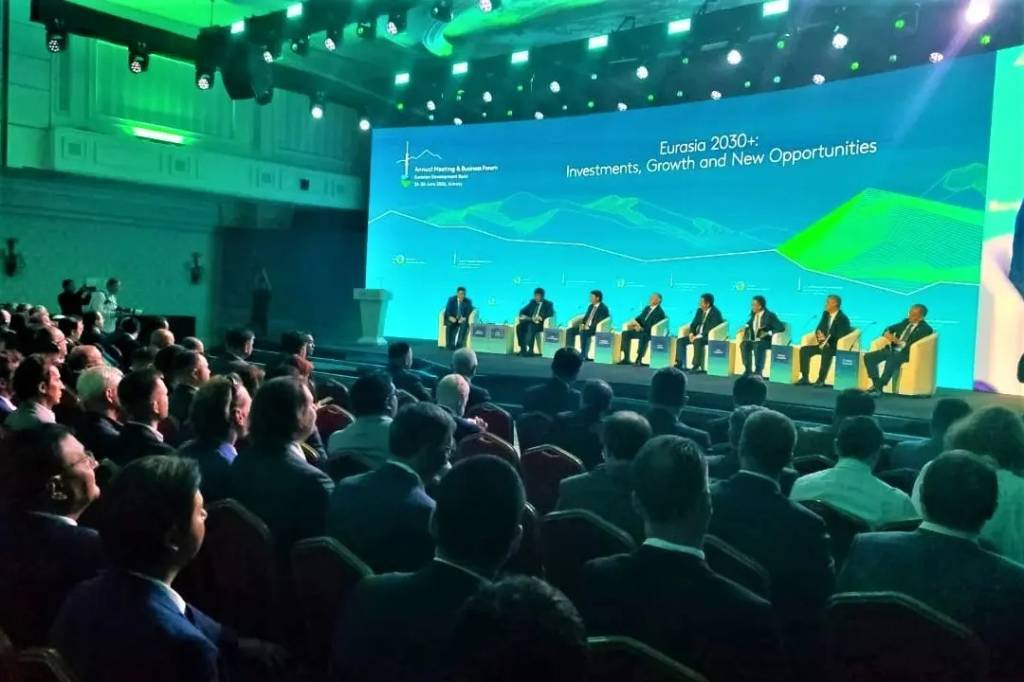
The Eurasian Development Bank’s (EDB) Annual Meeting and Business Forum, “Eurasia 2030+: Investments, Growth and New Opportunities”, concluded in Almaty, establishing itself as a key international platform for discussing the future of the region’s economic development.
Over two days, representatives from 15 countries, including governments, businesses, international financial institutions, the expert community, and the media, discussed the emerging model of economic growth in Eurasia – one based on investment, technological development, human capital, and regional integration.
The participants paid particular attention to transport connectivity, digital transformation, the development of artificial intelligence and Islamic finance, sustainable infrastructure, and the mobilization of private capital for large-scale projects. The forum’s central message was the need to shift from quantitative to qualitative growth, grounded in innovation, cooperation, and long-term investment.
One of the central events was an address by Nikolai Podguzov, Chairman of the EDB Management Board, who presented the Bank’s 2025 performance results. According to him, the EDB’s investment volume reached $2.6 billion last year. The largest share of financing went to projects in the energy sector, the transport and logistics complex, and the chemical industry – sectors that form the foundation of the region’s economic resilience. At the same time, sustainable development projects are playing an increasingly important role in the Bank’s investment policy. Over the year, the portfolio of green projects grew by 17% to reach $1 billion. An additional $40 million was allocated through the Technical Assistance Fund and the Digital Initiatives Fund to projects focused on the efficient use of water resources, the development of artificial intelligence, digitalization, and the modernization of the agro-industrial complex.
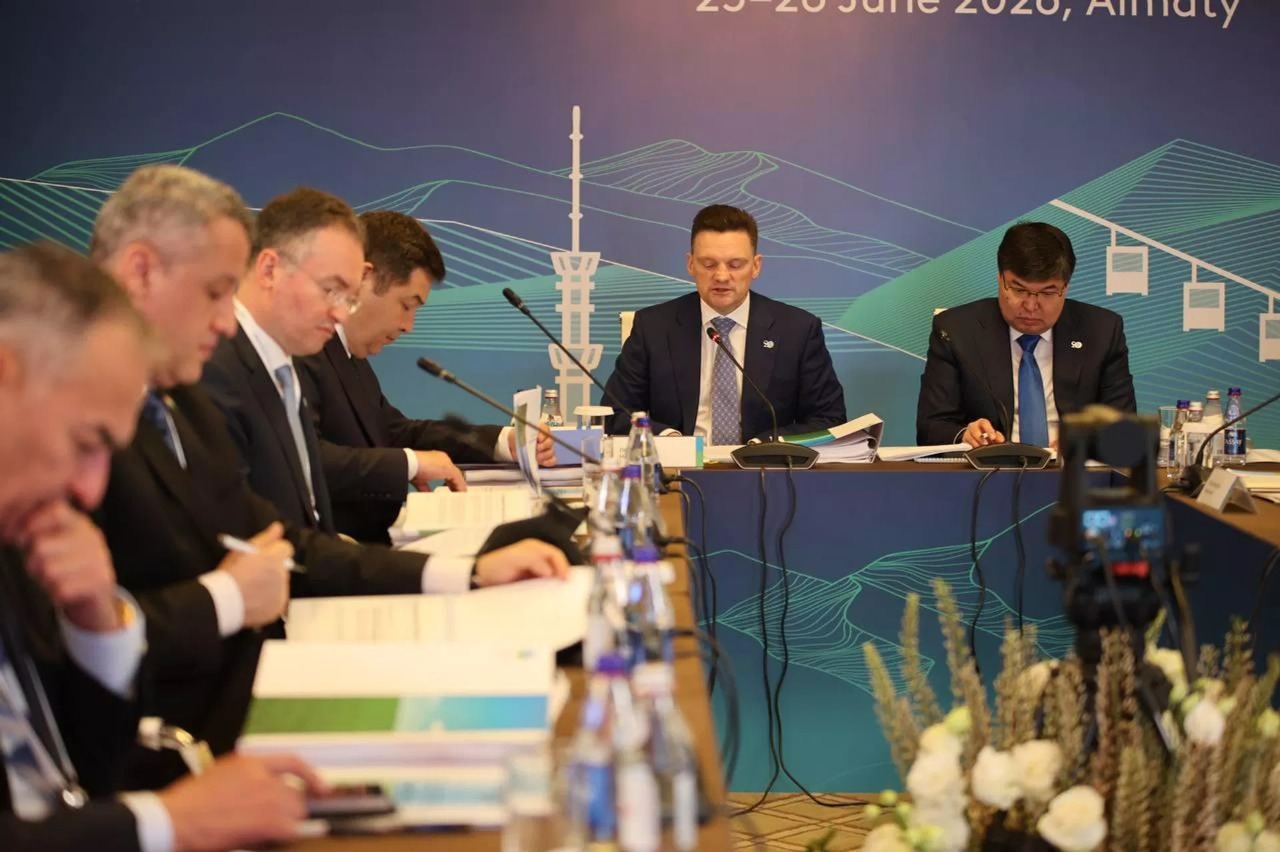
Another important outcome of the Annual Meeting was the early achievement of key targets set in the EDB Strategy for 2022-2026. By the end of this year, the Bank’s cumulative investment volume is expected to reach $12.2 billion, exceeding the initial target of $10.9 billion. Over the past five years alone, $5.2 billion has been invested in Kazakhstan’s economy – almost as much as was invested in the previous fifteen years.
In light of the results achieved, the Bank’s Council approved the EDB Development Strategy for 2027-2031. Its key priorities will include developing international transport corridors, financing high-value-added industries, introducing advanced technologies, and attracting international capital to implement major infrastructure projects.
Another significant event at the forum was the signing of a Memorandum of Understanding between the Eurasian Development Bank and the Accounting and Auditing Organization for Islamic Financial Institutions (AAOIFI).
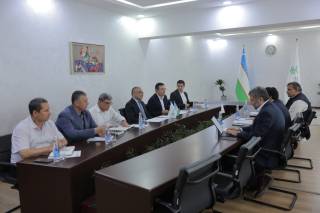
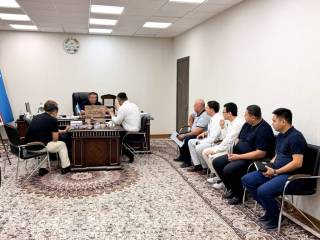
Considerable attention at the forum was devoted to developing cooperation with Uzbekistan.
The EDB and Invest Finance Bank JSC signed an agreement to provide a $50 million non-revolving credit facility. The funds will finance investment projects in the country, expanding opportunities for domestic businesses to secure long-term financing. The first tranche will support one of the country’s leading telecommunications companies, helping accelerate the development of digital infrastructure.
Another important step was the signing of a memorandum between the EDB and the Uzbekistan Technological Metals Complex JSC. The document creates opportunities to finance projects focused on the extraction and advanced processing of critical minerals and rare-earth metals.
Aziza Alimova, UzA