A New Experience Starting in Kindergarten
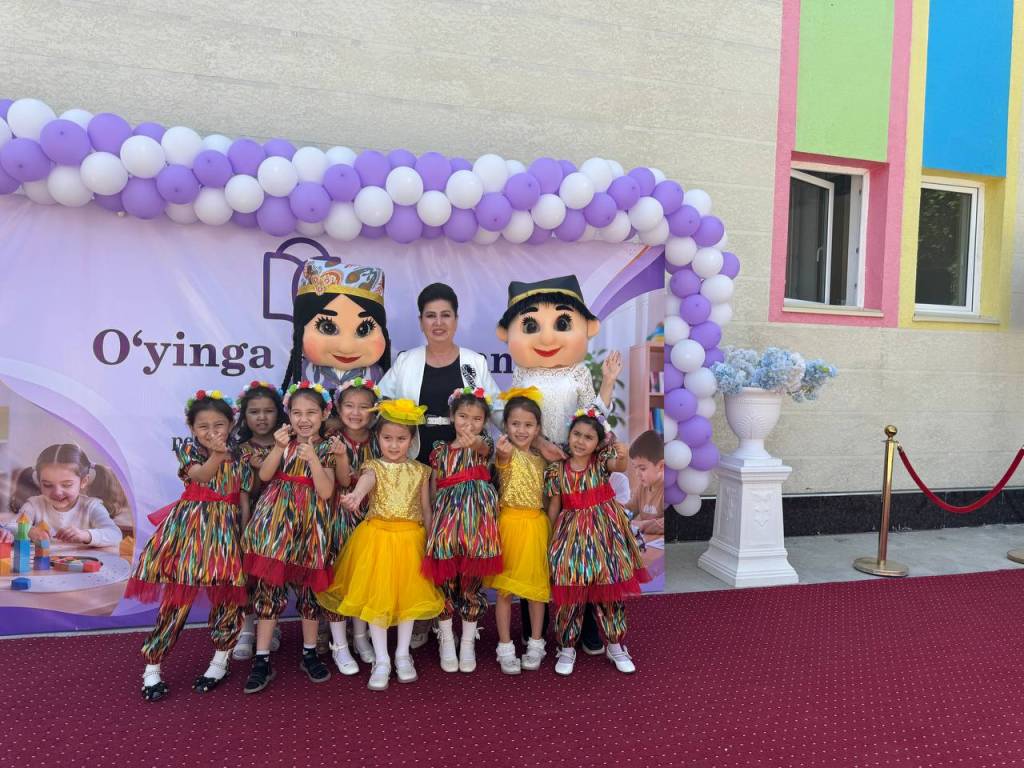
A child's future is revealed in their earliest curiosities and independent initiatives. Therefore, in preschool education, alongside the question "What should a child be taught?," the question "What kind of environment should we create for a child to discover things for themselves?" is becoming increasingly important.
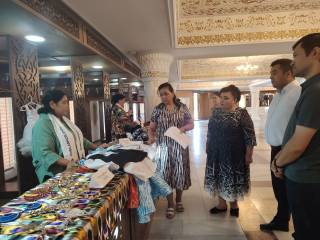
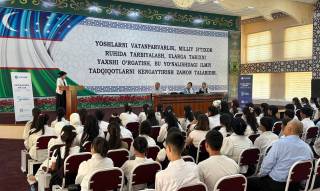
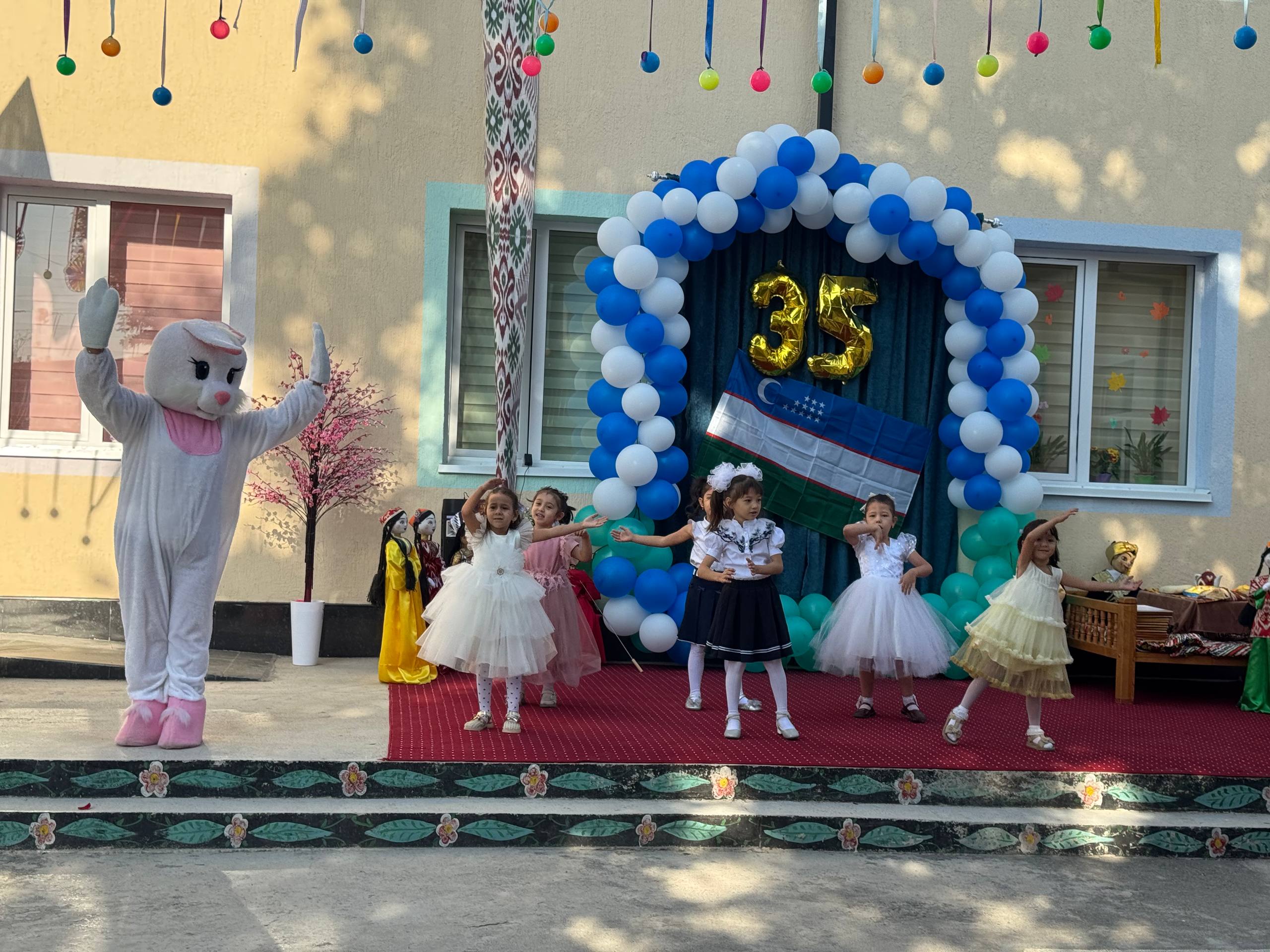
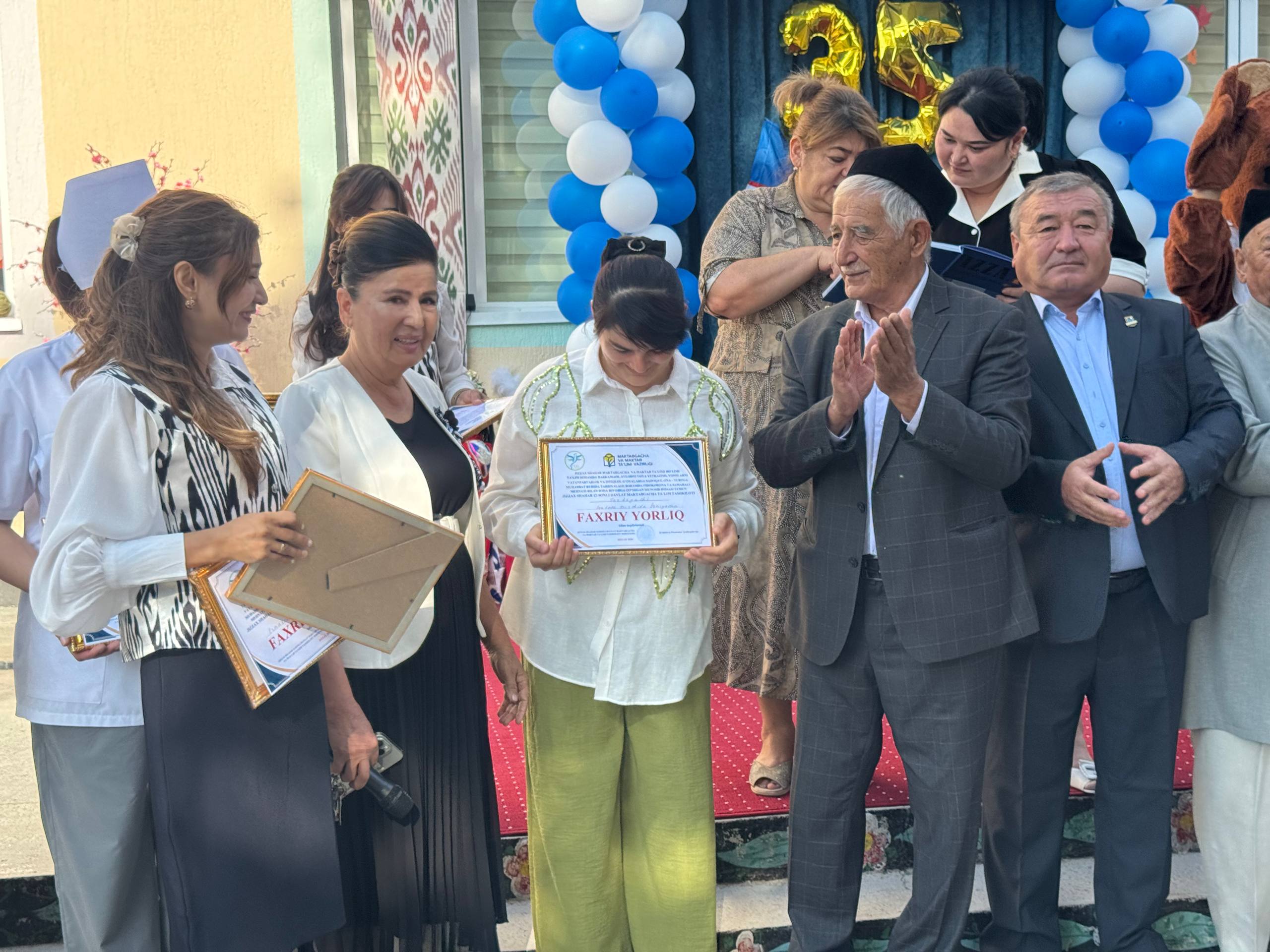
The "Hello, Kindergarten!" event, held at State Preschool Educational Organization No. 12 in Jizzakh under the slogan "Uzbekistan is My Homeland!," was one of the practical examples of this new approach. The festive event was attended by children, educators, parents, community activists, and elders.
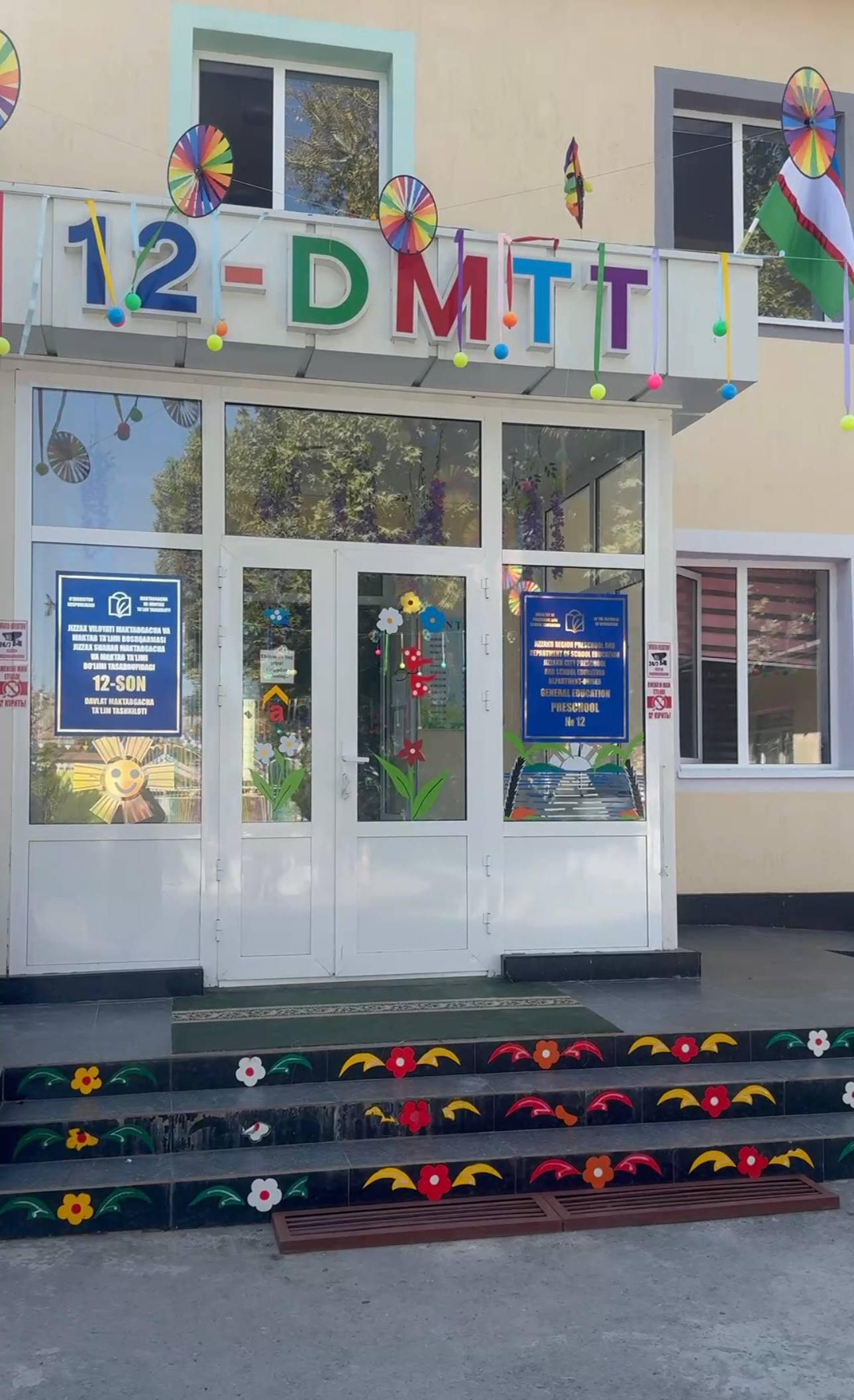
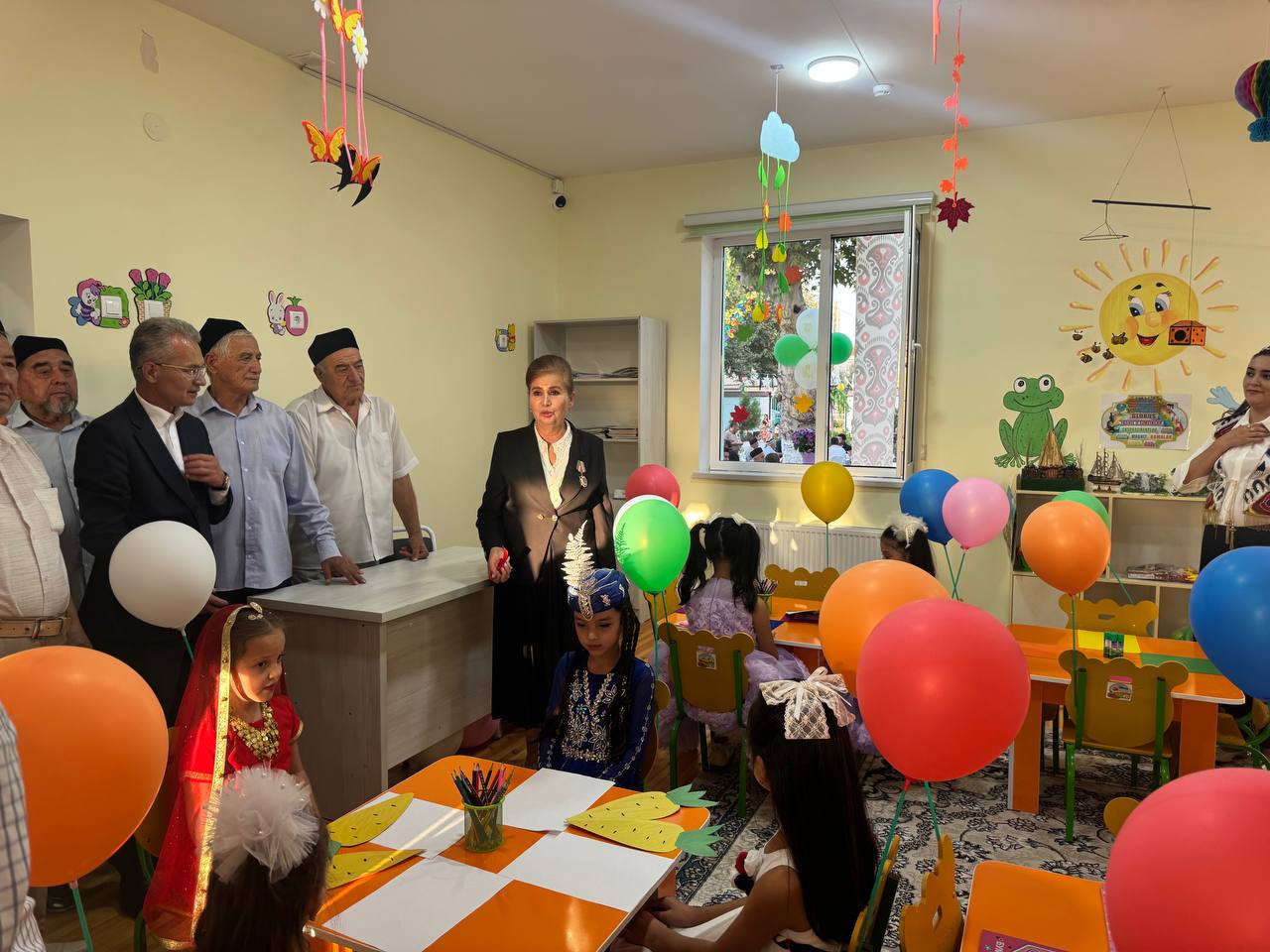
Six groups operate in SPEO No. 12, which is designed for 180 children. The educational process at the institution is organized based on the "Ilk Qadam" state curriculum, with special attention given to play-based learning, development centers, and fostering interest in various professions.
— "For us, it is important that a child not only absorbs ready-made knowledge but also independently explores, chooses, and demonstrates their abilities," says Mamlakat Ermatova, the director of the SPEO. — "That is why we are trying to create opportunities for children to engage in free activity in the development centers, try out various fields, and collaborate with their peers. Fostering interest in a profession is also seen not as a mandatory choice, but as a means of identifying a child's natural interests and abilities from an early age."
This approach is in harmony with current state policy. The Decree of the President of the Republic of Uzbekistan dated February 5, 2024, "On Measures to Further Improve the System of Preschool Education and Upbringing," sets forth tasks to enhance the preschool education system based on advanced international practices, introduce play-based learning, implement the "Child, Play, and Educator" project, and pilot new methodologies in this area. The document also envisions the construction of "New Generation" preschool educational organizations from 2026 to 2028.
Therefore, the experiment being implemented at SPEO No. 12 in Jizzakh is significant not only as the initiative of a single institution but also as a practical experience that aligns with the new tasks facing the country's preschool education system.
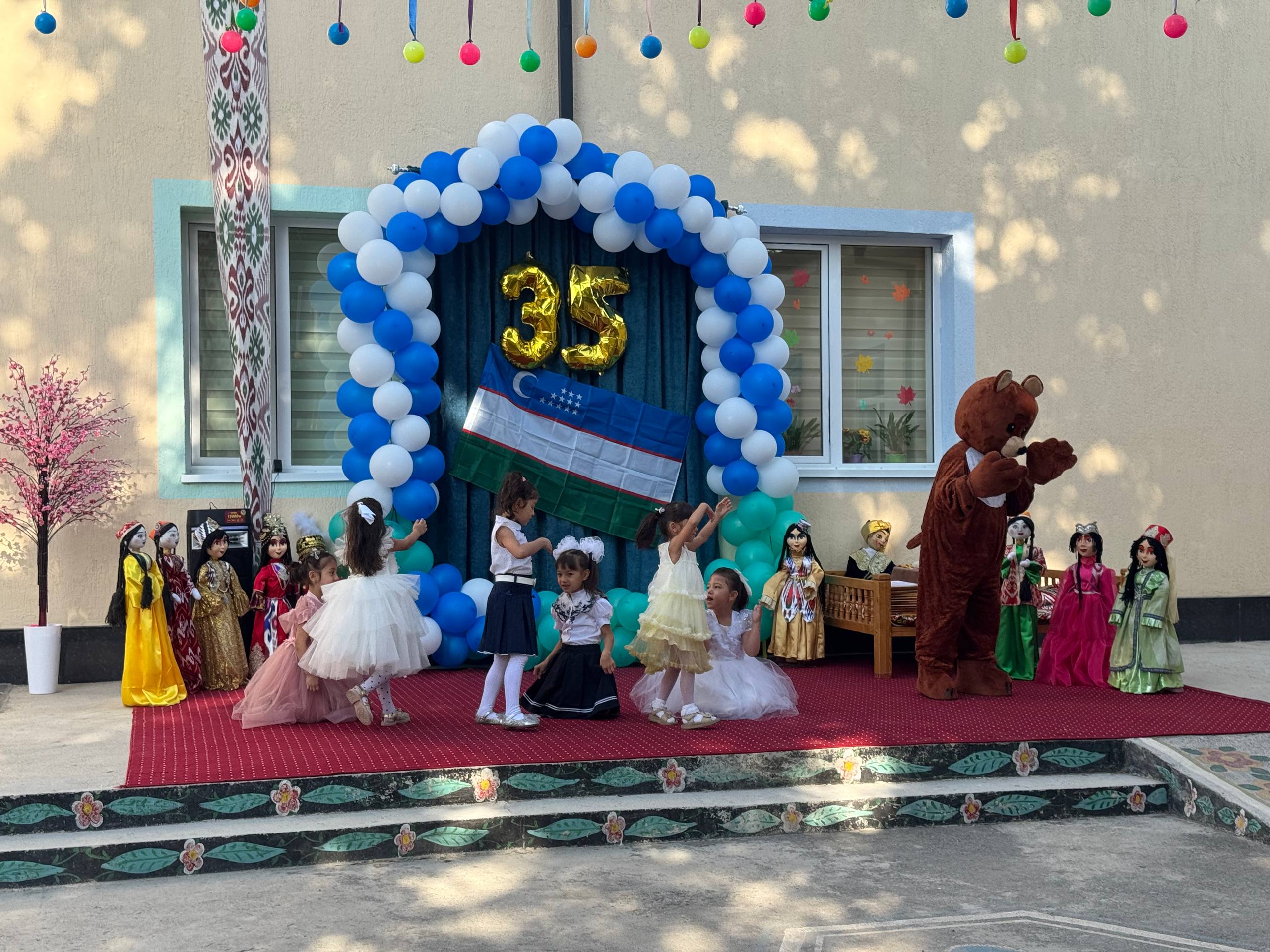
In particular, attention is being paid here to aspects of the Chinese model, such as developing a child through play, early identification of their interests and abilities, teaching them to work in a team, and fostering interest in various professions.
In this regard, the republic has already formed a noteworthy body of experience. At SPEO No. 14 in the city of Chirchiq, Tashkent region, the widespread use of play-based methods in the educational process, the development of children's creative abilities, teamwork, and sparking interest in professions have been established based on the Chinese model. Children's interest in work is being cultivated through fields like robotics, sewing, culinary arts, construction, agriculture, and design. This experience has subsequently begun to be studied by specialists from other regions.
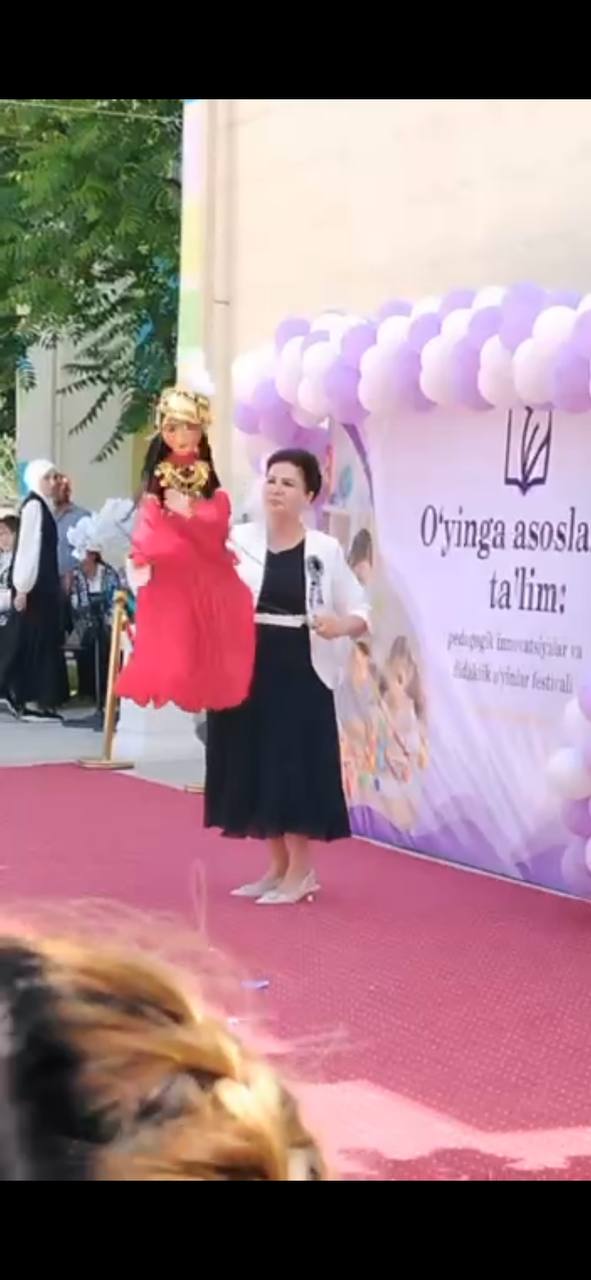
A noteworthy aspect of the experience at SPEO No. 12 is that foreign practices are being harmonized with the national educational content. Upon entering a development center, the child becomes an active participant rather than just a follower of the educator's instructions. The educator, in turn, acts not as a provider of ready-made answers for the child, but as a guide leading them toward discovery.
— "Most importantly, we do not demand of the child, 'Who will you be in the future?' First, we observe what they are interested in, what they do with enjoyment, and in which activities they feel free," says Mamlakat Ermatova. — "If a child feels like an architect in a construction game today, becomes interested in technology tomorrow, or demonstrates their abilities in robotics, this is an important signal for understanding their future potential."
In essence, play is a child's language. In play, they not only rejoice but also think, make decisions, negotiate, argue, and feel a sense of responsibility. Therefore, play-based learning should be valued not as a simple recreational activity, but as a pedagogical tool that ensures the intellectual, creative, physical, and social development of the child.
Another important aspect of the issue is the participation of the family and the local community in the educational process. The participation of parents, the "Uratepalik" mahalla citizens' assembly, and elders in the "Hello, Kindergarten!" event once again demonstrated the great importance of cooperation between the kindergarten, family, and community in a child's upbringing.
The primary task now is to study the effective practices being developed in institutions like the State Preschool Educational Organization No. 12 in Jizzakh, evaluate their results, and popularize the best aspects on a national scale. The value of the Chinese experience lies in this: it prepares a child from an early age not to "choose a profession," but to realize their own potential, value hard work, work in a team, and make independent decisions. If this approach is properly integrated with our national values and the "Ilk Qadam" (First Step) program, it can transform from the experience of a single kindergarten into an effective model that raises the quality of preschool education in the republic to a new level.
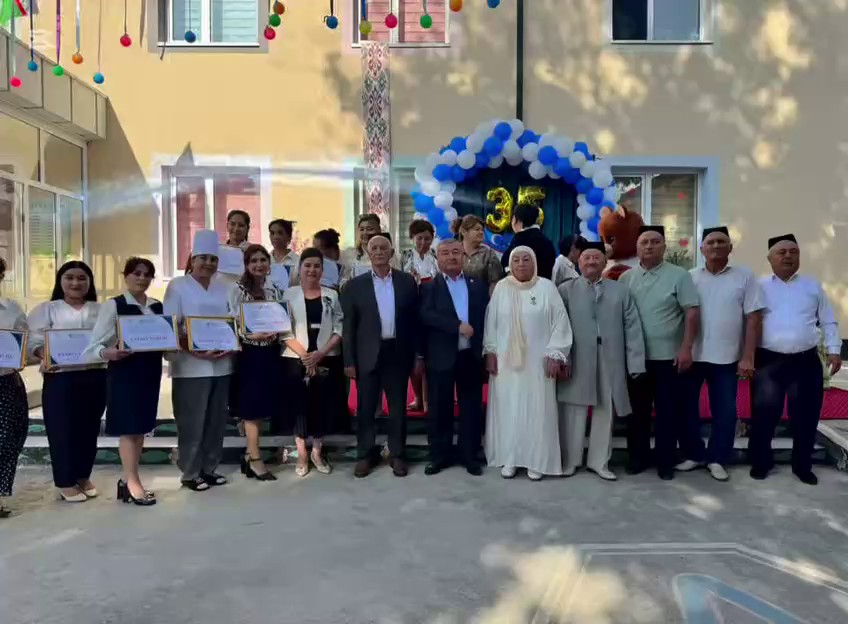
At the end of the event, the well-deserved recognition of the educators and the children singing songs about the Motherland together once again demonstrated a simple truth: modern education and national upbringing enrich and complement each other.
Abdujalol Qayumov, UzA correspondent