Uzbekistan – Tajikistan Allied Relations: Moving Toward Broader Cooperation
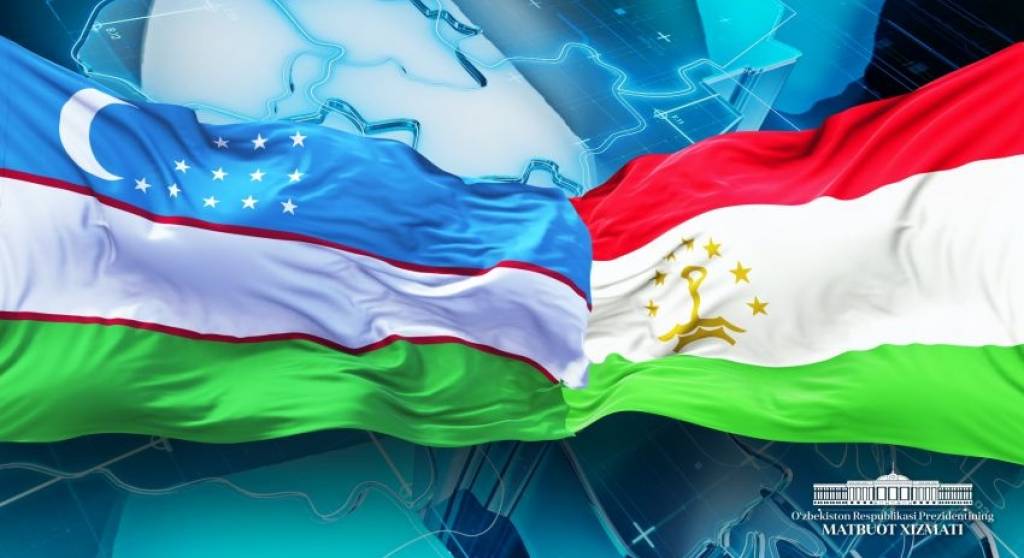
The upcoming visit of the President of Tajikistan Emomali Rahmon to Uzbekistan on March 26-27 is expected to strengthen relations between Uzbekistan and Tajikistan, which have shown consistent positive progress in recent years.

Today, bilateral relations are thriving, marking their strongest period in history. Tashkent and Dushanbe have successfully settled long-standing issues, laying a strong foundation for a transition to a significantly new phase of cooperation. Although cooperation was once sporadic and mostly driven by opportunistic factors, it has now become systematic, multi-layered, and strategic.
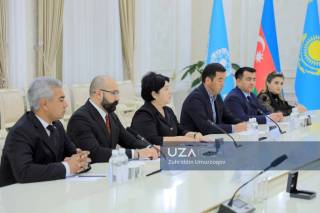
The consistent and farsighted policies of the two leaders have played a crucial role in this process. Regular and trusted contacts between Shavkat Mirziyoyev and Emomali Rahmon have helped renew the entire system of interstate relations, giving it a strong internal momentum.
Since 2017, the leaders of Uzbekistan and Tajikistan have held over 40 meetings, highlighting a shared political will to develop steady cooperation. The natural outcome of this progress was the signing of the Treaty on Allied Relations in 2024, formalizing the long-term strategic nature of their partnership. The upcoming negotiations are expected to reinforce the achievements and set new standards for their collaboration.
A solid institutional framework has strengthened this atmosphere of trust. Regular consultations between foreign ministries, expanded cooperation among line agencies, and effective work by the Intergovernmental Commission create a stable structure for bilateral engagement. The inter-parliamentary aspect has also grown significantly: the cooperation group formed in 2020 provides crucial support for initiatives and supervises their implementation.
The intense political dialogue naturally reflects in the economy, which acts as a gauge of significant structural shifts. Since 2017, bilateral trade has grown nearly fourfold, from $237 million to over $900 million by the end of 2025, reflecting consistent growth. Moreover, the trade composition is changing: alongside traditional goods, the share of high-value products, such as textiles, construction materials, electrical engineering, and machinery, is rising. This suggests a move toward a more diversified economic model to reach the $2 billion target in the medium term.
At the same time, the focus is gradually shifting from trade to investment and industrial cooperation. Since 2017, the number of enterprises with Tajik capital in Uzbekistan has increased more than 13 times, reaching 343. Uzbek businesses are also actively expanding into Tajikistan, where around 70 companies currently operate, reflecting growing mutual trust within the business community.
As part of this partnership, the Uzbekistan – Tajikistan Interregional Investment Forum was launched in 2021. That same year, a joint investment company was established with an authorized capital that later increased more than fourfold – from $12 million to over $50 million. This laid a financial foundation for major projects in industry, energy, agriculture, healthcare, banking, and construction.
The development of modern border infrastructure is crucial for further integration. Specifically, establishing a trade and logistics hub at the “Fotekhobod – Oybek” border crossing will enhance the efficiency of cross-border trade. Meanwhile, Urgut district is being developed as a comprehensive transport, logistics, and trade hub, capable of turning border areas into centers of economic activity.
Ongoing projects include establishing trade, logistics, and medical complexes, as well as a logistics center capable of handling up to 100 heavy-duty trucks per day. Simultaneously, efforts are being made to streamline customs procedures. The construction of the Samarkand – Urgut railway line will be a key step toward lowering transportation costs and improving regional connectivity.
Equally indicative is the transformation of cooperation in the water and energy sectors – traditionally some of the most sensitive issues in the region. Moving away from past competition, the parties are consistently developing a pragmatic model that considers mutual interests, implementing joint projects to modernize irrigation systems and develop hydropower. This approach shows that even the most complex issues can serve as a basis for sustainable cooperation and development.
The most significant changes are happening in the cultural and humanitarian fields. Increasing contact among citizens, rising cross-border travel, and the growth of cultural and educational exchanges are creating a shared humanitarian space in which interstate relations have gained a new quality.
The liberalization of travel regulations has revitalized tourism cooperation. In June 2022, the Tashkent – Dushanbe passenger train was launched; regular bus routes between Tashkent – Khujand and Kokand – Shaidon were resumed; and air connectivity has expanded, currently reaching 16 flights per week.
As a result, 2.7 million citizens of Tajikistan visited Uzbekistan last year alone, reflecting a high level of mutual trust and openness. Political agreements are increasingly translating into practical reality in daily interactions.
This process is further strengthened by the historical and ethno-cultural ties between the two nations. The presence of substantial Tajik communities in Uzbekistan and Uzbek communities in Tajikistan makes this cooperation a natural extension of long-standing social and cultural connections. In this context, the humanitarian aspect has become a key element in maintaining the stability of the allied relationship.
Against this backdrop, the upcoming visit of Emomali Rahmon to Tashkent is intended not only to consolidate achieved milestones but also to set new strategic directions for future engagement. Its outcomes will undoubtedly be reflected in concrete projects and initiatives that will further strengthen the bilateral partnership and enhance the resilience of the entire region.
Shakhlo Khamrakhodjaeva,
Leading Research Fellow,
Institute for Strategic and Regional Studies under the President of the Republic of Uzbekistan
UzA