The new season marks a dynamic creative period in Uzbek theater.
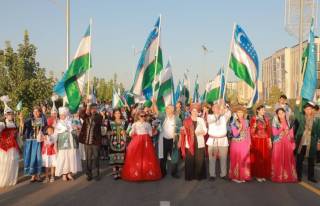
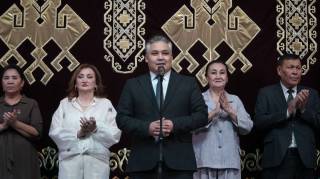
"Open Doors Day" events, held in theaters across the country to mark the 35th anniversary of the state independence of the Republic of Uzbekistan, further strengthened our compatriots' interest in the art of theater.
It is noteworthy that the country's state theaters are kicking off this year's creative season with large-scale organizational reforms, international collaborative projects, and modern premieres.
Since September, theaters across the republic have been raising their curtains, presenting a series of new offerings to audiences. The main characteristics of the current season are defined, first and foremost, by the heightened attention being paid to the cultural sphere, the expansion of theaters' creative and financial capacities, the strengthening of international cooperation, and the enrichment of repertoires with contemporary content.
One of the most significant changes is the granting of financial and creative independence to a number of leading state theaters. Theaters now have the right to independently form their own staffing structures and positions, freely engage local and foreign directors and specialists, and independently determine their repertoire policies in line with modern demands.
The international cooperation and participation in new projects by our country's theater companies are also becoming more active. This season, collaboration with foreign artists has expanded significantly.
Ties with European theaters are also being strengthened. In particular, a new creative memorandum was signed with the Italian theater "SILENCE," under which it is planned to implement joint projects in regional theaters and work on modern stage productions.
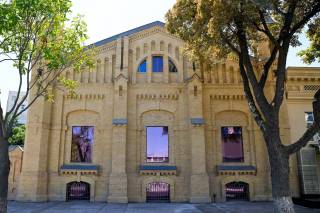
Serious attention is also being given to renovating theater buildings, developing modern infrastructure, and creating comfortable conditions for audiences. The online ticket purchasing system is being further improved through modern platforms like iTicket and Afisha.uz, and the option to buy tickets electronically from home is being expanded in a number of academic and drama theaters.
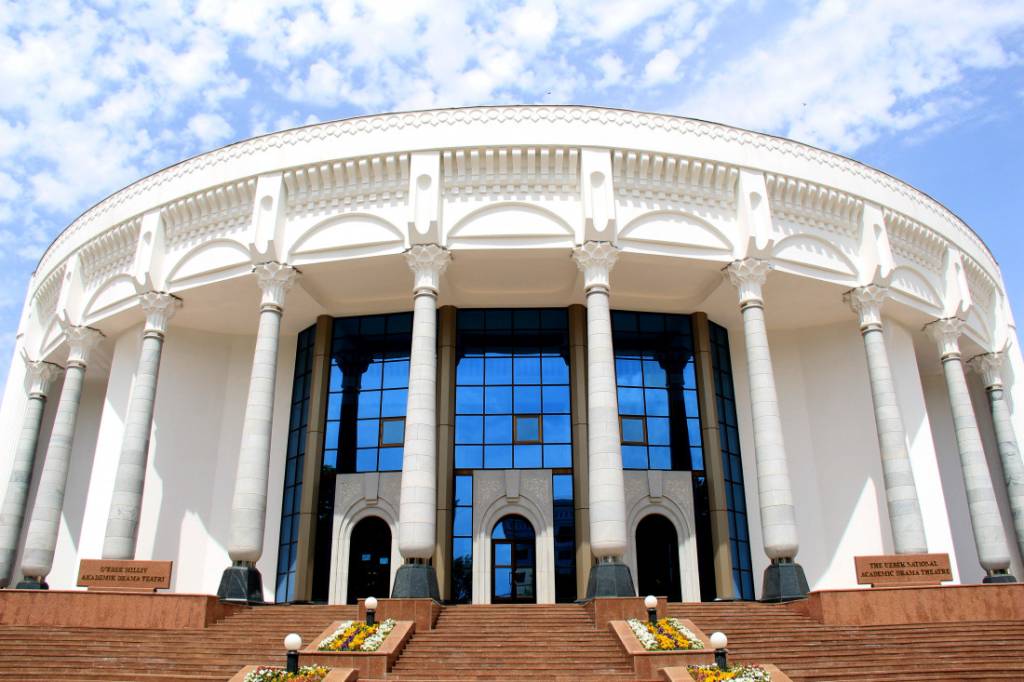
Special attention is also being paid to the new premieres in the repertoires of creative teams. The Uzbek National Academic Drama Theater opened its new season with the play "The First Swallow" ("Ma'suma"), based on the work of the People's Poet of Uzbekistan, Isajon Sulton, and staged by the Honored Artist of Uzbekistan and master director, Asqar Xolmo'minov. Meanwhile, "Avalanche" by Turkish writer Tuncer Cücenoğlu will also be presented to the public in the coming days.
The new season of the Alisher Navoi State Academic Bolshoi Theater of Uzbekistan—a creative collective that has become a unique calling card for our country's culture and arts—will also be rich with unique concerts featuring opera stars, new performances, and musical programs by creative groups.
At the Mukimi Uzbek State Academic Musical Theater, the performances "The Jadids," "Halima," "Maysara," and "Mother-in-law," which have been presented to audiences since the beginning of the season, are delighting art enthusiasts.
At the start of the season, many new works featuring historical figures, addressing contemporary issues, and designed for children are making their stage debut. The repertoires of youth and drama theaters have included serious dramatic works such as "The Oath," about national heroes, including Turkestani youth who studied abroad, and "Kazbek: A Hero's Fate," based on real events.
From the very start of the season, puppet and children's theaters are also presenting fairy-tale plays for young audiences in new interpretations, such as "The Magic Seed," which are both modern and educational.
Undoubtedly, at the heart of these reforms lies the goal of transforming Uzbek theatrical art from merely a place of spiritual recreation into a creative platform that reflects society's most pressing issues and ensures a lively dialogue between the individual and society. Granting theaters financial and creative independence is expected to free them from the bureaucratic molds that have accumulated over the years and introduce a healthy, creative, and competitive environment to the field.
Now, the quality of stage productions and audience attendance are becoming important criteria that determine a theater's creative vitality and economic stability. Strengthening cooperation with talented foreign directors will serve to blend the traditions of our national acting school with contemporary trends on the world stage.
The renewal of the repertoire's content, particularly the emphasis on historical truths and the inner experiences of our contemporaries, is becoming an important factor in elevating the audience's worldview. The development of infrastructure and digital systems is further bridging the distance between art and the public, making theater an integral part of our daily lives.
Today's theater is not merely a collection of sets and lights, but a living mirror reflecting the heartbeat of the nation and the spirit of the times. This creative season is undoubtedly significant in the history of Uzbek theater as a period of renewal and new artistic pursuits.
Nazokat Usmonova,
UzA correspondent