Proposals for further enhancement of the social protection system considered
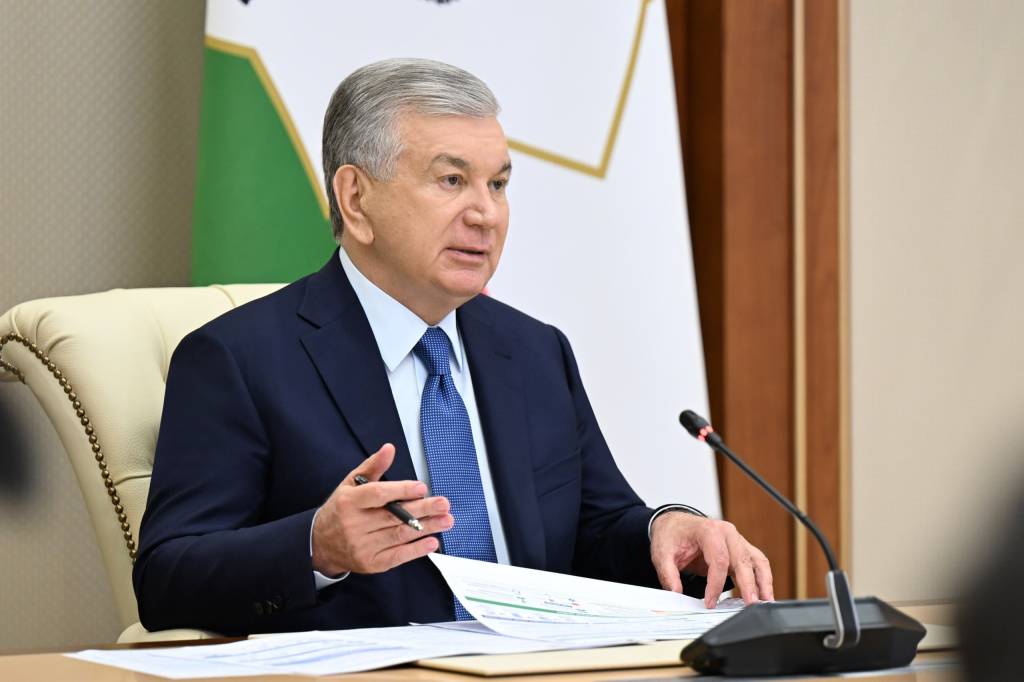
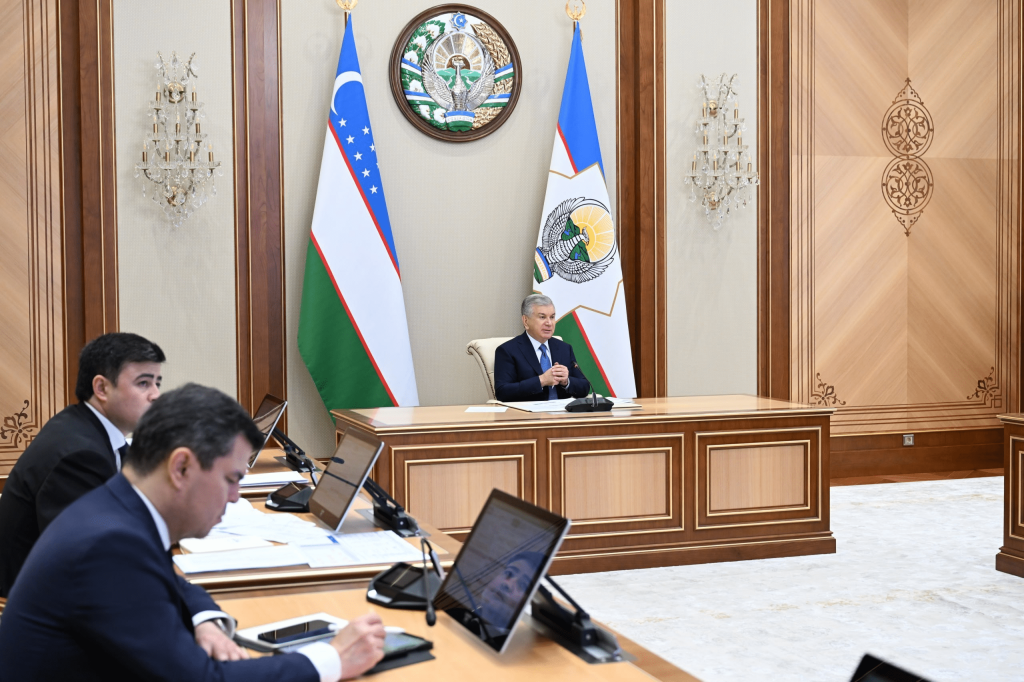
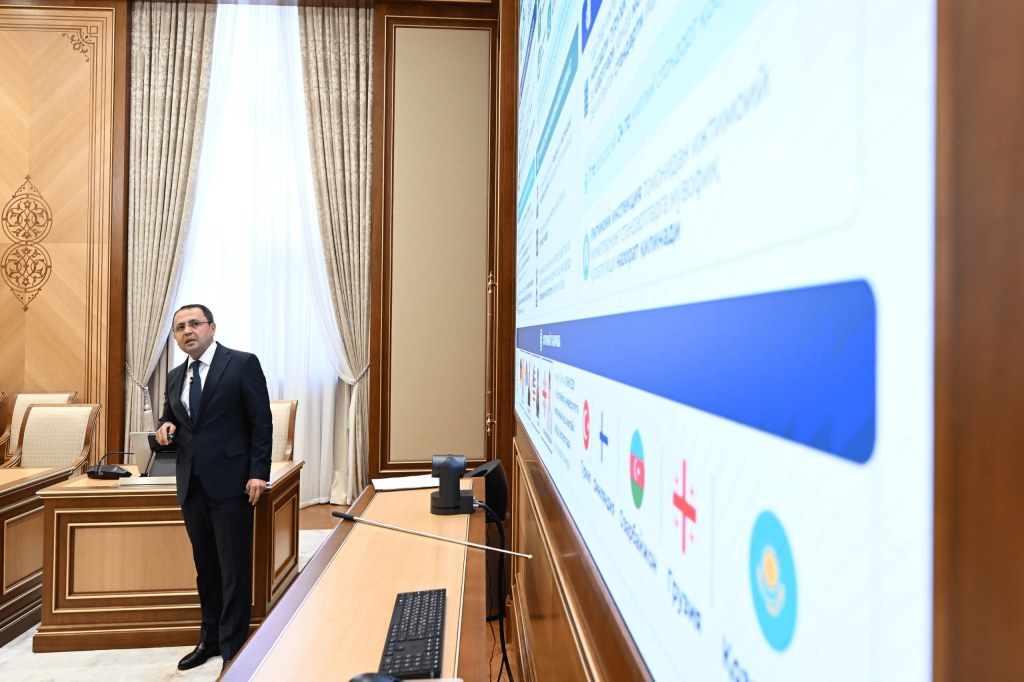
President Shavkat Mirziyoyev reviewed a presentation outlining proposals to expand access to education and social services for children with special educational needs, to support homeless individuals and victims of human trafficking, and to digitalize preferential transportation services.
In recent years, significant efforts have been made to expand access to social services, provide targeted support to citizens in need, and increase the involvement of the non-governmental sector in this field. Over the past three years, the number of social services has increased from 23 to 140. On average, 4.6 million social services are provided annually, including about 2 million at the mahalla level.
There are currently more than 168,000 children with disabilities in the country. Of these, 133,800 receive educational and social services, while 34,600 have yet to be integrated into the education system.
To achieve this, a system of individualized support for each family will be introduced, with social workers participating. The needs of every child will be comprehensively assessed at an early stage, after which an appropriate educational environment and the necessary services will be identified. The new assessment mechanism will be piloted beginning October 1, 2026, in Khorezm and Navoi regions.
Starting from the 2026/2027 academic year, education in special schools will be organized on the basis of individual plans developed in accordance with each child’s needs, functional capabilities, and level of curriculum mastery. Personal assistants and aides will be provided for visually impaired teachers and for junior classes in special schools.
Non-governmental schools that offer correctional classes for children with disabilities near their place of residence will receive per-student subsidies. Each year, grant funding will be provided to at least 50 schools for initiatives aimed at improving the inclusive environment.
Beginning in 2027, children will receive text-reading devices, speech synthesizers, Braille displays, and other assistive technologies through a voucher system. Starting from the 2027/2028 academic year, persons with disabilities will receive additional time, Braille materials, sign language interpreter services, assistant support, and other necessary accommodations during entrance and certification examinations.
New approaches have also been developed to improve the system for providing social services to homeless individuals. There are currently 11 rehabilitation centers across the country, with a total capacity of 726 places. In the first half of 2026, 1,100 people were accommodated in these centers.
The existing rehabilitation centers will be transformed into temporary accommodation and social reintegration centers. Homeless individuals will be able to stay at these centers at their own request, based on an assessment by the “mahalla of seven”, or with the assistance of a social worker or prevention inspector. An individual plan will be developed for each person, covering document restoration, medical and social services, vocational training, and employment.
The centers will establish employment assistance units, and vacant premises will be leased to entrepreneurs on preferential terms. Homeless individuals will receive vouchers for vocational training, be included among socially vulnerable groups, and have jobs reserved for them. Through the placement of state social orders with non-governmental organizations, the availability of temporary shelter, hot meals, and clothing will be expanded.
Measures to strengthen mechanisms for identifying and rehabilitating victims of human trafficking were also discussed.
Starting September 1, 2026, a system for assessing the circumstances of victims of human trafficking will be introduced through “Inson” centers at the mahalla and district levels, followed by referral to the appropriate services.
The Republican Center for the Rehabilitation and Adaptation of Women and its territorial centers will be renamed the Republican Center for the Rehabilitation of Women and Children and its territorial centers. In the territorial centers of the Republic of Karakalpakstan and Kashkadarya, Samarkand, and Fergana regions, a system for admitting women affected by human trafficking and their minor children will be established, along with the provision of necessary services. 40 additional places will be created.
It was also proposed to establish separate criminal liability for child trafficking, restrict persons convicted of human trafficking offenses from engaging in activities in the labor and external migration sectors, and introduce regular monitoring of the services provided.
The procedure for accessing preferential transport services will also be simplified for persons with disabilities, participants in the 1941-1945 war, persons equated to them, and participants in the cleanup of the Chernobyl nuclear power plant accident. Currently, more than 48.4 thousand citizens are entitled to these benefits. In 2025, they used these transport services 1.7 million times.
Under the new procedure, citizens in 11 categories will be entitled to free travel or a 50 percent discount on air, rail, and intercity transport. Paper coupons will be abolished. To purchase a ticket, it will be sufficient to present an ID card or a biometric passport. Eligibility for the benefit will be verified through the Unified National Social Protection information system.
Starting January 1, 2027, it will be possible to purchase subsidized air, rail, and intercity bus tickets online via the Baraka social card mobile application.
The Head of State approved the submitted proposals and gave instructions to thoroughly develop the relevant documents, effectively introduce the new services at the local level, and strictly control the implementation of the planned measures.
UzA