Ongoing work and priority tasks in housing construction and urbanization discussed
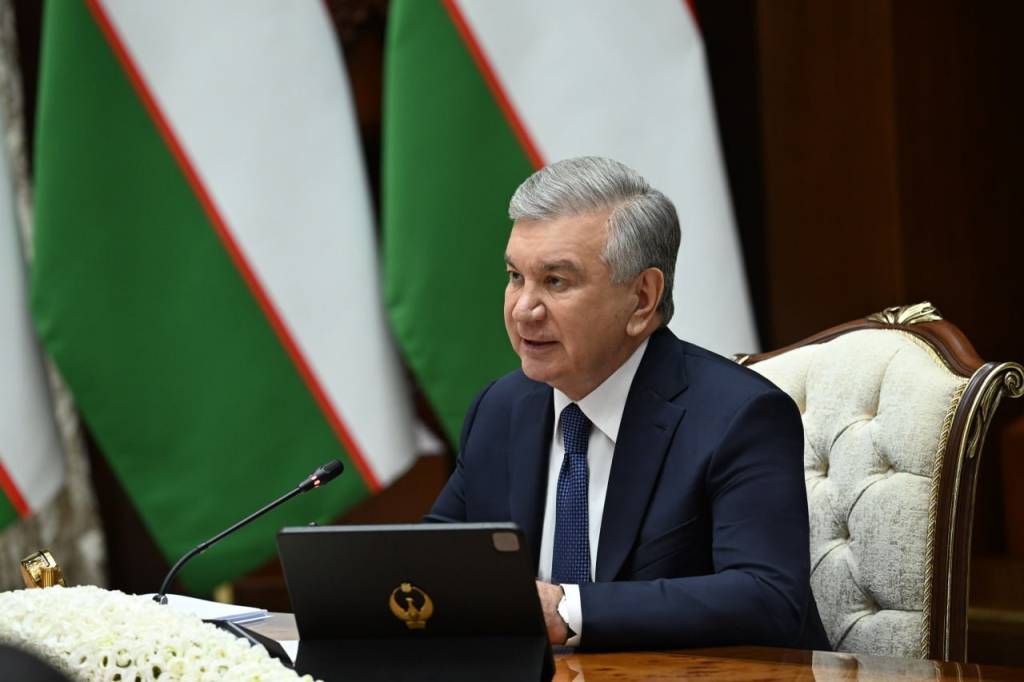
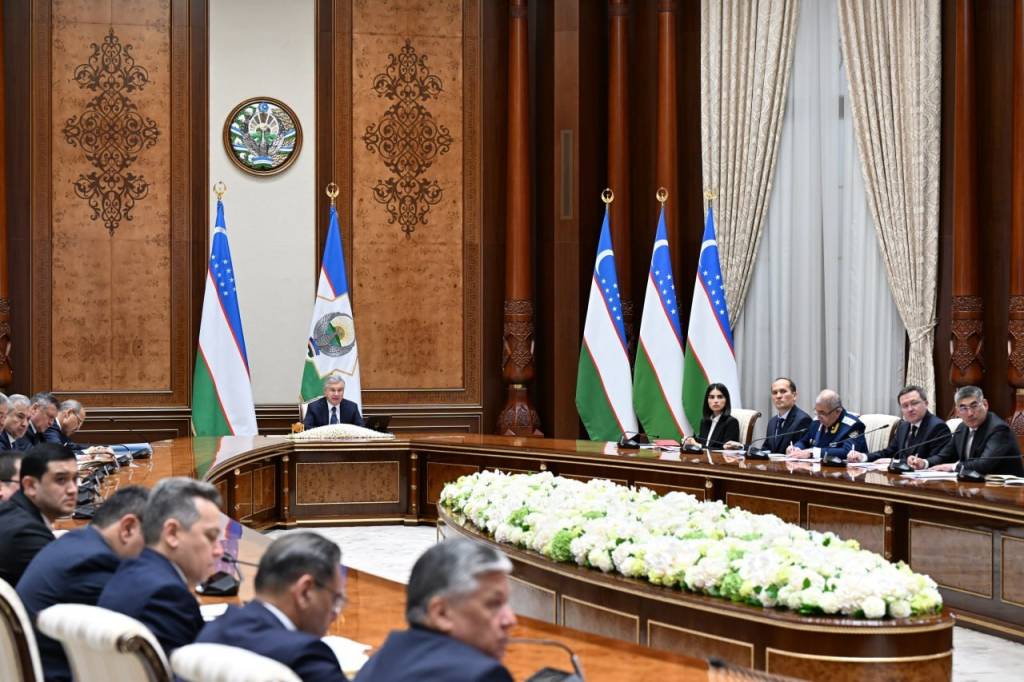
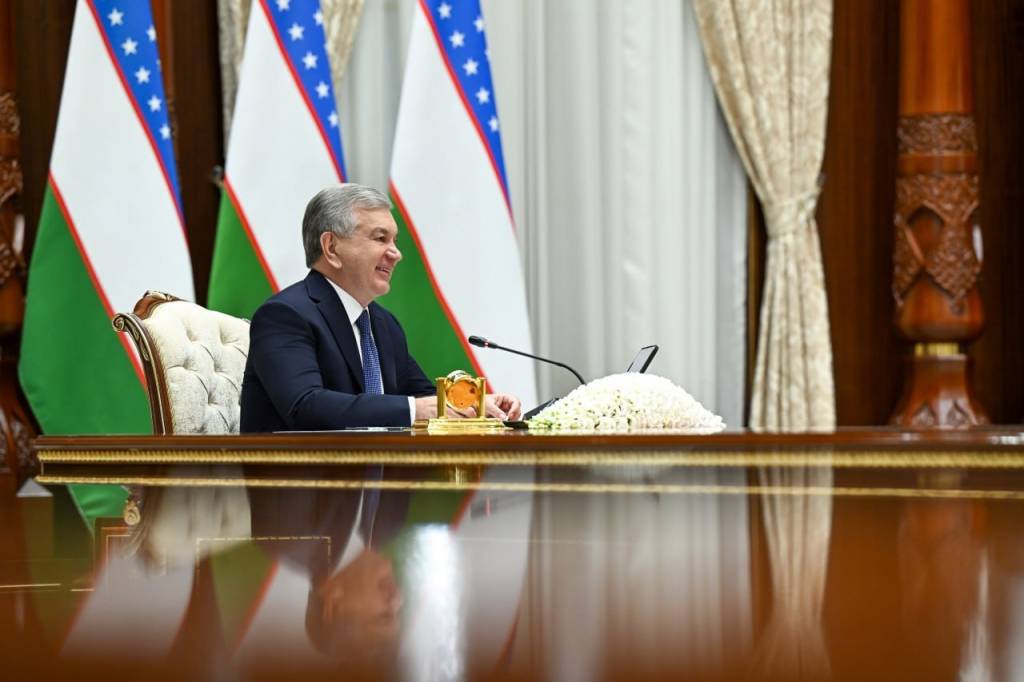
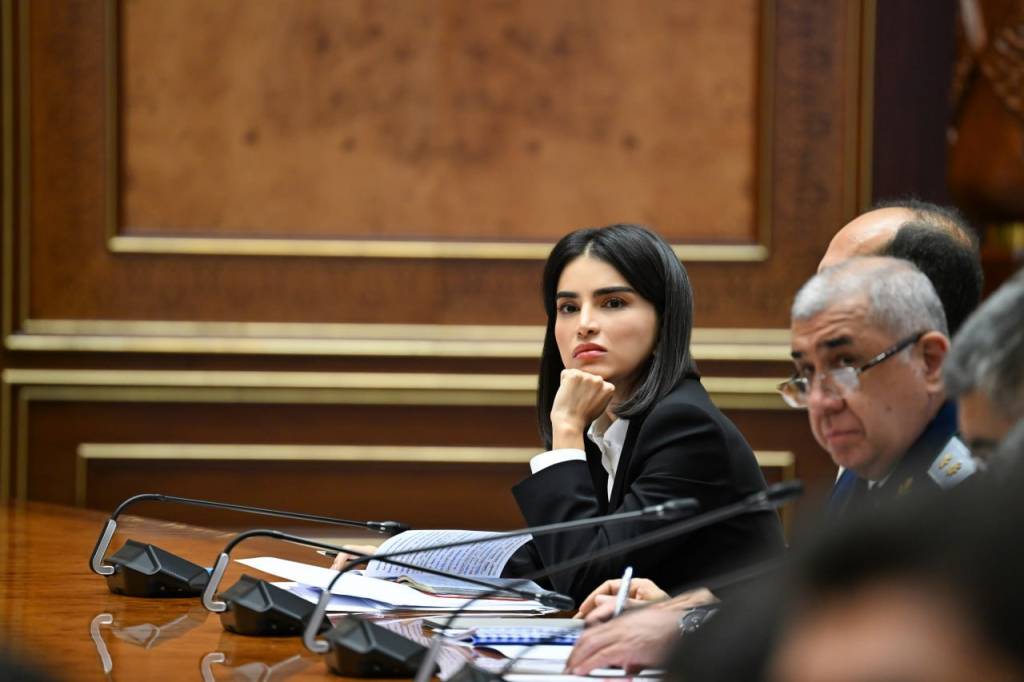
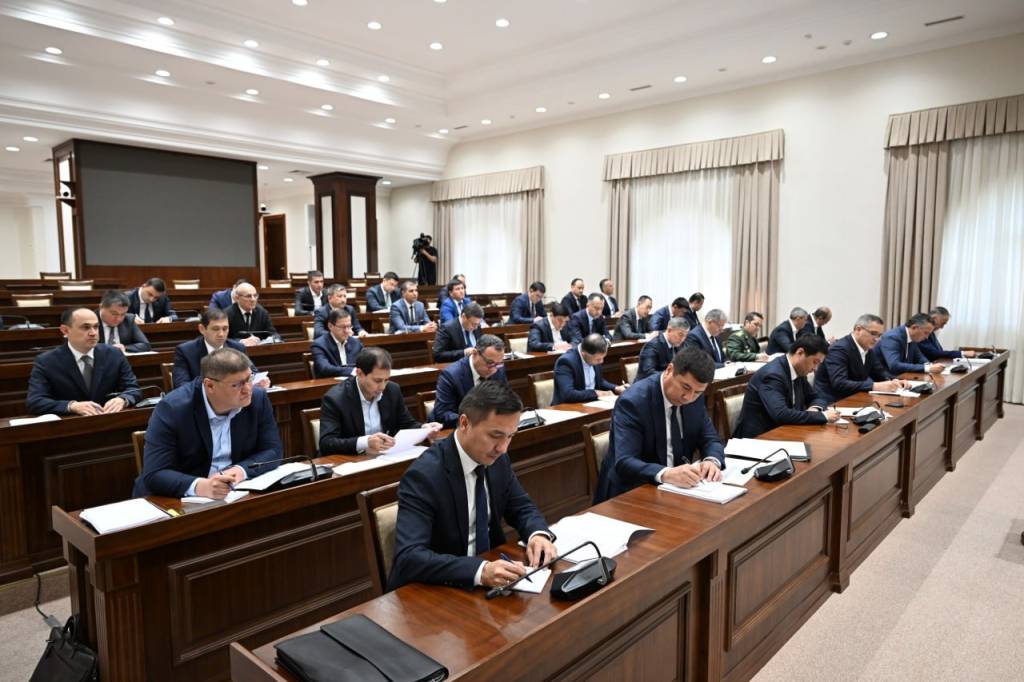
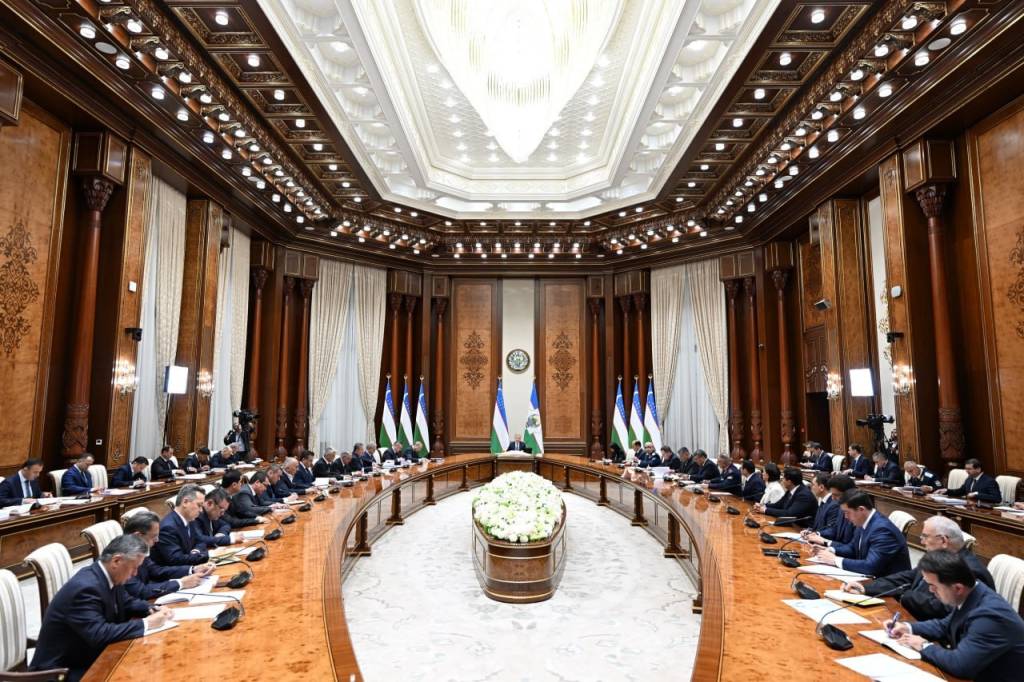
On April 14, President Shavkat Mirziyoyev chaired a meeting to review ongoing work, existing challenges, and priority tasks in housing construction and urbanization.
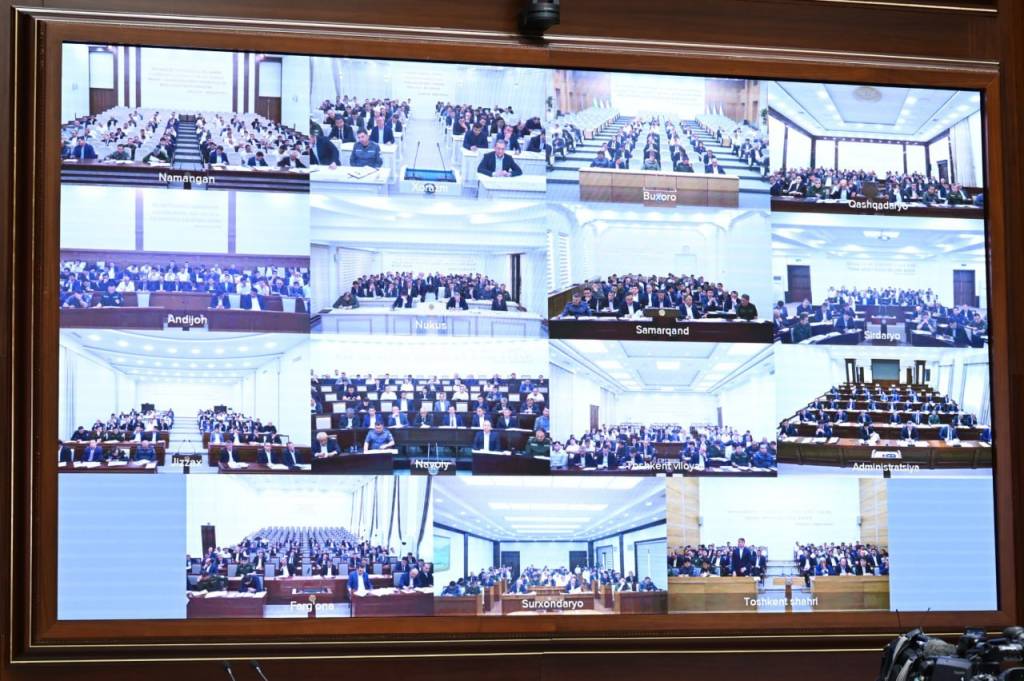
More than 500 entrepreneurs, builders, designers, architects, and urban planners from local studios participated in the event via videoconference.
The Head of State emphasized that the construction sector plays a special role in achieving ambitious goals to ensure high economic growth across all sectors and regions. According to studies, every dollar invested in construction can generate an additional $2-3 in economic activity, while one job created in this sector can lead to up to 5 new jobs in other industries.
Over the past nine years, nearly 10,000 new construction enterprises have begun operations in the country. A total of 20 large companies with turnover exceeding 1 trillion UZS and 365 companies with turnover exceeding 100 billion UZS have been established. The number of design organizations has surpassed 2,000, more than 650 of which have obtained international certificates.
During this period, the number of stages for issuing permits in the construction sector has been reduced by threefold, while the timeframes have been shortened by fourfold. A total of 420 urban planning norms and regulations have been unified, with outdated ones abolished and 140 new ones approved.
Over the past years, 210 million square meters of buildings and structures have been constructed, including more than 15,000 multi-story residential buildings with 647,000 apartments. The volume of construction work increased from 30 trillion UZS in 2016 to 314 trillion UZS last year. Today, 3.5 million people are employed in construction, building materials production, and related sectors.
As noted, every year, 6,500 hectares of land and 600,000 square meters of buildings and structures are put up for auction for entrepreneurial activities, and 140 trillion UZS in resources are allocated to small and medium-sized businesses. However, despite progress in addressing issues related to land access and financing, entrepreneurs still face various obstacles at the initial stage of construction, often causing delays of months or even years.
Particular attention was paid to urbanization at the meeting. Currently, Uzbekistan’s population exceeds 38 million, the level of urbanization has reached 51 percent, and nearly 20 million people live in cities. The Head of State noted that each 1 percent increase in the level of urbanization generates at least 1 percent additional economic growth, with corresponding increases in investment flows, business and startup activity, and labor productivity. It was therefore emphasized that a unified approach to the sustainable development of urbanization in the country is necessary.
As noted, 200-250 billion UZS are allocated annually from the budget to develop master plans. These funds should primarily be directed to areas where master plans are absent or outdated. Today, many entrepreneurs are willing to implement large-scale projects in small towns and settlements, but a lack of urban planning documentation hinders their efforts.
Regional hokims and the National Committee for Urbanization have been instructed to, using budget funds, complete the development of master plans for 6 cities, 44 settlements, and 104 villages this year, and to begin developing urban planning documentation for another 50 localities in cooperation with proactive entrepreneurs.
At the meeting, it was noted that in 2025, 14 percent of the 112,000 land privatization applications were rejected for lack of a master plan, resulting in the loss of the opportunity to convert 4,000 hectares of land into assets and generate budget revenues of 550 billion UZS. In this regard, a task was set to transition to a system that will process land privatization applications online within 5-10 minutes, without human involvement, within three months.
At the same time, it was emphasized that limiting efforts solely to the approval of master plans is insufficient. Criticism was voiced that the plans do not clearly specify when, in what sequence, and from which sources the construction of water supply, sewage, heating, gas, electricity networks, and roads will be carried out. It was noted that for the implementation of each approved master plan, comprehensive annual programs must be developed and communicated to the public, entrepreneurs, and responsible authorities.
In this regard, the hokim of each region has been instructed to develop, within two months, comprehensive programs to implement approved master plans for regional and district centers. It was emphasized that it is necessary to clearly determine which parts of the planned measures will be financed from the republican and local budgets and which will be covered by funds from international financial institutions.
Serious shortcomings in the use of land and facilities for economic activity were also noted. Of the 11,500 hectares of land sold at auction over the past four years, construction has not begun on 3,000 hectares. It was also noted that 582 hectares of land plots and 122 state-owned facilities put up for auction remained unsold over the course of a year.
It was noted that the role of hokims is insufficiently evident in both the formation of the privatization program and the sale of assets, and that entrepreneurs’ opinions are not being studied. It was emphasized that in the sale of any asset, priority should be given to attracting investment to the region and creating new jobs in mahallas.
In this regard, it was decided that hokims will be responsible, on an equal basis with the State Assets Management Agency, for including facilities in the privatization program, selling them, and ensuring the effectiveness of investments. In addition, the practice of charging 14 percent on the outstanding balance for assets sold on an installment basis will be abolished.
The issue of simplifying permit issuance procedures in the construction sector was also discussed at the meeting. It was noted that last year, more than one-third of over 2.6 million construction-related applications were rejected, and in many cases, this was due to corruption and bureaucratic barriers. The Head of State emphasized that the most effective way to address such issues is through digitalization and the broad introduction of artificial intelligence.
Under the current system, citizens and entrepreneurs spend months submitting separate applications to obtain a design permit and to develop architectural and urban planning specifications. In Tashkent, a practice has been introduced to provide these two services in a single stage, resulting in a three- to fourfold reduction in the time required for document approval. It has been instructed that this practice be implemented in all regions starting July 1.
Citizens are also required to apply to each agency separately to obtain technical conditions for connection to utility networks. Starting July 1, it will be possible to obtain technical conditions for electricity, gas, water supply, and sewerage networks through a single application and a single payment.
Another cause of delays was identified as a lack of interaction and coordination among the 26 agencies that comprise local urban planning councils. In this regard, it was decided that these councils will henceforth be headed by the hokims of the city of Tashkent and the regions, and a system will be introduced to ensure final decisions on issues faced by entrepreneurs.
Responsible officials have been instructed to conduct, within three months, a comprehensive analysis of all stages – from obtaining a construction permit to commissioning a facility – and to submit a draft resolution aimed at reducing requirements, timeframes, and fees by at least half.
Issues related to construction quality and supervision were also critically reviewed. Last year, 42,000 deficiencies were identified at construction sites by controllers from design organizations and clients, while the construction inspection recorded more than 250,000 violations. It was noted that one reason for this is the low level of interest among designers and clients in carrying out author and technical supervision.
In this regard, starting June 1 of the current year, the activities of public clients will be fully assessed based on KPIs, and employees’ salaries will be increased threefold. Payment for the development of project documentation will be set at up to 5 percent of the project cost, while author supervision will be paid under a separate contract. At the same time, in the event of serious violations at sites for which technical or author supervision services are responsible, strict measures will be applied not only to the contractor but also to the controllers, and the designer’s rating in the “Shaffof Qurilish” system will be reduced.
Infrastructure projects implemented with the participation of international financial institutions were also discussed at the meeting. Currently, projects worth over $20 billion are underway in this sector. It was noted that responsible officials and clients represented by ministries and agencies are not sufficiently promoting the capabilities of domestic construction companies in negotiations with international financial institutions, do not take their interests into account when determining contract terms, and do not conduct systematic work to explain the conditions for participation in international tenders.
It was emphasized that providing housing for the population must remain a constant priority. In recent years, 4.1 trillion UZS has been allocated to the infrastructure of 56 “New Uzbekistan” residential areas, and an additional 1.4 trillion UZS is planned for these purposes this year.
It was noted that this year, responsible officials and hokims are required to complete the commissioning of 34,000 apartments in the “New Uzbekistan” residential areas. It was established that the expansion of residential areas with ongoing construction will be permitted only after at least 85 percent of the apartments in a given area have been handed over to their owners.
It was also noted that, overall, 140,000 residential apartments must be commissioned in the regions this year. Particular attention should be paid to renovation.
Attention was also given at the meeting to training personnel for the sector and to developing a creative environment. It was decided to establish the first creative park for architects, designers, and urban planning specialists in Tashkent, with plans to create similar parks in the regions subsequently. In addition, starting with the next academic year, a self-financing higher educational institution is planned to be launched to train specialists in the fields of urbanization, cadastre, and geodesy. A technical college for training mid-level specialists will also be established within its structure.
At the conclusion, the President of the country heard reports from sector and regional leaders, as well as proposals and initiatives from construction industry entrepreneurs.
UzA