Measures outlined to improve the labor migration system
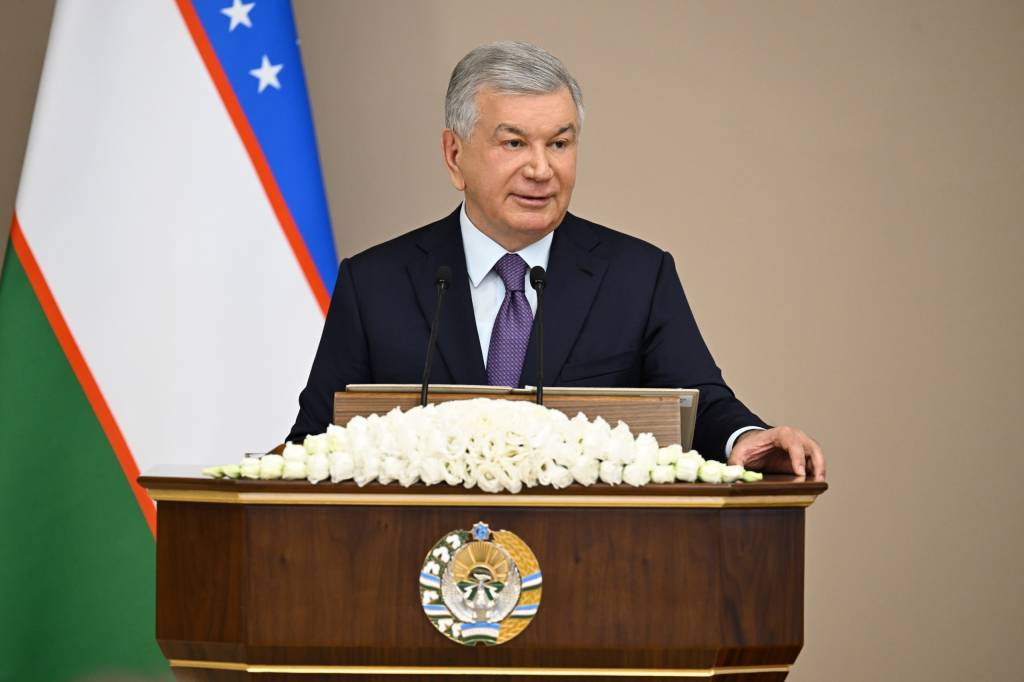
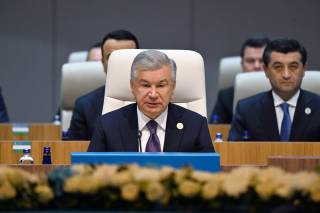
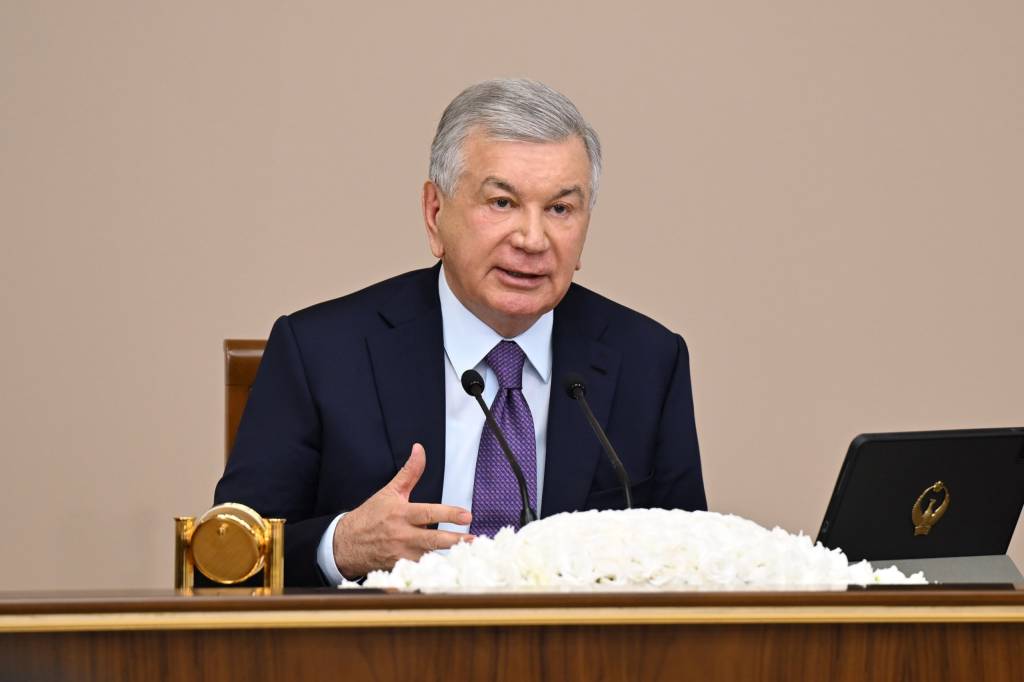
President Shavkat Mirziyoyev chaired a meeting on labor migration and targeted language and vocational training for citizens seeking employment abroad.
The demands of the global labor market are constantly changing. Today, 168 million people are labor migrants worldwide. On the one hand, Uzbekistan has citizens seeking employment abroad; on the other, many countries face growing demand for qualified workers. The Head of State emphasized the need to match citizens seeking employment abroad with demand for qualified workers in other countries and provide targeted training for specific vacancies.
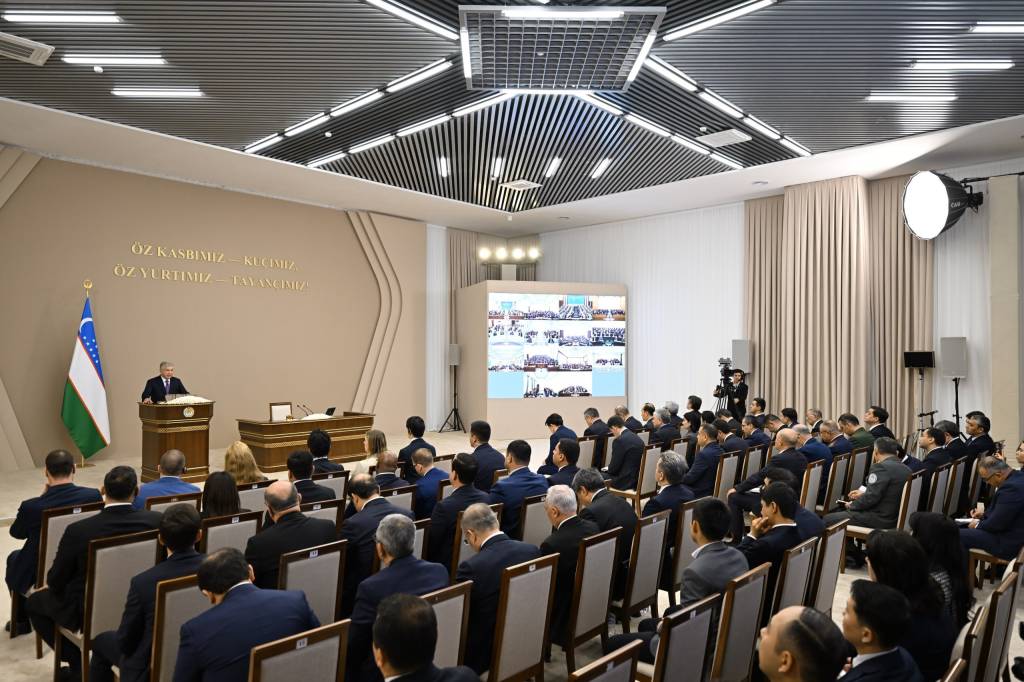
In recent years, cooperation on organized labor migration has expanded. While Uzbekistan previously worked with three countries in this area, today that number has reached 27. The number of major foreign employers cooperating with Uzbekistan has increased by nearly 400. Although the number of Uzbekistan citizens working abroad has halved over the past decade, the amount of money they send home to their families has quadrupled. This again underscores the importance of helping citizens secure well-paid jobs that require higher qualifications.
At the same time, significant disparities remain among the regions. For example, in Fergana region, the average monthly amount of remittances per person working abroad is $1,850, while in some regions it does not even reach $400. Hokims, ambassadors, and heads of technical schools were instructed to revise their approach to preparing citizens for well-paid jobs.
There are positive examples of cooperation between employers and technical schools in Germany, Türkiye, Slovakia, and Qatar. The President noted that ambassadors in other countries should also turn local labor market opportunities into specific vacancies and training programs.
For the first time, the European Union has included recruiting specialists from Central Asia in its migration strategy. The United Kingdom also needs 33,000 workers. However, Uzbekistan citizens currently travel there mainly for seasonal agricultural work. Officials were instructed to reach concrete agreements with employers in healthcare, logistics, and industry, make use of existing opportunities for cooperation with Italy, and work toward Uzbekistan’s participation in the Youth Mobility program.
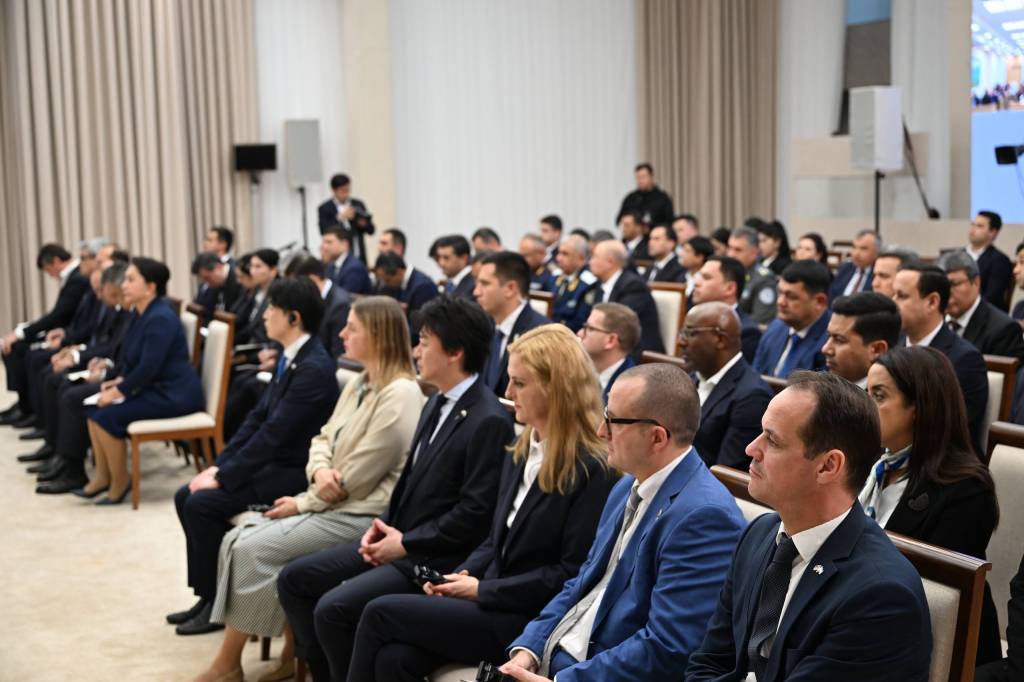
The President emphasized that foreign language proficiency is a key requirement for securing well-paid jobs. Uzbekistan has 200,000 young people who are proficient in English and hold relevant certificates. Opportunities for their employment in the United States, Canada, Australia, New Zealand, and other countries should be expanded.
This year alone, Germany has requested 45,000 specialists, but only 2,000 Uzbekistan citizens have secured employment there. One of the reasons is the shortage of specialists who are fluent in German. In this regard, the President emphasized the importance of combining vocational and language training and incorporating the requirements of foreign employers into technical school curricula.
Two to three technical schools in each region will introduce German language courses alongside vocational training. Training for 100 German language teachers has already begun at the Intil International Training Center with the participation of Telc. Next year, they will begin working at technical schools across the regions. Another 500 native German speakers are expected to be recruited to teach at schools and technical schools, while the state quota for training German language teachers at universities will be doubled.
First deputy regional hokims will study the experience of the Intil Center, and a unified labor migration center will be established in each region next year. For these purposes, 8 billion UZS will be allocated to each region. Officials were tasked with providing 10,000 people with vocational and German language training next year and subsequently securing their employment in Germany.
Major foreign companies are showing interest in using Uzbekistan’s technical schools to train the specialists they need. In this regard, plans include selecting 20 technical schools within a month and adapting their curricula to the requirements of foreign employers. There are also plans to transfer the management of two to three technical schools in each region to major entrepreneurs. These institutions will train at least 30,000 specialists with the required professional skills each year.
Such technical schools will be transferred to private management for 15 years, and their graduates will receive state-recognized qualification certificates. It is envisaged that expenses for personnel training and equipping technical schools will be deducted from the taxable base, while grants will be provided to graduates who successfully secure employment abroad.
The meeting also addressed the activities of private employment agencies. Since licensing procedures were simplified, the number of such agencies has tripled in two years, while the number of citizens employed abroad through these agencies has increased fivefold.
Starting next year, the functions of sending citizens abroad for employment will be transferred to reliable private employment agencies. Agencies will receive an incentive payment of 1.5 million UZS for each citizen they place in a well-paid job. Plans include introducing a public rating of agencies based primarily on employment outcomes, protection of citizens’ rights, and the provision of social guarantees.
This year alone, there are opportunities to employ 287,000 people in 34 countries, but citizens have not been adequately informed about them.
Residents will now receive information on each overseas vacancy, qualification requirements, required language skills, and available training opportunities at the mahalla level. The “mahalla of seven” will enter information on citizens seeking employment abroad into the Online Mahalla platform. Hokims and responsible organizations will be responsible for their vocational and language training, as well as their subsequent employment. Regional hokims will review the results monthly, while district hokims will do so twice a month.
Ambassadors were instructed not to limit their work to reaching agreements with employers, but also to address quota allocation, work visa issuance, and the recognition of qualifications through economic diplomacy. Together with hokims, they will be responsible for the entire process – from securing employment for citizens to helping them adapt to new conditions.
Special attention was paid to protecting the rights of Uzbekistan citizens working abroad. Citizens in difficult situations can now submit appeals through the Online Mahalla platform. When necessary, ambassadors will personally address their concerns. Hokims were also tasked with supporting the families, parents, and children of citizens working abroad.
“Not a single compatriot working abroad should be left alone with their problems”, the Head of State emphasized.
The meeting also addressed the employment of citizens returning from labor migration. Since the beginning of the year, 1,116,000 people have returned home. Among them are specialists who have gained professional experience abroad in industry, construction, logistics, and services. The President noted that hokims and sector leaders should offer them decent jobs and make full use of their professional potential.
For this purpose, a platform will be created containing information on the place of employment, profession, and work experience of citizens returning from labor migration. Officials were instructed to find suitable jobs for 250,000 of them by the end of the year and provide the necessary support to those wishing to start a business.
The meeting also addressed recognizing work experience and pension rights accumulated while working abroad. Uzbekistan citizens currently work legally and pay pension contributions in more than 40 countries. This year, bilateral agreements in this area were signed with Kyrgyzstan, Azerbaijan, and Türkiye. Officials were instructed to reach similar agreements with other countries where large numbers of Uzbek citizens work and report on the results of the negotiations.
The meeting also discussed regulating foreign workers in Uzbekistan. The number of foreign nationals staying in the country for extended periods is approaching 250,000. Of these, 36,000 have received work permits, while another 24,000 are students. The need to clarify the employment status and sources of income of the remaining foreign nationals was noted. The President also emphasized the importance of ensuring that new jobs are provided primarily to Uzbek citizens.
During the meeting, the President spoke with entrepreneurs working in this field and heard reports from regional leaders.
UzA