Johann Saathoff: “Changes in Uzbekistan are laying a solid foundation and creating opportunities for a bright future”
Uzbekistan’s achievements since independence, along with its extensive reforms and open policy, are elevating its international standing. These efforts are creating new opportunities to strengthen stability and deepen cooperation, not only within Uzbekistan but across Central Asia.
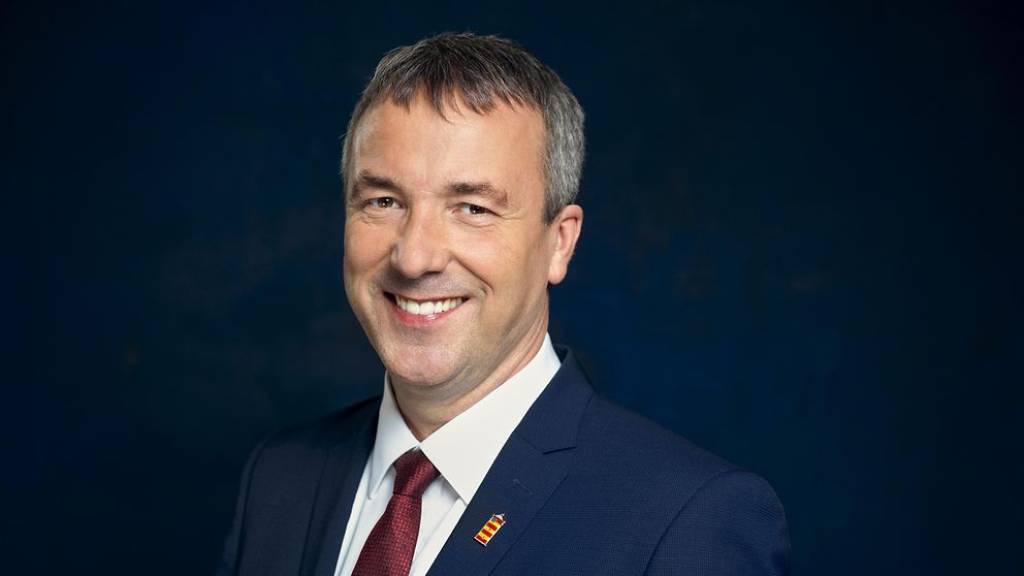
The next guest of the “Uzbekistan – Germany: 35 Years of Development and Partnership” project, prepared together with the Embassy of Uzbekistan, is Johann Saathoff, Parliamentary State Secretary at the Federal Ministry for Economic Cooperation and Development (BMZ) of Germany.
During an interview on Uzbekistan’s 35th independence anniversary, Johann Saathoff discussed recent national changes, ongoing reforms, key aspects of cooperation between Uzbekistan and Germany, and the potential for future regional collaboration in Central Asia.
– Recently, Uzbekistan has seen significant progress. Reforms in vocational training, public governance, employment, and social security have revitalized the country’s development. Naturally, the full effects of these changes will take time and depend on certain conditions. Efficient resource management, bolstering legal institutions, and economic diversification are creating new opportunities. Germany, especially through the Federal Ministry for Economic Cooperation and Development, actively supports this transformative journey as a dependable partner.
Cooperation between Germany and Uzbekistan focuses on areas that are important to both countries. For example, in resource management, BMZ contributes to developing infrastructure and technical capacity for the efficient use of water. In the context of climate change, adapting water management systems to Central Asia’s environmental requirements is particularly important.
We are also happy to support career guidance for young people in Uzbekistan. Our efforts include collaborating with the private sector to develop vocational education programs that emphasize dual and practical training. We also implement financial incentives for enterprises that train young specialists. Additionally, we help young people choose careers, identify suitable paths, and plan their professional futures.
Germany’s development support in Central Asia now primarily relies on a regional cooperation approach. Confronting today’s issues – climate change, water management, and energy – requires collaborative efforts. Regional partnerships foster connectivity among nations, enhance stability, and open avenues for sustainable economic growth. Uzbekistan’s significant initiatives in this regard are crucial for the region as a whole.
Over the last 35 years, Uzbekistan has experienced significant change. Notably, its economic opening at the regional and global levels has played a key role. Paired with extensive political reforms, this evolution serves as a model for Central Asia and stimulates regional innovation. As a result, Uzbekistan has become a vital partner for Germany and Europe. Our collaboration is rooted in mutual learning and joint efforts to tackle global issues.
If I had to sum up the country in two words, it would be: “Renewal and Development”. Recent years’ transformation has created new opportunities for Uzbekistan’s people, Central Asia, and international partners. This process naturally boosts confidence and motivates the pursuit of new horizons.
I sincerely and wholeheartedly congratulate the people of Uzbekistan on the 35th anniversary of independence. This momentous occasion is a perfect opportunity to reflect on past achievements and to look forward to the future with confidence.
I wish the country peace, stability, and success. We will continue to support Uzbekistan on its development journey.
Nasiba Ziyodullayeva, UzA