EU and UN launch a joint programme
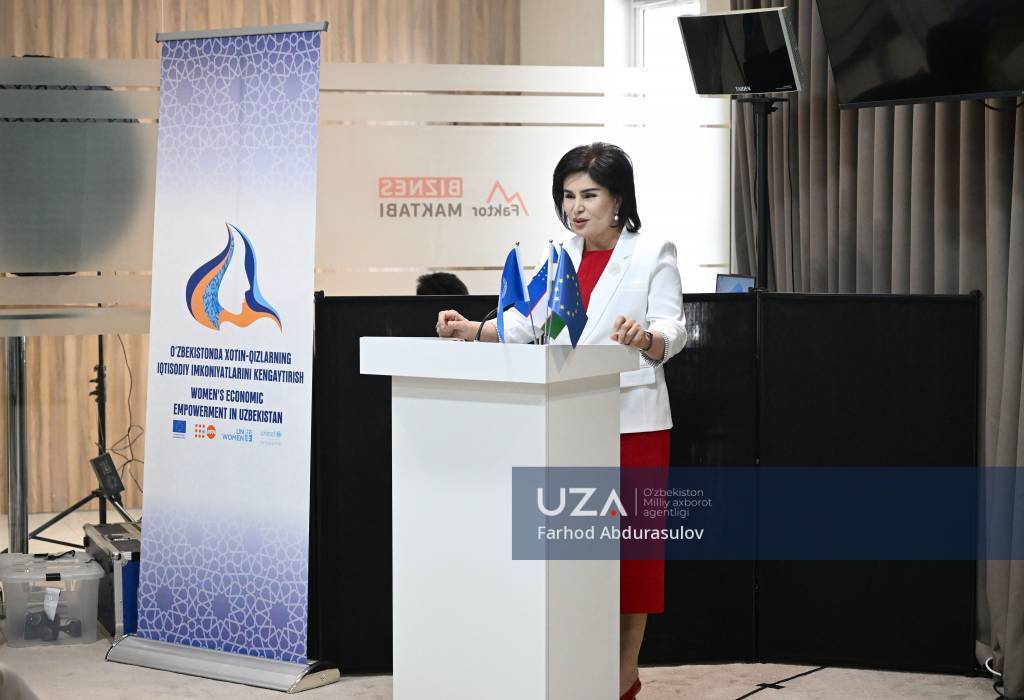
Within the framework of the partnership between the European Union and the Government of Uzbekistan, and with the participation of the United Nations Population Fund, UN Women, and UNICEF, the Women’s Economic Empowerment in Uzbekistan Joint Programme has been officially launched.
The program, designed for 2026-2028, provides for investments in human capital, support for reproductive health, and strengthening demographic sustainability. It is planned to expand women’s access to quality family planning services, education, decent employment, and business opportunities. Special attention is paid to gender equality and inclusive economic growth.
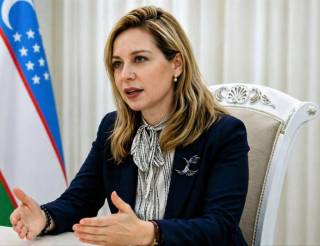
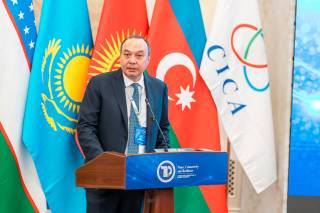
Deputy Prime Minister – Chairperson of the Committee for Family and Women, Zulaykho Mahkamova, notes that the program will help increase women’s economic activity, support families, and ensure sustainable development. European Union Ambassador to Uzbekistan Toivo Klaar stressed that economic support for women is an important condition not only for equality, but also for sustainable growth.
Representatives of the UN agencies also noted the project's significance. In particular, Nigina Abboszoda stressed the importance of women’s active participation in decision-making regarding their health, rights, and choices.
The program provides for the development of professional and digital skills, support for entrepreneurship, and increased women’s access to income through employment in the private sector.
The organizers expect specific indicators from the project: 1,000 families will receive support, 3,000 couples will receive counseling services, 700 girls, including girls with disabilities, will be able to receive additional education and find a job, 5,000 women will receive professional and digital training, and 70 private enterprises will introduce gender-sensitive management systems. In addition, 400 specialists and citizens will enhance their knowledge in gender equality and family planning. It also provides for the active involvement of 50 media representatives, 180 religious leaders, and 40 civil society representatives. As a result, about 1.5 million people will have access to reproductive health information and services.
[gallery-29018]
Dilshod Hakimov, photos by Farhod Abdurasulov, UzA