World Turkic Language Family Day proclaimed in Samarkand
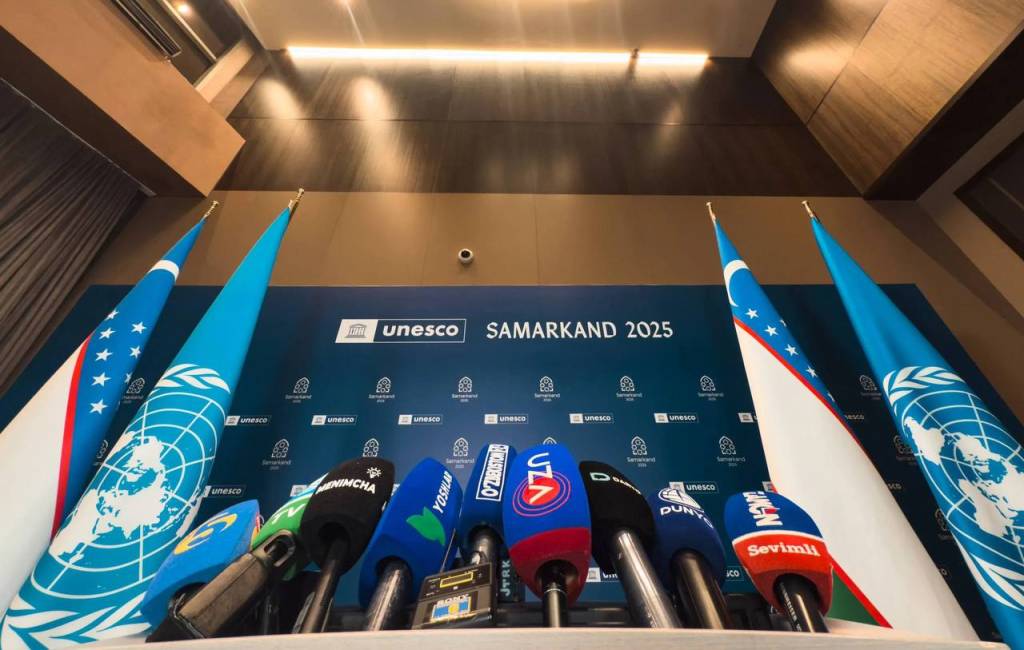
In ancient Samarkand, one of the symbols of Turkic civilization, a historic event took place: The Turkic Culture and Heritage Foundation held a ceremonial gathering at which UNESCO announced its decision to proclaim December 15 as World Turkic Language Family Day.
The decision was unanimously approved during the 43rd session of the UNESCO General Conference, held in Samarkand. The initiative was proposed by Uzbekistan, Türkiye, Azerbaijan, Kazakhstan, and Kyrgyzstan, with the support of 26 UNESCO member states.
The chosen date holds deep historical significance. On December 15, 1893, Danish scholar Vilhelm Thomsen announced the decipherment of the Orkhon inscriptions – among the oldest written monuments, confirming the centuries-old history of Turkic languages.
The adopted resolution emphasizes that Turkic languages are native to more than 200 million people living across an area of approximately 12 million square kilometers.
The proclamation of World Turkic Language Family Day aims to strengthen linguistic and cultural diversity, promote intercultural dialogue, and preserve the oral heritage of Turkic-speaking peoples.
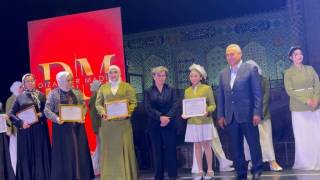
Yesterday in Samarkand, as part of the UNESCO session, the Turkic Culture and Heritage Foundation held a festive event to mark the implementation of this initiative and present cultural projects. The event was attended by the permanent representatives of the Organization of Turkic States to UNESCO, members of the diplomatic corps, scholars, cultural and art figures, as well as representatives of international media.
This decision marks an essential step in promoting Turkic languages and highlights the growing role of Turkic countries in fostering cultural diversity and mutual understanding among the peoples of the world.
Aziza Alimova, UzA