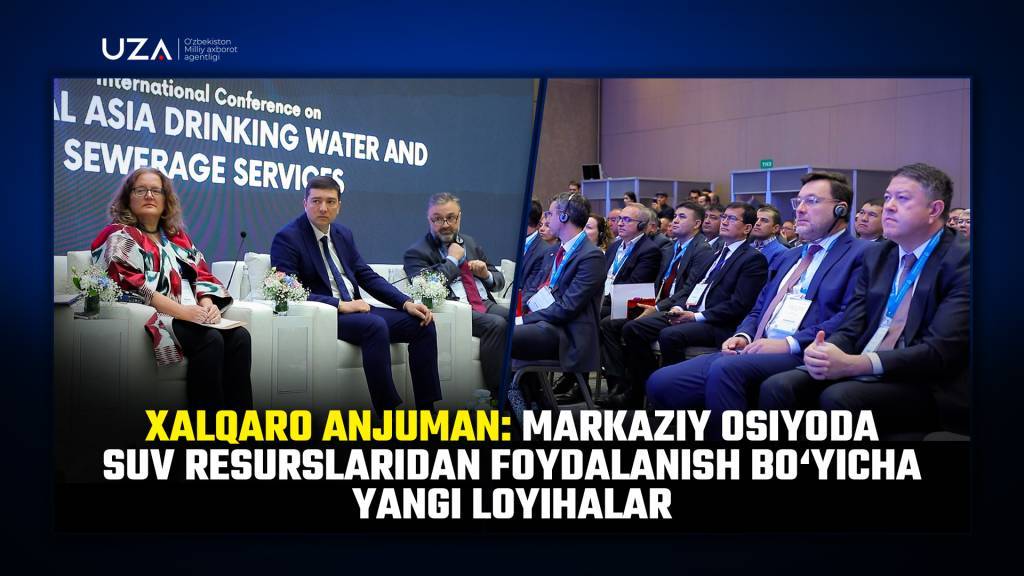
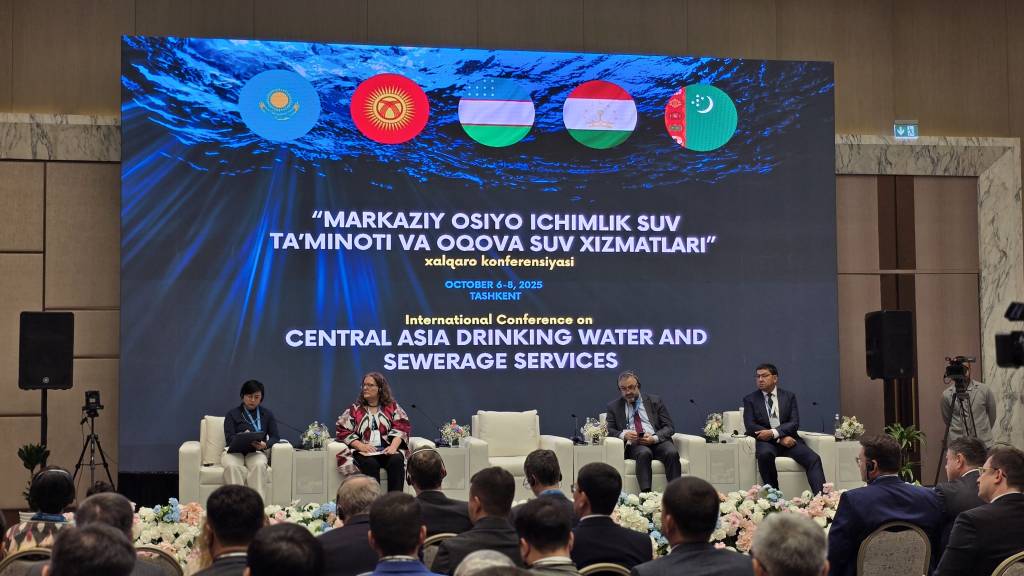
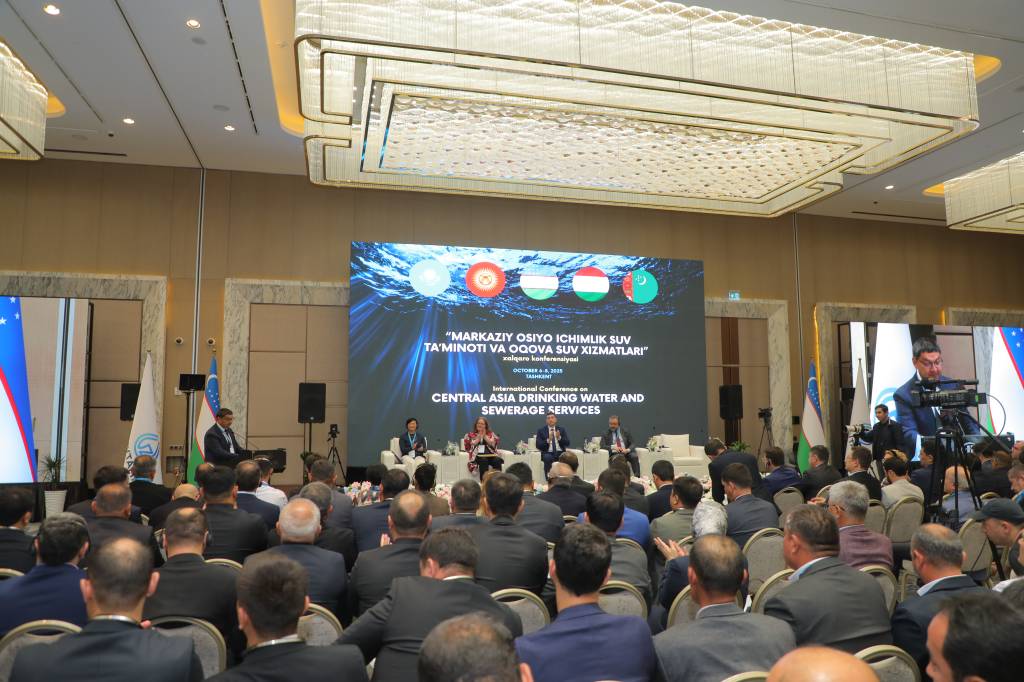
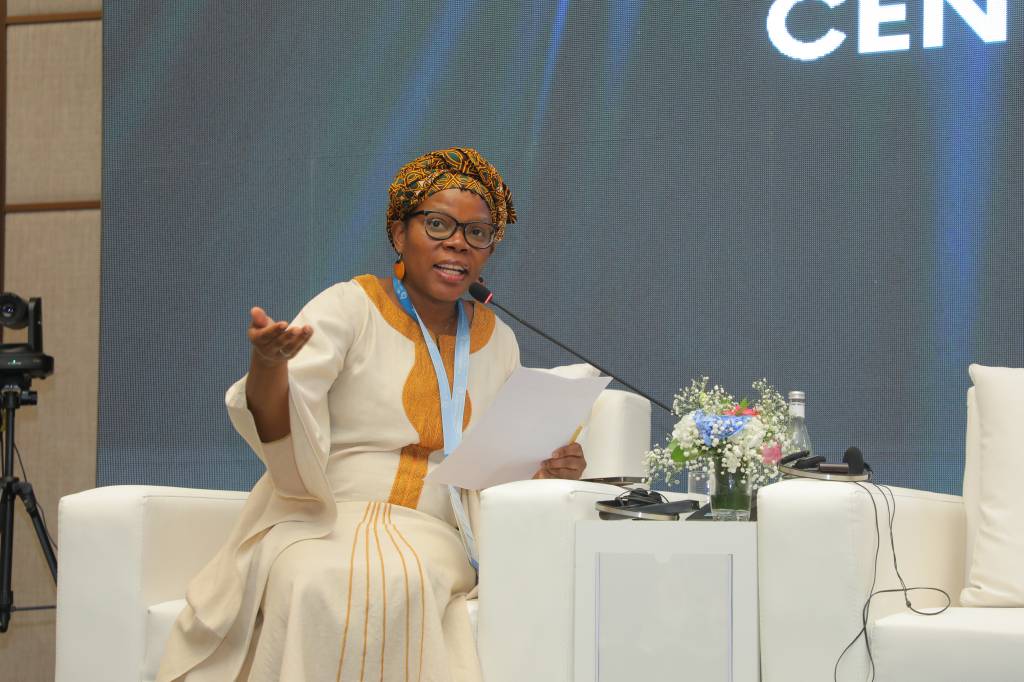
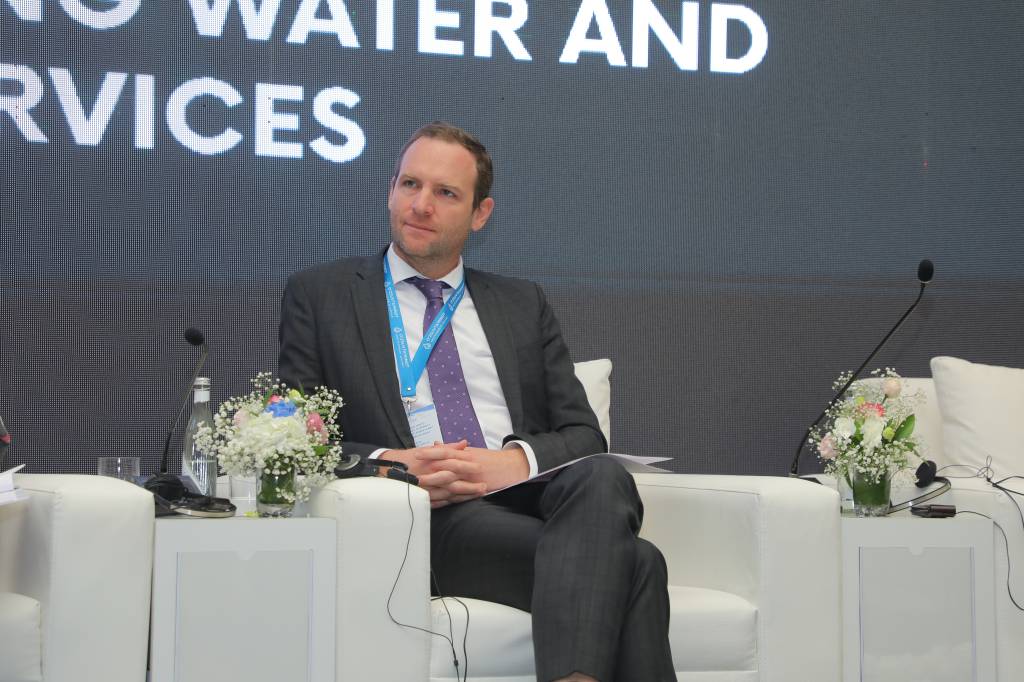
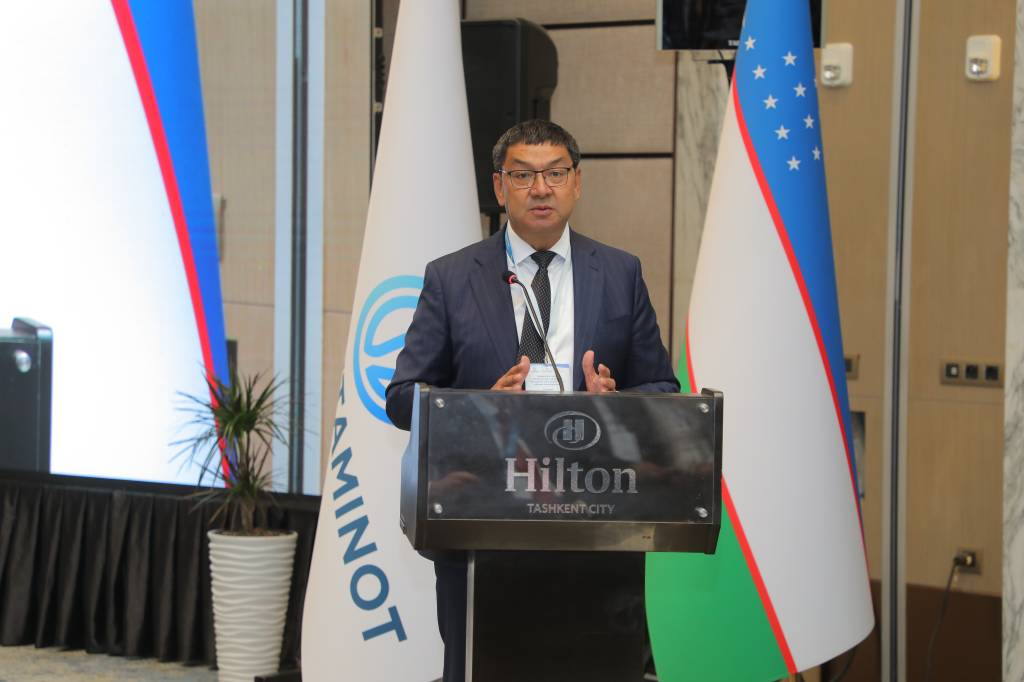
An international conference titled “Drinking water supply and sanitation services in Central Asia” is taking place in Tashkent.

The event, organized by Uzsuvtaminot JSC in cooperation with the World Bank, the Swiss State Secretariat for Economic Affairs (SECO), and South Korean partners, brings together specialists from Central Asian countries, as well as representatives of leading international organizations, financial institutions, the private sector, and civil society.

At the opening session, it was noted that 27.5 trillion UZS have been allocated to the sector over the past eight years, including 16.5 trillion UZS from the state budget and about $1 billion in investments from international financial institutions. These funds have been used to construct 3,627 facilities and lay 40.6 thousand kilometers of water supply and sewerage networks.
As a result, 7.7 million people have gained access to drinking water for the first time, and water supply services have been improved for 11.5 million residents. In addition, 1.1 million people have been connected to the sewerage system. The coverage of drinking water services has increased from 63 percent to 80.9 percent, while sewerage coverage has risen from 17.2 percent to 20.9 percent. By 2030, through the attraction of at least 40 trillion UZS in investments, these figures are expected to reach 90 percent and 35 percent, respectively.
To enhance efficiency, digital solutions are being implemented – including the integrated billing system UzWater, geographic information system (GIS) maps, SCADA remote control systems, and the Water Lab laboratory monitoring system. Since 2022, a digitalization program has been underway, under which 38 major facilities have already been digitized.

“In South Korea, technologies for water resource management using artificial intelligence and big data are being widely implemented”, said Jason Kim, Director of the K-Water Academy. “These technologies make it possible to improve the efficiency of water supply facilities, forecast risks, and allocate resources more rationally. To demonstrate the practical results of these innovations, we share our experience and participate in various international initiatives. Together with the World Bank, we are successfully implementing projects to improve water resource management systems in several countries. Uzbekistan is situated at the heart of Central Asia, which lends it strategic importance for the entire region. The projects being implemented in your country can serve as a model for neighboring states. From this perspective, expanding cooperation with Uzbekistan and broadening the portfolio of joint projects will bring significant benefits to the whole region. President Shavkat Mirziyoyev is advancing important initiatives in the field of water resource management, which contribute to environmental sustainability and economic growth”.
Together with SUEZ, a two-stage project is being implemented to improve the water supply system in Surkhandarya region. The project provides for the creation of GIS maps covering a total of 3,500 kilometers, the installation of 3,100 water meters and 15 flow-control devices, as well as the advanced training of 450 specialists. During the second stage, management of the system will be fully transferred to the private partner. The implementation of the project will enable the provision of drinking water to 90 percent of the region’s population.

“This year, 7 trillion UZS are planned to be allocated to the sector – 1.1 trillion UZS from the state budget and $454 million from international financial institutions”, said Akmal Murodov, Head of the Press Service of Uzsuvtaminot JSC. “These funds will be used to construct 23 facilities and 139 pumping stations, lay 2,140 kilometers of water supply networks, and install 225,000 meters. As a result, 712,000 people will be connected to the centralized water supply system, and 135,000 households to the sewerage network”.
Additionally, between 2025 and 2029, a $125 million project will be implemented jointly with the Asian Development Bank to enhance water resource management through climate technologies. Under this initiative, it is planned to install 4,838 ultrasonic meters, construct 80,000 kilometers of water supply networks, and establish 15 data processing centers.
Another promising $50 million project, carried out in cooperation with Envirol (UAE), envisions the installation of grease traps at public catering facilities. The collected grease will be processed and reused for the production of soap and fuel.

In short, Uzbekistan is consistently implementing reforms aimed at modernizing its water infrastructure, introducing advanced management systems and technological solutions, and expanding international cooperation. These efforts collectively contribute to enhancing the population’s quality of life and fostering a healthier environment.

Nilufar Bozorova, UzA

English
Chinese
Turkish
Tajik
Kyrgyz
Turkmen
Japanese
Arabic
English
French
Spanish
Русский
German
Ўзбек
Oʻzbek
Қазақ
Water supply reforms: New projects, digital solutions, and international cooperation

An international conference titled “Drinking water supply and sanitation services in Central Asia” is taking place in Tashkent.

The event, organized by Uzsuvtaminot JSC in cooperation with the World Bank, the Swiss State Secretariat for Economic Affairs (SECO), and South Korean partners, brings together specialists from Central Asian countries, as well as representatives of leading international organizations, financial institutions, the private sector, and civil society.

At the opening session, it was noted that 27.5 trillion UZS have been allocated to the sector over the past eight years, including 16.5 trillion UZS from the state budget and about $1 billion in investments from international financial institutions. These funds have been used to construct 3,627 facilities and lay 40.6 thousand kilometers of water supply and sewerage networks.

As a result, 7.7 million people have gained access to drinking water for the first time, and water supply services have been improved for 11.5 million residents. In addition, 1.1 million people have been connected to the sewerage system. The coverage of drinking water services has increased from 63 percent to 80.9 percent, while sewerage coverage has risen from 17.2 percent to 20.9 percent. By 2030, through the attraction of at least 40 trillion UZS in investments, these figures are expected to reach 90 percent and 35 percent, respectively.

To enhance efficiency, digital solutions are being implemented – including the integrated billing system UzWater, geographic information system (GIS) maps, SCADA remote control systems, and the Water Lab laboratory monitoring system. Since 2022, a digitalization program has been underway, under which 38 major facilities have already been digitized.

“In South Korea, technologies for water resource management using artificial intelligence and big data are being widely implemented”, said Jason Kim, Director of the K-Water Academy. “These technologies make it possible to improve the efficiency of water supply facilities, forecast risks, and allocate resources more rationally. To demonstrate the practical results of these innovations, we share our experience and participate in various international initiatives. Together with the World Bank, we are successfully implementing projects to improve water resource management systems in several countries. Uzbekistan is situated at the heart of Central Asia, which lends it strategic importance for the entire region. The projects being implemented in your country can serve as a model for neighboring states. From this perspective, expanding cooperation with Uzbekistan and broadening the portfolio of joint projects will bring significant benefits to the whole region. President Shavkat Mirziyoyev is advancing important initiatives in the field of water resource management, which contribute to environmental sustainability and economic growth”.

Together with SUEZ, a two-stage project is being implemented to improve the water supply system in Surkhandarya region. The project provides for the creation of GIS maps covering a total of 3,500 kilometers, the installation of 3,100 water meters and 15 flow-control devices, as well as the advanced training of 450 specialists. During the second stage, management of the system will be fully transferred to the private partner. The implementation of the project will enable the provision of drinking water to 90 percent of the region’s population.

“This year, 7 trillion UZS are planned to be allocated to the sector – 1.1 trillion UZS from the state budget and $454 million from international financial institutions”, said Akmal Murodov, Head of the Press Service of Uzsuvtaminot JSC. “These funds will be used to construct 23 facilities and 139 pumping stations, lay 2,140 kilometers of water supply networks, and install 225,000 meters. As a result, 712,000 people will be connected to the centralized water supply system, and 135,000 households to the sewerage network”.

Additionally, between 2025 and 2029, a $125 million project will be implemented jointly with the Asian Development Bank to enhance water resource management through climate technologies. Under this initiative, it is planned to install 4,838 ultrasonic meters, construct 80,000 kilometers of water supply networks, and establish 15 data processing centers.

Another promising $50 million project, carried out in cooperation with Envirol (UAE), envisions the installation of grease traps at public catering facilities. The collected grease will be processed and reused for the production of soap and fuel.

In short, Uzbekistan is consistently implementing reforms aimed at modernizing its water infrastructure, introducing advanced management systems and technological solutions, and expanding international cooperation. These efforts collectively contribute to enhancing the population’s quality of life and fostering a healthier environment.

Nilufar Bozorova, UzA