Amid global climate change, population growth, and the dynamic development of the economy, the water demand continues to rise, leading to an increasing annual shortage of water resources.

In recent years, Uzbekistan has been implementing systematic reforms to rationalize the use of land and water resources, improve water management systems, and modernize water infrastructure. According to the Concept for the Development of Uzbekistan’s Water Management (2020-2030) and the Uzbekistan 2030 Strategy, it is planned to introduce water-saving irrigation technologies on 2 million hectares by 2030, including drip irrigation on 600,000 hectares.

Water resource management at the local level is being enhanced, with 26 billion cubic meters of water supplied to consumers and 8 billion cubic meters saved. A total of 525 kilometers of primary and inter-farm canals and 13,500 kilometers of internal irrigation networks have been concreted. Water-saving technologies have been introduced on 326,000 hectares, 507,000 hectares have undergone laser leveling, and 350 million kWh of electricity has been saved.

At the same time, significant efforts are being made to ensure the rational use of water resources. This includes creating educational projects, such as “Suvchilar Maktabi” (School of Water Specialists), to train farmers in efficient water management. Additionally, financial support is provided through suvkredit.uz, offering five-year concessional loans for the implementation of water-saving technologies and state subsidies for installing modern irrigation systems.

To support farmers and cluster enterprises, subsidies totaling 208 billion UZS were allocated last year to implement drip and discrete irrigation on 22,000 hectares of cotton fields. Furthermore, tax incentives for water-saving technologies have proven to be highly effective.

A comprehensive approach to water conservation not only reduces the strain on water resources but also enhances their efficiency, ensuring the sustainable development of agriculture, industry, and urban infrastructure amid growing water scarcity.

A logical continuation of this policy is the objectives outlined in the State Program for implementing the Uzbekistan 2030 Strategy within the framework of the Year of Environmental Protection and Green Economy. Special attention in this program is given to the rational and efficient use of water resources. The key goals in this area include:

– Increasing greenery coverage through the efficient use of rainwater and wastewater, as well as introducing tree irrigation systems in mahallas using modern water-saving technologies;

– Achieving an additional annual savings of 2.5 billion cubic meters of water by converting 1,000 kilometers of canals to the concrete lining and expanding the coverage of water-saving technologies to 1.6 million hectares.

– Reducing electricity consumption by pumping stations to 300 million kWh through the replacement of outdated pumps and electric motors with modern energy-efficient ones, as well as improving water resource monitoring systems at pumping stations;

– Enhancing water supply for 390,000 hectares of agricultural land through the construction and reconstruction of irrigation and reclamation infrastructure;

– Implementing a mandatory requirement for using wastewater, rainwater, and technical water for irrigation in designing, constructing, and commissioning multi-story residential buildings;

– Implementing a unified online water accounting system for main canals and key water facilities to ensure comprehensive tracking and reporting of water resource usage;

– Constructing and reconstructing 1,800 kilometers of drinking water supply and sewage networks, as well as 77 drinking water and sewage facilities;

– Replacing 746 outdated pumping units in the drinking water supply system with energy-efficient models, installing solar panels with a capacity of 65.2 megawatts in various regions, and deploying 955 modern water metering devices at water facilities and main water supply networks.

– Monitor water quality and establish data management centers for all water supply enterprises.

Additionally, as part of these reforms, modern digital technologies are being introduced to enhance the transparency of water resource distribution. Work is underway to develop automated water resource management systems, analyze water consumption, and forecast future changes.

Implementing these measures will bring tangible improvements in water conservation, energy efficiency, and environmental protection. Specifically, they will contribute to saving and efficiently utilizing water resources, reducing water losses, increasing agricultural yields through even and controlled farmland irrigation, enhancing transparency in water resource distribution, improving water supply infrastructure, and enhancing water resource management quality.

Thus, Uzbekistan is demonstrating a comprehensive and innovative approach to tackling water scarcity, ensuring the country’s sustainable development and environmental security.

Avazbek Khalbekov,

Expert at the Development Strategy Center

UzA

English
Chinese
Turkish
Tajik
Kyrgyz
Turkmen
Japanese
Arabic
English
French
Spanish
Русский
German
Ўзбек
Oʻzbek
Қазақ
Water Conservation in Uzbekistan: Strategies, Achievements, and Prospects
Amid global climate change, population growth, and the dynamic development of the economy, the water demand continues to rise, leading to an increasing annual shortage of water resources.

In recent years, Uzbekistan has been implementing systematic reforms to rationalize the use of land and water resources, improve water management systems, and modernize water infrastructure. According to the Concept for the Development of Uzbekistan’s Water Management (2020-2030) and the Uzbekistan 2030 Strategy, it is planned to introduce water-saving irrigation technologies on 2 million hectares by 2030, including drip irrigation on 600,000 hectares.

Water resource management at the local level is being enhanced, with 26 billion cubic meters of water supplied to consumers and 8 billion cubic meters saved. A total of 525 kilometers of primary and inter-farm canals and 13,500 kilometers of internal irrigation networks have been concreted. Water-saving technologies have been introduced on 326,000 hectares, 507,000 hectares have undergone laser leveling, and 350 million kWh of electricity has been saved.

At the same time, significant efforts are being made to ensure the rational use of water resources. This includes creating educational projects, such as “Suvchilar Maktabi” (School of Water Specialists), to train farmers in efficient water management. Additionally, financial support is provided through suvkredit.uz, offering five-year concessional loans for the implementation of water-saving technologies and state subsidies for installing modern irrigation systems.

To support farmers and cluster enterprises, subsidies totaling 208 billion UZS were allocated last year to implement drip and discrete irrigation on 22,000 hectares of cotton fields. Furthermore, tax incentives for water-saving technologies have proven to be highly effective.

A comprehensive approach to water conservation not only reduces the strain on water resources but also enhances their efficiency, ensuring the sustainable development of agriculture, industry, and urban infrastructure amid growing water scarcity.

A logical continuation of this policy is the objectives outlined in the State Program for implementing the Uzbekistan 2030 Strategy within the framework of the Year of Environmental Protection and Green Economy. Special attention in this program is given to the rational and efficient use of water resources. The key goals in this area include:

– Increasing greenery coverage through the efficient use of rainwater and wastewater, as well as introducing tree irrigation systems in mahallas using modern water-saving technologies;

– Achieving an additional annual savings of 2.5 billion cubic meters of water by converting 1,000 kilometers of canals to the concrete lining and expanding the coverage of water-saving technologies to 1.6 million hectares.

– Reducing electricity consumption by pumping stations to 300 million kWh through the replacement of outdated pumps and electric motors with modern energy-efficient ones, as well as improving water resource monitoring systems at pumping stations;

– Enhancing water supply for 390,000 hectares of agricultural land through the construction and reconstruction of irrigation and reclamation infrastructure;

– Implementing a mandatory requirement for using wastewater, rainwater, and technical water for irrigation in designing, constructing, and commissioning multi-story residential buildings;

– Implementing a unified online water accounting system for main canals and key water facilities to ensure comprehensive tracking and reporting of water resource usage;

– Constructing and reconstructing 1,800 kilometers of drinking water supply and sewage networks, as well as 77 drinking water and sewage facilities;

– Replacing 746 outdated pumping units in the drinking water supply system with energy-efficient models, installing solar panels with a capacity of 65.2 megawatts in various regions, and deploying 955 modern water metering devices at water facilities and main water supply networks.

– Monitor water quality and establish data management centers for all water supply enterprises.

Additionally, as part of these reforms, modern digital technologies are being introduced to enhance the transparency of water resource distribution. Work is underway to develop automated water resource management systems, analyze water consumption, and forecast future changes.

Implementing these measures will bring tangible improvements in water conservation, energy efficiency, and environmental protection. Specifically, they will contribute to saving and efficiently utilizing water resources, reducing water losses, increasing agricultural yields through even and controlled farmland irrigation, enhancing transparency in water resource distribution, improving water supply infrastructure, and enhancing water resource management quality.

Thus, Uzbekistan is demonstrating a comprehensive and innovative approach to tackling water scarcity, ensuring the country’s sustainable development and environmental security.

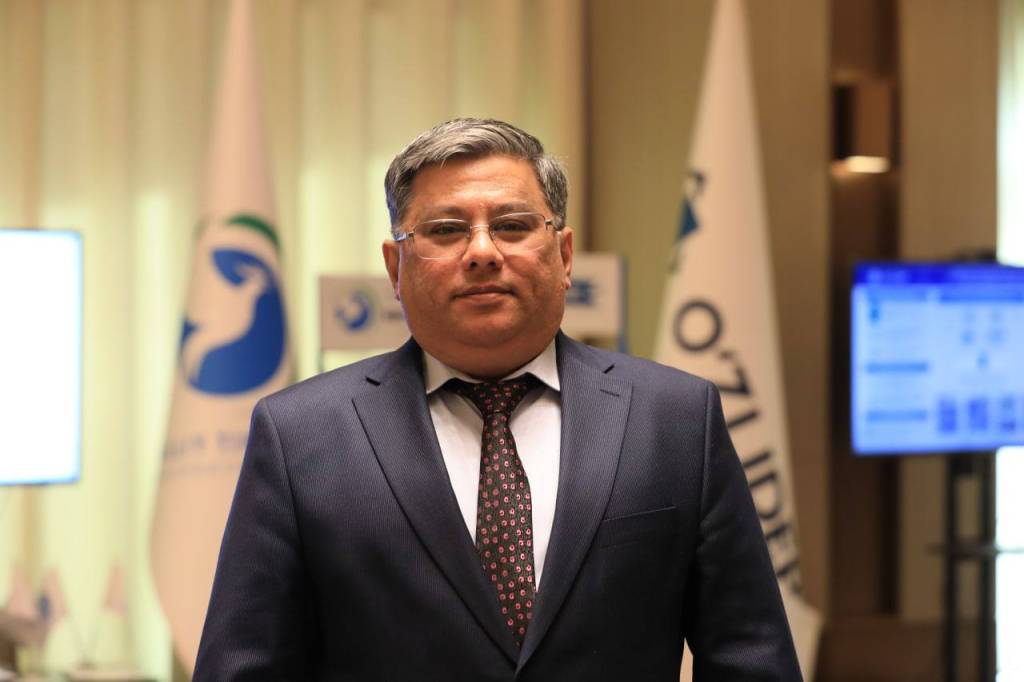
Avazbek Khalbekov,

Expert at the Development Strategy Center

UzA