Uzbekistan’s foreign trade volume totals $49.5 billion over seven months
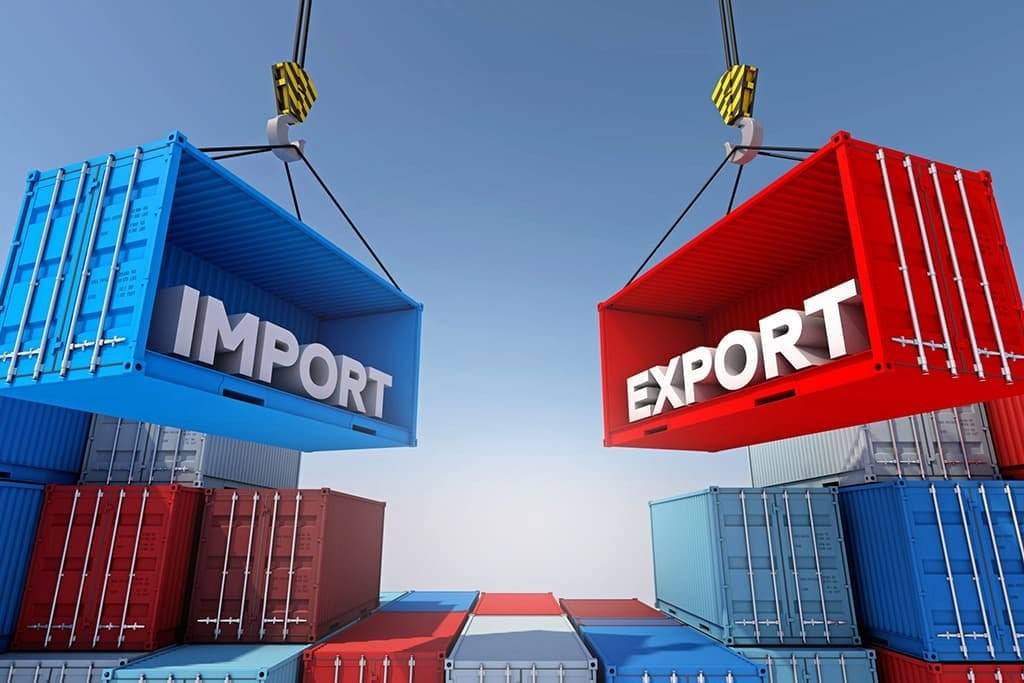
Uzbekistan’s economy continues to show consistent growth in its foreign trade relations. From January to July 2026, total foreign trade turnover reached $49.5 billion, up $3.7 billion, or 8.1 percent, from the same period last year.
Between January and July this year, imports of machinery and transport equipment reached $9.7 billion, representing 32.8% of all imports.
Imports of manufactured goods reached $4.4 billion, chemicals and related products totaled $3.6 billion, and food products along with live animals amounted to $3.3 billion. The 41.9 percent rise in food imports highlights the importance of maintaining stable demand and prices domestically as a key element of the foreign trade policy.
Although total exports have decreased, a notable positive trend is visible in their composition. Excluding gold, goods exports reached $9.8 billion, rising by 27.7% compared to the same period in 2025. This demonstrates a diversification in the export structure, with the country increasingly exporting not just raw materials but also more industrial and processed products.
From January to July, service exports totaled $7.3 billion, marking a 35.3 percent rise compared to the previous year. Tourism led the sector with a 53.8 percent share, trailed by transport services at 31.7 percent. Telecommunications, computer, and information services made up 8.5 percent, while other business services contributed 2.9 percent.
In the export structure, manufactured goods totaled $2.87 billion, making up 14.4 percent. Exports of miscellaneous manufactured articles were $1.68 billion, chemicals and related products reached $1.56 billion, and food products and live animals amounted to $1.54 billion.
From January to July, textile product exports totaled $1.9 billion, accounting for 9.5% of total exports and up 26.6% from the previous year.
Finished textile products comprised 52.2 percent of textile exports, with cotton yarn making up 31.4 percent. This suggests that the strategy of boosting raw material processing and expanding high-value-added product exports is effective.
Exports of fruit and vegetable products reached $1.025 billion, with 1.28 million tons shipped abroad. While the physical volume of exports grew slightly by 0.4 percent, their overall value decreased by 3.9 percent. Factors such as foreign market prices, product assortment, and logistics expenses influence this decline.
From January to July 2026, Uzbekistan expanded its trade relations to more than 200 countries worldwide. China emerged as the leading foreign trade partner, with bilateral trade totaling $11.26 billion. Other significant partners included Russia at $8.13 billion, Kazakhstan at $3.27 billion, Türkiye at $1.65 billion, and Afghanistan at $1.23 billion.
China accounted for a significant 32.3 percent of imports, with Russia at 17.9 percent, Kazakhstan at 8.1 percent, and Türkiye and the Republic of Korea each at 3.5 percent. Turkmenistan and Germany each contributed 2.2 percent. Together, these seven countries accounted for over 65 percent of total imports, highlighting a high concentration of key trade partners. To sustain foreign trade, it is crucial to expand export markets, develop new trade destinations, and enhance product competitiveness.
Cereal and cereal products imports reached $864.9 million, meat and meat products totaled $574 million, and sugar and sugar products amounted to $434 million.
Between January and July, service imports reached $3.6 billion, up 13.3% from the same period last year. Travel made up 43.6% of this total, transport services 27.4%, other business services 10.2%, and telecommunications, computer, and information services 9.2%. These figures highlight Uzbekistan’s increasing integration into the global services market.
Sh. Mamaturopova, UzA