


Amid the intensification of geopolitical competition, maintaining peace and resolving conflicts through political and diplomatic means has become a priority for the entire international community.
The Board of Peace serves as an effective platform for preventing armed clashes and resolving conflicts, not through military means but through political dialogue and diplomatic agreements.
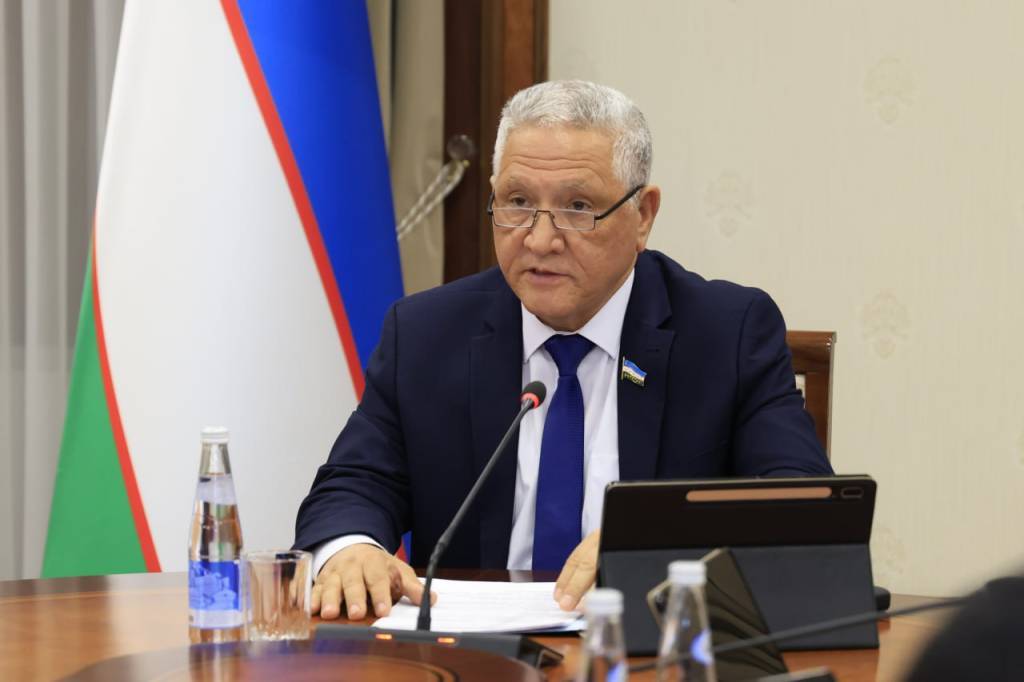
Odiljon Mamatkarimov, Deputy Chairman of the Senate Committee on International Relations, Foreign Economic Ties, Foreign Investments, and Tourism, shares his views on this theme.
– Uzbekistan was invited to the Board of Peace as a founding state, – says Odiljon Mamatkarimov. – The Head of State took part in the ceremony of signing the Board’s Charter in Davos and held several bilateral meetings. This once again confirms that our country’s prestige and political standing in the international arena have increased significantly. Such an important step testifies to the strengthening of Uzbekistan’s position as an active and responsible participant in matters of global peace and stability.
The main goal of the Board of Peace is the gradual elimination of armed conflicts, the creation of a reliable platform for diplomatic dialogue based on trust between states, the provision of humanitarian and social stability, and the strengthening of regional security. The Board’s activities are also important because they aim to adopt practical and effective solutions grounded in international law and UN resolutions. Uzbekistan’s participation is inextricably linked to the country’s multilateral, open, and pragmatic foreign policy, which has taken shape in recent years.
Under the leadership of President Shavkat Mirziyoyev, Uzbekistan’s foreign policy is based on the principles of “dialogue, not war” and “consensus, not coercion” and prioritizes the promotion of regional and global stability. Our country maintains a fair and balanced position on international disputes and advocates for the peaceful settlement of conflicts.
A constructive approach to the Afghan issue, as well as initiatives aimed at fostering trust in Central Asia, have demonstrated that Uzbekistan is a reliable and constructive partner in the international arena. With such extensive experience, our country can actively participate in the Board of Peace’s work.
Uzbekistan, without joining any military blocs and maintaining an independent and balanced position, is becoming an active initiator in global peace efforts. This is a vivid example of pragmatism, openness, and the harmony of national interests in the country’s foreign policy.
In conclusion, it should be noted that Uzbekistan’s participation in the Board of Peace’s activities signifies that the country’s peace-loving foreign policy has reached a qualitatively new and even higher level. Through this initiative, Uzbekistan demonstrates itself not only as an observer, but also as an active participant in resolving international conflicts, putting forward constructive proposals and solutions. This step will strengthen the country’s confidence in the global arena and further establish it as a state that promotes stability, dialogue, and mutually beneficial cooperation. All this testifies to the expansion of Uzbekistan’s political influence, its diplomatic capabilities, and its role in global processes.
Participation in the Board of Peace is a conscious and responsible choice, not aimed at short-term political gains, but at strengthening national interests by ensuring long-term regional and global peace. Uzbekistan’s foreign policy course is a peaceful strategy based on open dialogue, mutual trust, and cooperation. All this fully aligns with our country's strategic interests and lays a solid foundation for long-term development.
Interviewed by Norgul Abduraimova, UzA