Uzbekistan’s experience in the field of human rights will be presented in Lisbon
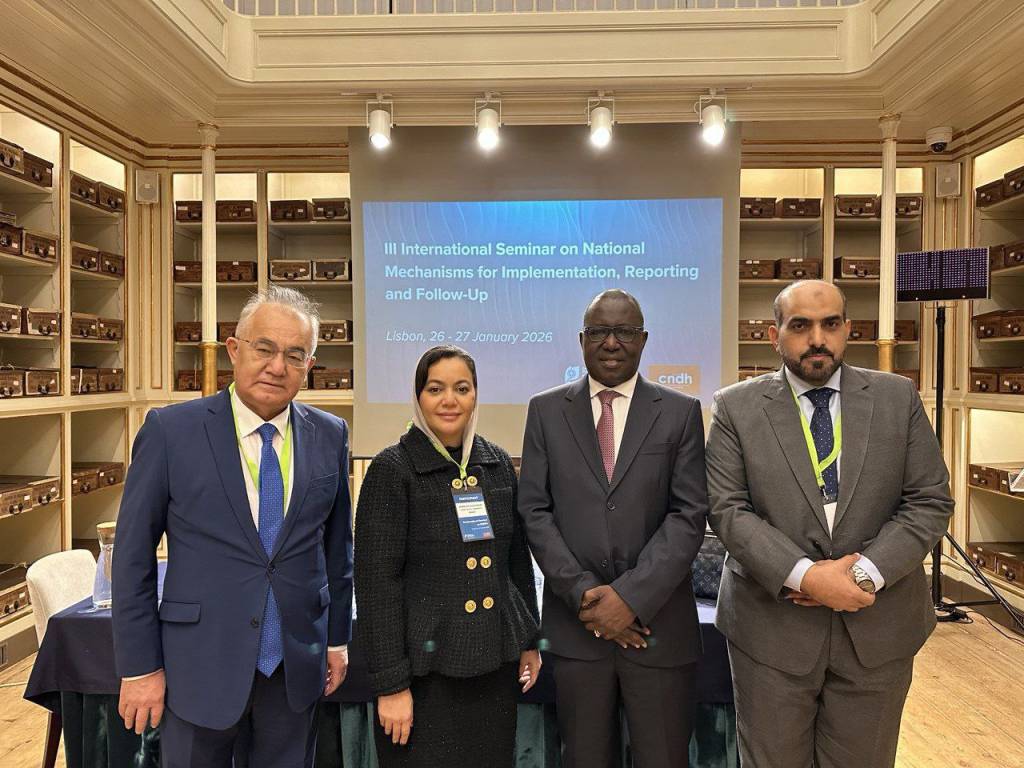
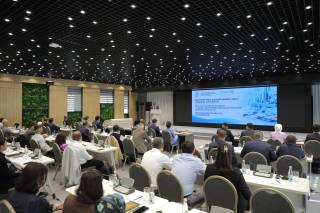
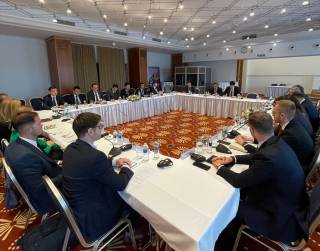
Lisbon hosts the Third International Seminar on National Mechanisms for Implementation, Reporting and Follow-Up (NMIRF), which brings together government agencies responsible for implementing international human rights standards.
The seminar was organized by the Portuguese National Human Rights Committee with the support of the Office of the United Nations High Commissioner for Human Rights.
The event brings together representatives of national human rights structures and civil society human rights institutions, international organizations, UN bodies, and academic circles from various regions of the world.
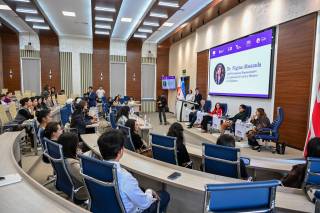
In his report, Akmal Saidov, Director of the National Centre for Human Rights of the Republic of Uzbekistan, provided information about Uzbekistan’s experience as an example of best practices in the field of interdepartmental coordination, digitalization of monitoring recommendations of international human rights mechanisms, parliamentary control, and civil society participation in follow-up processes.
A fundamentally significant step, as noted, was the consolidation of Article 56 in the new Constitution of the Republic of Uzbekistan, which provides that national human rights institutions complement existing forms and means of protecting human rights and freedoms, contribute to the development of civil society, and strengthen the culture of human rights. The Constitution also explicitly establishes the state’s duty to create the necessary conditions for the organization and effective functioning of national human rights institutions.
The Republic of Uzbekistan is the only Central Asian state invited to present national experiences, reflecting international recognition of the country’s progress in institutionalizing national implementation, reporting, and follow-up mechanisms, as well as the practical implementation of international human rights obligations.
During the plenary sessions and thematic panels, the participants discussed the role of NMIRF in ensuring the practical implementation of the recommendations of the UN treaty bodies and the Universal Periodic Review, the use of digital tools for tracking recommendations, the development of regional and interregional networks, as well as mechanisms for involving parliaments, national human rights institutions, and civil society.
The seminar contributes to deepening international dialogue on creating and strengthening national mechanisms for implementation, reporting, and follow-up, consolidation of the NMIRF International Network, as well as the official adoption of the NMIRF International Network Action Plan for the period 2026-2031, developed based on the Asuncion Declaration and the Marrakech Guidance Framework.
N.Usmanova, UzA