Uzbekistan’s Experience in Advancing Gender Equality Recognized as a Leading Parliamentary Practice
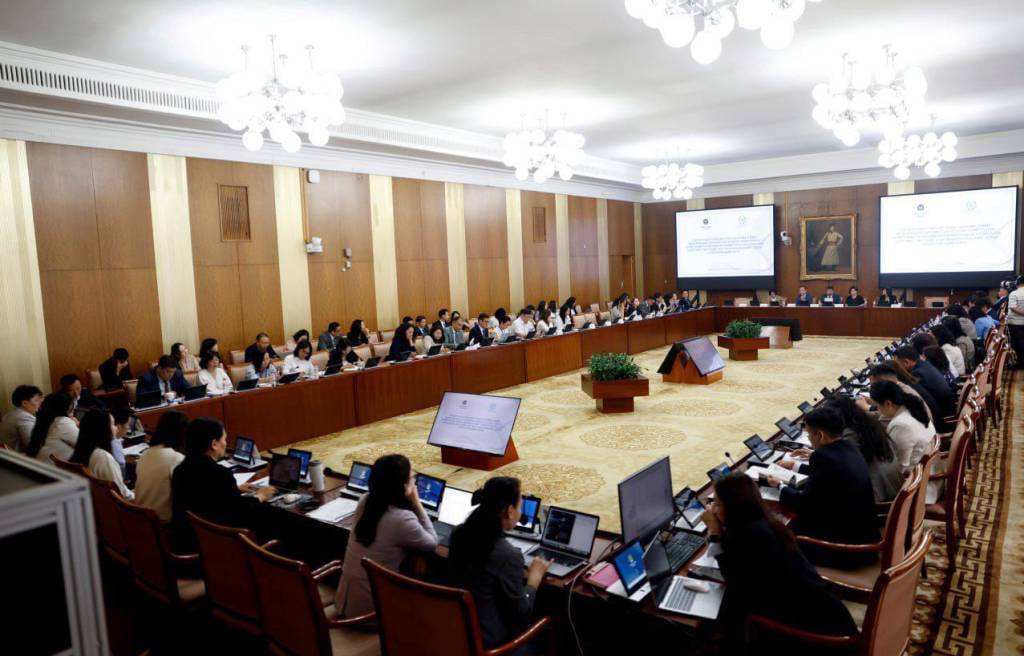
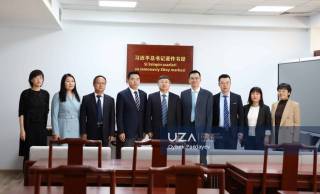
Uzbekistan’s experience in promoting gender equality and its parliamentary engagement with United Nations human rights mechanisms has been recognized as a best practice at an international seminar organized by the Inter-Parliamentary Union (IPU) in collaboration with the State Great Hural of Mongolia, in Ulaanbaatar.
According to the National Center of the Republic of Uzbekistan for Human Rights, titled “Strengthening Parliamentary Engagement with UN Human Rights Mechanisms: Focus on the UPR and the CEDAW Committee”, the seminar brought together parliamentarians, experts, and representatives of international organizations to exchange experiences on parliamentary involvement in the Universal Periodic Review (UPR) and the work of the UN Committee on the Elimination of Discrimination against Women (CEDAW).
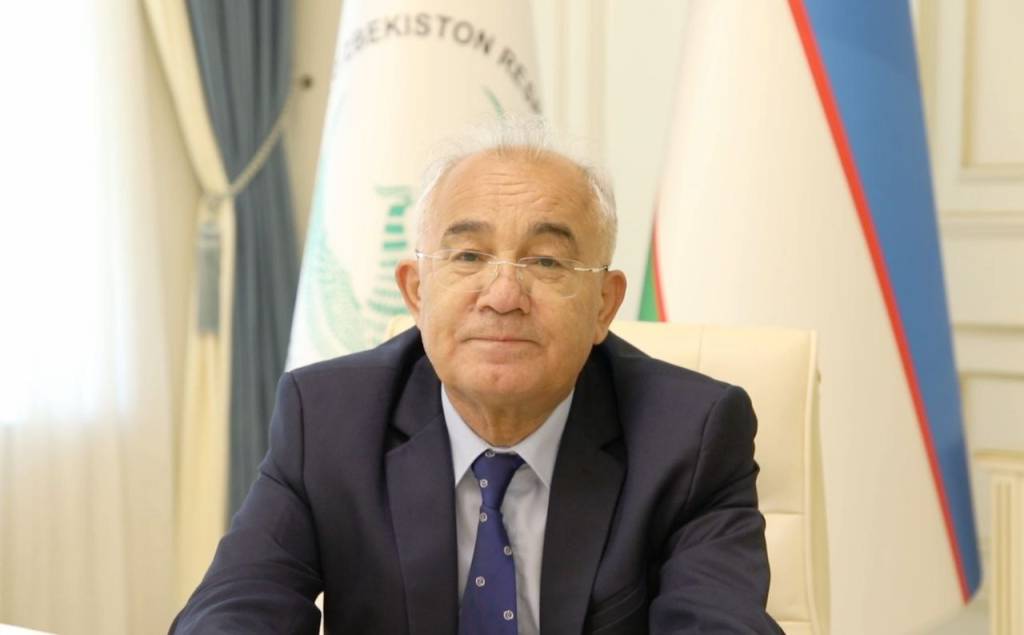
At the organizers’ invitation, a video presentation was delivered on behalf of the Oliy Majlis of the Republic of Uzbekistan by academician A. Saidov. The report highlighted measures undertaken by Uzbekistan’s parliament to ensure effective implementation of its international commitments regarding women’s rights and equal opportunities. Key areas of focus included:
– Active parliamentary involvement in the preparation of national reports within the UPR framework and oversight of the implementation of related recommendations;
– Engagement with the CEDAW Committee, including parliamentary input in preparing periodic reports and in the follow-up to recommendations;
– The work of the Commission on Gender Equality and the Women’s Parliamentary Group, aimed at promoting women’s rights and increasing their participation in socio-political life;
– Promotion of educational initiatives, including localization of international training resources such as the IPU’s Massive Open Online Course (MOOC) on freedom of expression for parliamentarians;
– Contributions to the advancement of women’s rights through lawmaking, parliamentary oversight, and cooperation with civil society institutions.
Seminar participants, including members of the State Great Hural of Mongolia, expressed appreciation for the opportunity to learn from Uzbekistan’s experience, noting it as an inspiring example of a systematic parliamentary approach to cooperation with UN mechanisms.
In recognition of Uzbekistan’s contribution, IPU Secretary General Martin Chungong sent an official letter of gratitude, acknowledging the high level of participation and the relevance of Uzbekistan’s experience for other countries preparing for UPR and CEDAW engagement. He noted that the video report enriched participants’ understanding of practical mechanisms for parliamentary interaction with UN human rights structures.
Particular attention was drawn to Uzbekistan’s efforts to ensure women’s representation in the legislative branch. Currently, women comprise over 38% of the country’s parliament, supported by a gender quota that requires at least 40% of candidates nominated by political parties to be women.
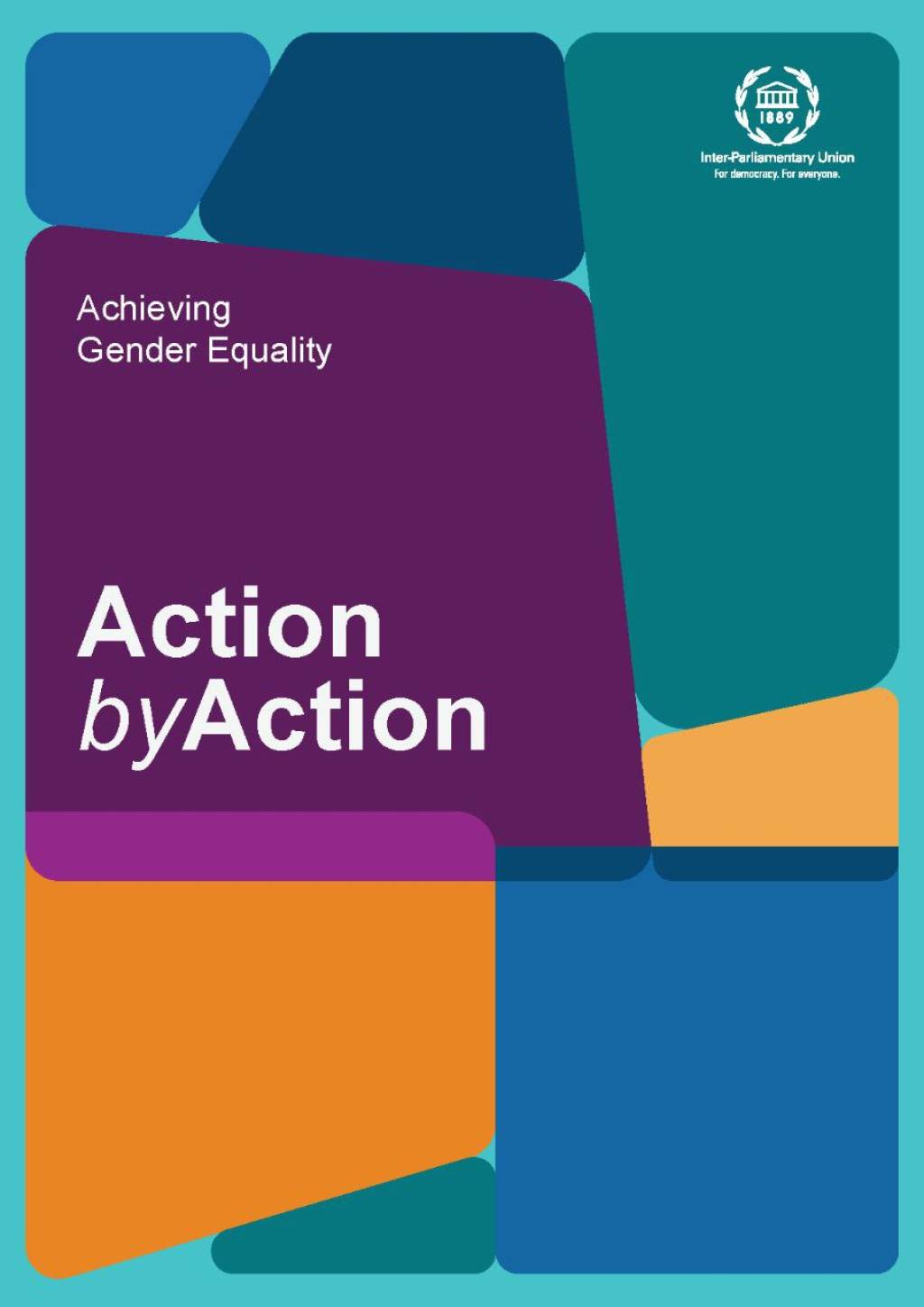
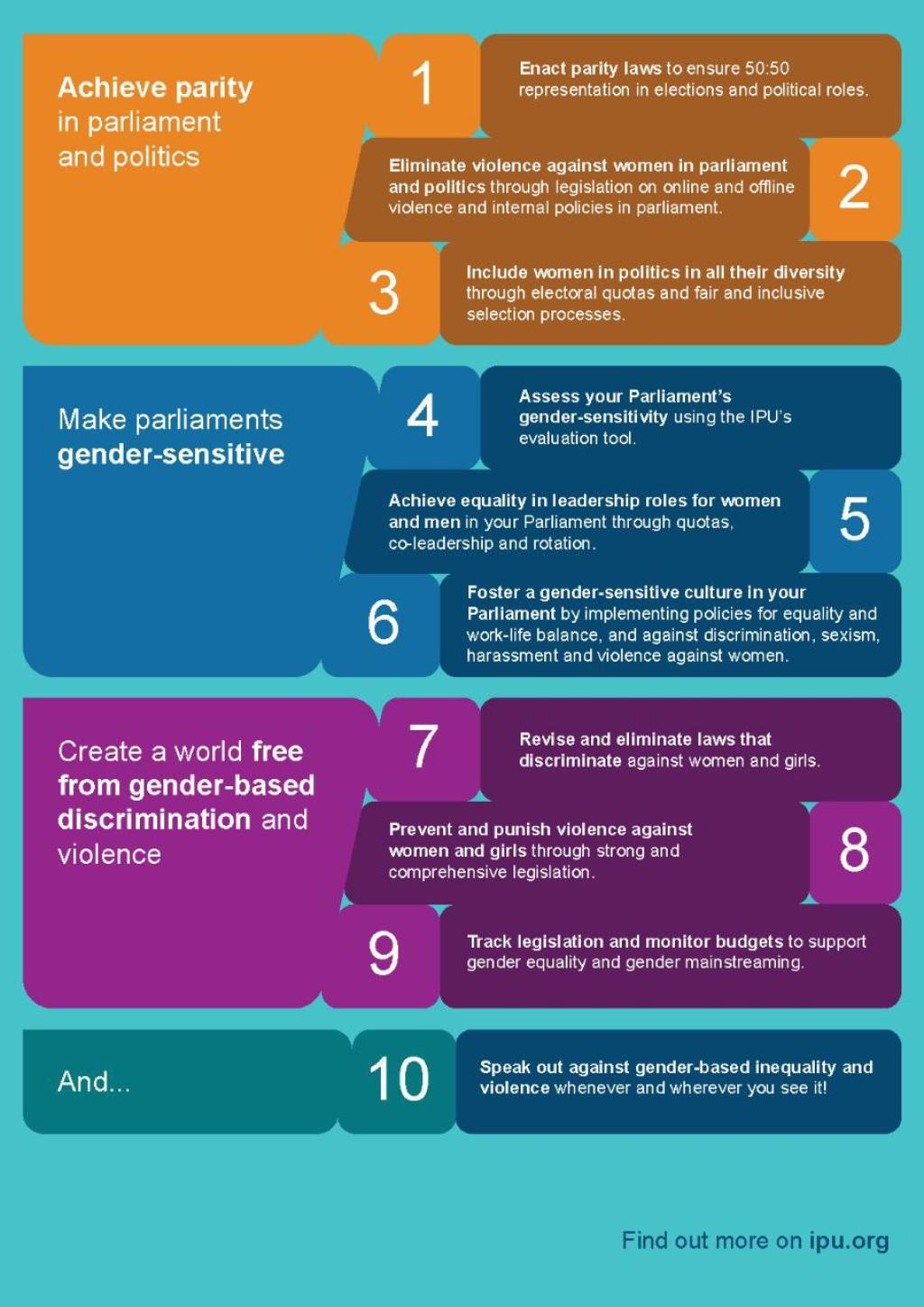
The positive dynamics in youth participation were also highlighted, with the number of parliamentarians under the age of 35 having significantly increased due to recent reforms and institutional support. The significance of Uzbekistan’s experience has also been reflected in the IPU’s newly published handbook “Achieving Gender Equality, Action by Action” (2025), which cites Uzbekistan as one of the best practices in achieving gender balance in parliament. The document emphasizes that a clear legal framework, gender quotas, and specialized parliamentary mechanisms are key factors contributing to this success.
Recognition on an international platform testifies to the increasing role of the Parliament of the Republic of Uzbekistan in ensuring gender equality, promoting human rights, and strengthening the parliamentary dimension of the State’s foreign policy and human rights initiatives.
Nazokat Usmanova, UzA