
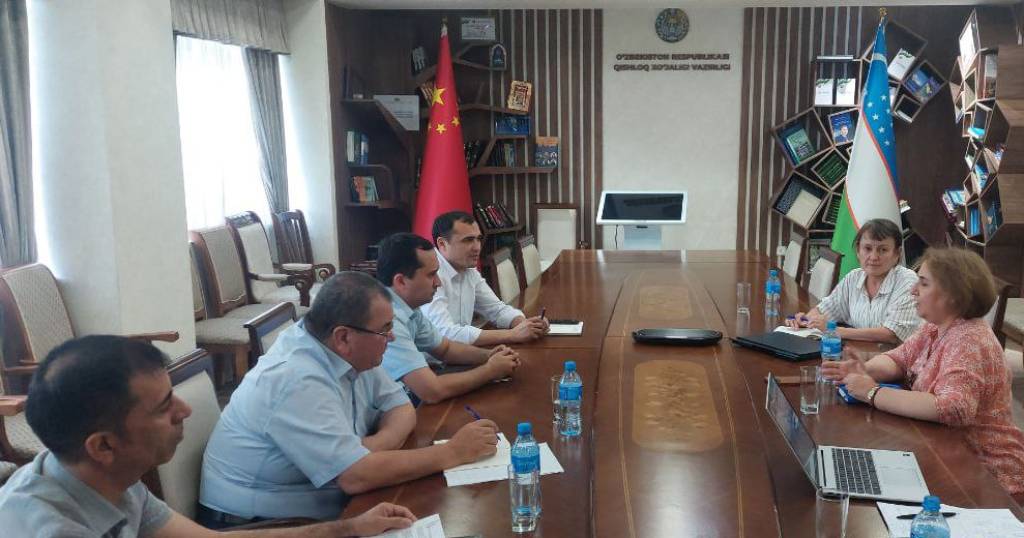
Statistician of the FAO Regional Office for Europe and Central Asia, Mrs. Asia Rasmiyya Aliyeva, visited Uzbekistan.

According to FAO, the purpose of the visit was to provide immediate technical assistance in preparation for conducting the combined population and agriculture censuses in Uzbekistan.
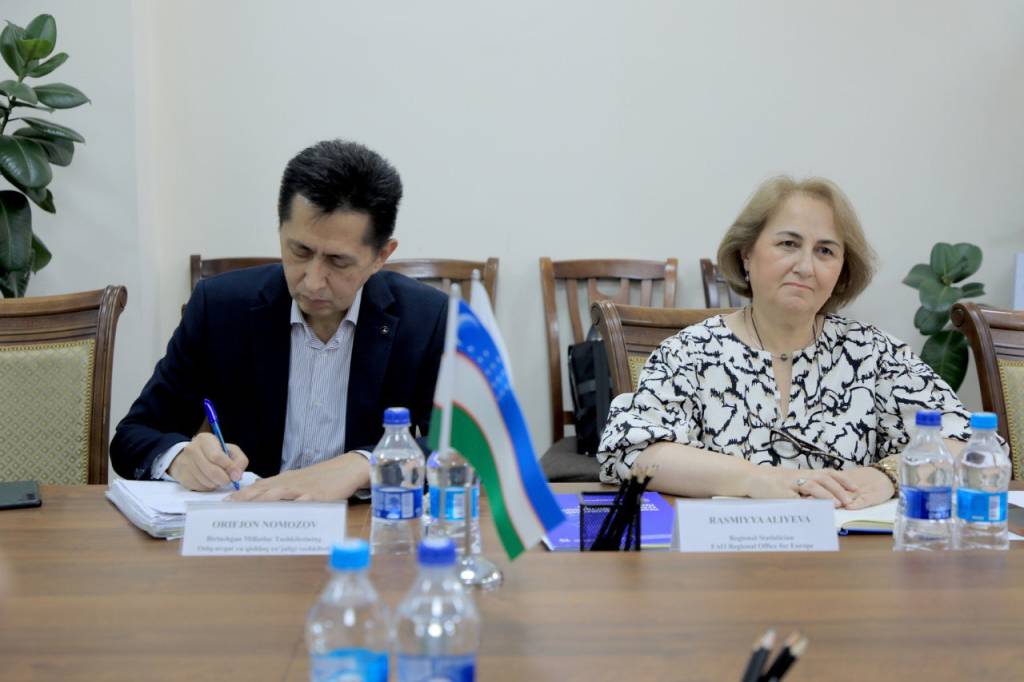
The combined population and agriculture censuses will be conducted to collect reliable, objective, and comprehensive data on population structure and various aspects of agricultural activity, using modern statistical methods across all regions and administrative units simultaneously. The census will provide essential information on population composition, labor resources, housing conditions, agricultural land use, and the number of livestock and poultry. It will also create a robust database on demographic trends, employment patterns, income sources, and the structure of the agricultural workforce, including seasonal and informal labor, which will help inform evidence-based policy decisions and identify development priorities. 

The delegation, led by the FAO expert, participated in several important meetings and consultations with national stakeholders. The mission commenced with a meeting between the leadership of the National Statistics Committee and the Ministry of Agriculture, as well as representatives from various departments and divisions. 
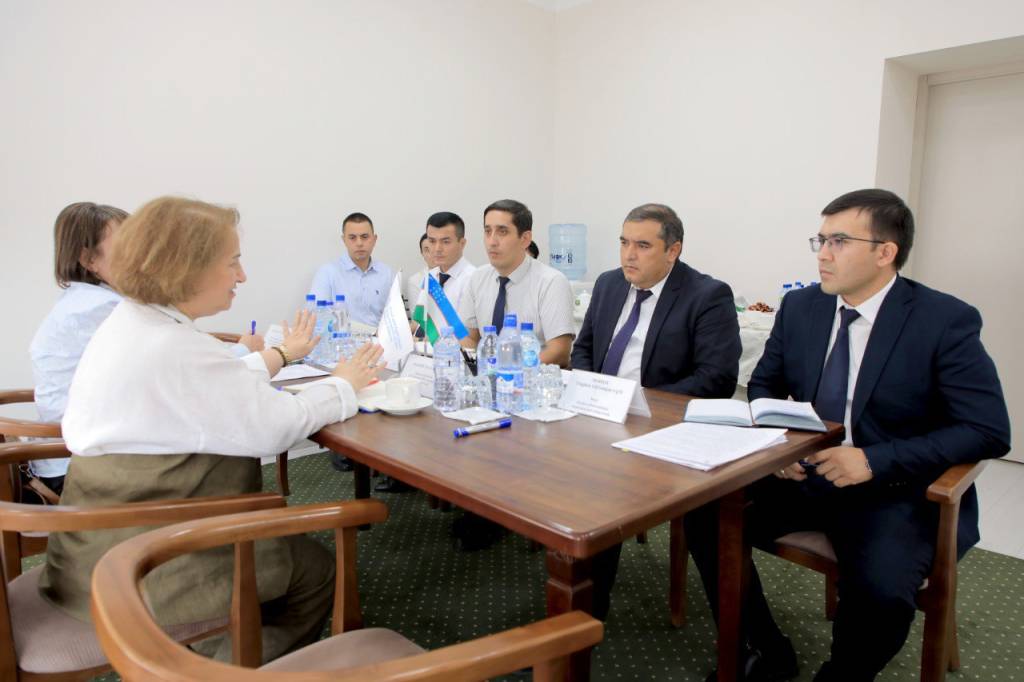
During these meetings, extensive discussions were held on agricultural census issues, and existing approaches were analyzed in light of the FAO World Program for the Census of Agriculture (WCA 2020) requirements.

In international practice, based on FAO recommendations, agricultural censuses are usually conducted once every ten years. Some countries with developed agricultural sectors conduct census activities with a frequency of not less than once every 4-10 years. For example, this activity is conducted in Germany and the Netherlands once every four years, in the USA, Canada, and Korea, every five years.
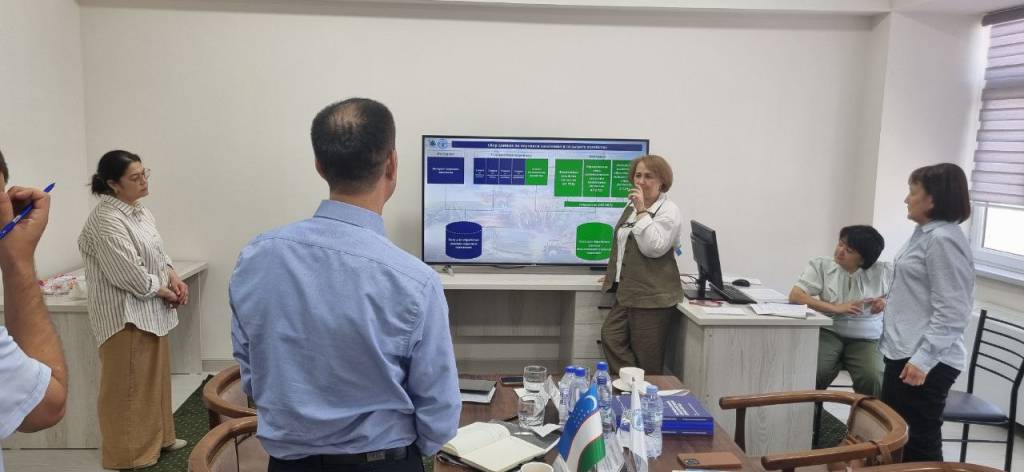
As a result of this mission, essential steps were taken to implement the joint population and agriculture census in Uzbekistan in accordance with international standards, and future activity directions were identified.

Bekhruz Khudoyberdiyev, UzA

English
Chinese
Turkish
Tajik
Kyrgyz
Turkmen
Japanese
Arabic
English
French
Spanish
Русский
German
Ўзбек
Oʻzbek
Қазақ
Uzbekistan prepares for population and agricultural censuses

Statistician of the FAO Regional Office for Europe and Central Asia, Mrs. Asia Rasmiyya Aliyeva, visited Uzbekistan.

According to FAO, the purpose of the visit was to provide immediate technical assistance in preparation for conducting the combined population and agriculture censuses in Uzbekistan.

The combined population and agriculture censuses will be conducted to collect reliable, objective, and comprehensive data on population structure and various aspects of agricultural activity, using modern statistical methods across all regions and administrative units simultaneously. The census will provide essential information on population composition, labor resources, housing conditions, agricultural land use, and the number of livestock and poultry. It will also create a robust database on demographic trends, employment patterns, income sources, and the structure of the agricultural workforce, including seasonal and informal labor, which will help inform evidence-based policy decisions and identify development priorities. 

The delegation, led by the FAO expert, participated in several important meetings and consultations with national stakeholders. The mission commenced with a meeting between the leadership of the National Statistics Committee and the Ministry of Agriculture, as well as representatives from various departments and divisions. 

During these meetings, extensive discussions were held on agricultural census issues, and existing approaches were analyzed in light of the FAO World Program for the Census of Agriculture (WCA 2020) requirements.

In international practice, based on FAO recommendations, agricultural censuses are usually conducted once every ten years. Some countries with developed agricultural sectors conduct census activities with a frequency of not less than once every 4-10 years. For example, this activity is conducted in Germany and the Netherlands once every four years, in the USA, Canada, and Korea, every five years.

As a result of this mission, essential steps were taken to implement the joint population and agriculture census in Uzbekistan in accordance with international standards, and future activity directions were identified.

Bekhruz Khudoyberdiyev, UzA