Uzbekistan – Jordan: from dialogue based on trust to tangible economic results
A year ago, important agreements were reached in Samarkand to expand multifaceted cooperation between Uzbekistan and Jordan. Bilateral political dialogue has intensified, a Joint Intergovernmental Commission and a Business Council have been established, and direct flights between the two capitals have been launched.
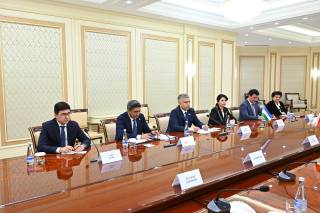
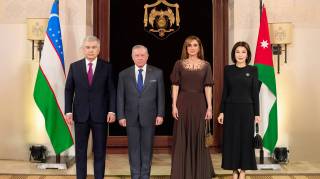
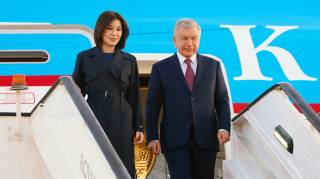
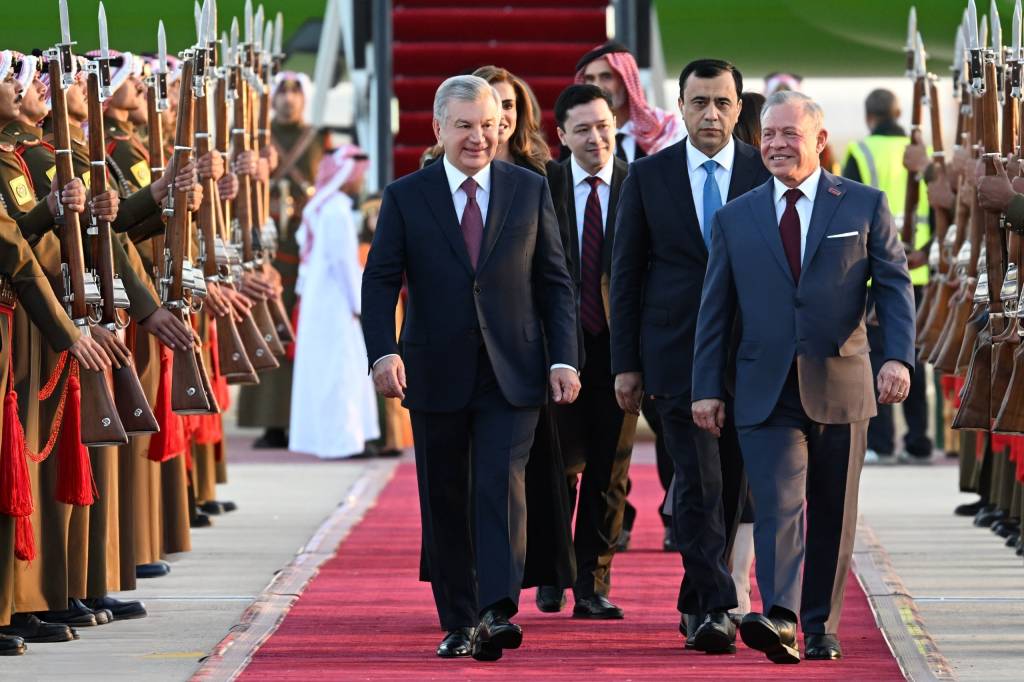
The state visit of the President of the Republic of Uzbekistan, Shavkat Mirziyoyev, to the Hashemite Kingdom of Jordan on November 23-24 is particularly significant in giving fresh impetus to bilateral relations and turning the political agreements reached into tangible results in trade, economic and investment cooperation, as well as industrial partnerships.
In 2025, bilateral trade between Uzbekistan and Jordan totaled $8.5 million, with exports at $5.4 million and imports at $3.1 million. In January-September 2026, trade between the two countries reached $4.8 million. Uzbekistan’s exports to Jordan amounted to $2.3 million, while imports stood at $2.5 million. Food products dominate Uzbekistan’s exports to Jordan, while Jordan’s imports consist primarily of chemical industry products.
In recent years, business contacts have become increasingly focused on practical cooperation. Promising talks are also underway in the pharmaceutical sector.
Improving transport and logistics links is crucial to strengthening economic ties. On June 30, 2026, Royal Jordanian Airlines launched scheduled flights between Amman and Tashkent. Operating twice a week, the direct flights help expand business and tourism ties while facilitating travel for citizens and business representatives of both countries.
Cooperation in the tourism sector is also developing steadily. In August 2025, the governments of the two countries signed an agreement on tourism cooperation, followed in November by approval of a Cooperation Program for 2026-2027. Cultural, heritage, and pilgrimage tourism are promising areas for bilateral cooperation.
The centuries-old historical and cultural ties between the two peoples are vividly reflected in Jordan itself. The Jordanian capital has streets named after Samarkand and Imam Bukhari, as well as a mosque named after Imam al-Termizi. The Al-Bukhariya Market, located in the old part of the city, derives its name from Bukhara. According to historical sources, merchants from Bukhara played an active role in its establishment. Amman is also home to a university of medical sciences named after the great scholar Ibn Sina.
Relations between Uzbekistan and Jordan continue to develop steadily across all areas. Particular attention is being paid to implementing the agreements reached, expanding bilateral trade, attracting investment, and fostering industrial cooperation. Active cooperation will bring the partnership between Uzbekistan and Jordan to a new level through the implementation of concrete joint projects and the achievement of mutually beneficial results.
Dilshod Hakimov, UzA