
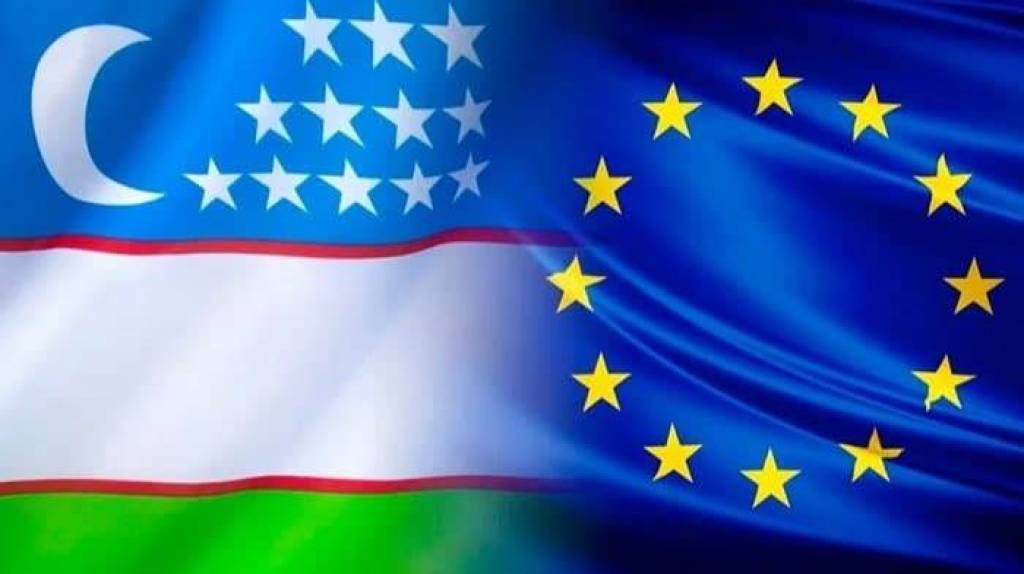
These days, the President of Uzbekistan is paying an official visit to Brussels at the invitation of the President of the European Council António Costa and the President of the European Commission Ursula von der Leyen.

According to the visit program in the capital of the European Union, bilateral negotiations are scheduled with the leaders of the EU’s leading institutions.

As part of the visit, the President of Uzbekistan will also meet with executives of leading European companies and banks to accelerate joint plans for the development of technological and industrial cooperation.

The UzA correspondent interviewed the Doctor of Political Sciences, Professor Sayfiddin Jurayev, regarding the current stage and prospects of relations and cooperation between Uzbekistan and the European Union.

– During the official visit of the President of our country to Brussels, it is expected that the Enhanced Partnership and Cooperation Agreement (EPCA) between Uzbekistan and the European Union will be signed. This reflects the systemic reforms carried out in our country since 2017 and, in turn, demonstrates the continuity of efforts to expand and deepen reforms, modernize the economy, and enrich global cooperation with new content. I would like to draw attention to two key aspects of this process.

First, the expansion of practical cooperation in foreign policy and security, in line with the demands of the new era, contributes to creating a platform for dialogue on regional and international cooperation. In this regard, the fact that Uzbekistan’s practical political relations with the new Central Asia are increasingly aligned with the requirements and principles of the modern era, and that these transformations are based on universal and democratic values, state development, and the rule of law in the implementation of reforms, is already yielding positive results.

Furthermore, ensuring the development of Central Asia and identifying new areas of international cooperation, preventing the proliferation of weapons of mass destruction, especially nuclear weapons that endanger humanity, preventing various existing and emerging conflicts, as well as conducting open and constructive dialogues on foreign policy and security issues, will lead to the expansion of cooperation.

This will create new conditions for establishing regular and mutually beneficial contacts on matters of justice and security, including migration, anti-money laundering and counter-terrorism, combating organized crime and corruption, preventing drug trafficking, and ensuring judicial and consular protection.

Second, the agreement will open new opportunities and prospects in relations between Uzbekistan and the European Union, marking the beginning of a new era of cooperation. The anticipated collaboration will ultimately strengthen the strategic position of Central Asian countries, including Uzbekistan, enhance their economic potential, and improve the well-being of our citizens.

Interviewed by Utkir Alimov, UzA

English
Chinese
Turkish
Tajik
Kyrgyz
Turkmen
Japanese
Arabic
English
French
Spanish
Русский
German
Ўзбек
Oʻzbek
Қазақ
Uzbekistan – European Union: A new stage of strategic cooperation

These days, the President of Uzbekistan is paying an official visit to Brussels at the invitation of the President of the European Council António Costa and the President of the European Commission Ursula von der Leyen.

According to the visit program in the capital of the European Union, bilateral negotiations are scheduled with the leaders of the EU’s leading institutions.

As part of the visit, the President of Uzbekistan will also meet with executives of leading European companies and banks to accelerate joint plans for the development of technological and industrial cooperation.

The UzA correspondent interviewed the Doctor of Political Sciences, Professor Sayfiddin Jurayev, regarding the current stage and prospects of relations and cooperation between Uzbekistan and the European Union.

– During the official visit of the President of our country to Brussels, it is expected that the Enhanced Partnership and Cooperation Agreement (EPCA) between Uzbekistan and the European Union will be signed. This reflects the systemic reforms carried out in our country since 2017 and, in turn, demonstrates the continuity of efforts to expand and deepen reforms, modernize the economy, and enrich global cooperation with new content. I would like to draw attention to two key aspects of this process.

First, the expansion of practical cooperation in foreign policy and security, in line with the demands of the new era, contributes to creating a platform for dialogue on regional and international cooperation. In this regard, the fact that Uzbekistan’s practical political relations with the new Central Asia are increasingly aligned with the requirements and principles of the modern era, and that these transformations are based on universal and democratic values, state development, and the rule of law in the implementation of reforms, is already yielding positive results.

Furthermore, ensuring the development of Central Asia and identifying new areas of international cooperation, preventing the proliferation of weapons of mass destruction, especially nuclear weapons that endanger humanity, preventing various existing and emerging conflicts, as well as conducting open and constructive dialogues on foreign policy and security issues, will lead to the expansion of cooperation.

This will create new conditions for establishing regular and mutually beneficial contacts on matters of justice and security, including migration, anti-money laundering and counter-terrorism, combating organized crime and corruption, preventing drug trafficking, and ensuring judicial and consular protection.

Second, the agreement will open new opportunities and prospects in relations between Uzbekistan and the European Union, marking the beginning of a new era of cooperation. The anticipated collaboration will ultimately strengthen the strategic position of Central Asian countries, including Uzbekistan, enhance their economic potential, and improve the well-being of our citizens.

Interviewed by Utkir Alimov, UzA