
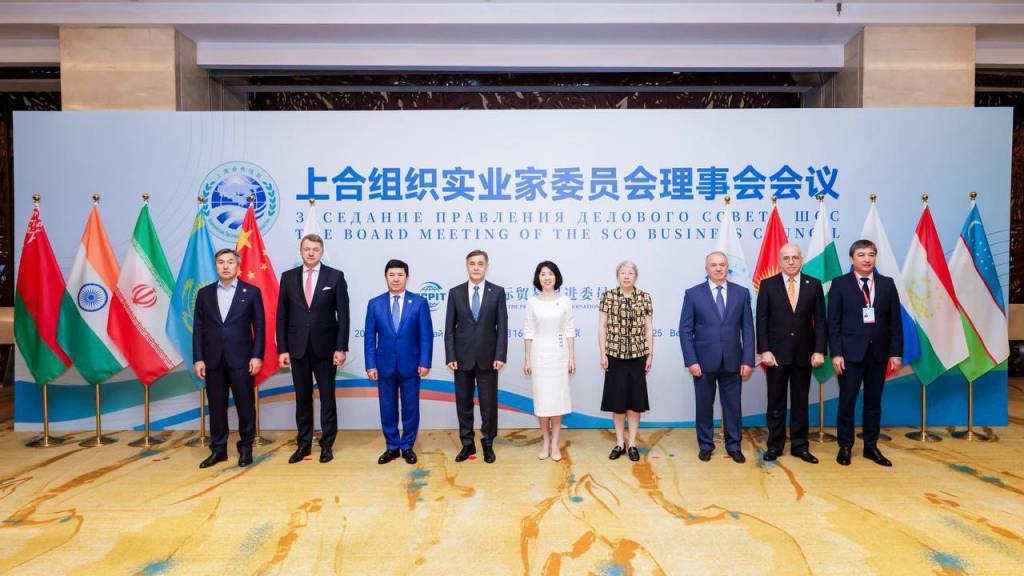
Beijing hosted a regular meeting of the SCO Business Council Board.

The Uzbekistan delegation was led by Dilshod Rasulov, Deputy Chairman of the Chamber of Commerce and Industry of Uzbekistan.

Issues of further deepening regional economic cooperation, expanding mutual trade and investment ties, as well as developing digital infrastructure, were discussed at the meeting.
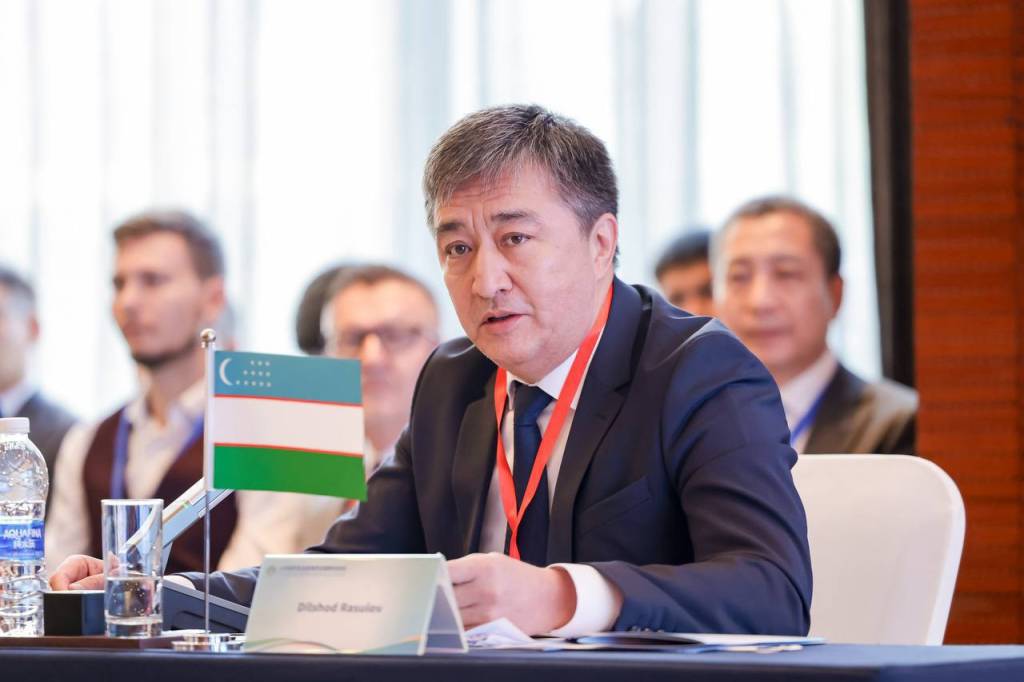
Mr. Rasulov noted that the Chamber of Commerce and Industry has proposed several initiatives aimed at elevating economic cooperation within the SCO to a new level.
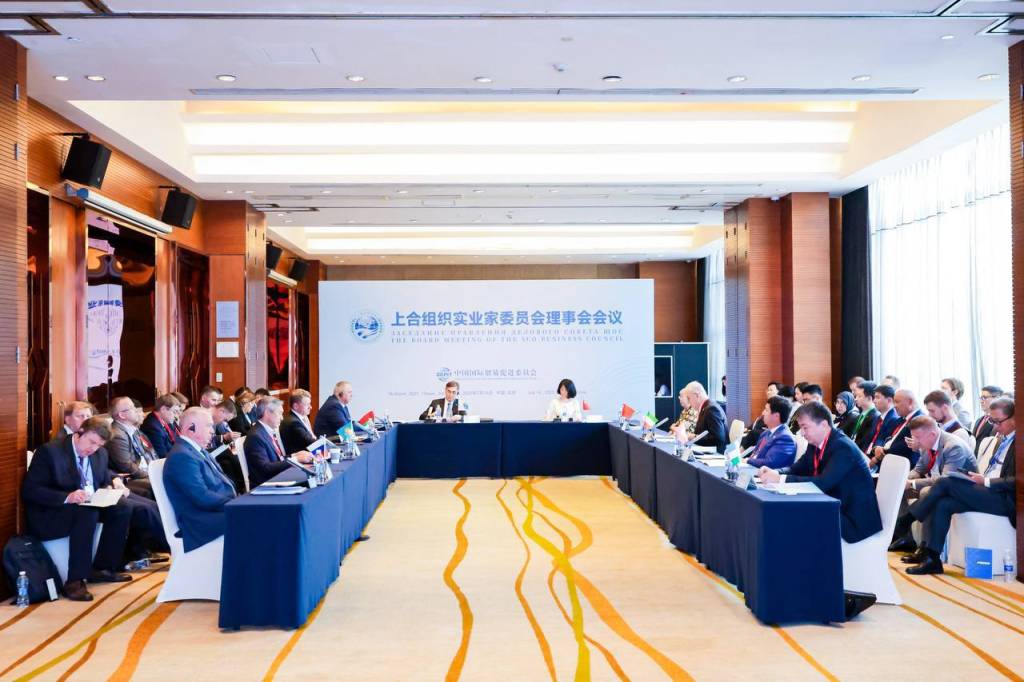
In particular, it was noted that the development of the SCO International Innovation Clusters Program is aimed at jointly developing high-tech industries based on a scientific approach.

The creation of the SCO TradeNet digital platform will enable the digitalization of the trade and logistics sector and automate data exchange between countries. It was also noted that the SCO Business School for SMEs educational network for small and medium-sized businesses is designed to increase the potential of entrepreneurs.

The development of the SCO Smart Border Zones concept entails the creation of economic zones in border regions, utilizing an innovative approach.

Specific projects are currently being developed to implement these initiatives.

B. Khudoyberdiyev, UzA

English
Chinese
Turkish
Tajik
Kyrgyz
Turkmen
Japanese
Arabic
English
French
Spanish
Русский
German
Ўзбек
Oʻzbek
Қазақ
Uzbekistan delegation attends the SCO Business Council’s Meeting

Beijing hosted a regular meeting of the SCO Business Council Board.

The Uzbekistan delegation was led by Dilshod Rasulov, Deputy Chairman of the Chamber of Commerce and Industry of Uzbekistan.

Issues of further deepening regional economic cooperation, expanding mutual trade and investment ties, as well as developing digital infrastructure, were discussed at the meeting.

Mr. Rasulov noted that the Chamber of Commerce and Industry has proposed several initiatives aimed at elevating economic cooperation within the SCO to a new level.

In particular, it was noted that the development of the SCO International Innovation Clusters Program is aimed at jointly developing high-tech industries based on a scientific approach.

The creation of the SCO TradeNet digital platform will enable the digitalization of the trade and logistics sector and automate data exchange between countries. It was also noted that the SCO Business School for SMEs educational network for small and medium-sized businesses is designed to increase the potential of entrepreneurs.

The development of the SCO Smart Border Zones concept entails the creation of economic zones in border regions, utilizing an innovative approach.

Specific projects are currently being developed to implement these initiatives.

B. Khudoyberdiyev, UzA