The history of relations between Uzbekistan and China goes back thousands of years. Two thousand years ago, the people of the two countries established close ties and actively exchanged cultural values and goods, forming the spirit of the Great Silk Road. This transcontinental route has become a symbol of friendship, strengthening cooperation and cultural exchange between people.

In ancient times, caravans departed from China carrying a wide range of goods, including metals – iron, nickel, gold, silver, mirrors, various handicrafts, and valuable silk fabrics and raw materials for their production. In the opposite direction, rare animals, birds, plants, spices, colored glass, jewelry made of precious stones, and other luxury items were supplied. In addition, China at this time actively adapted and introduced new plants into its culture, such as grapes, beans, alfalfa, saffron, and various types of fruit and nut trees brought from Central Asia.

In parallel with trade and cultural ties, diplomatic relations also developed. Ambassadorial relations between the Han Empire and the states of Davan, Kangyu, and Yueji in the 2nd-1st centuries BC are known, described by Sima Qian in “Shi Ji” (“Historical Notes”).

Diplomatic relations continued into the early Middle Ages. Thus, China actively interacted with the Hephthalite state, which controlled vital trade routes leading to Iran and Byzantium. According to the “History of the Tang Dynasty”, a delegation of ambassadors and traders from Bukhara arrived in the state’s capital, Chang'an, presenting various Central Asian goods to the Chinese court.

During the reign of Amir Temur and the Temurids, bilateral relations reached significant heights. According to Chinese sources, in 1368-1398, embassies from Amir Temur arrived in China nine times. From 1403 to 1449, 33 ambassadorial missions were sent to China from Samarkand and 14 from Herat.

Our compatriots occupied high positions and posts in China and contributed to developing scientific thought in this country. Among them, Umar Kamaliddin, the governor of Yunnan Province, Jamaliddin Bukhari, presented Kublai with a calendar called the “Ten Thousand Year Calendar” in Chinese sources.

The excellent tradition was continued during the period when Uzbekistan gained state independence. China was one of the first to recognize the sovereignty of our country, establishing diplomatic relations with Uzbekistan on January 2, 1992.

Currently, cooperation has crossed the 30-year mark and entered a new stage. All-weather comprehensive strategic partnership in the new era covers all interaction areas: political, trade, economic, cultural, and educational.

The warm and trusting relations between Shavkat Mirziyoyev and Xi Jinping largely facilitated the unprecedented rise in bilateral ties.

With all the diversity of bilateral ties, the Heads of state prioritize developing relations in the cultural and humanitarian sphere. A striking symbol of these relations is a series of events, including, among other things, the Uzbekistan – China Educational Forum on cooperation of one hundred universities, days of promoting tourism and Uzbek culture, a forum on poverty alleviation, as well as the launch of a pilot project to introduce the Chinese vocational education system in Uzbekistan – Luban Workshop.

In recent years, young people in Uzbekistan have shown great interest in learning the Chinese language, and the Chinese have shown great interest in learning Uzbek. In Uzbekistan, the spread of the Chinese language is facilitated by the Confucius Institutes opened in Tashkent and Samarkand. In turn, in China, the Uzbek language has been introduced into the curricula of the Central University of Nationalities, Beijing Foreign Studies University, and Shanghai International Studies University.

In developing cultural and humanitarian ties between Uzbekistan and China, a special place is given to holding mutual cultural days. Thus, during Shavkat Mirziyoyev’s January visit to China and meeting with Xi Jinping, it was proposed to hold the first joint Youth Innovation Forum.

In addition, the parties signed several agreements and documents promoting even greater cooperation between research institutions, ministries, and agencies for developing tourism and cultural industries.

Thus, the leaders of Uzbekistan and China continue the thousand-year tradition of friendly relations, comprehensively strengthening mutually beneficial cooperation in various fields, filling the all-weather comprehensive strategic partnership with new promising content.

Azer Adigezalov,

Chief Researcher at the International Institute for Central Asia,

Doctor of Philosophy (PhD) in Historical Sciences.

English
Chinese
Turkish
Tajik
Kyrgyz
Turkmen
Japanese
Arabic
English
French
Spanish
Русский
German
Ўзбек
Oʻzbek
Қазақ
Uzbekistan – China: Evolution of historical and cultural ties
The history of relations between Uzbekistan and China goes back thousands of years. Two thousand years ago, the people of the two countries established close ties and actively exchanged cultural values and goods, forming the spirit of the Great Silk Road. This transcontinental route has become a symbol of friendship, strengthening cooperation and cultural exchange between people.

In ancient times, caravans departed from China carrying a wide range of goods, including metals – iron, nickel, gold, silver, mirrors, various handicrafts, and valuable silk fabrics and raw materials for their production. In the opposite direction, rare animals, birds, plants, spices, colored glass, jewelry made of precious stones, and other luxury items were supplied. In addition, China at this time actively adapted and introduced new plants into its culture, such as grapes, beans, alfalfa, saffron, and various types of fruit and nut trees brought from Central Asia.

In parallel with trade and cultural ties, diplomatic relations also developed. Ambassadorial relations between the Han Empire and the states of Davan, Kangyu, and Yueji in the 2nd-1st centuries BC are known, described by Sima Qian in “Shi Ji” (“Historical Notes”).

Diplomatic relations continued into the early Middle Ages. Thus, China actively interacted with the Hephthalite state, which controlled vital trade routes leading to Iran and Byzantium. According to the “History of the Tang Dynasty”, a delegation of ambassadors and traders from Bukhara arrived in the state’s capital, Chang'an, presenting various Central Asian goods to the Chinese court.

During the reign of Amir Temur and the Temurids, bilateral relations reached significant heights. According to Chinese sources, in 1368-1398, embassies from Amir Temur arrived in China nine times. From 1403 to 1449, 33 ambassadorial missions were sent to China from Samarkand and 14 from Herat.

Our compatriots occupied high positions and posts in China and contributed to developing scientific thought in this country. Among them, Umar Kamaliddin, the governor of Yunnan Province, Jamaliddin Bukhari, presented Kublai with a calendar called the “Ten Thousand Year Calendar” in Chinese sources.

The excellent tradition was continued during the period when Uzbekistan gained state independence. China was one of the first to recognize the sovereignty of our country, establishing diplomatic relations with Uzbekistan on January 2, 1992.

Currently, cooperation has crossed the 30-year mark and entered a new stage. All-weather comprehensive strategic partnership in the new era covers all interaction areas: political, trade, economic, cultural, and educational.

The warm and trusting relations between Shavkat Mirziyoyev and Xi Jinping largely facilitated the unprecedented rise in bilateral ties.

With all the diversity of bilateral ties, the Heads of state prioritize developing relations in the cultural and humanitarian sphere. A striking symbol of these relations is a series of events, including, among other things, the Uzbekistan – China Educational Forum on cooperation of one hundred universities, days of promoting tourism and Uzbek culture, a forum on poverty alleviation, as well as the launch of a pilot project to introduce the Chinese vocational education system in Uzbekistan – Luban Workshop.

In recent years, young people in Uzbekistan have shown great interest in learning the Chinese language, and the Chinese have shown great interest in learning Uzbek. In Uzbekistan, the spread of the Chinese language is facilitated by the Confucius Institutes opened in Tashkent and Samarkand. In turn, in China, the Uzbek language has been introduced into the curricula of the Central University of Nationalities, Beijing Foreign Studies University, and Shanghai International Studies University.

In developing cultural and humanitarian ties between Uzbekistan and China, a special place is given to holding mutual cultural days. Thus, during Shavkat Mirziyoyev’s January visit to China and meeting with Xi Jinping, it was proposed to hold the first joint Youth Innovation Forum.

In addition, the parties signed several agreements and documents promoting even greater cooperation between research institutions, ministries, and agencies for developing tourism and cultural industries.

Thus, the leaders of Uzbekistan and China continue the thousand-year tradition of friendly relations, comprehensively strengthening mutually beneficial cooperation in various fields, filling the all-weather comprehensive strategic partnership with new promising content.

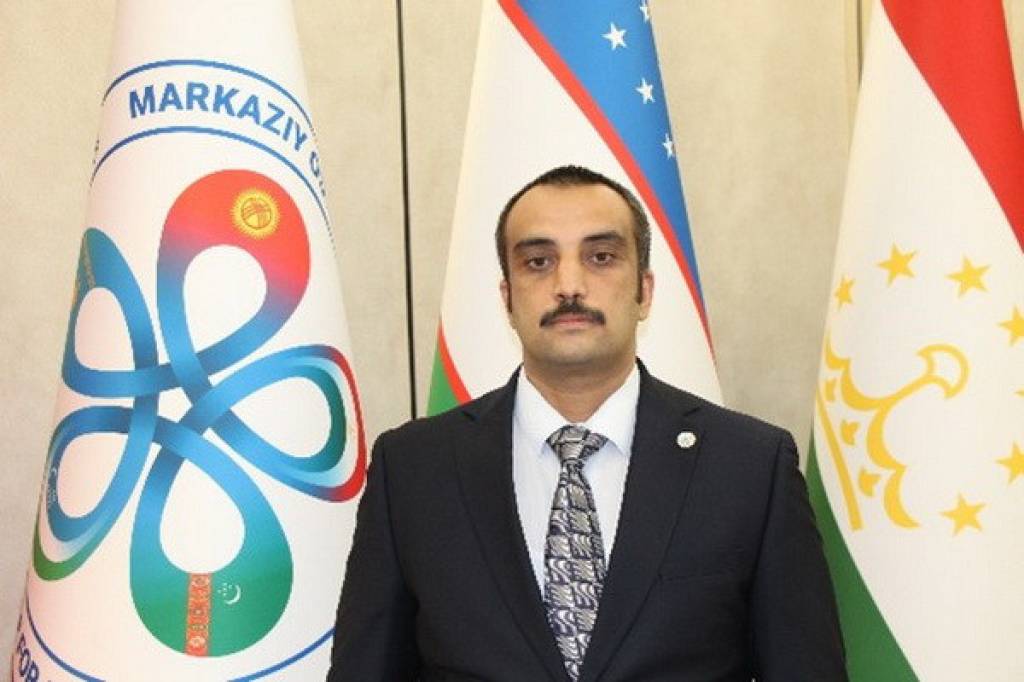
Azer Adigezalov,

Chief Researcher at the International Institute for Central Asia,

Doctor of Philosophy (PhD) in Historical Sciences.