


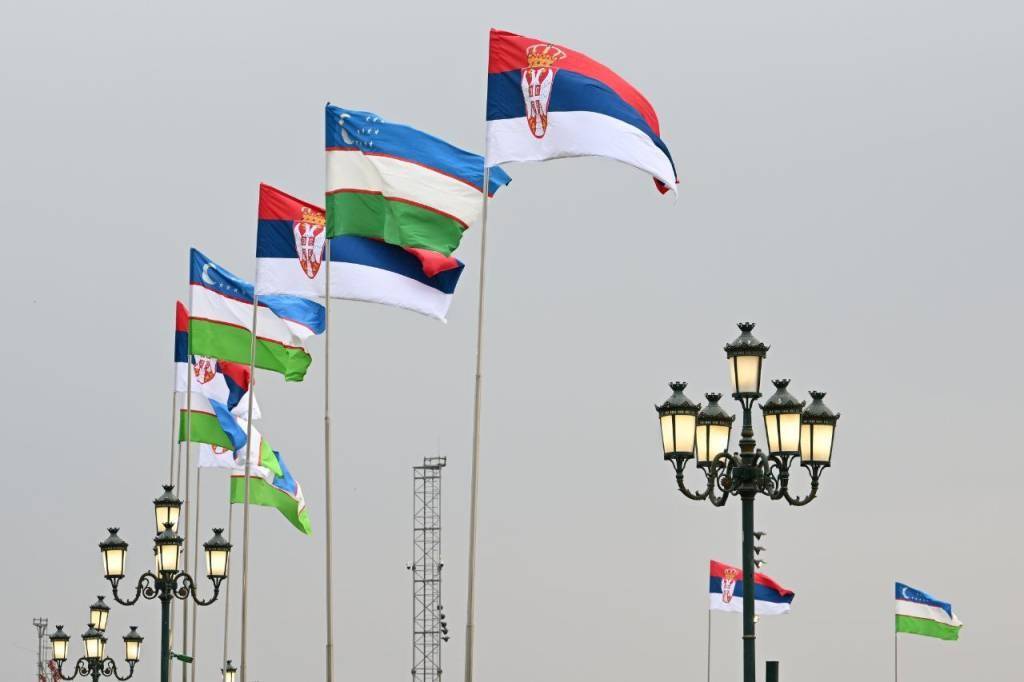
At the invitation of the President of the Republic of Uzbekistan Shavkat Mirziyoyev, the President of Serbia Aleksandar Vučić is paying an official visit to Uzbekistan.
The high-ranking guest held bilateral talks with the Head of State, is getting acquainted with the activities of various institutions, and will take part in the upcoming UNESCO session in Samarkand.
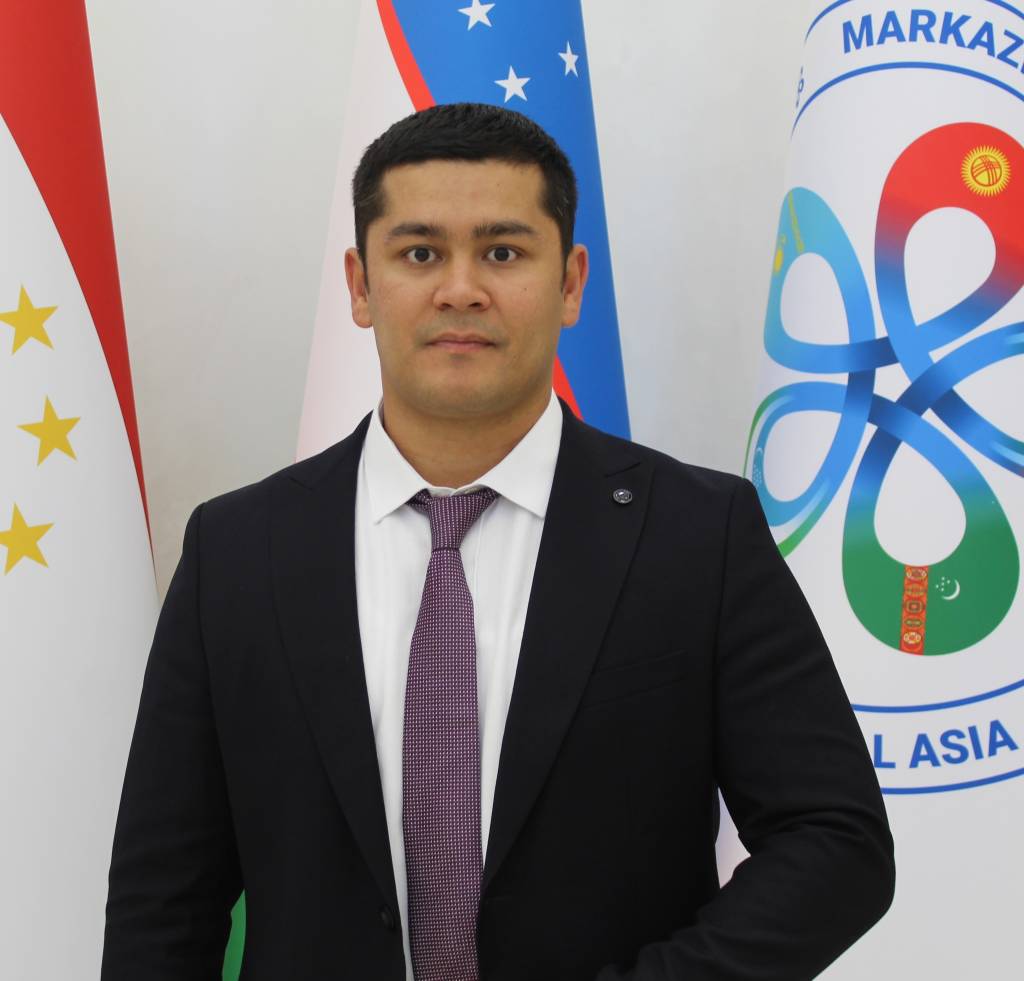
UzA correspondent spoke with Shavkat Alimbekov, Senior Research Fellow at the International Institute for Central Asia, about the partnership between Uzbekistan and Serbia, founded on mutual trust and shared interests.
– The President’s visit will become an essential step in the development of relations, – said Mr. Alimbekov. – Uzbekistan has appointed an ambassador to Serbia, which demonstrates the desire of both sides to elevate cooperation to a systematic, institutional level. The economic dimension also holds a special place in the bilateral agenda. Over the past eight years, trade turnover between the two countries has increased nearly tenfold, reaching almost $20 million. Plans are to establish an Intergovernmental Commission that will serve as a coordinating mechanism for future cooperation.
Another of the most promising areas of cooperation is mechanical engineering. Serbia has extensive experience in the production of automobiles and electronic equipment, which could be in high demand in Uzbekistan. Tashkent offers favorable conditions for manufacturing localization, and the two sides are considering establishing joint ventures and exchanging engineering solutions. This will strengthen industrial partnership and expand production value chains.
The second strategically important area is cooperation in innovation and digital technologies. Both countries attach great importance to the development of high-tech industries. In recent years, Serbia has become an IT hub in the Balkans, while Uzbekistan is rapidly developing its digital economy and startup ecosystem in Central Asia.
A recent visit to Tashkent by a Serbian delegation led by Minister for International Economic Cooperation Nenad Popović helped establish direct contacts between the two countries’ IT sectors. During talks with government officials, the sides discussed joint high-tech projects in new technologies, digital solutions, industrial innovation, IT, and smart infrastructure. Special attention was given to the digitalization of the agricultural sector and to the introduction of agricultural innovations. Joint projects were proposed in viticulture, and an agreement was reached to elevate agricultural cooperation to a new level, including the implementation of precision farming technologies and the creation of research centers.
Plans are underway to establish joint ventures for pharmaceutical production, facilitate the exchange of biotechnology experience, and promote the localization of Serbian companies in Uzbekistan.
An important part of bilateral cooperation is the humanitarian sphere. The Presidents of Uzbekistan and Serbia agreed that a strong foundation of partnership should not be limited to economic agreements, but must also be rooted in friendship and mutual understanding.
One of the key initiatives in this area is expanding academic and educational exchanges. The sides discussed sending Uzbekistan students to study in Serbia and accepting Serbian youth into Uzbekistan educational institutions. Through these programs, future specialists from both countries will become familiar with each other’s languages, cultures, and professional standards.
Uzbekistan students have shown interest in Serbian universities, particularly known for their strong engineering and medical schools, while branches of foreign universities are being established in Tashkent, where experts from Belgrade could teach. This will create a solid foundation for long-term educational partnership and joint training of qualified professionals.
In addition, tourism development occupies a distinct place on the bilateral agenda. Uzbekistan, with its ancient cities along the Great Silk Road and rich cultural heritage, continues to attract tourists from around the world, and Serbia recognizes the country’s strong tourism potential.
In conclusion, new opportunities for cooperation are emerging between the two nations. With this constructive approach, relations between Uzbekistan and Serbia are expected to rise to a qualitatively new level in the coming years. Serbia will serve as a gateway to Europe for Uzbekistan, while Uzbekistan will become Serbia’s key partner for entering the Eurasian market.
Bekhruz Khudoyberdiyev, UzA