In today’s rapidly changing world, marked by various conflicts and a global crisis, the preservation and transmission of humanity’s shared cultural heritage to future generations is acquiring particular relevance.

At a time when the diversity of cultures faces increasing threats due to globalization, the role and responsibility of international organizations such as UNESCO grow significantly.

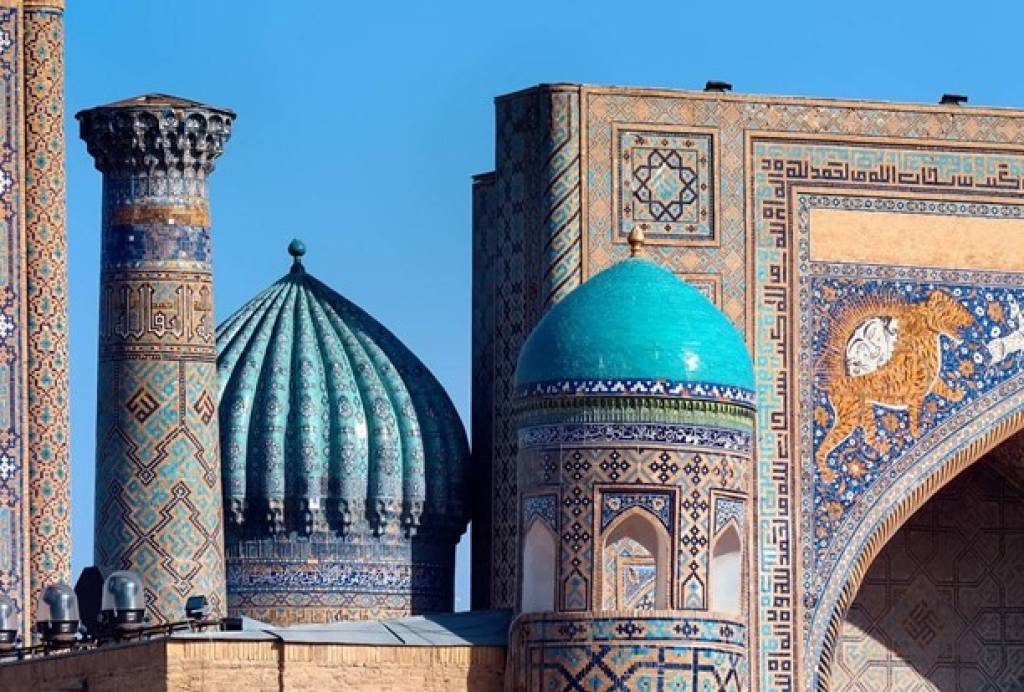
To strengthen international cooperation based on cultural dialogue and mutual understanding, from October 30 to November 13 of this year, the 43rd session of the UNESCO General Conference will, for the first time, be held in Uzbekistan, in the city of Samarkand – the crossroads of cultures and the cradle of civilizations. Undoubtedly, this will become a significant geopolitical and cultural event not only for the country but also for the entire region.

Ahead of the conference, UzA correspondent recorded expert opinions for the project “Dunyoga Nazar” (“A Look at the World”) on the organization’s activities, the international significance of the upcoming event, and the expected outcomes.

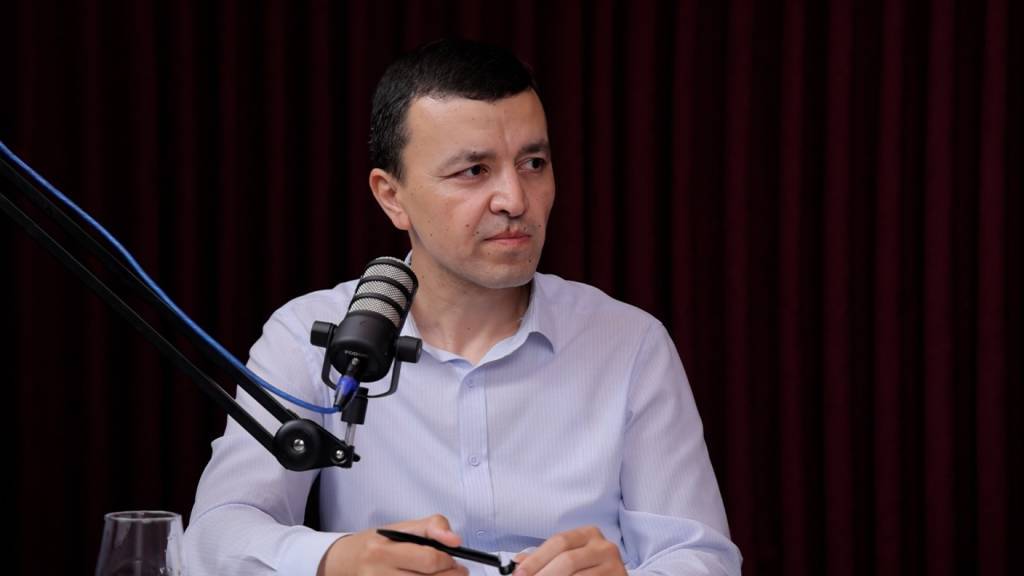
Mukhtor Nazirov, PhD in Political Science:

– For millennia, our region, through the historic Silk Road, has served as a bridge between East and West, and today it continues to contribute to intercultural understanding, knowledge exchange, and the development of global cooperation. In this respect, the choice of Samarkand as the venue for the 43rd session of the UNESCO General Conference is highly symbolic.

It is worth noting that, at a time when numerous confrontations are emerging globally, Central Asia has become a pivotal geopolitical and geoeconomic space of the 21st century. From the perspective of geography, civilization, and resources, this territory serves as a bridge between centers of power. In recent years, Uzbekistan, as an essential element of its foreign policy, has been effectively applying “soft power”. Such a diplomatic approach is based on mutual respect and cultural exchange.

Between 2023 and 2025, our country, as the initiator and organizer of historically significant agreements and summits, has played a crucial role in reshaping the regional political landscape. The signing of the Khujand Declaration of Eternal Friendship between neighboring states, and the first-ever “Central Asia – European Union” summit held in Samarkand, have strengthened the country’s constructive mediating role between East and West.

It is noteworthy that the conference coincides with the year when Samarkand will be granted the status of Cultural Capital of the Islamic World 2025. This highlights the significance of the ancient city as a cultural and historical center.

UNESCO is enhancing its strategy for the protection of culture and the promotion of cultural pluralism in the context of armed conflicts, upholding the principle that cultural diversity serves humanity as a source of strength and change.

The Samarkand conference will provide an opportunity to exchange experiences in this field. Only through joint efforts can we respond to the common calls for an inclusive and sustainable world.

It can be said that this event will demonstrate how cultural diplomacy can serve as a bridge between different worldviews, offer an alternative path to resolving international conflicts without the use of force, and contribute to the establishment of a sustainable global order.

Overall, the holding of the session in Samarkand represents recognition of Uzbekistan’s growing role in advancing the agenda for the preservation of tangible and intangible heritage, as well as global sustainable development.

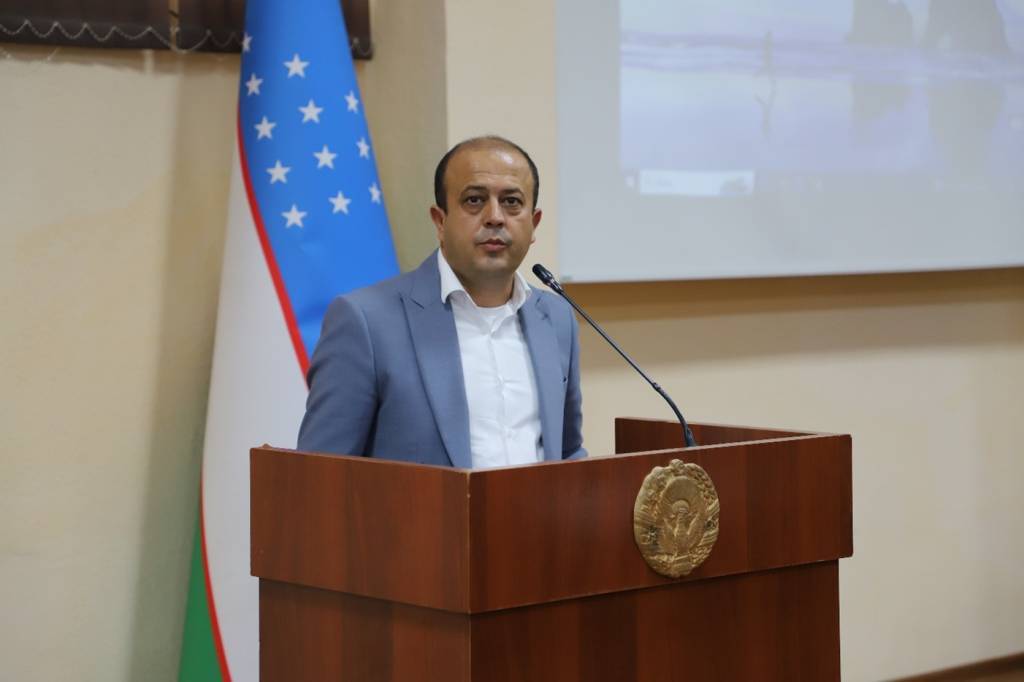
Usmonjon Butayev, Head of the NGO “Istiqbol Research Center”, Doctor of Political Science, Professor:

– The unanimous support for the initiative to hold the 43rd session of the UNESCO General Conference in Samarkand in 2025, expressed at the 42nd session held in Paris on November 7-22, 2023, was perceived by the international community as an essential event.

The upcoming conference coincides with the 80th anniversary of the organization.

Between 2017 and 2023, 14 examples of national heritage were inscribed on the UNESCO list. The city of Bukhara was included in the organization’s “Creative Cities Network”. In September 2023, the 1,050th anniversary of the great scholar and encyclopedist Abu Rayhan Beruni was widely celebrated at UNESCO headquarters.

Our country has become a member of the International Centre for the Study of the Preservation and Restoration of Cultural Property. A UNESCO Chair has been established at the Silk Road International University of Tourism and Cultural Heritage in Samarkand. Last year, the implementation of seven projects in education, culture, digital, and innovative technologies was launched. The UNESCO special list has also included the Cold Winter Deserts of Turan and the Zarafshan – Karakum Corridor of the Silk Road, sericulture, the art of making and playing the rubab, the traditions of iftar, the archive of the Emir of Bukhara’s chancellery, the “Turkestan Album”, and the “Photo Album of Khudaybergan Devanov”.

Naturally, the question arises: what should we expect from the 43rd session of the UNESCO General Conference?

Firstly, the event will be characterized by the creation and dissemination of audio, media, and audiovisual works, as well as the placement of materials on social networks and their extensive promotion. This process will contribute to popularizing the rich cultural heritage of our country and showcasing Uzbekistan’s cultural diplomacy on the international stage.

Secondly, according to the Presidential Resolution “On measures to prepare for the 43rd session of the UNESCO General Conference in the city of Samarkand in 2025”, of March 15, 2024, plans include the publication of a photo album book “Samarkand – At the Crossroads of World Civilizations” in Uzbek, Russian, English, and French, the creation of a series of postage stamps and envelopes, the release of calendars and visual promotional materials, as well as commemorative silver and gold coins. These measures are expected to contribute to an increase in tourist inflow to our country.

Thirdly, it is expected that more than 5,000 participants from 194 countries, including 400 UNESCO Secretariat staff, will take part in the events of the 43rd session. Heads of state, leaders of international organizations, ministers, and ambassadors will also arrive in Samarkand. Guests will be accommodated in 1,176 rooms at eight hotels of the Silk Road Samarkand complex and 4,178 rooms in another 130 hotels. To acquaint participants with Uzbekistan’s cultural heritage, trips to Tashkent, Bukhara, and Khiva are planned, along with various cultural programs, excursions, and receptions.

In conclusion, I can say that the upcoming major global forum will once again demonstrate to the international community the civilizational potential of Uzbekistan and the countries of Central Asia.

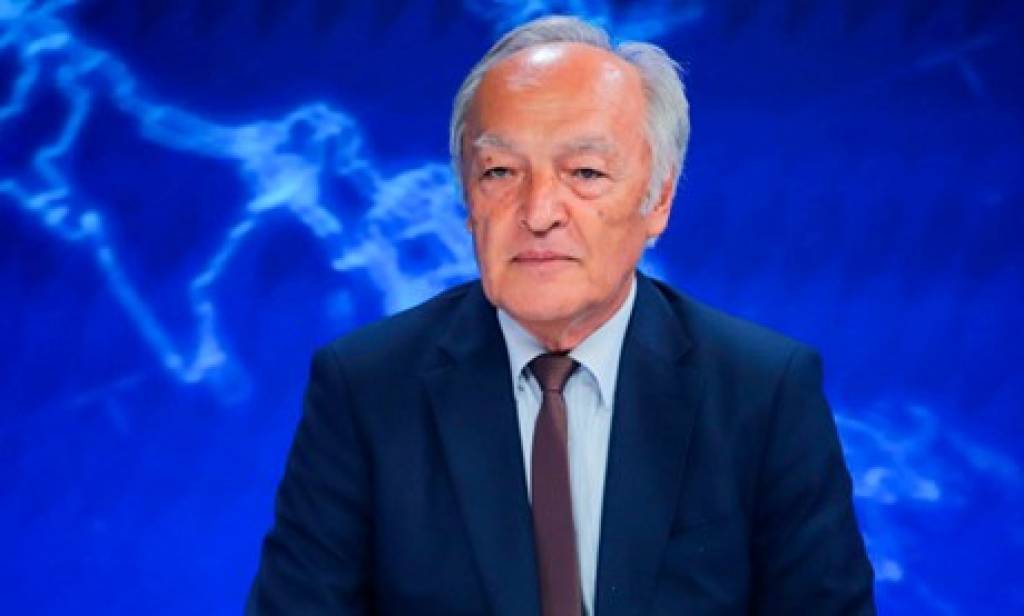
Shoislom Akmalov, Associate Professor at the International Islamic Academy of Uzbekistan:

– During the years of independent development, Uzbekistan has demonstrated the richness of its ancient cultural and spiritual heritage. The contribution of our ancestors to the history of various regions is recognized and requires no further proof.

It should be noted that this international forum will, for the first time since 1985, be held outside UNESCO headquarters in Paris, in our country. The event, which will bring together representatives of UNESCO member states and many international organizations, will play a significant role in determining the key strategic directions of UNESCO’s work.

Undoubtedly, this event will instill a sense of pride in each of our compatriots. It is gratifying that the country’s status on the international stage is rising. As a result, it has the opportunity to host events of global significance, and its potential and experience in organizing prestigious events at the highest level are growing.

This reinforces Uzbekistan’s image as an open and peace-loving country, one that is ready for cooperation. The hosting of such prestigious events confirms that our state is deeply aware of its responsibility to the international community and makes a significant contribution to finding solutions to global challenges.

Interviewed by Utkir Alimov, UzA

English
Chinese
Turkish
Tajik
Kyrgyz
Turkmen
Japanese
Arabic
English
French
Spanish
Русский
German
Ўзбек
Oʻzbek
Қазақ
UNESCO-43: From Paris to Samarkand…
In today’s rapidly changing world, marked by various conflicts and a global crisis, the preservation and transmission of humanity’s shared cultural heritage to future generations is acquiring particular relevance.

At a time when the diversity of cultures faces increasing threats due to globalization, the role and responsibility of international organizations such as UNESCO grow significantly.

To strengthen international cooperation based on cultural dialogue and mutual understanding, from October 30 to November 13 of this year, the 43rd session of the UNESCO General Conference will, for the first time, be held in Uzbekistan, in the city of Samarkand – the crossroads of cultures and the cradle of civilizations. Undoubtedly, this will become a significant geopolitical and cultural event not only for the country but also for the entire region.

Ahead of the conference, UzA correspondent recorded expert opinions for the project “Dunyoga Nazar” (“A Look at the World”) on the organization’s activities, the international significance of the upcoming event, and the expected outcomes.

Mukhtor Nazirov, PhD in Political Science:
– For millennia, our region, through the historic Silk Road, has served as a bridge between East and West, and today it continues to contribute to intercultural understanding, knowledge exchange, and the development of global cooperation. In this respect, the choice of Samarkand as the venue for the 43rd session of the UNESCO General Conference is highly symbolic.

It is worth noting that, at a time when numerous confrontations are emerging globally, Central Asia has become a pivotal geopolitical and geoeconomic space of the 21st century. From the perspective of geography, civilization, and resources, this territory serves as a bridge between centers of power. In recent years, Uzbekistan, as an essential element of its foreign policy, has been effectively applying “soft power”. Such a diplomatic approach is based on mutual respect and cultural exchange.

Between 2023 and 2025, our country, as the initiator and organizer of historically significant agreements and summits, has played a crucial role in reshaping the regional political landscape. The signing of the Khujand Declaration of Eternal Friendship between neighboring states, and the first-ever “Central Asia – European Union” summit held in Samarkand, have strengthened the country’s constructive mediating role between East and West.

It is noteworthy that the conference coincides with the year when Samarkand will be granted the status of Cultural Capital of the Islamic World 2025. This highlights the significance of the ancient city as a cultural and historical center.

UNESCO is enhancing its strategy for the protection of culture and the promotion of cultural pluralism in the context of armed conflicts, upholding the principle that cultural diversity serves humanity as a source of strength and change.

The Samarkand conference will provide an opportunity to exchange experiences in this field. Only through joint efforts can we respond to the common calls for an inclusive and sustainable world.

It can be said that this event will demonstrate how cultural diplomacy can serve as a bridge between different worldviews, offer an alternative path to resolving international conflicts without the use of force, and contribute to the establishment of a sustainable global order.

Overall, the holding of the session in Samarkand represents recognition of Uzbekistan’s growing role in advancing the agenda for the preservation of tangible and intangible heritage, as well as global sustainable development.

Usmonjon Butayev, Head of the NGO “Istiqbol Research Center”, Doctor of Political Science, Professor:
– The unanimous support for the initiative to hold the 43rd session of the UNESCO General Conference in Samarkand in 2025, expressed at the 42nd session held in Paris on November 7-22, 2023, was perceived by the international community as an essential event.

The upcoming conference coincides with the 80th anniversary of the organization.

Between 2017 and 2023, 14 examples of national heritage were inscribed on the UNESCO list. The city of Bukhara was included in the organization’s “Creative Cities Network”. In September 2023, the 1,050th anniversary of the great scholar and encyclopedist Abu Rayhan Beruni was widely celebrated at UNESCO headquarters.

Our country has become a member of the International Centre for the Study of the Preservation and Restoration of Cultural Property. A UNESCO Chair has been established at the Silk Road International University of Tourism and Cultural Heritage in Samarkand. Last year, the implementation of seven projects in education, culture, digital, and innovative technologies was launched. The UNESCO special list has also included the Cold Winter Deserts of Turan and the Zarafshan – Karakum Corridor of the Silk Road, sericulture, the art of making and playing the rubab, the traditions of iftar, the archive of the Emir of Bukhara’s chancellery, the “Turkestan Album”, and the “Photo Album of Khudaybergan Devanov”.

Naturally, the question arises: what should we expect from the 43rd session of the UNESCO General Conference?

Firstly, the event will be characterized by the creation and dissemination of audio, media, and audiovisual works, as well as the placement of materials on social networks and their extensive promotion. This process will contribute to popularizing the rich cultural heritage of our country and showcasing Uzbekistan’s cultural diplomacy on the international stage.

Secondly, according to the Presidential Resolution “On measures to prepare for the 43rd session of the UNESCO General Conference in the city of Samarkand in 2025”, of March 15, 2024, plans include the publication of a photo album book “Samarkand – At the Crossroads of World Civilizations” in Uzbek, Russian, English, and French, the creation of a series of postage stamps and envelopes, the release of calendars and visual promotional materials, as well as commemorative silver and gold coins. These measures are expected to contribute to an increase in tourist inflow to our country.

Thirdly, it is expected that more than 5,000 participants from 194 countries, including 400 UNESCO Secretariat staff, will take part in the events of the 43rd session. Heads of state, leaders of international organizations, ministers, and ambassadors will also arrive in Samarkand. Guests will be accommodated in 1,176 rooms at eight hotels of the Silk Road Samarkand complex and 4,178 rooms in another 130 hotels. To acquaint participants with Uzbekistan’s cultural heritage, trips to Tashkent, Bukhara, and Khiva are planned, along with various cultural programs, excursions, and receptions.

In conclusion, I can say that the upcoming major global forum will once again demonstrate to the international community the civilizational potential of Uzbekistan and the countries of Central Asia.

Shoislom Akmalov, Associate Professor at the International Islamic Academy of Uzbekistan:
– During the years of independent development, Uzbekistan has demonstrated the richness of its ancient cultural and spiritual heritage. The contribution of our ancestors to the history of various regions is recognized and requires no further proof.

It should be noted that this international forum will, for the first time since 1985, be held outside UNESCO headquarters in Paris, in our country. The event, which will bring together representatives of UNESCO member states and many international organizations, will play a significant role in determining the key strategic directions of UNESCO’s work.

Undoubtedly, this event will instill a sense of pride in each of our compatriots. It is gratifying that the country’s status on the international stage is rising. As a result, it has the opportunity to host events of global significance, and its potential and experience in organizing prestigious events at the highest level are growing.

This reinforces Uzbekistan’s image as an open and peace-loving country, one that is ready for cooperation. The hosting of such prestigious events confirms that our state is deeply aware of its responsibility to the international community and makes a significant contribution to finding solutions to global challenges.

Interviewed by Utkir Alimov, UzA