


The website of the multimedia platform about Islamic art and culture Bayt Al Fann (UK) published an interview with Uzbekistan’s Ambassador for Tourism to the UK Sophie Ibbotson “Unexplored Uzbekistan”.
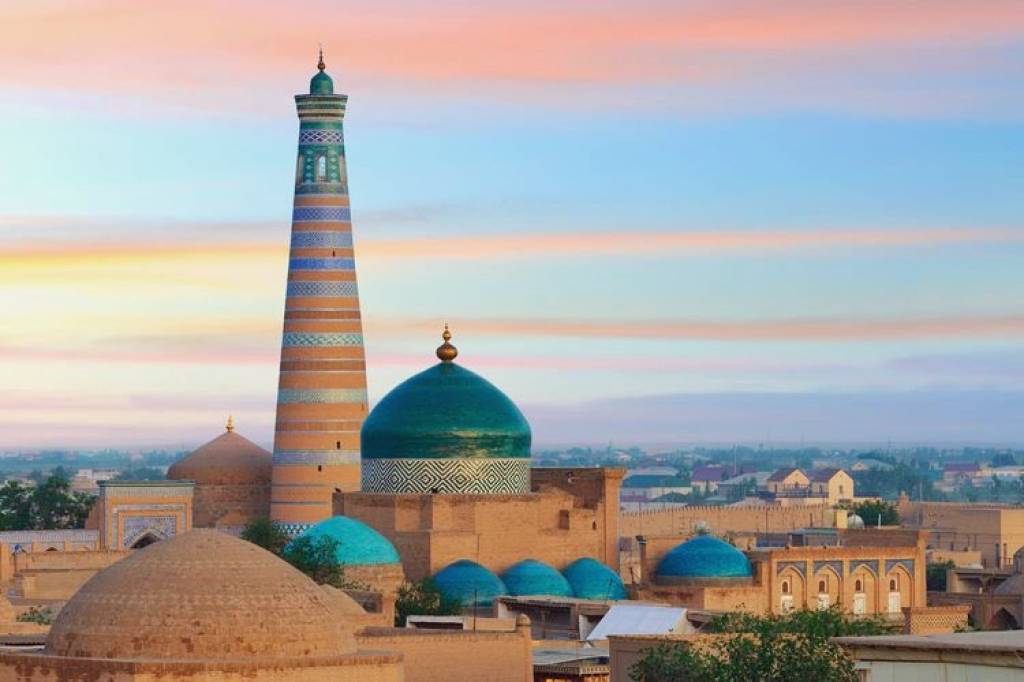
In the article, Uzbekistan is presented as “an intriguing place to visit, famous for its Silk Route cities of Bukhara, Khiva, and Samarkand. It is double the size of the United Kingdom, and boasts of ancient history and rich cultural heritage”.
Sophie Ibbotson emphasizes that Uzbekistan is the heart of the Silk Road.
“Nearly everything about modern Uzbekistan, from the ethnic and cultural makeup of the population to the styles of architecture and food, the languages which are spoken and the trading partnerships which thrive, is the result of the web of economic and cultural ties forged by what we call the Silk Road”, she says.
Highlighting several key aspects, the Tourism Ambassador notes the significant intangible cultural heritage of Uzbekistan, the traditions of which are rooted in thousands of years of history, they are still evolving today and can be seen in music and dance, storytelling and food, and also in handicrafts.
According to her, special pleasure comes from the opportunity to sit in a workshop and watch artisans weaving, carving, and painting, or listening as the sounds of a doira (drum), rubab (long-necked stringed instrument) or nay (flute) float across the rooftops in an evening.
The archaeological heritage of Uzbekistan, especially in pre-Islamic history, is noted. Including, numerous sites dating from the time of Alexander the Great, including his fortress and koriz (subterranean water channels) in Navoi Region, and the city of Alexandria on the Oxus (also known as Kampir Tepe) near Termez, desert fortresses in Karakalpakstan, Buddhist stupas and Zoroastrian towers of silence, petroglyphs of wild animals and hunters, and others.
Along with this, Sophie Ibbotson emphasized the contribution of famous figures from Uzbekistan to the history of Islam, in whose honor memorial complexes were created, including Imam Bukhari near Samarkand and the Bahauddin Naqshbandi mausoleum in Bukhara.
In the context of the promotion of Uzbekistan, it is noted that the country “is opening up to the outside world again after years of isolation. One of the ways in which we are bringing Uzbekistan to a wider audience is by hosting international events. The Silk Road Literature Festival will be held in Tashkent and Bukhara this year, and the Sharq Taronalari (a world music festival) will take place in Samarkand in August. In 2023, Samarkand will be the host city of the UNWTO General Assembly, so that will definitely cast a spotlight on Uzbekistan’s tourism destinations and culture”.
Sophie Ibbotson notes with satisfaction the rapidly growing tourism sector in Uzbekistan, “my hope and aspiration is that development will be sustainable economically, environmentally, and socially so that it brings as many benefits as possible to Uzbekistan and to those tourists fortunate enough to visit. The flow of tourists between the UK and Uzbekistan certainly strengthens the relationship between the two countries, not only in physical terms such as the availability of direct flights from London to Tashkent, but also culturally and diplomatically. British tourists visiting Uzbekistan for the first time often have no idea what to expect, but during their trip they are invariably awed by the richness of the cultural heritage and the warmth of the hospitality, as well as by how well-developed and clean Uzbekistan’s cities are. When they return home, they are effusive ambassadors for Uzbekistan, recommending it to their families, friends, and colleagues” she writes.