Tudakul to become a major tourism hub
Tourism is more than travel. It plays a vital role in regional economic development, job creation, entrepreneurship, and the thoughtful preservation of natural resources. Destinations that blend natural beauty with modern infrastructure are especially appealing to tourists.
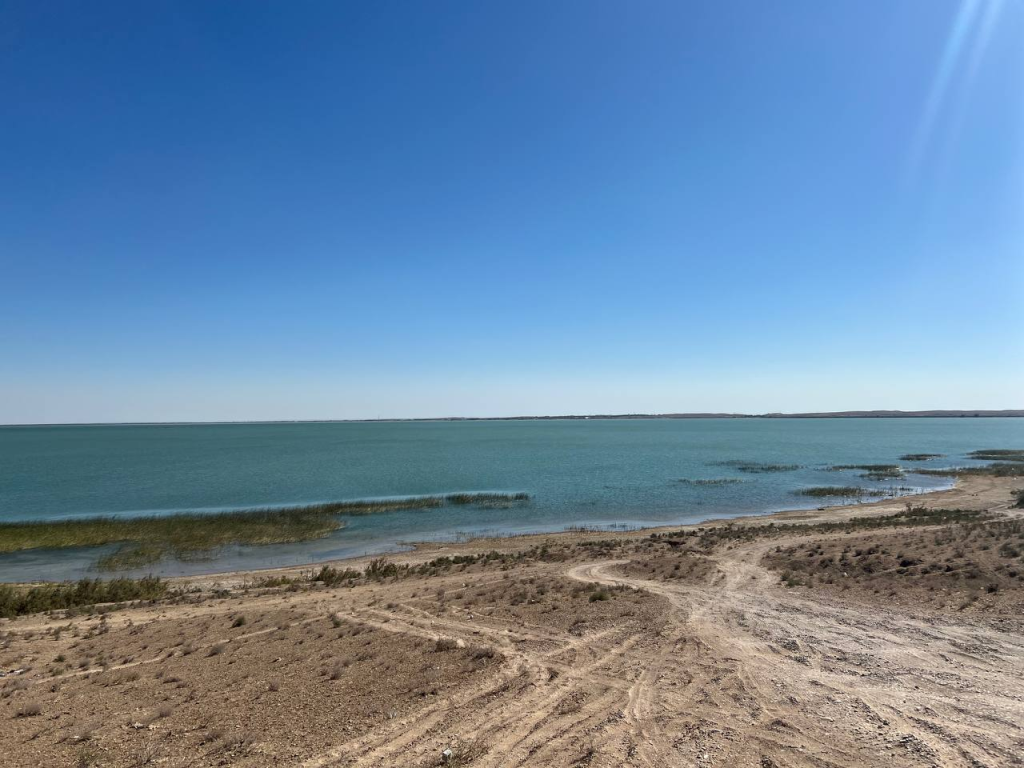
Situated on the border between Bukhara and Navoi regions, the Tudakul Reservoir is a destination with enormous potential. Its seemingly endless waters, expansive shoreline, distinctive natural environment, and strategic location offer significant opportunities to develop new forms of tourism.
The Resolution of the President of the Republic of Uzbekistan of September 3, 2026, which sets out key measures to establish the 6,500-hectare Tudakul Tourist and Recreational Zone in Qiziltepa district, has created a solid legal framework for turning these opportunities into concrete projects.
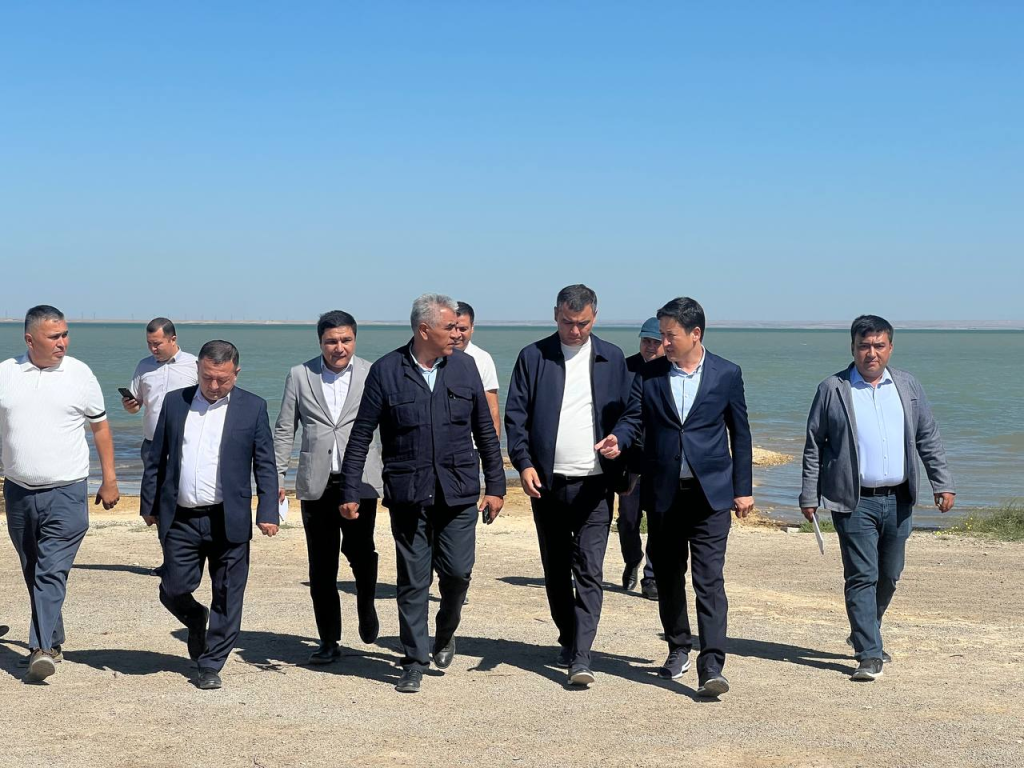
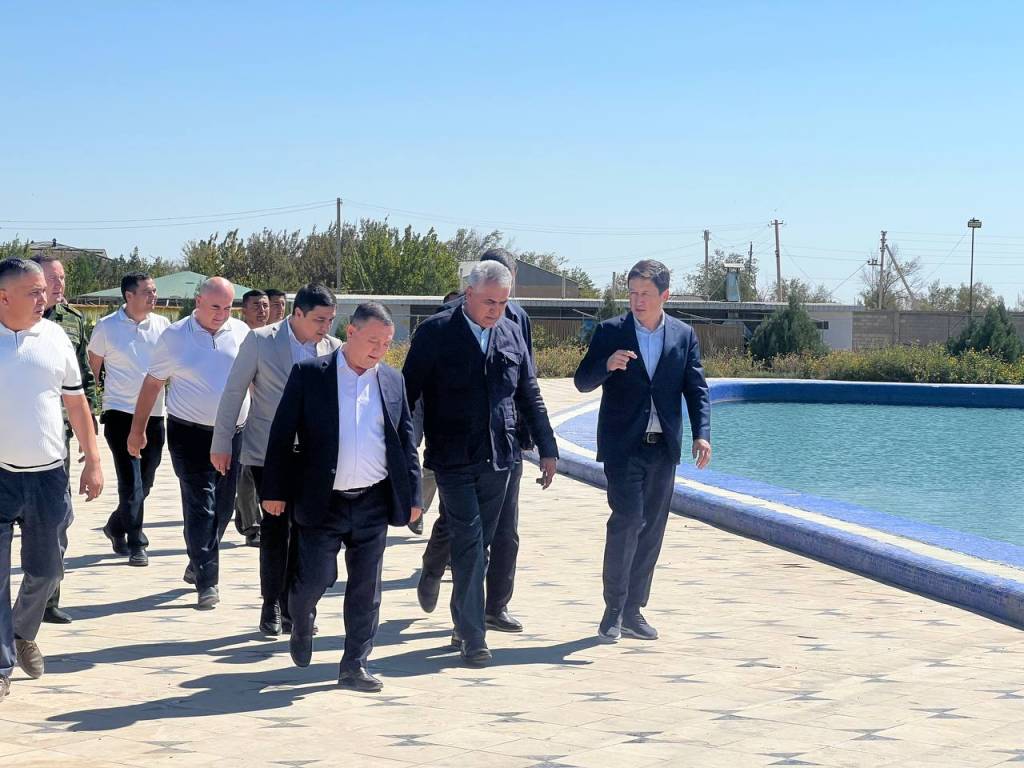
The project’s transition to the implementation phase is also evidenced by a visit to Bukhara and Navoi regions by a working group led by A. Akkulov, Chairman of the Tourism Committee, to assess on site the establishment of the Tudakul Tourist and Recreational Zone.
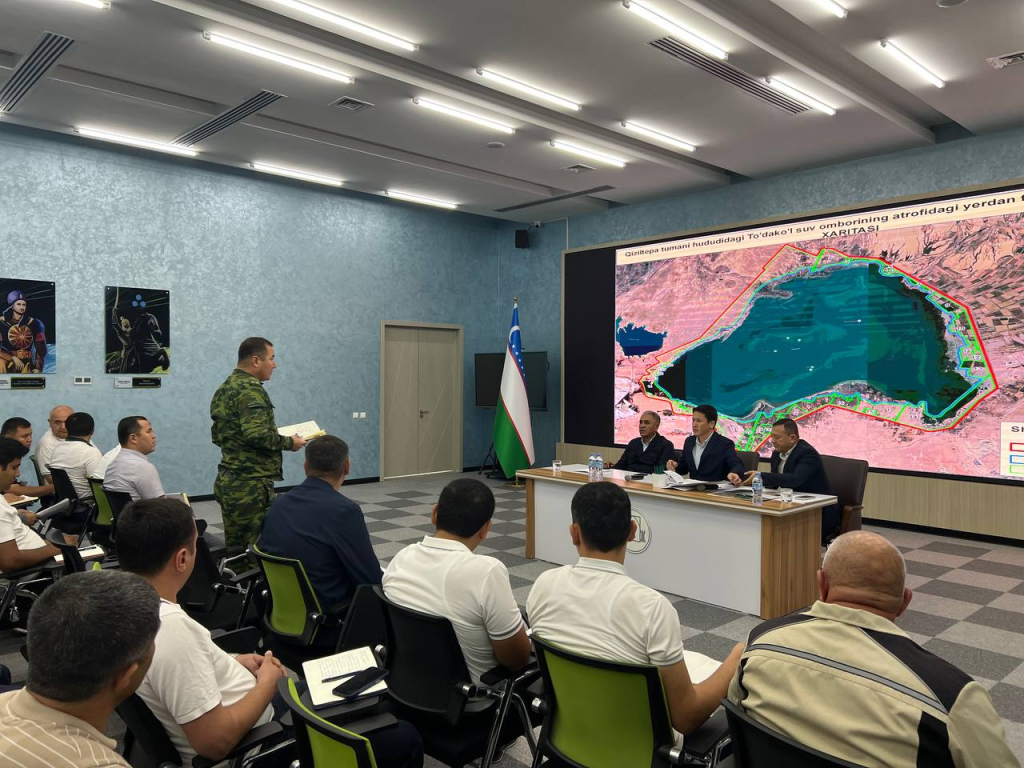
The Tudakul Reservoir is one of the country’s largest bodies of water, covering a total area of 21,700 hectares. Recreational areas can be developed along nearly 14 kilometers of its shoreline. This will make it possible to transform Tudakul into a major tourism hub offering high-quality, year-round services to tourists and residents.
The new concept envisages combining several forms of tourism within a single destination. In particular, plans include developing ecotourism, hunting tourism, adventure tourism, recreational tourism, health and wellness tourism, and gastronomic tourism. Visitors will not be limited to relaxing by the water: they will also be able to enjoy the natural surroundings, take part in adventure activities, sample national cuisine, benefit from wellness services, and discover the area’s unique natural environment.
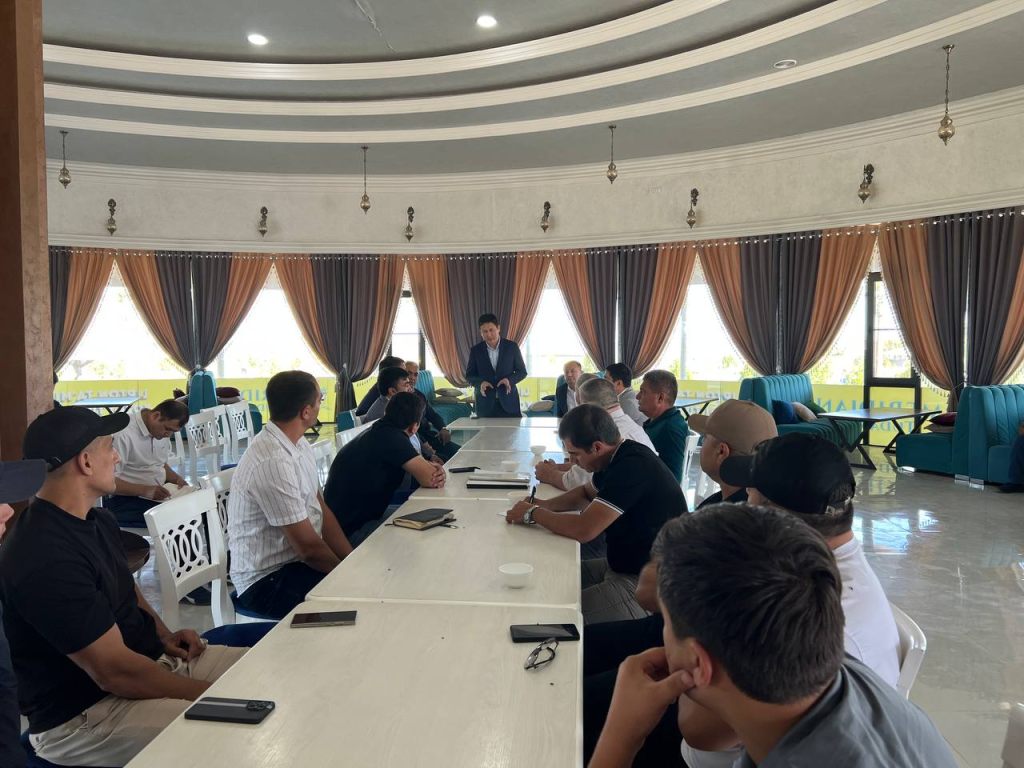
During the visit, the working group inspected facilities established by nearly 30 entrepreneurs. Their presence demonstrates that a strong base of entrepreneurial activity has already emerged in the area. The main task now is to integrate existing opportunities, improve service and infrastructure quality, and ensure the systematic development of Tudakul under a unified tourism brand. To this end, the area is developing a comprehensive master plan.
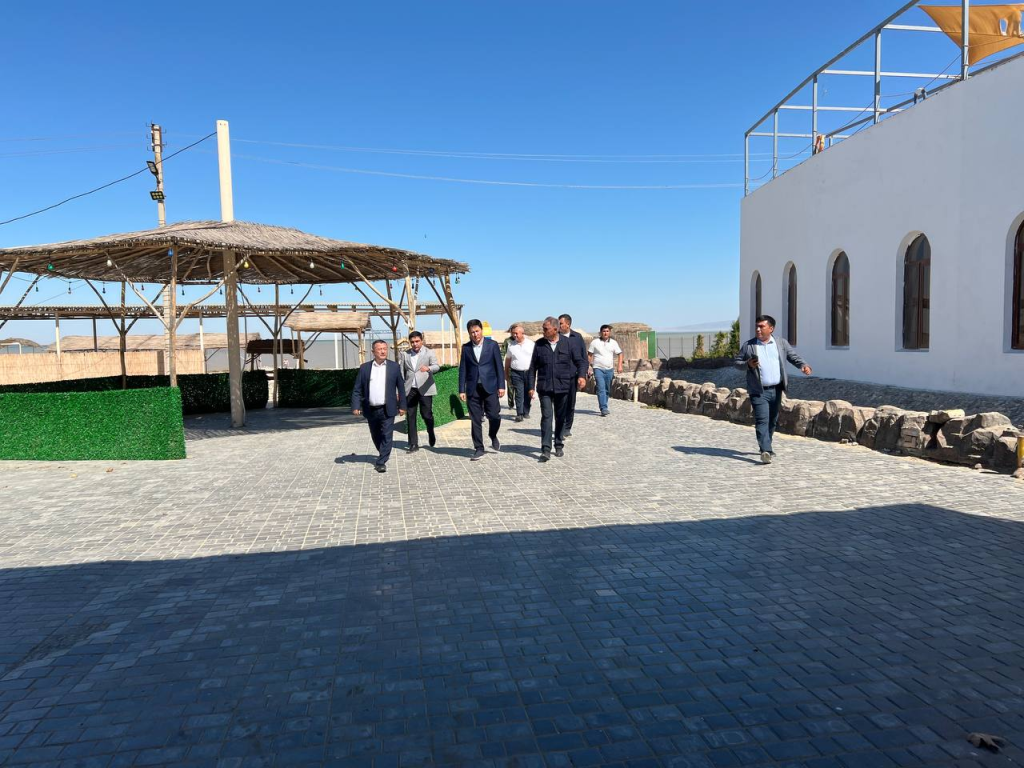
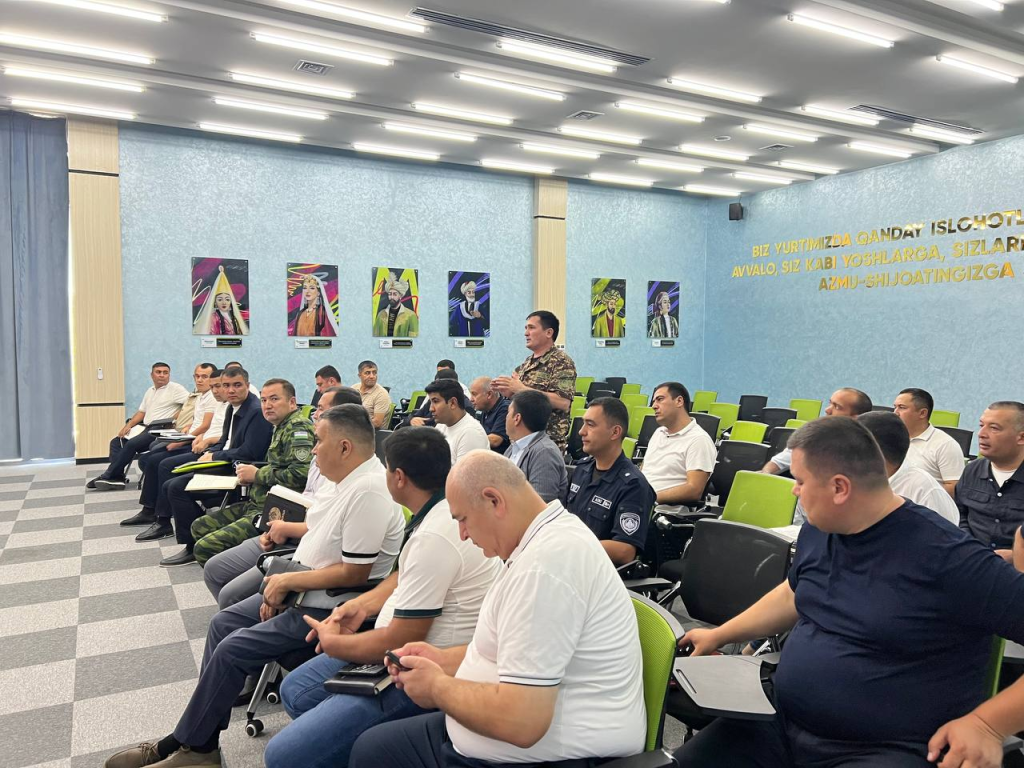
At a meeting attended by officials and other stakeholders, participants identified priority tasks to develop tourism services, establish utility and communications infrastructure, upgrade existing facilities, and implement investment projects. The essence of this approach is straightforward but strategically important: rather than developing isolated facilities that operate independently, Tudakul will become an integrated tourism ecosystem in which individual components complement one another. Establishing the tourist and recreational zone is also expected to create new opportunities for the regional economy.
The development of hotels, recreational areas, food and beverage outlets, entertainment and sports facilities, water tourism infrastructure, as well as handicraft and retail outlets, will not only help create jobs but also expand opportunities for local businesses. Particular importance is being placed on encouraging broad participation of residents in the tourism services sector, enhancing their professional skills, and creating new sources of income.
At the initiative of President Shavkat Mirziyoyev, Uzbekistan continues to consistently implement reforms aimed at developing tourism as one of the strategic sectors of the economy, harnessing the unique potential of the regions, creating new tourist destinations, and fostering favorable conditions for the private sector.
Zarif Komilov, UzA