
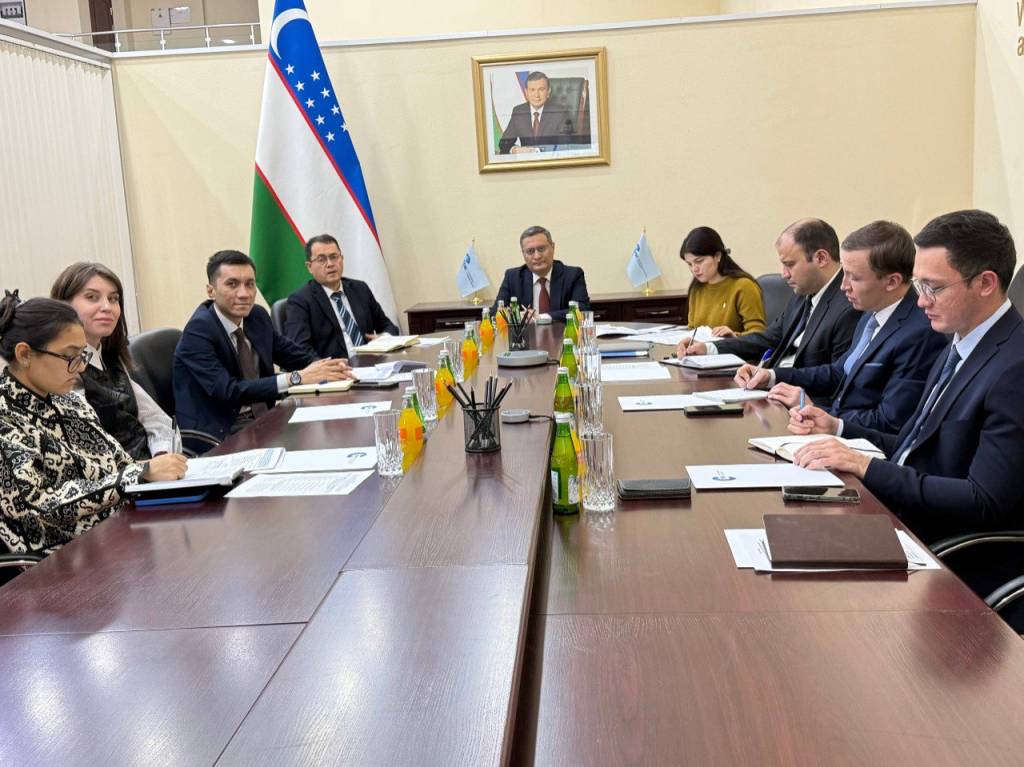
Uzbekistan – China online conference dedicated to the results of the seventh Consultative Meeting of Central Asian leaders was held at the Center for Foreign Policy Studies and International Initiatives in cooperation with the Center for Geopolitical Studies of Xinjiang University.

In their welcoming remarks, Director of the Center for Foreign Policy Studies and International Initiatives, Sanjar Valiyev, and Executive Director of the Center for Geopolitical Studies at Xinjiang University, Jia Guodong, noted that the Consultative Meetings format is taking on the features of a stable regional mechanism. In their view, it contributes to aligning national strategies, developing new areas of cooperation, and improving the governance of cross-border processes.
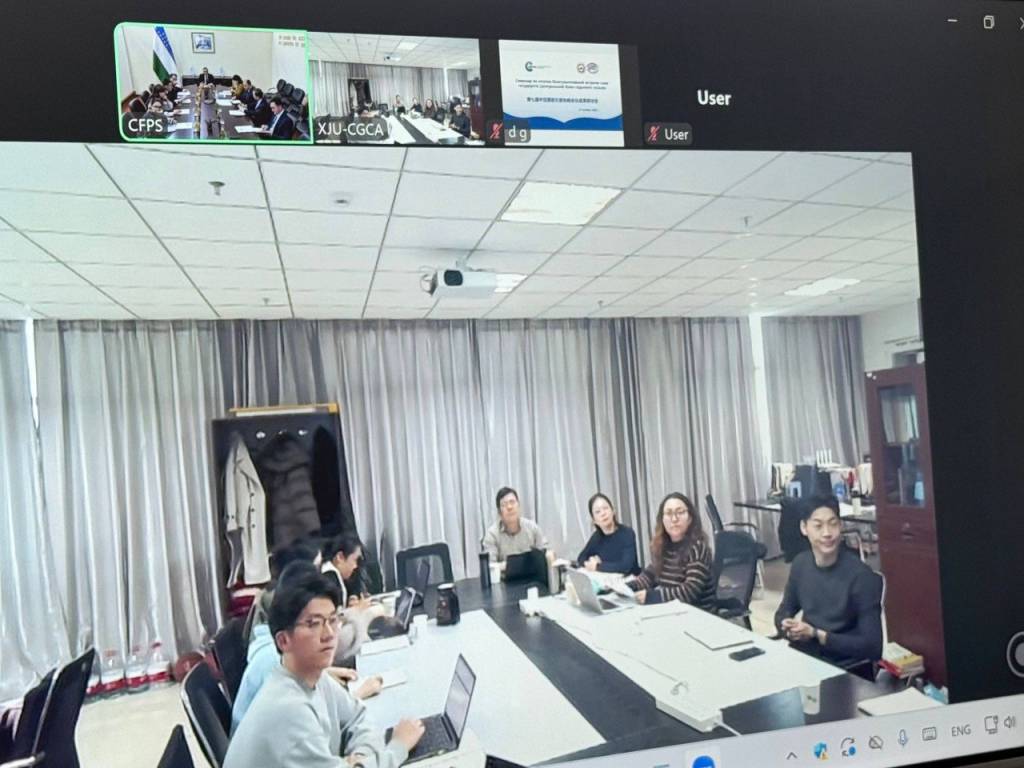
During the discussion, experts examined key issues on the post-summit agenda, including Azerbaijan’s possible accession to the format, changes in the configuration of trade and economic relations, the development of transport connectivity, and the expansion of the treaty framework in the field of regional stability and sustainable development.
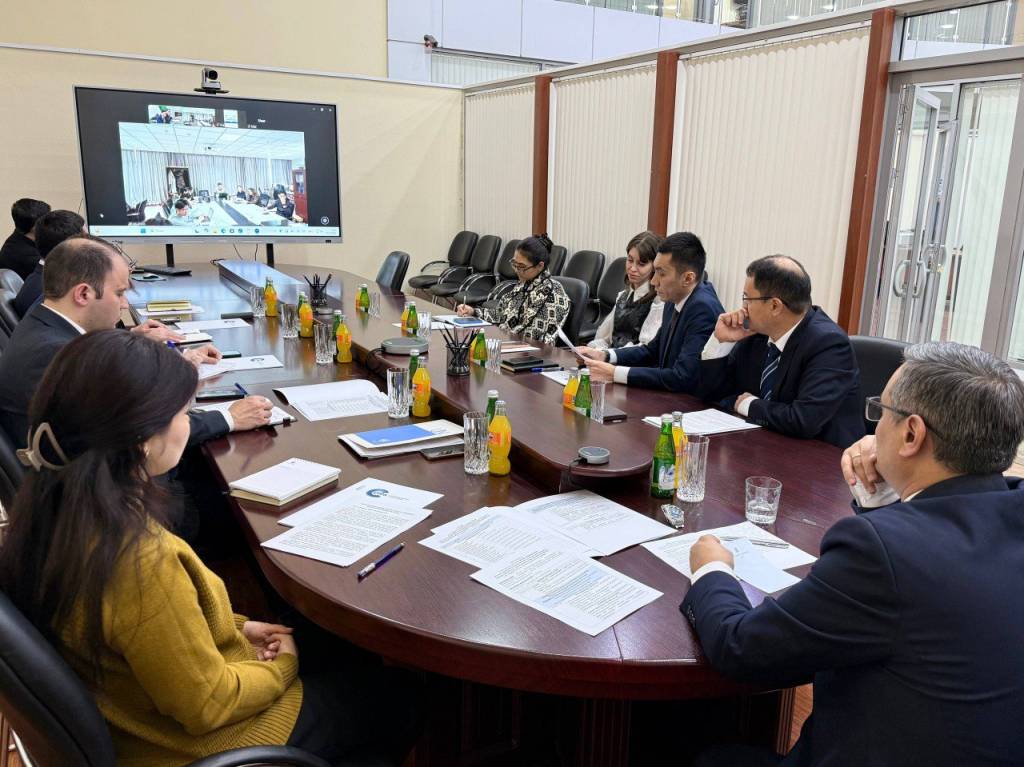
A separate part of the discussion focused on long-term trends in Central Asian regional integration. Specialists emphasized the need to institutionalize the consultative format further, introduce mechanisms to monitor the implementation of agreements, and optimize interaction between Central Asian states and external partners.

Aziza Alimova, UzA

English
Chinese
Turkish
Tajik
Kyrgyz
Turkmen
Japanese
Arabic
English
French
Spanish
Русский
German
Ўзбек
Oʻzbek
Қазақ
The outcomes of the Consultative Meeting of the Heads of State of Central Asia discussed

Uzbekistan – China online conference dedicated to the results of the seventh Consultative Meeting of Central Asian leaders was held at the Center for Foreign Policy Studies and International Initiatives in cooperation with the Center for Geopolitical Studies of Xinjiang University.

In their welcoming remarks, Director of the Center for Foreign Policy Studies and International Initiatives, Sanjar Valiyev, and Executive Director of the Center for Geopolitical Studies at Xinjiang University, Jia Guodong, noted that the Consultative Meetings format is taking on the features of a stable regional mechanism. In their view, it contributes to aligning national strategies, developing new areas of cooperation, and improving the governance of cross-border processes.

During the discussion, experts examined key issues on the post-summit agenda, including Azerbaijan’s possible accession to the format, changes in the configuration of trade and economic relations, the development of transport connectivity, and the expansion of the treaty framework in the field of regional stability and sustainable development.

A separate part of the discussion focused on long-term trends in Central Asian regional integration. Specialists emphasized the need to institutionalize the consultative format further, introduce mechanisms to monitor the implementation of agreements, and optimize interaction between Central Asian states and external partners.

Aziza Alimova, UzA