The neighborhood gym: A hub for a healthy generation
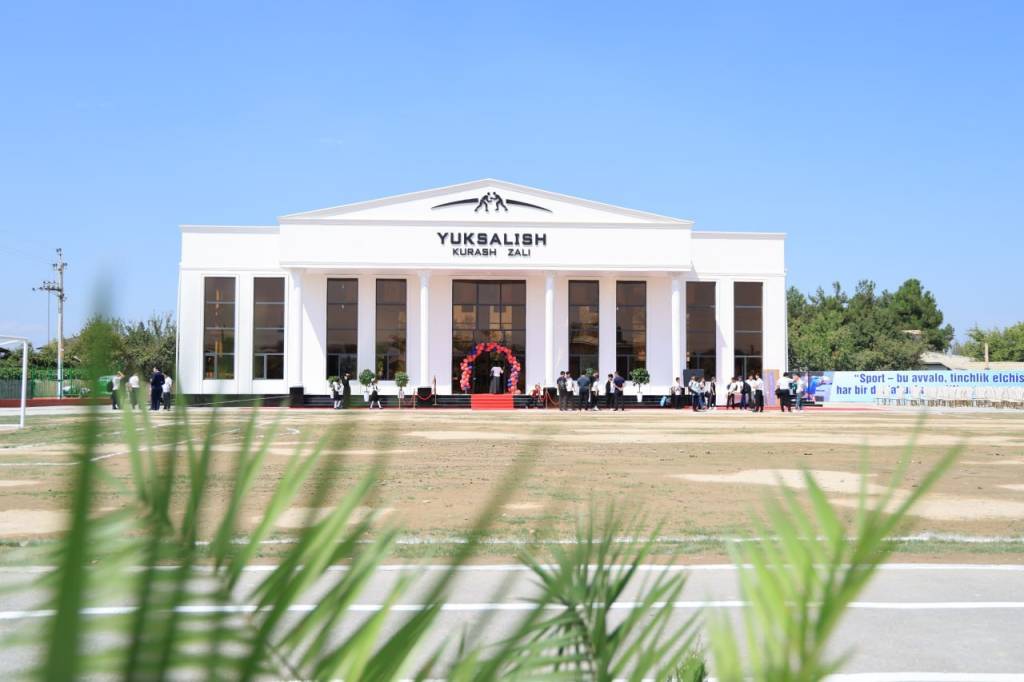
In the Fergana region, special attention is being given to meaningfully organizing the leisure time of young people, widely engaging them in sports, and establishing a healthy lifestyle in local communities. After all, the popularization of sports begins, first and foremost, in the neighborhood. A child's first playground and first competition, in most cases, take place right in their own mahalla.
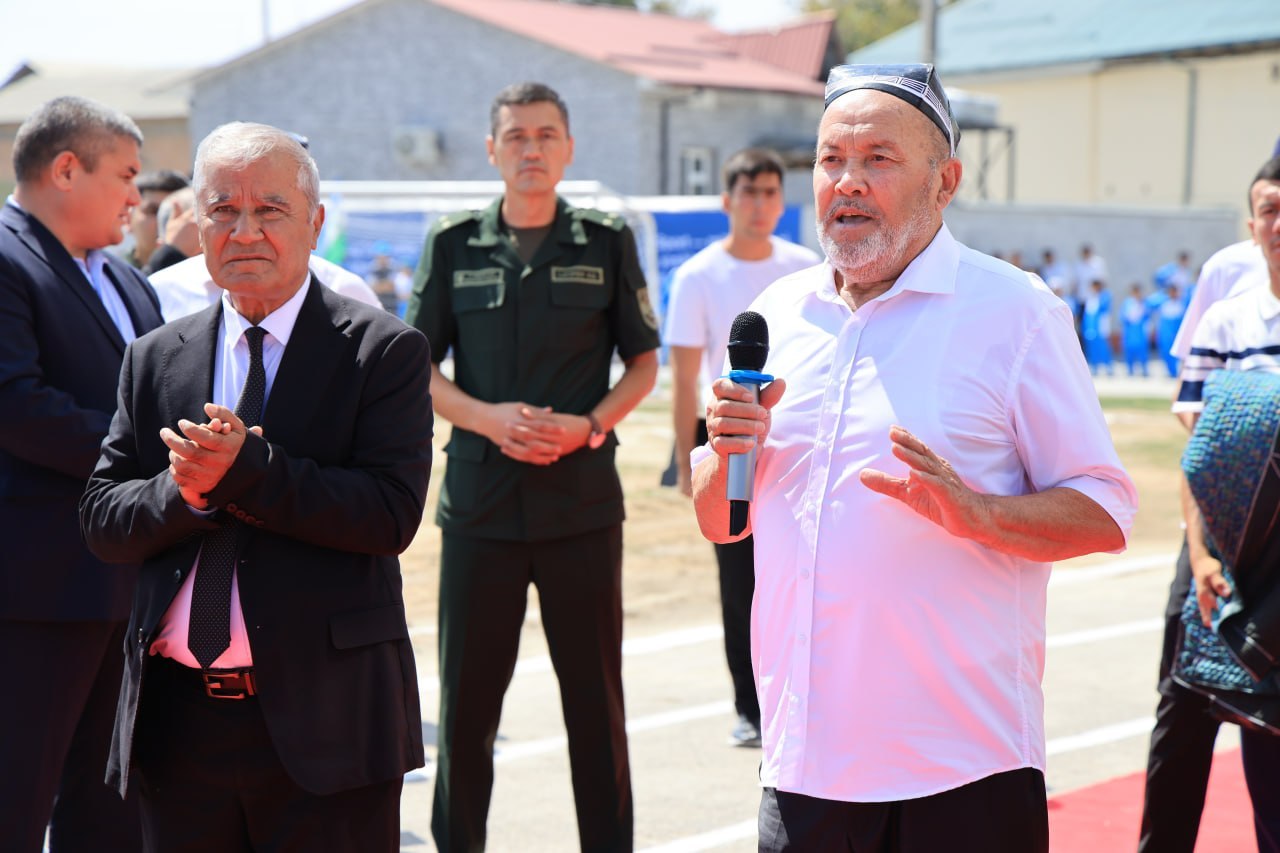
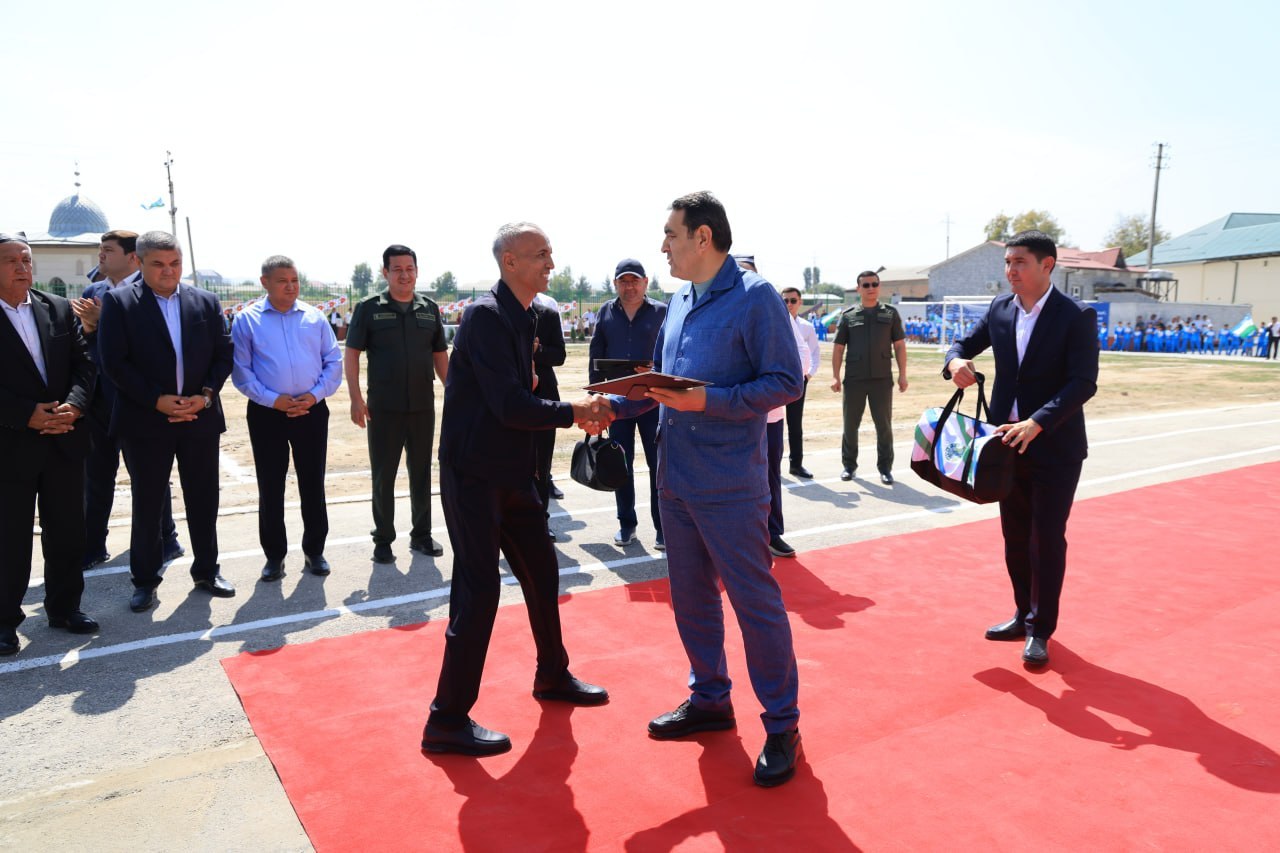
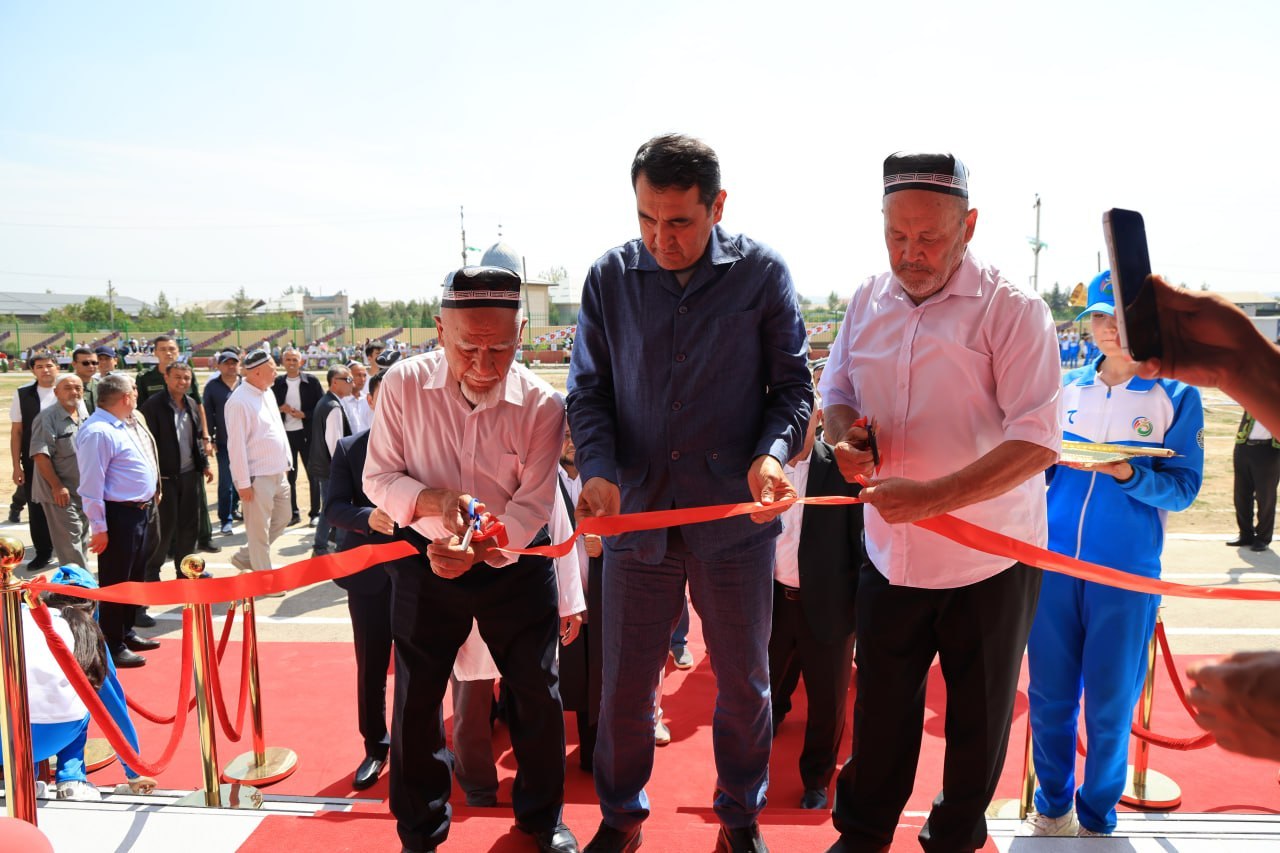
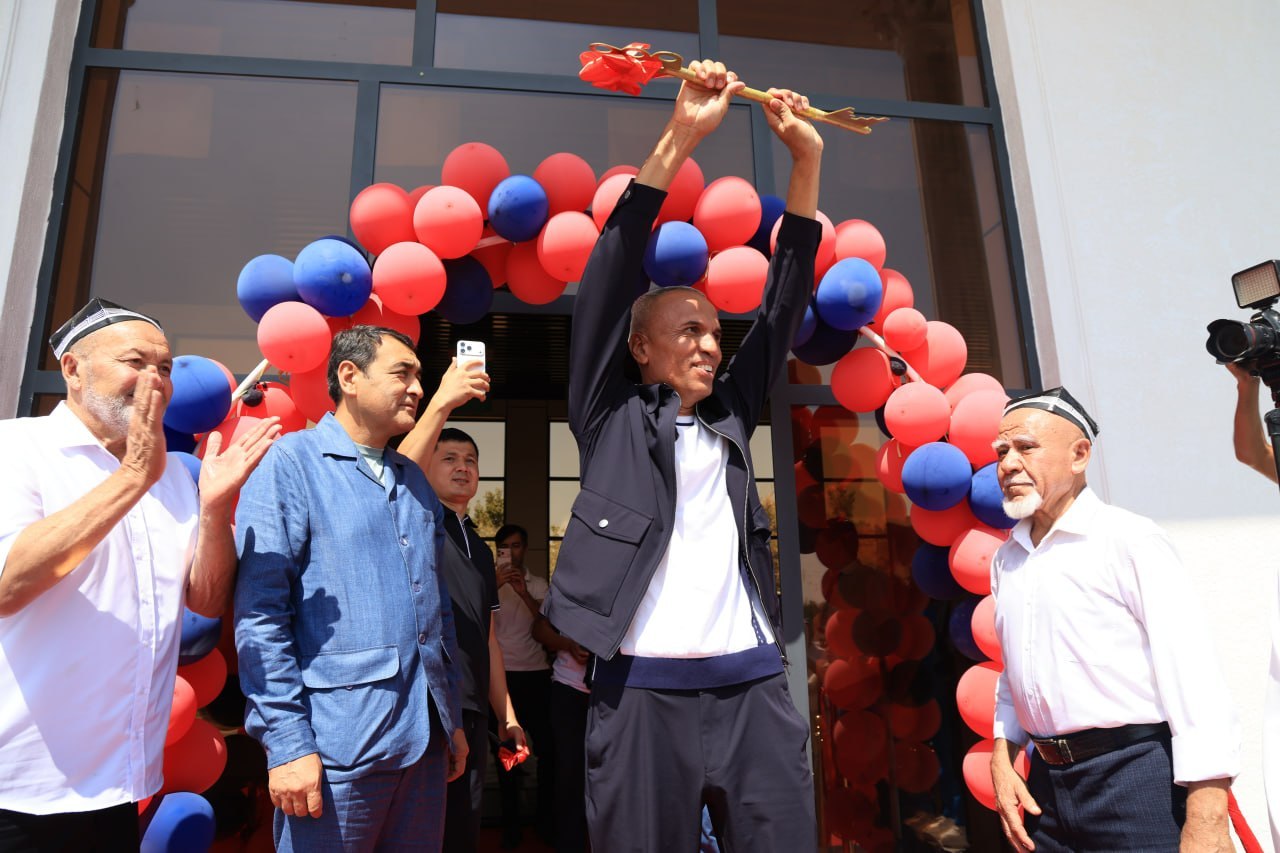
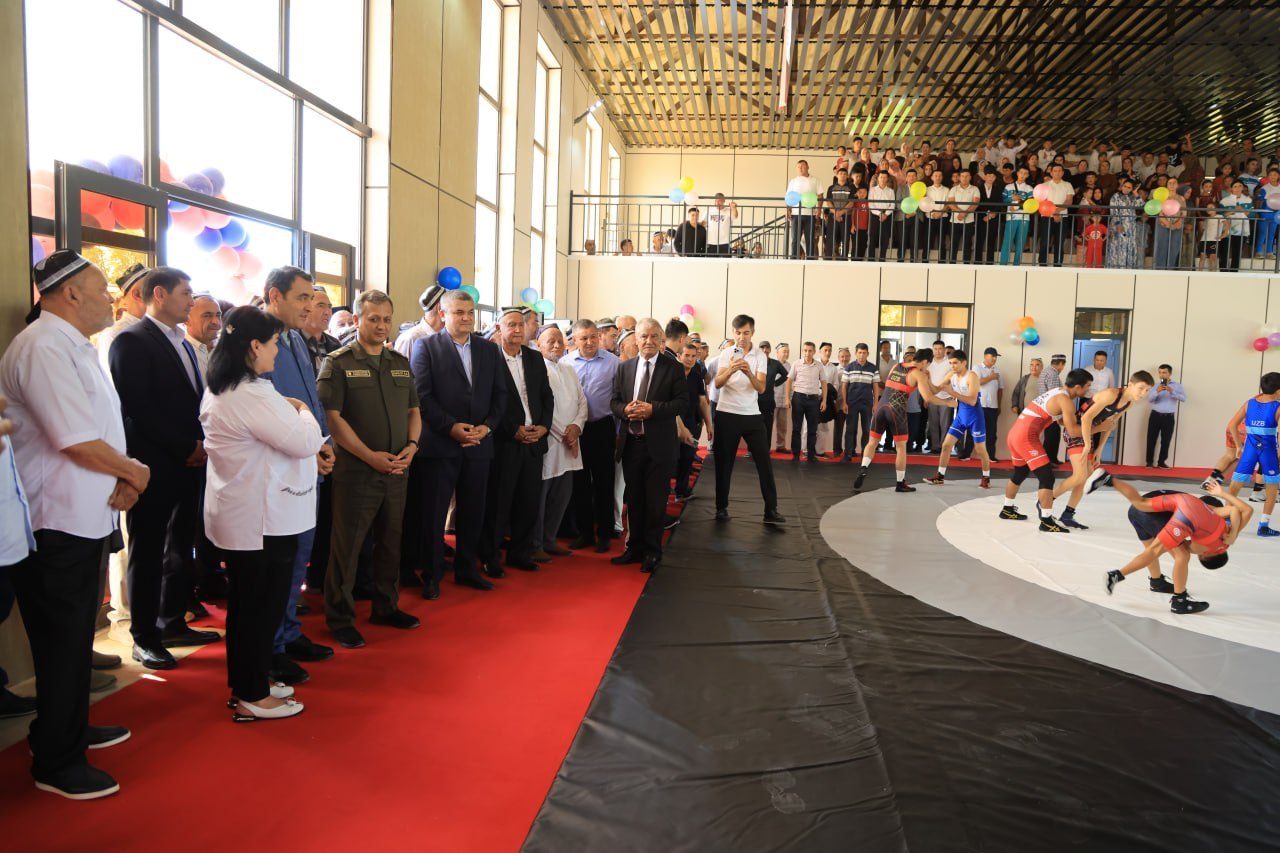
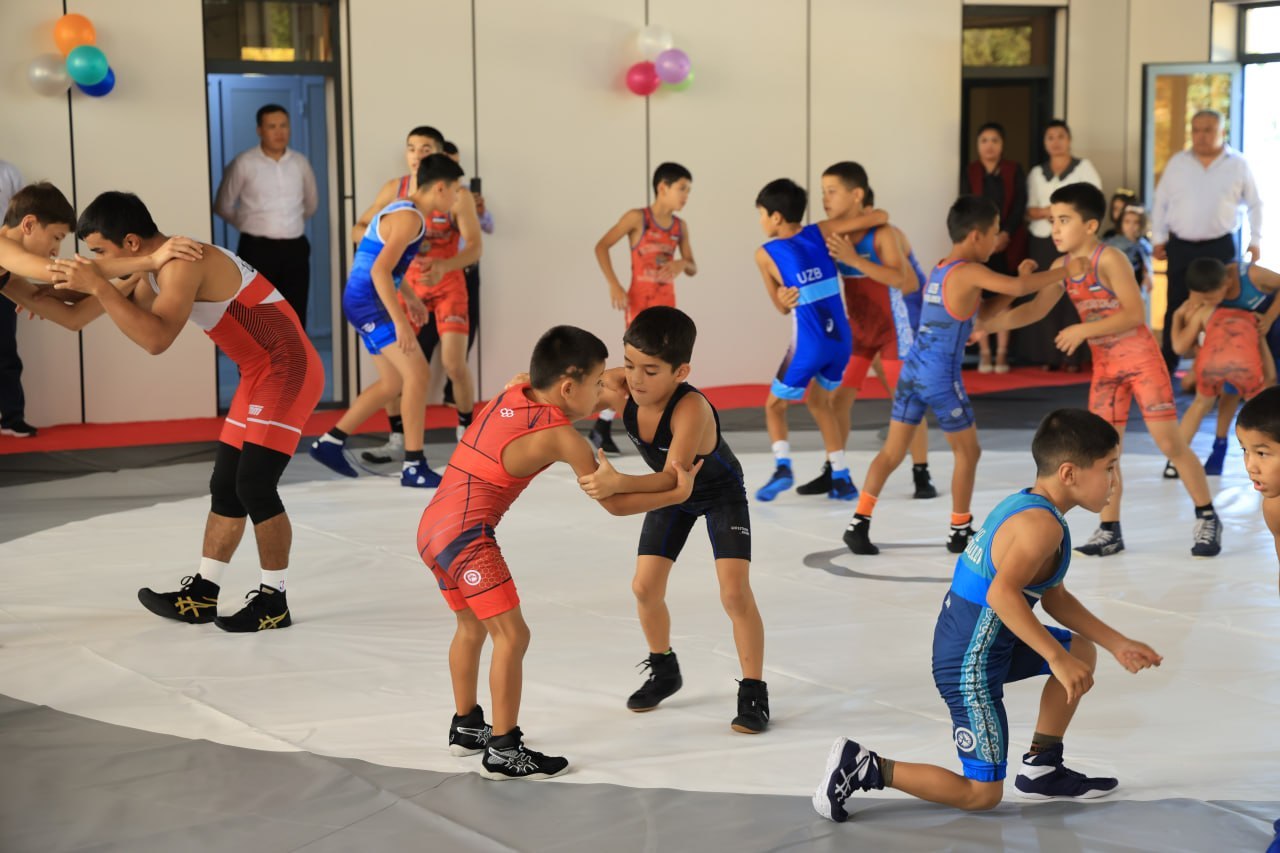
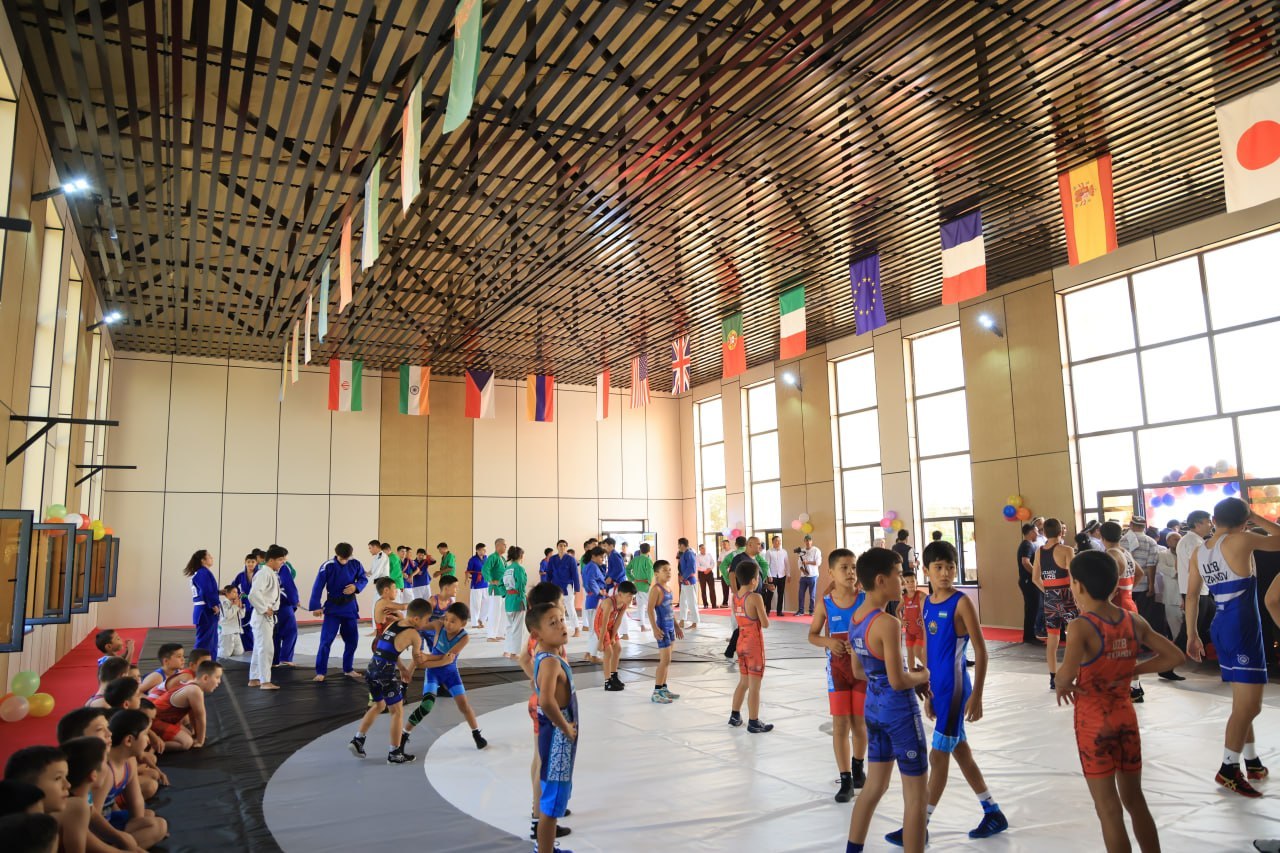
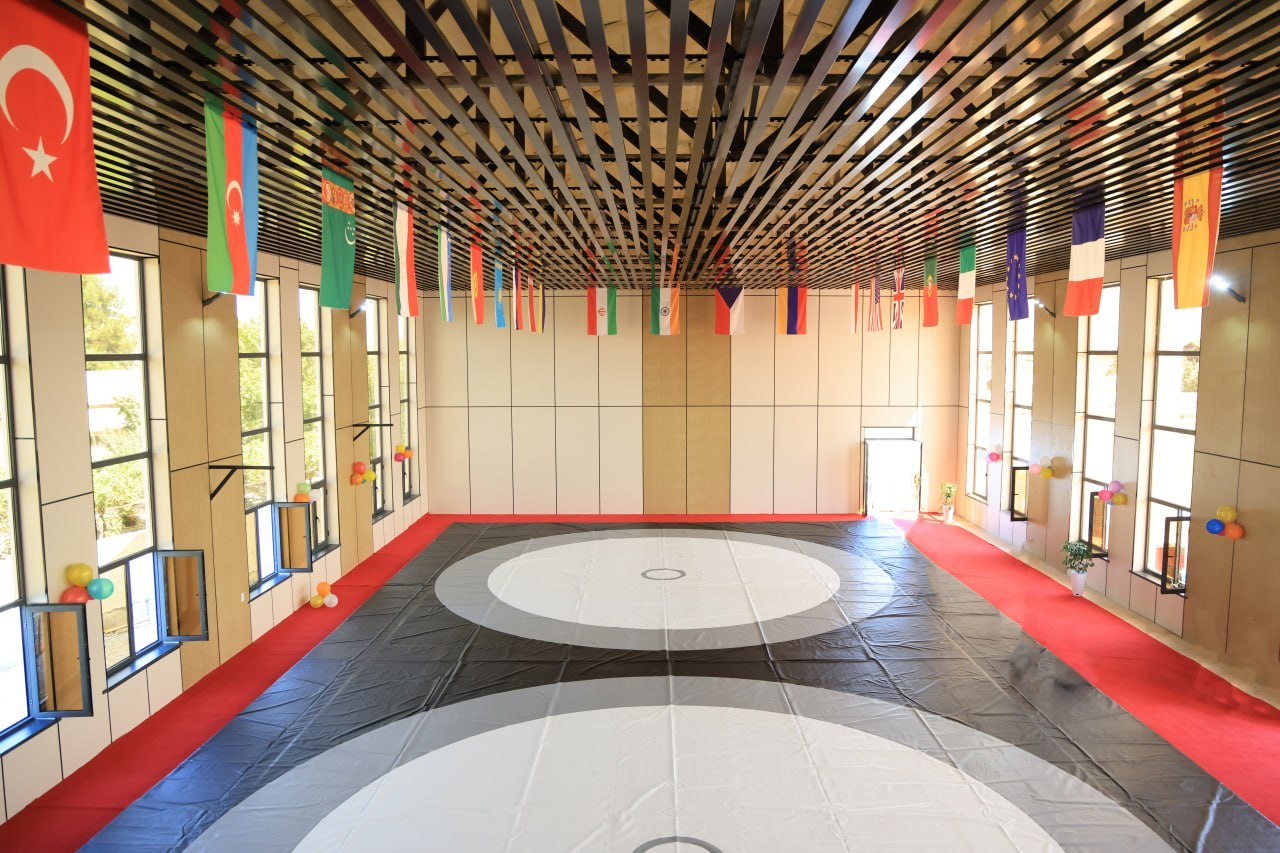
The other day, a modern sports complex, built with the support of sponsors in the "Yuksalish" mahalla of the Oltiariq district, was put into operation. The opening ceremony was attended by the regional governor Khayrullo Bozorov, mahalla residents, the general public, and youth.
First, as part of the "Yashil Makon" national project, the guests planted tree saplings on the complex's grounds. Afterwards, the regional governor himself had a detailed conversation with the mahalla's youth about the development of sports.
Today, the mini-football fields, multi-purpose sports grounds, fitness equipment, and indoor sports halls being built in mahallas are creating new opportunities for young people.
There are 1,017 mahallas in the Fergana region. The fact that sports equipment will be delivered to all mahallas in the region by 2026 also demonstrates the scale of the work in this area.
However, it is not enough to simply bring sports equipment to the mahalla. The most important thing is to use it effectively and purposefully every day.
From this perspective, while building sports halls in mahallas is one side of the issue, equipping them with modern gear and improving heating and lighting systems are also important tasks. Because no matter how modern a sports facility is, its social impact will be low if young people do not train there regularly.
When it comes to mahalla sports, there is another important aspect: coaches and sports organizers.
To get young people interested in sports, identify their talents, and involve them in regular training, a sports ground alone is not enough. There must be a qualified coach, physical education teacher, or sports instructor who works with children.
Identifying talented youth in the mahalla and directing them to sports schools is also a crucial link in this system.
A child playing football on a mahalla sports ground today can become a professional footballer tomorrow, and a teenager practicing kurash can win the national championship. For this to happen, it is necessary to recognize and support them in a timely manner.
Special attention should also be paid to the participation of girls in mahalla sports.
Organizing training in volleyball, basketball, gymnastics, athletics, table tennis, chess, and other sports for girls not only improves their physical health but also boosts their self-confidence.
Therefore, it is important to set aside special training times for girls in mahalla sports halls, create suitable conditions for them, and bring in qualified female coaches.
In short, sports facilities should work for the youth, not for the sake of reports.
Muhammadjon Obidov,
UzA