Tasks set to accelerate construction of New Tashkent and improve the effectiveness of greening efforts
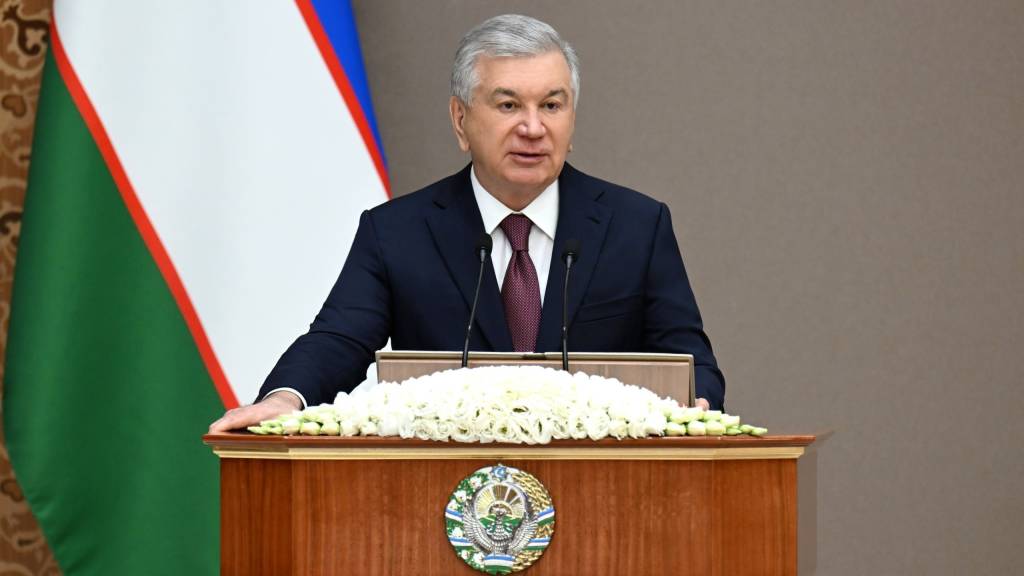
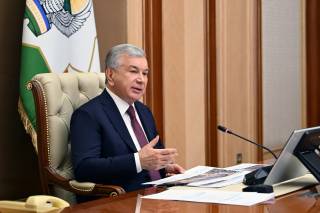
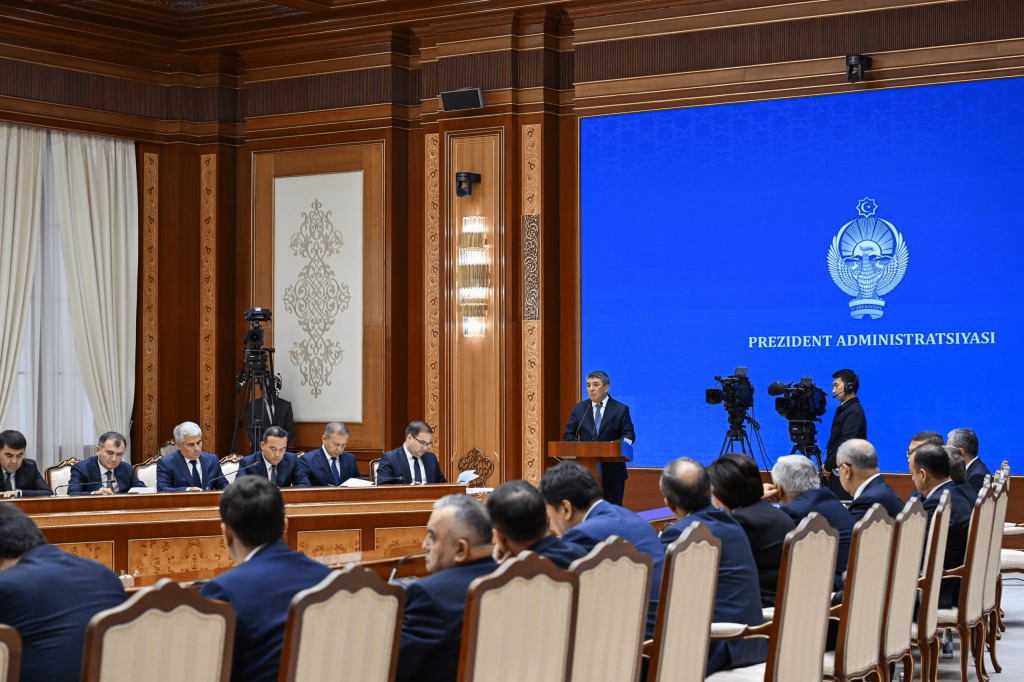
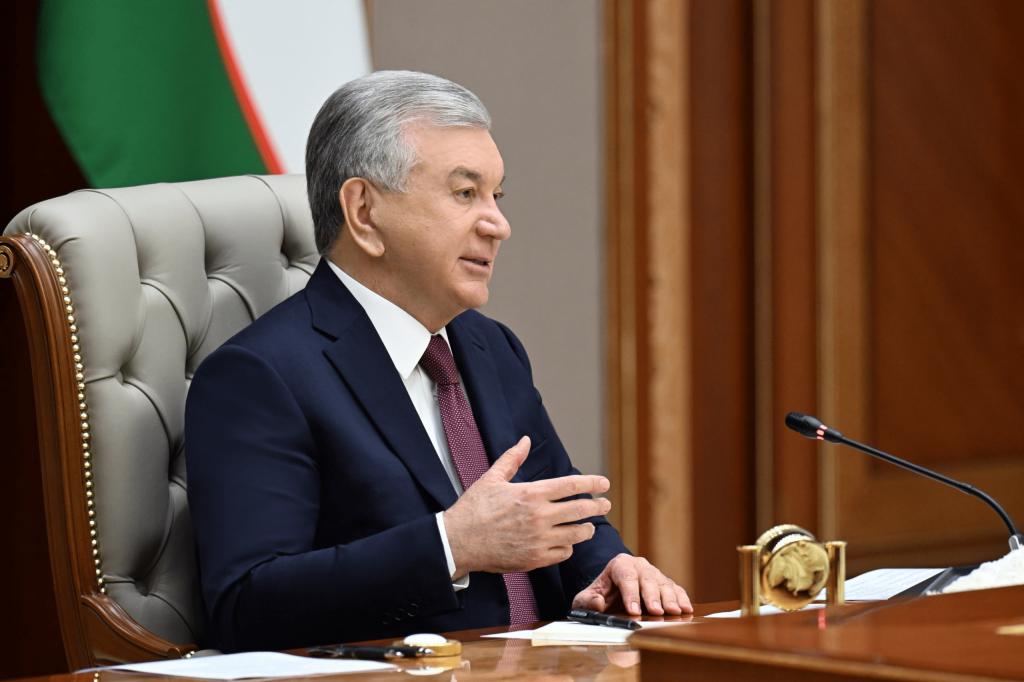
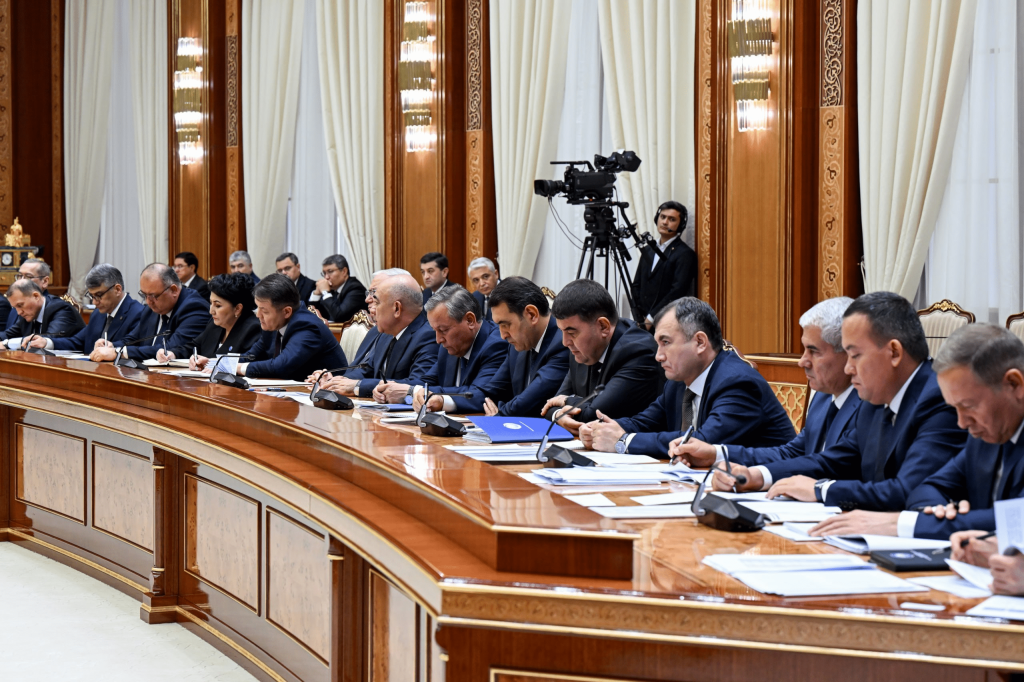
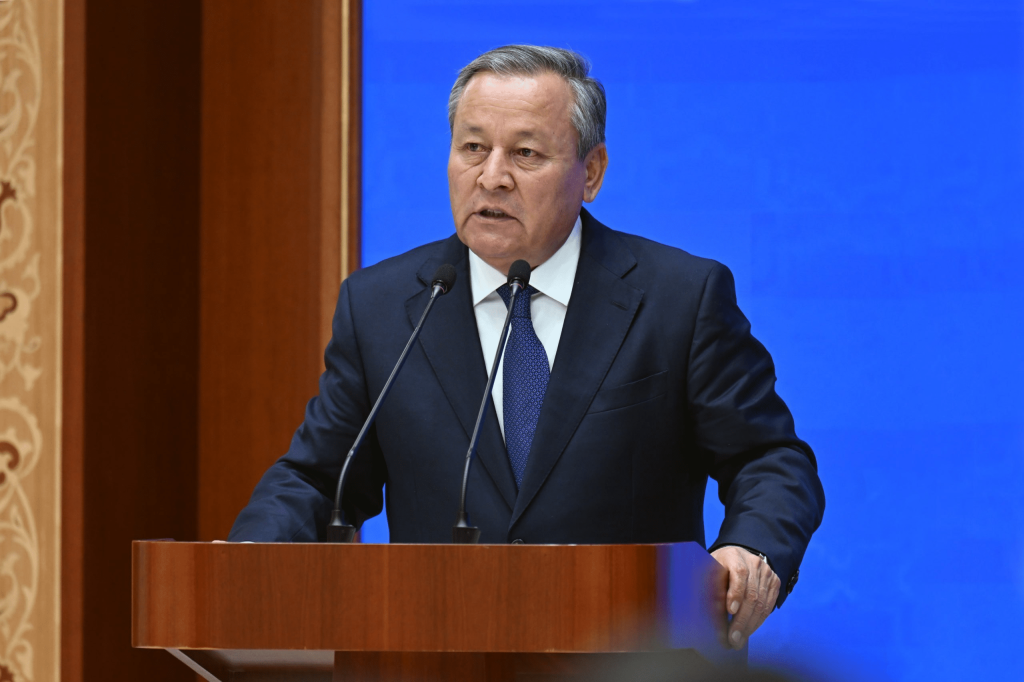
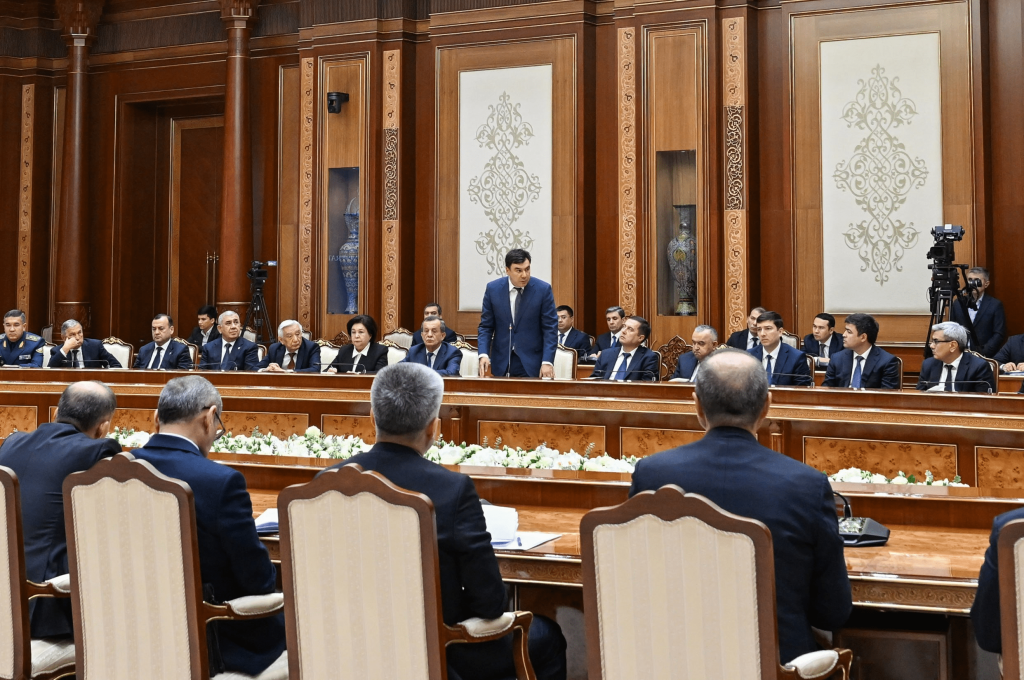
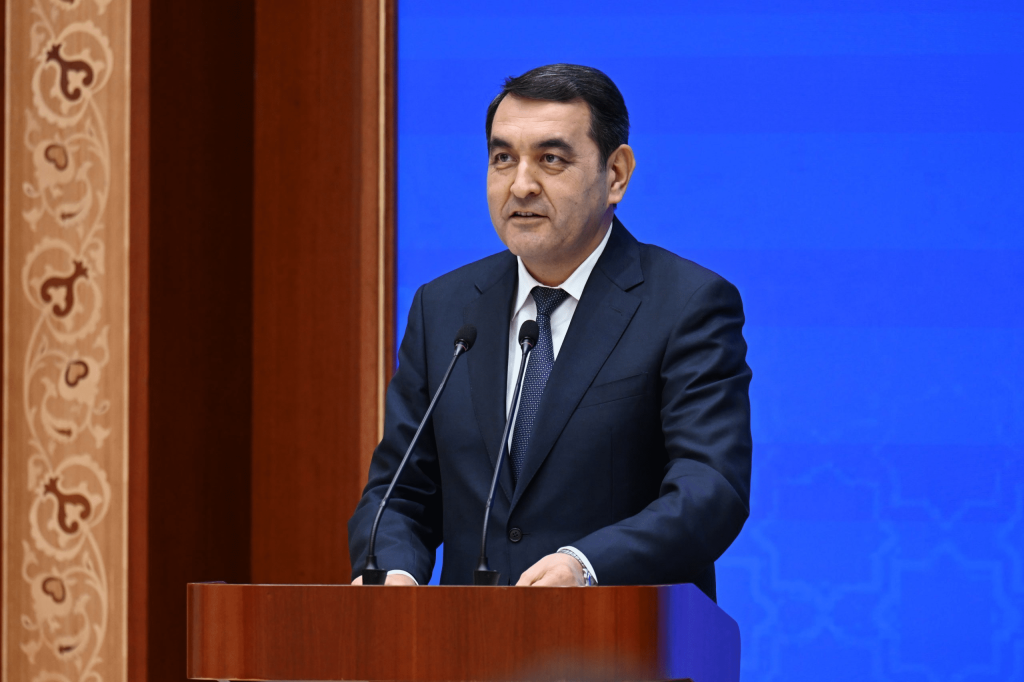
President Shavkat Mirziyoyev chaired a meeting to discuss accelerating the construction of New Tashkent and implementing the nationwide “Yashil Makon” (Green Space) project.
A month ago, the President outlined specific tasks to accelerate construction of the new city and instructed officials to review progress monthly.
A separate decree adopted last week introduced additional incentives and new organizational mechanisms for investors, entrepreneurs and regions.
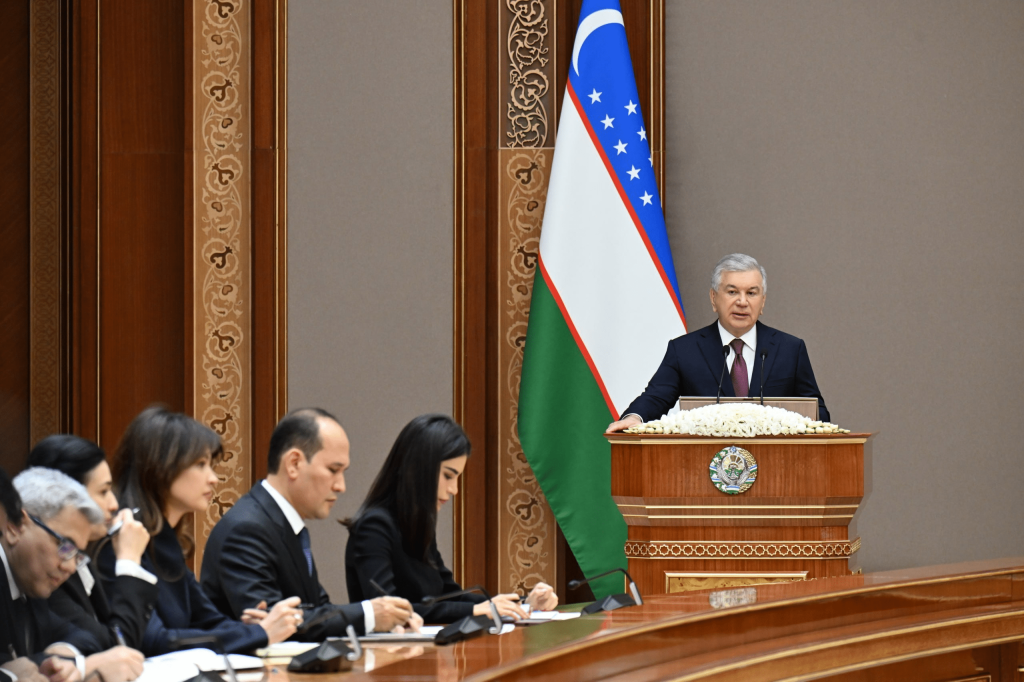
Ways to make effective use of the opportunities provided, accelerate the implementation of investment projects and promptly resolve organizational issues were addressed at the meeting.
The President of Uzbekistan emphasized that work in New Tashkent must be carried out based on fundamentally new approaches and strict implementation discipline.
It was noted that entrepreneurs are ready to invest in the projects. To facilitate this, favorable conditions must be created, emerging issues promptly addressed and unnecessary obstacles removed. To this end, instructions were given to establish daily, project-specific monitoring of each investment project.
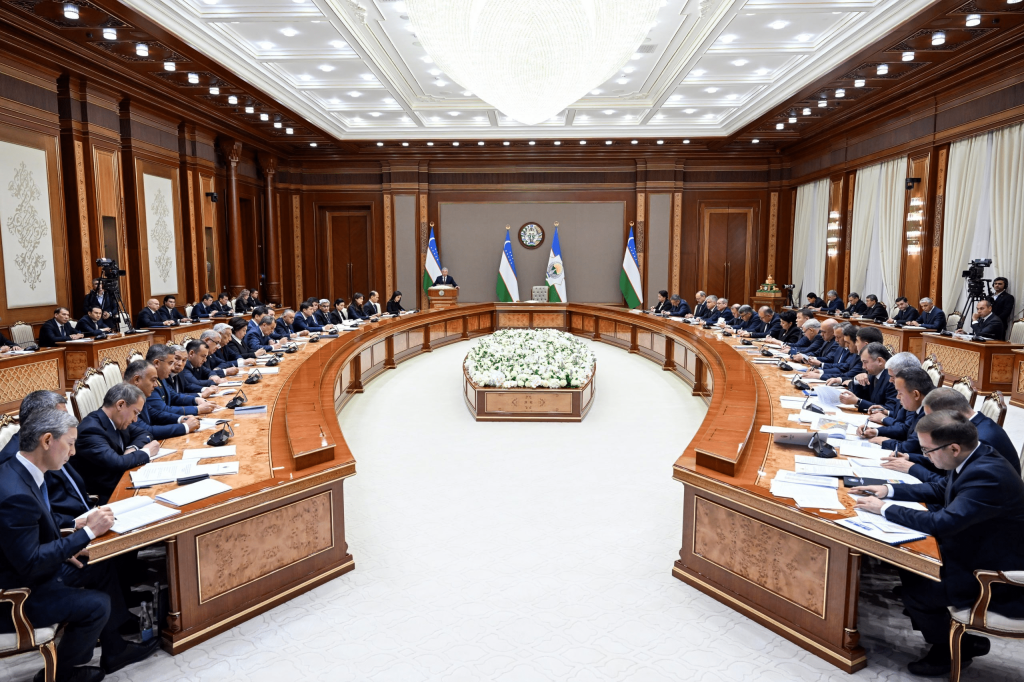
The timely preparation of construction sites and provision of the necessary conditions for investors are also of great importance. These efforts will be coordinated centrally through the New Tashkent Directorate.
At the same time, the implementation of investment projects directly depends on the readiness of engineering and utility infrastructure.
The President emphasized the need to synchronize construction activities with the development of the new city’s infrastructure. Electricity, water and heating networks, sewerage systems and roads must be ready by the time the facilities are commissioned.
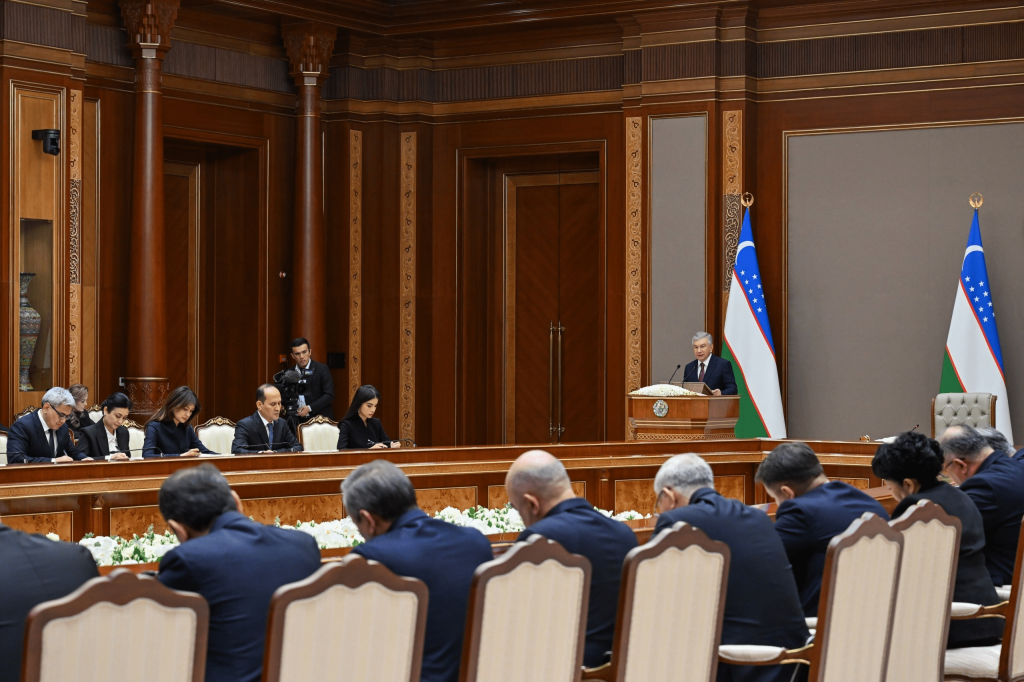
In this regard, instructions were given to develop a separate program to provide the necessary infrastructure for areas allocated to the regions.
Particular attention was paid to the architectural appearance of New Tashkent and the comprehensive development of its territories.
It was emphasized that the plots allocated to the regions should not be used exclusively for residential development. They should also accommodate modern business and shopping centers, hotels, educational, healthcare, cultural and sports facilities, as well as comfortable public spaces for recreation.
At the same time, every facility must comply with the new city’s unified architectural concept and green building requirements.
The meeting also addressed ways to foster healthy competition among the regions in adopting modern architectural solutions, attracting major international brands, and developing and improving parks and public spaces.
At the meeting, progress on the nationwide “Yashil Makon” (Green Space) project was reviewed.
Although the autumn tree-planting season began on November 8, work is progressing too slowly in several regions. In particular, Tashkent, Samarkand and Jizzakh regions were noted as falling behind their targets.
The loss of one-third of the saplings planted in spring, as well as identified cases of falsified reporting, drew sharp criticism.
The President emphasized that the main measure of success should not be the number of trees planted, but their survival and healthy growth in the years ahead.
To achieve this, tree species must be selected according to the climatic and soil conditions of each area, with priority given to those resistant to drought, heat and soil salinity. Irrigation systems must also be established, and the trees must receive regular care.
Particular attention was paid to the wider use of plants adapted to local climatic and environmental conditions that require minimal maintenance. To this end, a proposal was made to establish specialized nurseries for growing native flowers and ornamental plants and to plant more celosia, basil, thyme and native shrubs instead of lawns that require extensive watering.
Instructions were given to ensure the planting of at least three trees per resident in every mahalla, expand green spaces and increase the accountability of mahalla chairpersons and forestry workers for the results of these efforts.
The officials responsible were instructed to ensure a survival rate of at least 90-95 percent for saplings planted this year and to take concrete measures to preserve and properly maintain green spaces established in previous years.
Following the meeting, relevant instructions were issued to implement the tasks outlined.
UzA