Strengthening human rights protection mechanisms
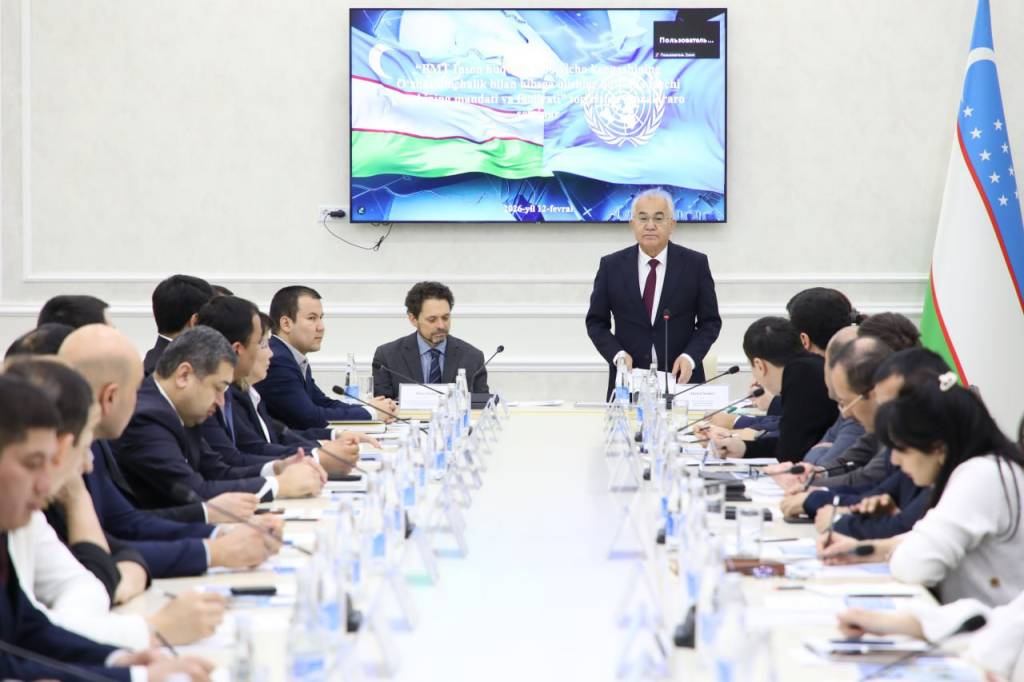
The National Center for Human Rights of the Republic of Uzbekistan hosted a seminar on “The mandate and activities of the Working Group on Arbitrary Detention of the UN Human Rights Council”.
The event brought together representatives of government agencies, the judiciary, law enforcement, national human rights institutions, the legal profession, the academic community, and international organizations.
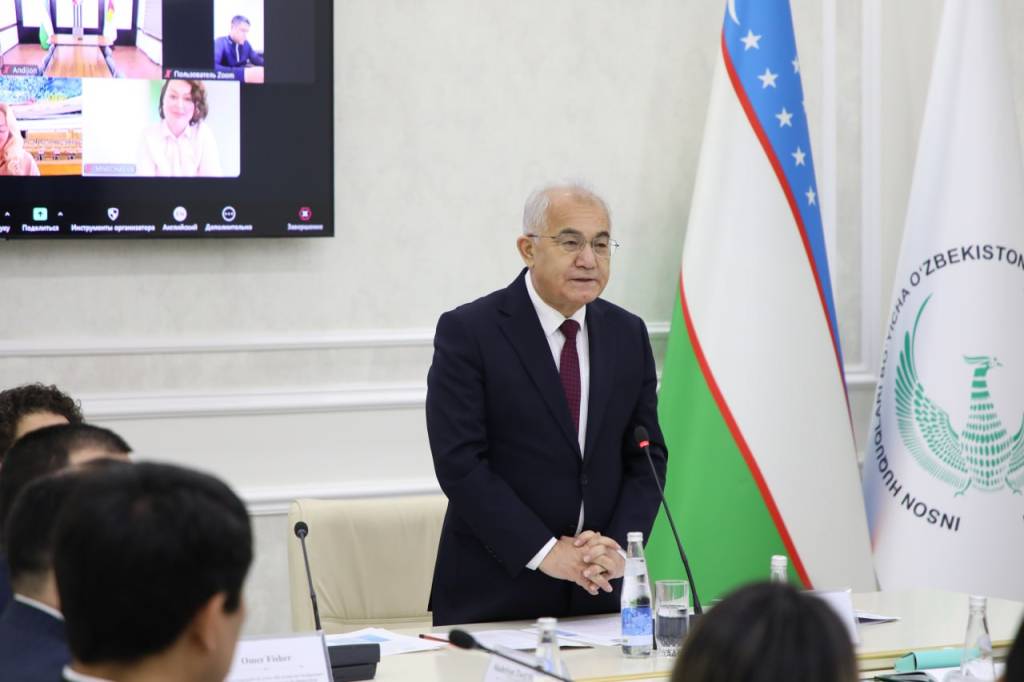
In his welcoming speech, Akmal Saidov, Director of the National Center for Human Rights and a member of the UN Human Rights Committee, stressed that ensuring the right to freedom and personal integrity is a key criterion for the rule of law and public confidence in state institutions. It was noted that the New Uzbekistan consistently strengthens national legal and institutional mechanisms for the protection of human rights, expands cooperation with the UN Human Rights Council’s special procedures, and considers international cooperation a practical tool for improving law enforcement.
The key speaker at the seminar was Ganna Yudkivska, Chairman-Rapporteur of the Working Group on Arbitrary Detention of the UN Human Rights Council, who explained the Working Group’s mandate, its procedures for reviewing individual communications, its urgent response mechanisms, and its practice of interacting with national authorities.
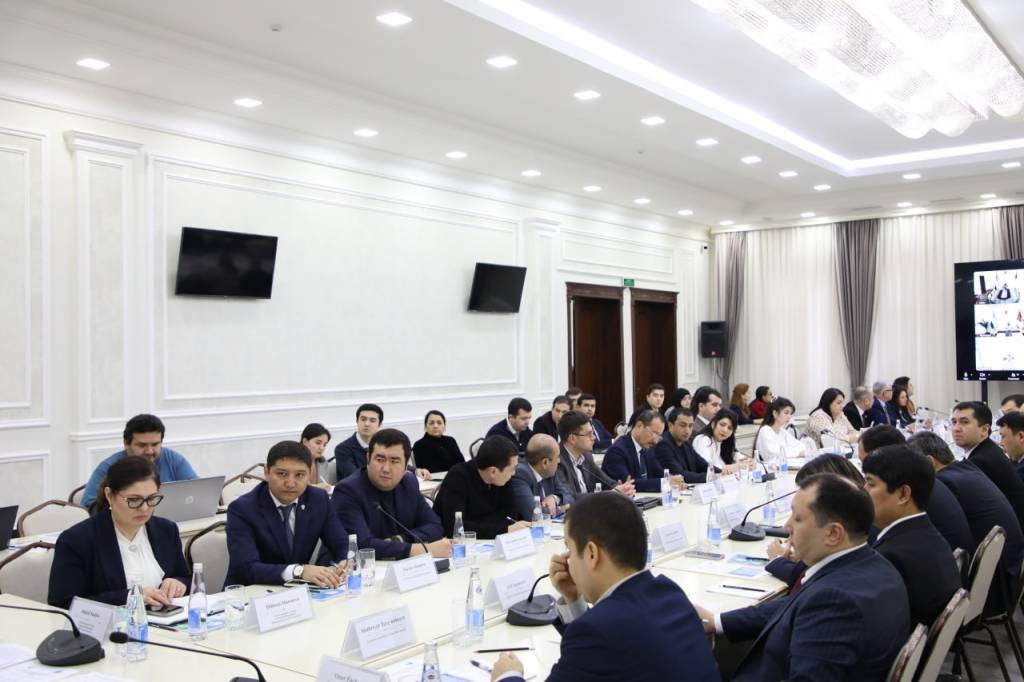
During the discussions, international standards for ensuring the lawfulness of deprivation of liberty, procedural guarantees during detention and custody, procedures for states to respond to communications and recommendations from the Working Group, and issues of strengthening interagency coordination and information exchange were considered.
The seminar participants emphasized the practical importance of direct professional exchange of experience and confirmed their readiness to develop cooperation with UN mechanisms to prevent arbitrary detention and improve national law enforcement practices.
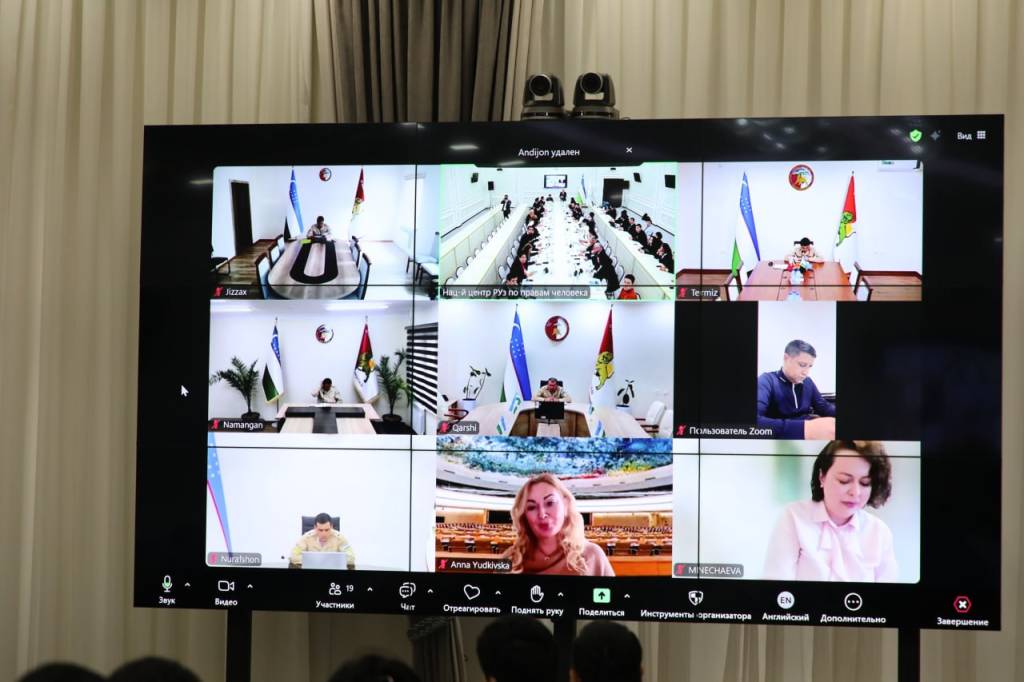
The seminar was another step in implementing the New Uzbekistan’s consistent policy to strengthen the national human rights protection system, develop legal education, and introduce international standards into the activities of government agencies.
Nazokat Usmanova, UzA