Over the past eight years, Uzbekistan has undergone a profound transformation, significantly strengthening its statehood, becoming more open to the outside world, and confidently establishing itself as a reliable and constructive partner in the region. At the heart of these changes lies the strategic and visionary leadership of President Shavkat Mirziyoyev, which has served as the foundation for large-scale reforms and the beginning of a new era in the country’s political, social, and economic life.

From the very first days of his presidency, Shavkat Mirziyoyev set a clear priority: the construction of a strong, just, and open state, where the interests of the citizens are placed at the center. The reform program has encompassed nearly all areas of life, from improving public administration to modernizing the education system, from supporting entrepreneurship to strengthening social protection mechanisms. Particular attention has been paid not only to formal changes, but also to genuine transformations of state institutions, enhancing transparency, and fostering trust between the state and society.

One of the key stages in this transformation was the adoption and implementation of the Action Strategy on Five Priority Areas of Development of the Republic of Uzbekistan for 2017-2021. This strategic document marked the starting point for systemic reforms across the political and legal, socio-economic, humanitarian, and foreign policy spheres. The core objectives of the strategy included the rule of law, the development of an open and competitive economy, promotion of entrepreneurial freedom, strengthening of social justice, ensuring gender equality, and the comprehensive development of regions. President Shavkat Mirziyoyev has repeatedly emphasized the importance of the rule of law. Speaking at the ceremonial event marking the 27th anniversary of the adoption of the Constitution of the Republic of Uzbekistan, he stated: “We must create an environment in which everyone, ministers, hokims, and ordinary citizens alike, knows the Constitution and laws well, ensures their proper implementation, and, above all, strictly abides by them”. In this regard, large-scale efforts were launched throughout the country to uphold the rule of law and effectively implement legislative norms, with public oversight being recognized as a key condition for the successful enforcement of laws.

The President placed particular emphasis on the need to strengthen the role of parliament as an independent and effective institution of power. As a result, the scope of parliamentary oversight was significantly expanded, and a broad range of its forms and mechanisms were introduced to monitor the enforcement of laws in the interests of the people. A key legal foundation for this process was the Law of the Republic of Uzbekistan “On Parliamentary Oversight”, which defines the subjects and objects of oversight, as well as the procedures for evaluating law enforcement practices and monitoring subordinate legislation. The continuation of these reforms was marked by the implementation of the New Uzbekistan Development Strategy for 2022-2026. This strategic document outlines one hundred strategic goals aimed at building a social state, ensuring the rights and freedoms of every citizen, developing civil society institutions, and establishing accountable governance. The strategy places particular focus on enshrining justice and the rule of law as the foundation of sustainable development.

Significant changes have taken place in the system of public administration during this period: civil society institutions have been strengthened, the transparency and accountability of state bodies have increased, and new mechanisms for public participation and oversight have been introduced. One of the most striking manifestations of this new model of interaction between government and society has been the institution of direct dialogue between the President and the people. Thanks to the effective operation of the Presidential Virtual Reception, citizens’ appeals have ceased to be a formality and have instead become a foundation for shaping the state agenda.

In Uzbekistan’s economy, a decisive shift was made toward a market-based model. The country liberalized the foreign exchange market, significantly simplified tax and customs procedures, and created more favorable conditions for business development. The establishment of industrial zones was initiated, and active modernization of infrastructure began, which enabled the attraction of substantial volumes of foreign direct investment and improved Uzbekistan’s standing in international business climate rankings. The private sector has become a key driver of economic growth and job creation.

Great attention has been devoted to the development of human capital. In the field of education, large-scale reforms were implemented, including the restoration of 11-year general schooling, support for private educational institutions, and the expansion of international partnerships. Access to higher education has improved, and new opportunities for youth to pursue professional growth and self-fulfillment have emerged. Public spending on the social sector has increased significantly, with funding doubling in proportion to GDP, and the number of low-income families covered by social support programs has increased fivefold.

A special focus in social policy has been placed on protecting the rights and interests of persons with disabilities. The Law “On the Rights of Persons with Disabilities” was adopted, and the relevant UN Convention was ratified. The country has moved away from an outdated medical model of determining disability toward a new social model, which views society itself as the source of barriers and discrimination. This concept underpins efforts to ensure equal rights and opportunities for all citizens.

Президент навестил детей в доме «Мурувват»

In the healthcare sector, digital technologies are being actively introduced, medical institutions are undergoing modernization, and new standards of medical care are being developed. These efforts contribute to improving the quality and accessibility of healthcare services for the population.

Additionally, it is essential to note the significant progress made in the field of foreign policy. A substantial achievement of Uzbekistan’s diplomatic efforts was the adoption by the United Nations General Assembly, at Uzbekistan’s initiative, of a resolution declaring the Aral Sea region a zone of environmental innovations and technologies. This document not only secured international recognition of the country’s efforts to restore the Aral Sea ecosystem but also established a platform for attracting new knowledge, investment, and technologies in the field of sustainable natural resource management. This is not a one-time environmental initiative but a long-term strategy aimed at improving the quality of life for millions of people living in environmentally vulnerable regions. One of the most critical indicators of Uzbekistan’s growing international standing was the election of a national representative to the UN Human Rights Committee for the 2025-2028 term. This represents a decisive vote of confidence from the international community in Uzbekistan’s human rights policies. The Committee, as a key treaty-based body, monitors the implementation of the International Covenant on Civil and Political Rights, to which Uzbekistan acceded in 1995. The inclusion of Uzbekistan’s representative in this body reflects the country’s progress in the field of human rights, as well as its readiness to share its experience and assume greater international obligations.

Another significant achievement was the election of Uzbekistan’s representative as Deputy Member of the Governing Body of the International Labour Organization (ILO) for the 2024-2027 term. During the elections held in Geneva, Uzbekistan received 194 votes, well above the minimum required threshold. This reflects the international community’s high regard for the country’s ongoing labor reforms, improvements in employment conditions, protection of workers’ rights, and efforts to combat discrimination. Participation in the ILO Governing Body will provide Uzbekistan with access to global initiatives promoting decent work and sustainable labor practices, as well as opportunities for experience-sharing with other countries. Another major event in the foreign policy calendar was Uzbekistan’s election to the United Nations Economic and Social Council (ECOSOC) for the 2024-2027 term. Uzbekistan’s candidacy received 185 votes – far exceeding the required minimum. This election serves as explicit confirmation of the high level of trust extended by UN Member States and recognition of Uzbekistan’s efforts in socio-economic development, gender equality, strengthening civil society institutions, and sustainable development. Membership in ECOSOC will enable Uzbekistan to take a more active role in shaping international strategies and approaches to addressing global challenges, including poverty eradication, the development of education and healthcare systems, and sustainable management of natural resources.

30 лет плодотворного сотрудничества Узбекистана с ООН

Alongside foreign policy achievements, a vital component of the President’s agenda has been promoting interethnic harmony and social cohesion. Uzbekistan is home to representatives of more than 130 nationalities and ethnic groups. From the very beginning of his presidency, Shavkat Mirziyoyev has emphasized that unity in diversity is a source of the country’s strength and resilience. Friendship centers of people have been established and continue to operate actively, support for national cultural centers has expanded, and dialogue between ethnic communities and the state has been strengthened. Public diplomacy has become a crucial tool in promoting the principles of tolerance, mutual respect, and openness.

Special attention is given to the preservation and development of the languages, cultural traditions, and customs of all ethnic groups residing in the country. State policy in this area aims to foster a unified civic identity based on respect for cultural heritage and equality of all citizens before the law. This policy contributes to strengthening social harmony, preventing conflicts, and shaping a stable social environment in which every individual feels like a full-fledged member of society.
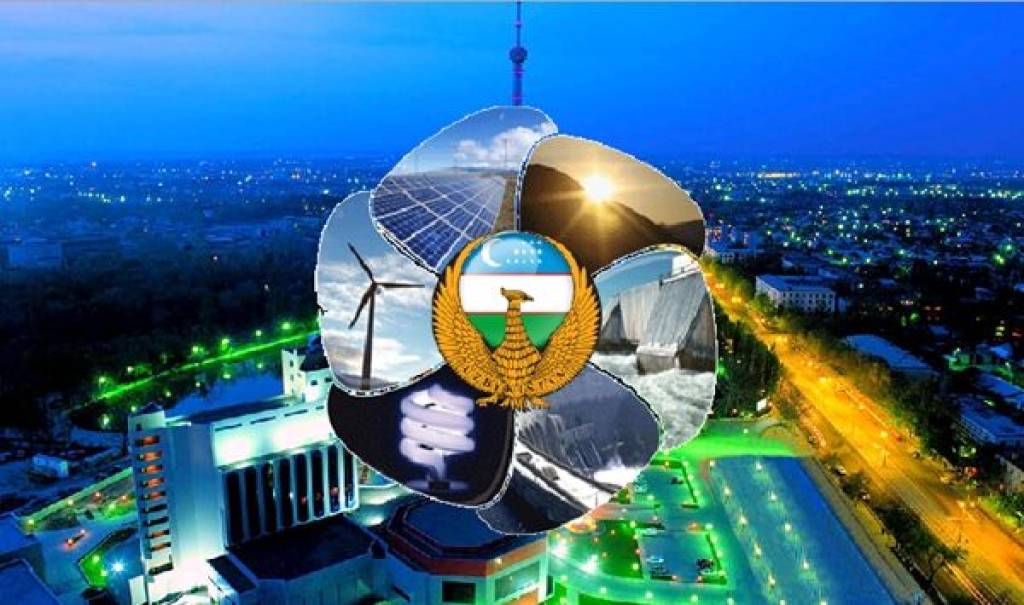
Another vital area of development has been the introduction and promotion of green technologies, particularly in the context of climate challenges. Uzbekistan is actively implementing projects in renewable energy, water conservation, and sustainable land use. The adoption of the Strategy for Transition to a Green Economy and Climate Neutrality by 2050 underscores the country’s long-term commitment to global environmental goals and the shift toward sustainable development. Pilot projects in solar and wind energy are being implemented nationwide, energy-efficient housing is under construction, and environmental education is being actively developed.

The policy pursued by President Shavkat Mirziyoyev demonstrates that strategic leadership, a firm commitment to reform, and a human-centered approach – placing the individual as the highest value of the state system – form a reliable foundation for sustainable development. At the heart of all transformations is the individual: their rights, opportunities, well-being, and participation in society.

Today, Uzbekistan is confidently advancing along the path of modernization, remaining faithful to its cultural and historical roots, strengthening its statehood, expanding international partnerships, and looking to the future with openness and ambition. The results of the reforms and the country’s commitment to building a just, strong, and prosperous society confirm that Uzbekistan has entered a new stage of development, where serving the people remains the top priority.

Aziza Alimova, UzA

English
Chinese
Turkish
Tajik
Kyrgyz
Turkmen
Japanese
Arabic
English
French
Spanish
Русский
German
Ўзбек
Oʻzbek
Қазақ
Strategic leadership and successful reforms – key achievements in Uzbekistan’s politics

Over the past eight years, Uzbekistan has undergone a profound transformation, significantly strengthening its statehood, becoming more open to the outside world, and confidently establishing itself as a reliable and constructive partner in the region. At the heart of these changes lies the strategic and visionary leadership of President Shavkat Mirziyoyev, which has served as the foundation for large-scale reforms and the beginning of a new era in the country’s political, social, and economic life.

From the very first days of his presidency, Shavkat Mirziyoyev set a clear priority: the construction of a strong, just, and open state, where the interests of the citizens are placed at the center. The reform program has encompassed nearly all areas of life, from improving public administration to modernizing the education system, from supporting entrepreneurship to strengthening social protection mechanisms. Particular attention has been paid not only to formal changes, but also to genuine transformations of state institutions, enhancing transparency, and fostering trust between the state and society.

One of the key stages in this transformation was the adoption and implementation of the Action Strategy on Five Priority Areas of Development of the Republic of Uzbekistan for 2017-2021. This strategic document marked the starting point for systemic reforms across the political and legal, socio-economic, humanitarian, and foreign policy spheres. The core objectives of the strategy included the rule of law, the development of an open and competitive economy, promotion of entrepreneurial freedom, strengthening of social justice, ensuring gender equality, and the comprehensive development of regions. President Shavkat Mirziyoyev has repeatedly emphasized the importance of the rule of law. Speaking at the ceremonial event marking the 27th anniversary of the adoption of the Constitution of the Republic of Uzbekistan, he stated: “We must create an environment in which everyone, ministers, hokims, and ordinary citizens alike, knows the Constitution and laws well, ensures their proper implementation, and, above all, strictly abides by them”. In this regard, large-scale efforts were launched throughout the country to uphold the rule of law and effectively implement legislative norms, with public oversight being recognized as a key condition for the successful enforcement of laws.

The President placed particular emphasis on the need to strengthen the role of parliament as an independent and effective institution of power. As a result, the scope of parliamentary oversight was significantly expanded, and a broad range of its forms and mechanisms were introduced to monitor the enforcement of laws in the interests of the people. A key legal foundation for this process was the Law of the Republic of Uzbekistan “On Parliamentary Oversight”, which defines the subjects and objects of oversight, as well as the procedures for evaluating law enforcement practices and monitoring subordinate legislation. The continuation of these reforms was marked by the implementation of the New Uzbekistan Development Strategy for 2022-2026. This strategic document outlines one hundred strategic goals aimed at building a social state, ensuring the rights and freedoms of every citizen, developing civil society institutions, and establishing accountable governance. The strategy places particular focus on enshrining justice and the rule of law as the foundation of sustainable development.

Significant changes have taken place in the system of public administration during this period: civil society institutions have been strengthened, the transparency and accountability of state bodies have increased, and new mechanisms for public participation and oversight have been introduced. One of the most striking manifestations of this new model of interaction between government and society has been the institution of direct dialogue between the President and the people. Thanks to the effective operation of the Presidential Virtual Reception, citizens’ appeals have ceased to be a formality and have instead become a foundation for shaping the state agenda.

In Uzbekistan’s economy, a decisive shift was made toward a market-based model. The country liberalized the foreign exchange market, significantly simplified tax and customs procedures, and created more favorable conditions for business development. The establishment of industrial zones was initiated, and active modernization of infrastructure began, which enabled the attraction of substantial volumes of foreign direct investment and improved Uzbekistan’s standing in international business climate rankings. The private sector has become a key driver of economic growth and job creation.

Great attention has been devoted to the development of human capital. In the field of education, large-scale reforms were implemented, including the restoration of 11-year general schooling, support for private educational institutions, and the expansion of international partnerships. Access to higher education has improved, and new opportunities for youth to pursue professional growth and self-fulfillment have emerged. Public spending on the social sector has increased significantly, with funding doubling in proportion to GDP, and the number of low-income families covered by social support programs has increased fivefold.

A special focus in social policy has been placed on protecting the rights and interests of persons with disabilities. The Law “On the Rights of Persons with Disabilities” was adopted, and the relevant UN Convention was ratified. The country has moved away from an outdated medical model of determining disability toward a new social model, which views society itself as the source of barriers and discrimination. This concept underpins efforts to ensure equal rights and opportunities for all citizens.

Президент навестил детей в доме «Мурувват»

In the healthcare sector, digital technologies are being actively introduced, medical institutions are undergoing modernization, and new standards of medical care are being developed. These efforts contribute to improving the quality and accessibility of healthcare services for the population.

Additionally, it is essential to note the significant progress made in the field of foreign policy. A substantial achievement of Uzbekistan’s diplomatic efforts was the adoption by the United Nations General Assembly, at Uzbekistan’s initiative, of a resolution declaring the Aral Sea region a zone of environmental innovations and technologies. This document not only secured international recognition of the country’s efforts to restore the Aral Sea ecosystem but also established a platform for attracting new knowledge, investment, and technologies in the field of sustainable natural resource management. This is not a one-time environmental initiative but a long-term strategy aimed at improving the quality of life for millions of people living in environmentally vulnerable regions. One of the most critical indicators of Uzbekistan’s growing international standing was the election of a national representative to the UN Human Rights Committee for the 2025-2028 term. This represents a decisive vote of confidence from the international community in Uzbekistan’s human rights policies. The Committee, as a key treaty-based body, monitors the implementation of the International Covenant on Civil and Political Rights, to which Uzbekistan acceded in 1995. The inclusion of Uzbekistan’s representative in this body reflects the country’s progress in the field of human rights, as well as its readiness to share its experience and assume greater international obligations.

Another significant achievement was the election of Uzbekistan’s representative as Deputy Member of the Governing Body of the International Labour Organization (ILO) for the 2024-2027 term. During the elections held in Geneva, Uzbekistan received 194 votes, well above the minimum required threshold. This reflects the international community’s high regard for the country’s ongoing labor reforms, improvements in employment conditions, protection of workers’ rights, and efforts to combat discrimination. Participation in the ILO Governing Body will provide Uzbekistan with access to global initiatives promoting decent work and sustainable labor practices, as well as opportunities for experience-sharing with other countries. Another major event in the foreign policy calendar was Uzbekistan’s election to the United Nations Economic and Social Council (ECOSOC) for the 2024-2027 term. Uzbekistan’s candidacy received 185 votes – far exceeding the required minimum. This election serves as explicit confirmation of the high level of trust extended by UN Member States and recognition of Uzbekistan’s efforts in socio-economic development, gender equality, strengthening civil society institutions, and sustainable development. Membership in ECOSOC will enable Uzbekistan to take a more active role in shaping international strategies and approaches to addressing global challenges, including poverty eradication, the development of education and healthcare systems, and sustainable management of natural resources.

30 лет плодотворного сотрудничества Узбекистана с ООН

Alongside foreign policy achievements, a vital component of the President’s agenda has been promoting interethnic harmony and social cohesion. Uzbekistan is home to representatives of more than 130 nationalities and ethnic groups. From the very beginning of his presidency, Shavkat Mirziyoyev has emphasized that unity in diversity is a source of the country’s strength and resilience. Friendship centers of people have been established and continue to operate actively, support for national cultural centers has expanded, and dialogue between ethnic communities and the state has been strengthened. Public diplomacy has become a crucial tool in promoting the principles of tolerance, mutual respect, and openness.

Special attention is given to the preservation and development of the languages, cultural traditions, and customs of all ethnic groups residing in the country. State policy in this area aims to foster a unified civic identity based on respect for cultural heritage and equality of all citizens before the law. This policy contributes to strengthening social harmony, preventing conflicts, and shaping a stable social environment in which every individual feels like a full-fledged member of society.

Another vital area of development has been the introduction and promotion of green technologies, particularly in the context of climate challenges. Uzbekistan is actively implementing projects in renewable energy, water conservation, and sustainable land use. The adoption of the Strategy for Transition to a Green Economy and Climate Neutrality by 2050 underscores the country’s long-term commitment to global environmental goals and the shift toward sustainable development. Pilot projects in solar and wind energy are being implemented nationwide, energy-efficient housing is under construction, and environmental education is being actively developed.

The policy pursued by President Shavkat Mirziyoyev demonstrates that strategic leadership, a firm commitment to reform, and a human-centered approach – placing the individual as the highest value of the state system – form a reliable foundation for sustainable development. At the heart of all transformations is the individual: their rights, opportunities, well-being, and participation in society.

Today, Uzbekistan is confidently advancing along the path of modernization, remaining faithful to its cultural and historical roots, strengthening its statehood, expanding international partnerships, and looking to the future with openness and ambition. The results of the reforms and the country’s commitment to building a just, strong, and prosperous society confirm that Uzbekistan has entered a new stage of development, where serving the people remains the top priority.

Aziza Alimova, UzA