Regional cooperation in Central Asia: new formats and strategic priorities
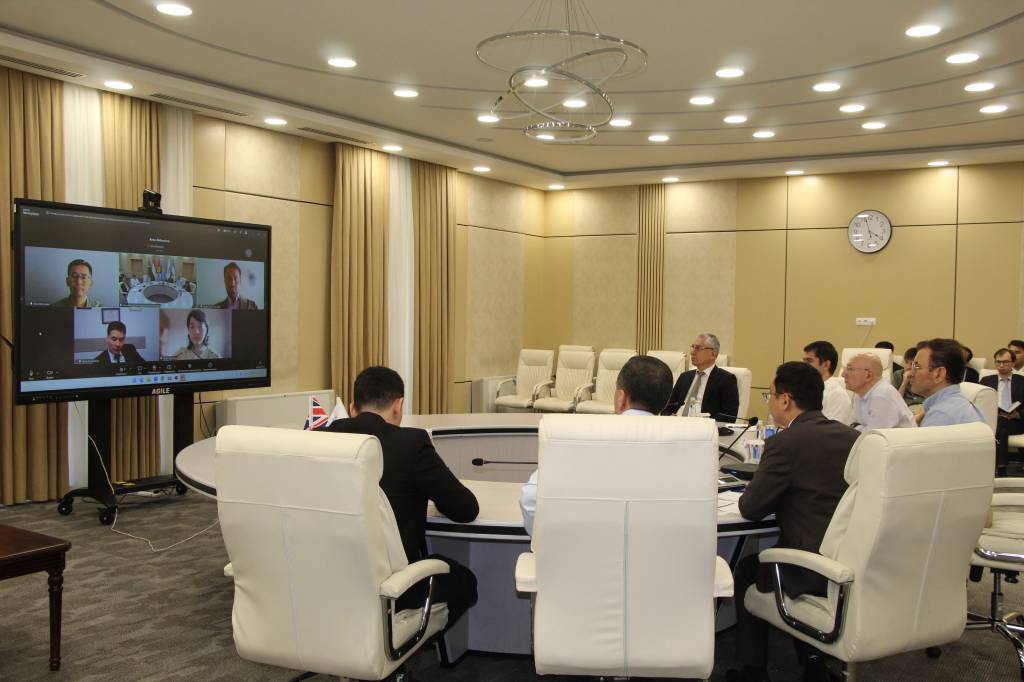
An online roundtable “The Central Asian process: from the outcomes of the Tashkent and Cholpon-Ata summits to the Avaza agenda” took place at the International Institute for Central Asia (IICA) in Tashkent.
Filippo Costa Buranelli, Senior Lecturer at the University of St Andrews in the UK, attended the event alongside representatives from prominent think tanks from Central Asian countries and Azerbaijan.
During the meeting, participants examined the outcomes of the 7th Consultative Meeting of Central Asian Heads of State and the informal summit in Cholpon-Ata on July 31, along with key topics on the agenda for the upcoming summit in Avaza.
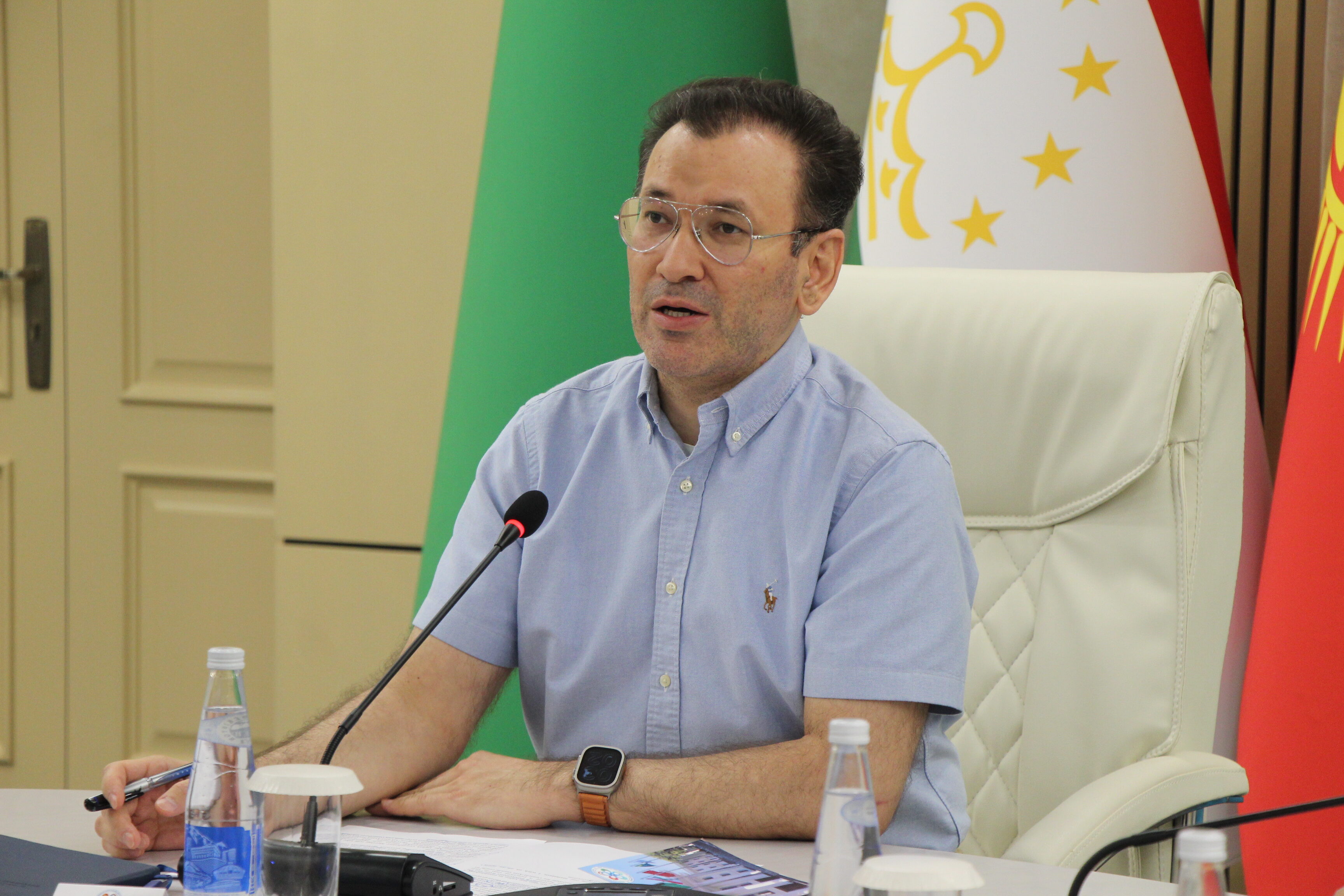
IICA Director J. Vakhabov, opening the event, said that since 2018, the Consultative Meetings of the Heads of State have evolved from a political consultation platform into a high-level regional cooperation mechanism. It now covers areas such as security, trade, transport, energy, water resources, and humanitarian efforts.
Filippo Costa Buranelli observed that this format is solidifying as an effective way to foster regional cooperation grounded in consensus, equality, and respect for sovereignty. He noted that the July 31 meeting of the Central Asia and Azerbaijan Heads of State in Cholpon-Ata marked a new phase of collaboration.
A.Kurmashev, head of the Kazakhstan Institute for Strategic Studies, and E. Jurayev, an Associate Professor at the OSCE Academy in Bishkek, highlighted that the consensus-driven approach of the Heads of State meetings helps bolster Central Asia’s regional influence and fosters adaptable, practical cooperation mechanisms that support efficient coordination across various issues.
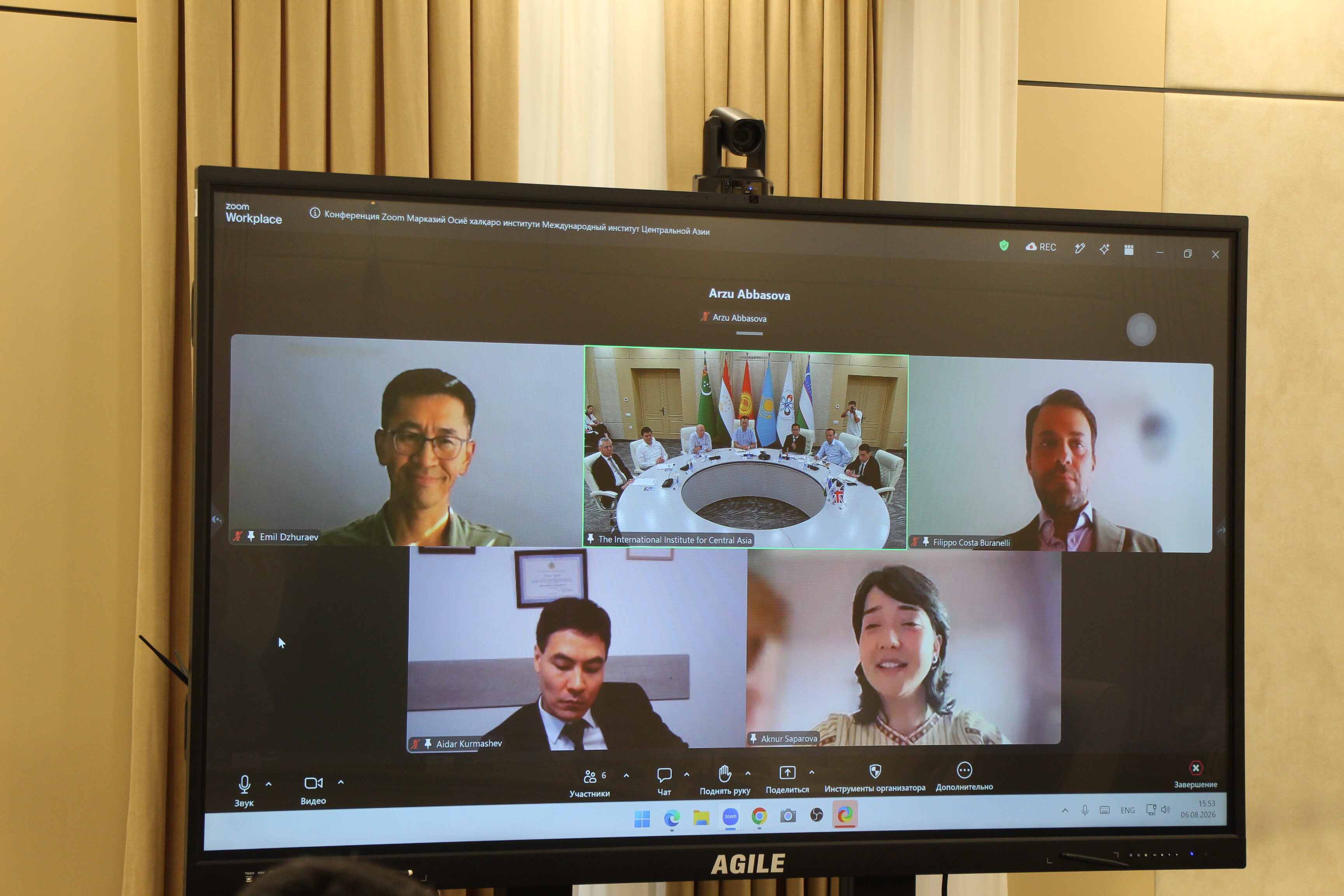
A. Abbasova, a Research Analyst at the Royal United Services Institute, observed that Azerbaijan’s joining the emerging “C6” format indicates the formation of new geoeconomic connections between Central Asia and the South Caucasus. This development opens new opportunities to expand transregional transport, energy, and trade routes. She believes that this setup offers favorable conditions for a broad discussion of regional issues, with a primary focus on developing the Middle Corridor.
Building on this point, Turkmen logistics specialist A. Saparova emphasized that the resilience of the Trans-Caspian route depends not only on developing transport infrastructure but also on creating a barrier-free environment. This would guarantee route predictability, enhance transportation competitiveness, and maintain stable trade flows.
Following the discussion, participants reaffirmed their shared interest in expanding expert and analytical exchanges and advancing practical recommendations to promote the Central Asian process and strengthen regional collaboration.
U. Alimov, UzA