

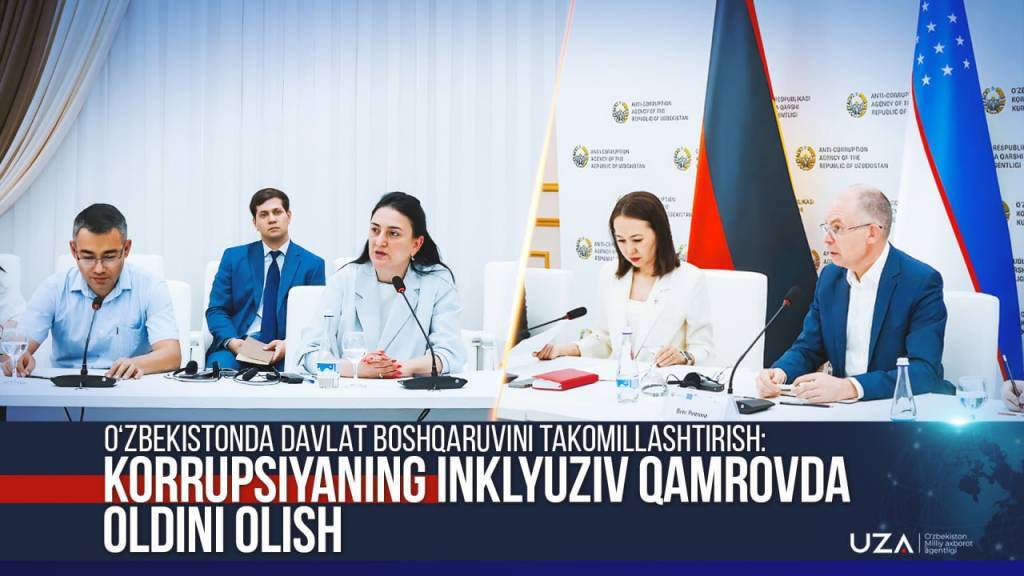
GIZ, jointly with the European Union (EU) Delegation to Uzbekistan and the Anti-Corruption Agency of the Republic of Uzbekistan, presented and discussed the work plan for the new project “Improving Governance in Uzbekistan: Inclusive Corruption Prevention”, co-funded by the EU and the German Government and implemented by an EU Consortium under the leadership of GIZ as a part of the Good Governance Program.
The project focuses on enhancing national policies and frameworks, strengthening government integrity, and increasing public awareness and civic monitoring to foster a zero-tolerance stance on corruption.
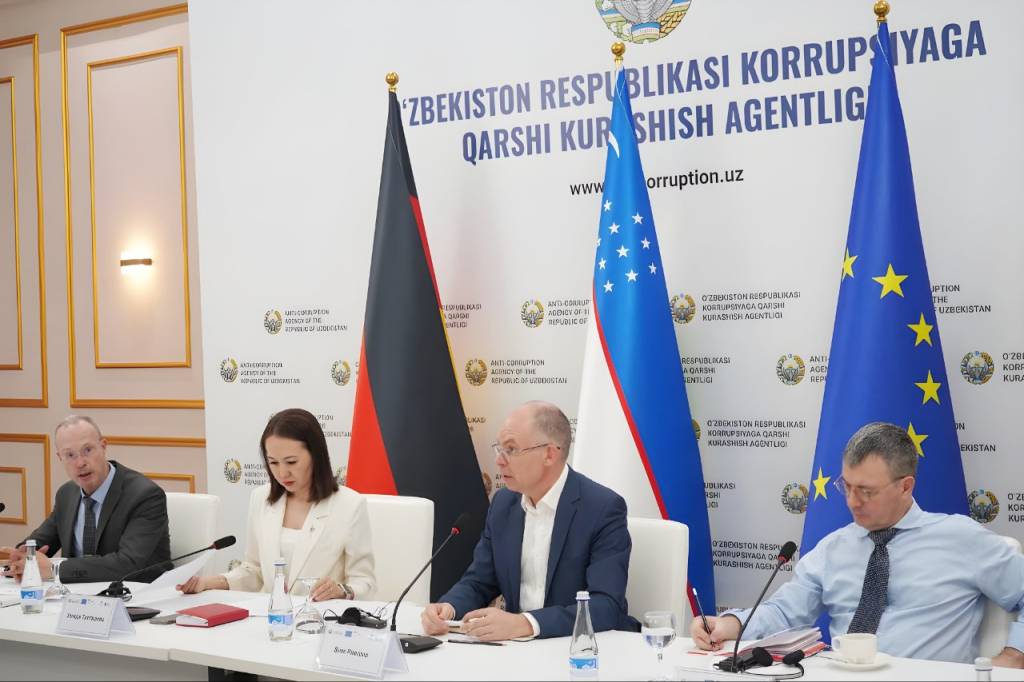
At the event dedicated to the presentation of the work plan, the Deputy Director of the Anti-Corruption Agency of the Republic of Uzbekistan, the Head of Cooperation at the European Union Delegation to Uzbekistan, the Deputy Head of Mission and Head of Cooperation at the German Embassy in Uzbekistan spoke about the essence and significance of the new project.
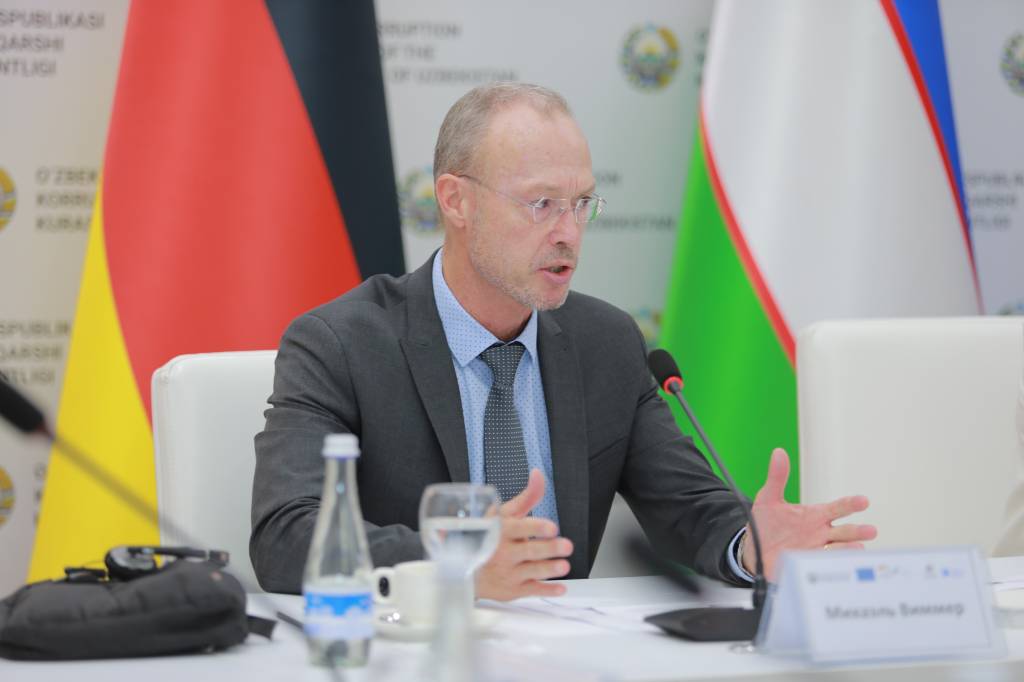
“This project is aimed at improving Uzbekistan’s indicators in the fight against corruption”, says Dr. Michael Wimmer, Deputy Head of Mission and Head of Cooperation at the German Embassy in Uzbekistan. “As a German-European consortium, we are pleased to participate in this process. If you want to move along the path of economic development, you must have an anti-corruption strategy. Foreign investors pay special attention to this. The fact is that it makes life easier for citizens. Today, we see that the government of Uzbekistan is serious about measures to combat corruption. Certain work has been implemented in the system”.
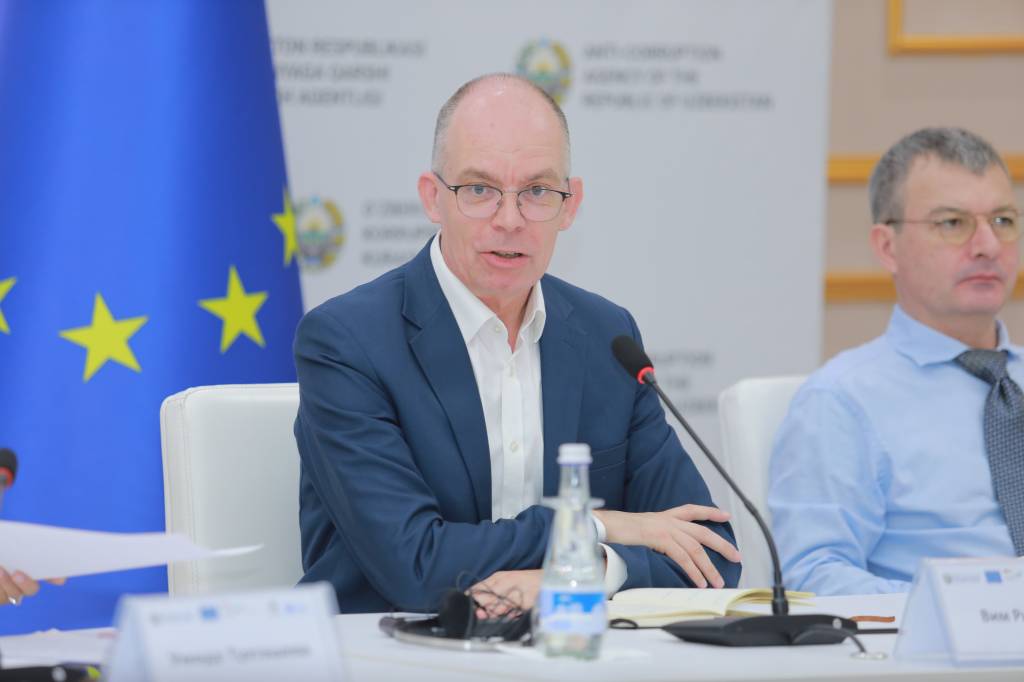
Over the past decade, Uzbekistan has made significant strides in combating corruption, improving its score by 16 points on Transparency International’s Corruption Perceptions Index. Under Strategy 2030, the government aims to reach at least the 50th position on this index and halve violations of public procurement laws.
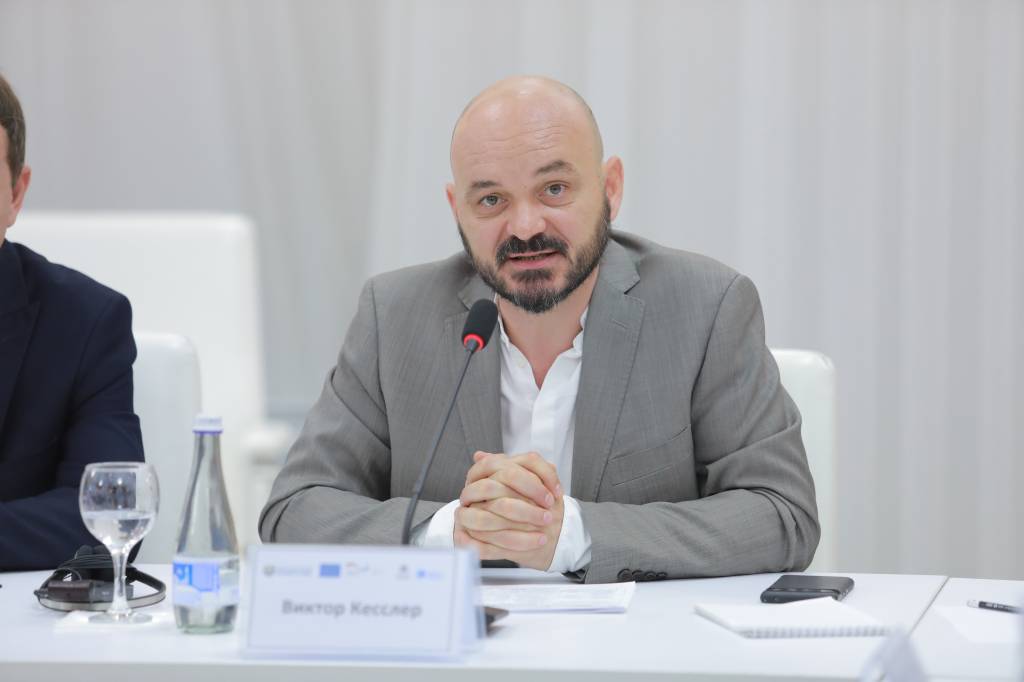
At the event, the participants discussed that this project improves national policies and regulations, increases public capacity, and strengthens civil monitoring. To achieve these goals, support will be provided for the development of the National Anti-Corruption Index and the National Integrity Assessment System, conducting sectoral assessments in areas with high levels of corruption, such as law enforcement, healthcare, and education, as well as improving the conflict management system and secure information transfer.
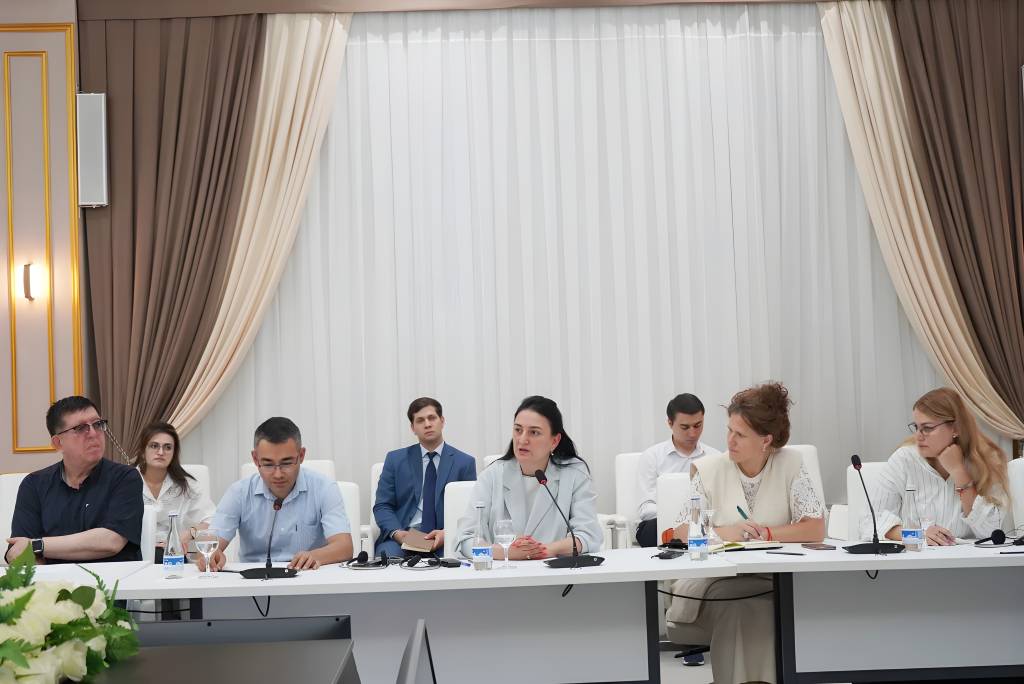
The project also includes developing sectoral action plans to eliminate anti-corruption risks. The main areas are capacity building through the exchange of international experience, including introducing information technology tools and creating a distance anti-corruption education system.
At the meeting, it was noted that joint efforts and comprehensive approaches will significantly contribute to improving governance, reducing anti-corruption risks, and strengthening the integrity of institutions in Uzbekistan.
Bekhruz Khudoyberdiyev, UzA