Proposals for selecting talented managers and training a new generation of leaders reviewed
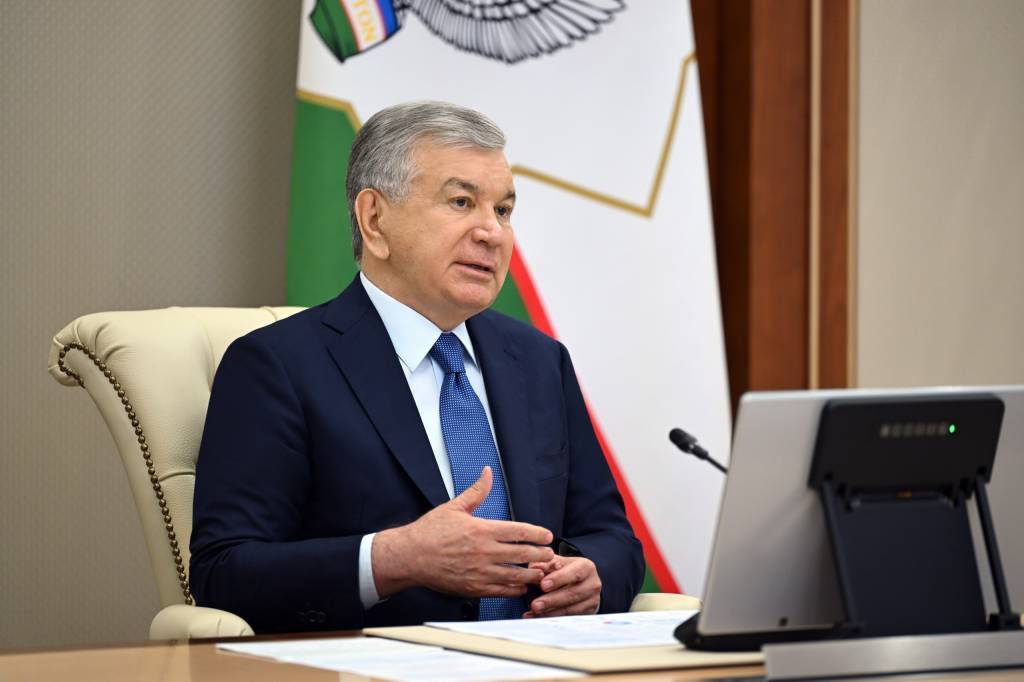
President Shavkat Mirziyoyev reviewed a presentation on measures to identify and select talented managers, leaders, and a new generation of executives, as well as to support gifted young people through the El-Yurt Umidi Foundation.
Today, Uzbekistan is transitioning into a new phase of development focused on intellectual potential and advanced technologies. Each year, the country receives over $50 billion in investments, exports are nearing $40 billion, and new modern enterprises are being launched.
Under these conditions, the issue of advanced training for personnel needed for a professional civil service and a competitive economy is gaining strategic importance.
In recent years, the system for selecting and assessing personnel in public administration has been steadily digitalized. For the first time, a unified electronic database of 87,700 civil servants has been created. Recruitment to the civil service is conducted through an open competition that assesses candidates’ knowledge and skills without the influence of the human factor.
During the presentation, it was noted that artificial intelligence had been used to analyze growth points across sectors and regions, which led to the identification of the need for managerial personnel in more than 50 modern specialties. Particularly high demand for qualified specialists was observed in energy and green technologies, construction and urbanization, agriculture and water management, digitalization, and the services sector.
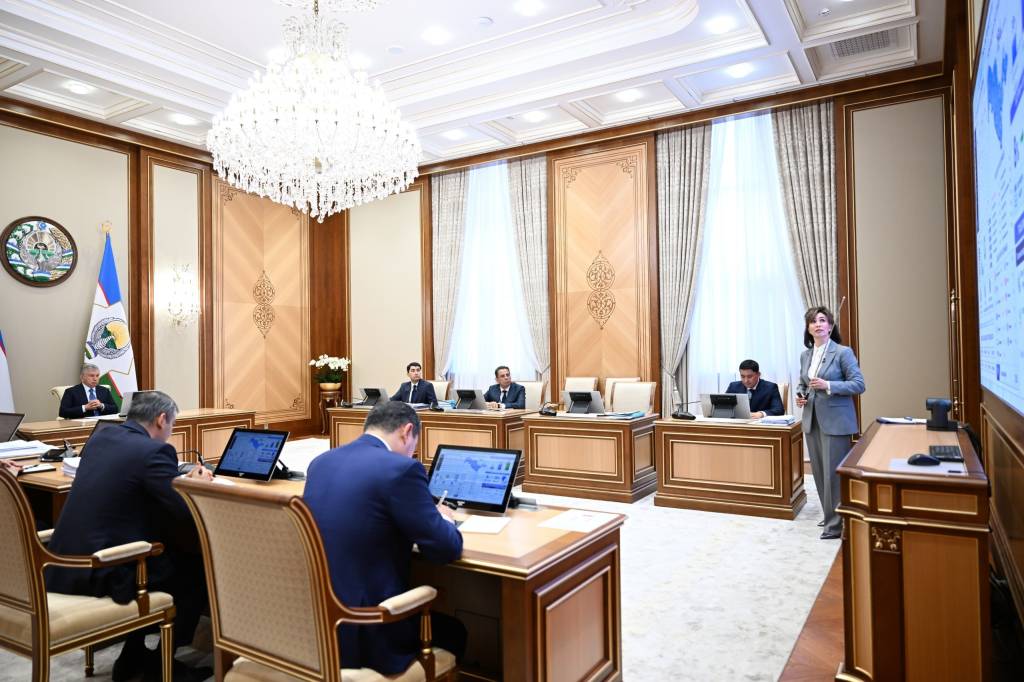
The Head of State emphasized that the absence of a ready personnel reserve could lead to disruptions in the management system, reduced work efficiency and a decline in the quality of decisions made.
The need was noted to abandon the outdated method of assessing personnel “by personal record” and to adopt a portfolio system that provides a comprehensive assessment of candidates, taking into account their knowledge, professional experience, psychological qualities, strategic thinking, and leadership abilities.
Under the new procedure, promising managers will be assessed on a 100-point scale using digital technologies. Through big data analysis and business intelligence tools, high-potential specialists will be identified, and individual professional development plans will be developed for them using artificial intelligence. It was proposed to introduce this system first in agriculture, higher education, and construction.
It is planned to select 500 promising managerial personnel every two years and, in this way, to form, by 2030, a personnel reserve of a new generation of leaders consisting of 1,500 high-potential specialists.
During the presentation, the mechanism for holding the open TOP-100 competition, aimed at transparently building a personnel reserve for leadership positions, was also announced. The competition will cover the agrarian sector, healthcare, entrepreneurship, the judicial and legal system, education, and information technology and artificial intelligence.
Candidates will go through stages of testing, comprehensive professional assessment, and interviews. After completing training in specialized courses, the winners will be included in the national personnel reserve. Targeted measures will be taken to ensure their professional growth and their appointment to leadership positions.
The importance of effectively harnessing the potential of compatriots living abroad, as well as young people who have graduated from or are studying at the world’s top 100 universities, in the process of forming the national personnel reserve was emphasized.
Starting October 1, 2026, a “Students Abroad” module will be launched on the career.edu.uz platform. This module will match young people studying abroad with government bodies and private enterprises, enabling students to undertake internships, interact with potential employers, and subsequently find employment.
The meeting also focused on improving the activities of the El-Yurt Umidi Foundation. As a result of the foundation’s transformation last year, the share of scholarship recipients studying at the world’s top 100 universities increased from 30 to 80 percent. Following three competitions held under the new procedure over the past year, 447 talented young people became scholarship recipients of the foundation.
At the same time, the need was noted to align the foundation’s programs with the specific needs of regions and sectors. Proposals were put forward to provide targeted training for talented young people at foreign universities, co-finance tuition costs with major enterprises, and launch joint educational programs with leading foreign higher education institutions.
Plans were also reviewed to support research, startups, and alumni initiatives aimed at implementing reforms through small grants, as well as to organize leadership programs for senior executives based on the experience of Singapore, Malaysia, the United Kingdom, and Japan.
The President instructed responsible officials to ensure openness and objectivity in personnel selection, provide systematic support for talented specialists, and make effective use of their potential to benefit the country’s development.
UzA