President of Uzbekistan and Prime Minister of India agree to elevate relations to a new level
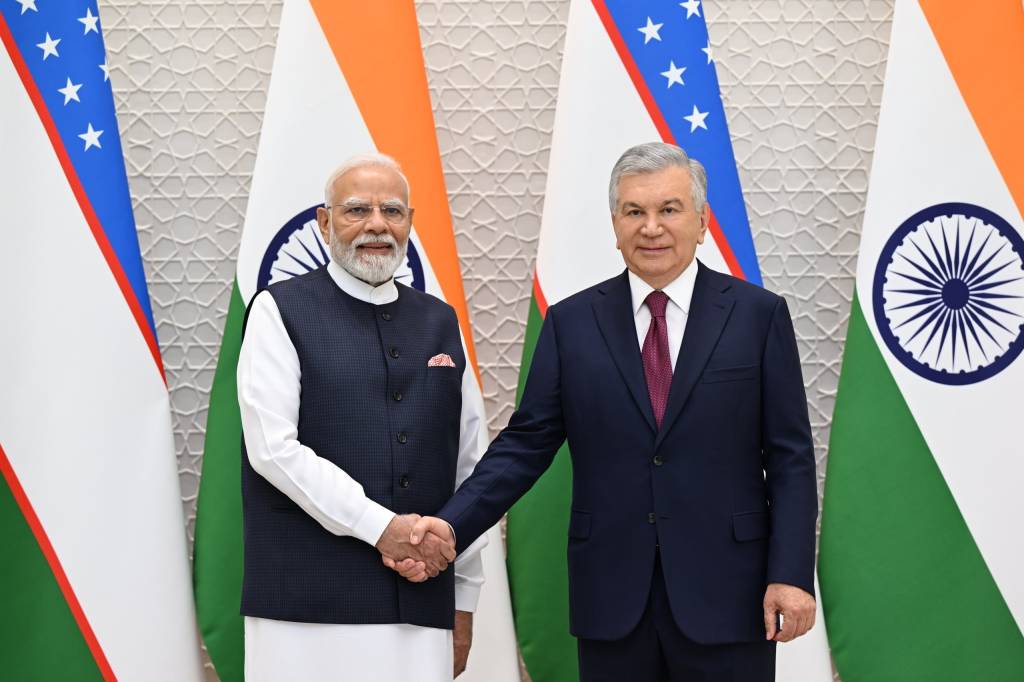
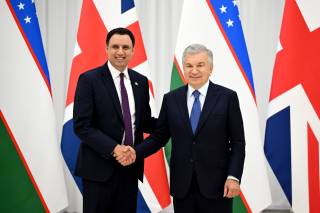
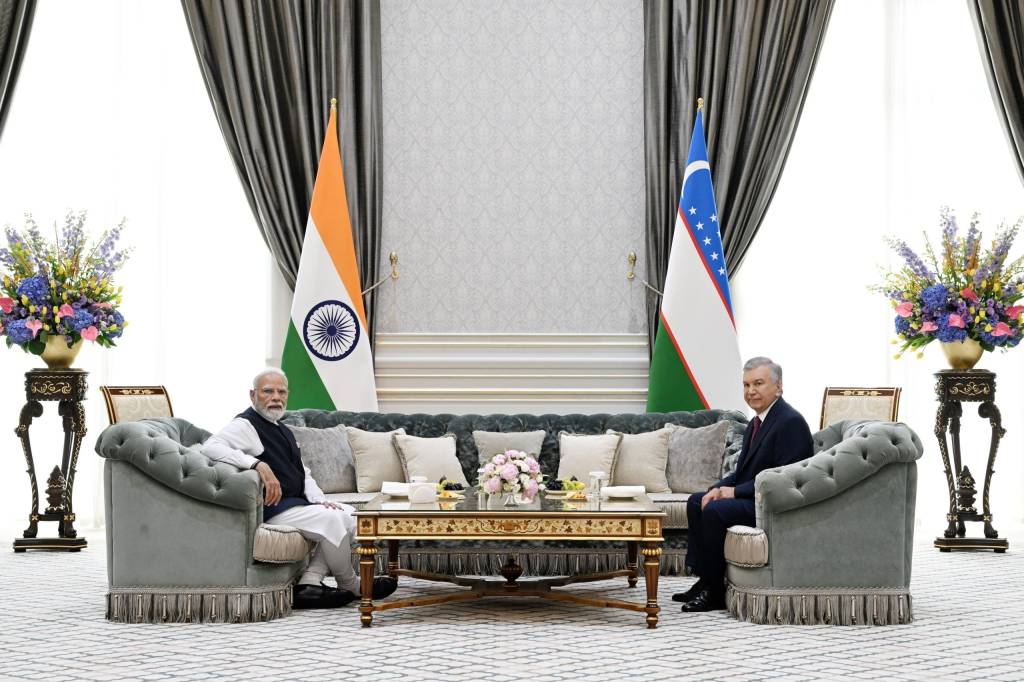
The President of the Republic of Uzbekistan Shavkat Mirziyoyev and the Prime Minister of the Republic of India Narendra Modi held talks at the Kuksaroy Residence.
Narendra Modi congratulated the President of Uzbekistan on Independence Day and sincerely wished the people of Uzbekistan peace, well-being, and prosperity.
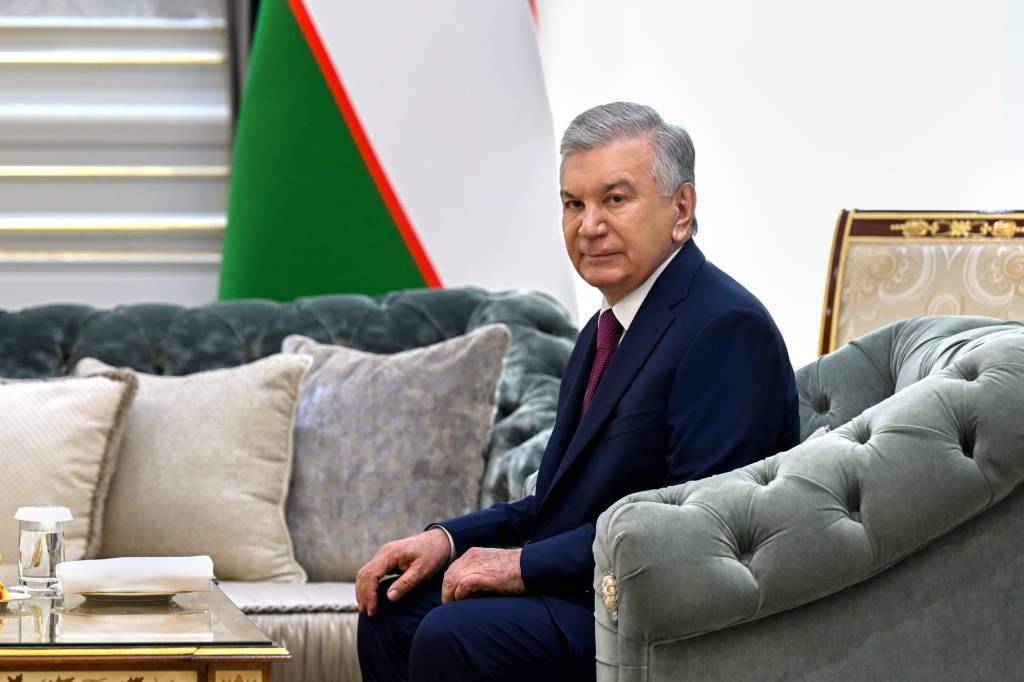
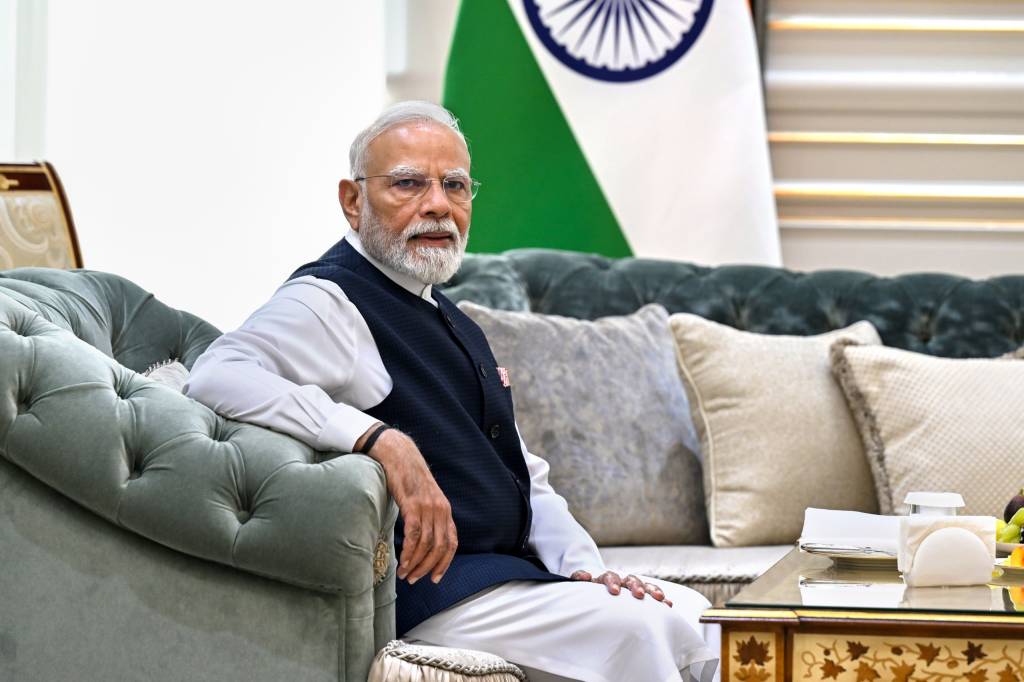
The parties discussed ongoing issues related to strengthening the strategic partnership and multifaceted cooperation between Uzbekistan and India.
The ongoing active and productive interactions across different levels were noted with great satisfaction.
Last year, bilateral trade surpassed $1 billion for the first time. The number of joint ventures has grown sevenfold in recent years. Currently, fourteen direct flights per week connect the two countries.
Cooperation in education is expanding. Four Indian universities operate in Uzbekistan.
Particular attention is being paid to strengthening cultural and humanitarian ties. The Lal Bahadur Shastri Centre for Indian Culture and the Mahatma Gandhi Centre for Indian Studies play an important role in this effort.
The growing popularity of yoga in Uzbekistan and the active development of cooperation in this field were also noted.
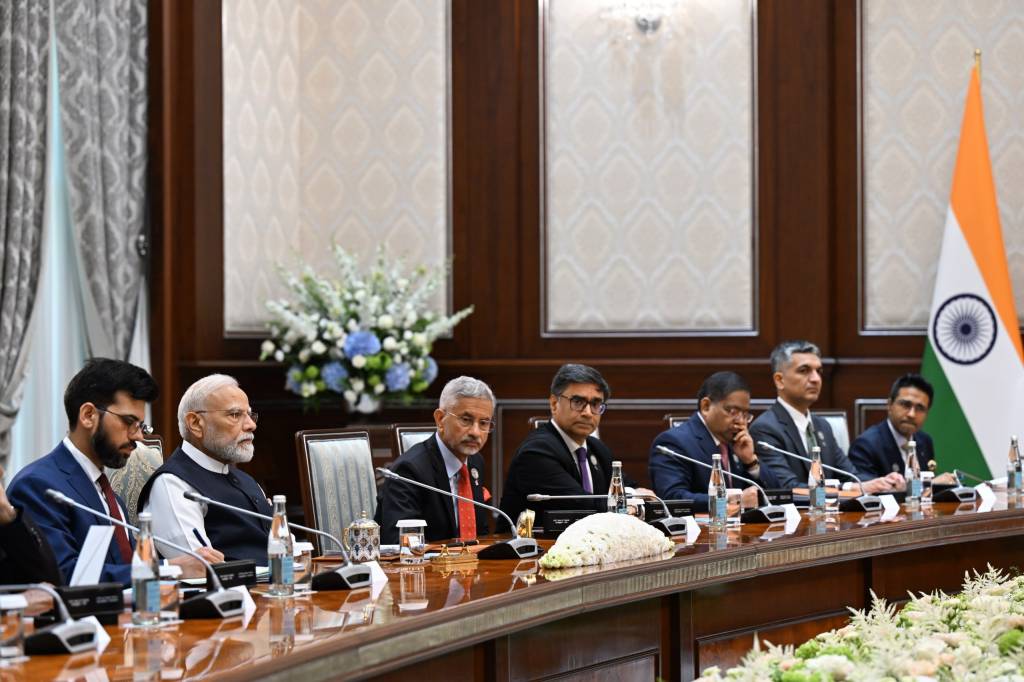
The historic significance of the current visit was emphasized, as it will mark the elevation of relations between Uzbekistan and India to a comprehensive strategic partnership.
It was noted that this marks a new chapter in relations between Uzbekistan and India and lays a solid foundation for expanding practical cooperation across all priority areas.
The parties agreed to intensify political contacts and exchanges at all levels, including through parliamentary friendship groups, the Intergovernmental Commission, and the Business Council.
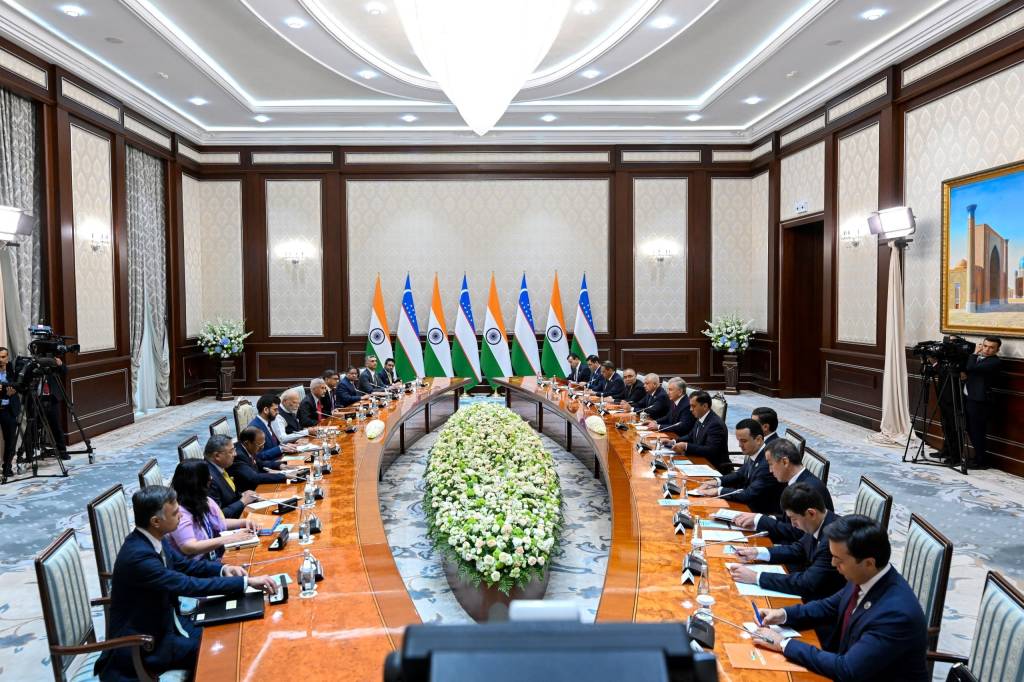
A coordination mechanism among foreign ministers will be established to facilitate effective cooperation.
During the talks, the parties discussed in detail expanding trade, economic, and investment cooperation.
The parties recognized the significant potential to boost bilateral trade substantially and committed to implementing measures to reach a trade turnover of $5 billion by 2030.
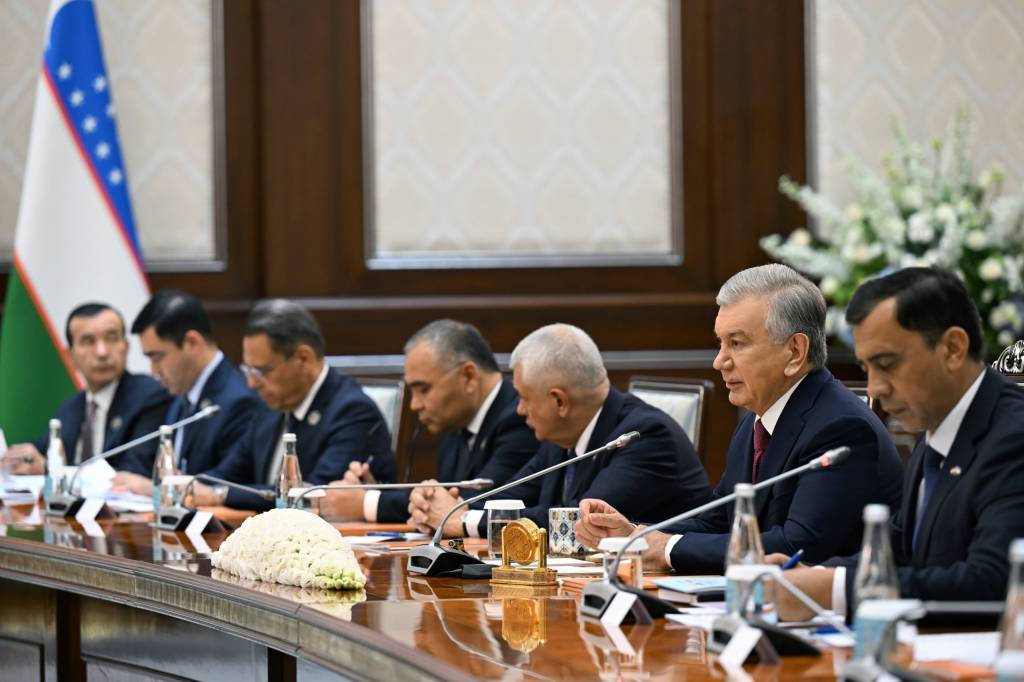
The parties paid particular attention to expanding industrial cooperation and implementing new joint projects. Prospects for cooperation with leading Indian companies were noted in energy, electrical engineering, metallurgy, critical minerals, healthcare, pharmaceuticals, agriculture, and the jewelry industry.
Special focus was also placed on fostering interregional cooperation. Notably, close partnerships were established between Andijan region and the state of Gujarat, Fergana region and Haryana, and Samarkand region and Agra.
The parties also considered expanding cultural and humanitarian cooperation. An agreement was reached to hold Days of Culture, concerts, exhibitions, forums, and film festivals on a regular basis. A five-year Cultural Exchange Program is expected to be signed as part of the visit.
The leaders also exchanged views on current issues on the international and regional agendas.
The leaders noted with satisfaction the effective cooperation among international organizations. The parties emphasized the importance of continuing mutual support for initiatives within the UN, SCO, BRICS, and other international organizations.
Following the meeting, the heads of ministries and agencies were instructed to actively promote joint projects and programs.
For each priority area, corresponding roadmaps will be adopted, outlining specific mechanisms, responsible agencies and officials, and implementation timelines.
UzA