New administrative center of Bukhara – an embodiment of people-oriented policy
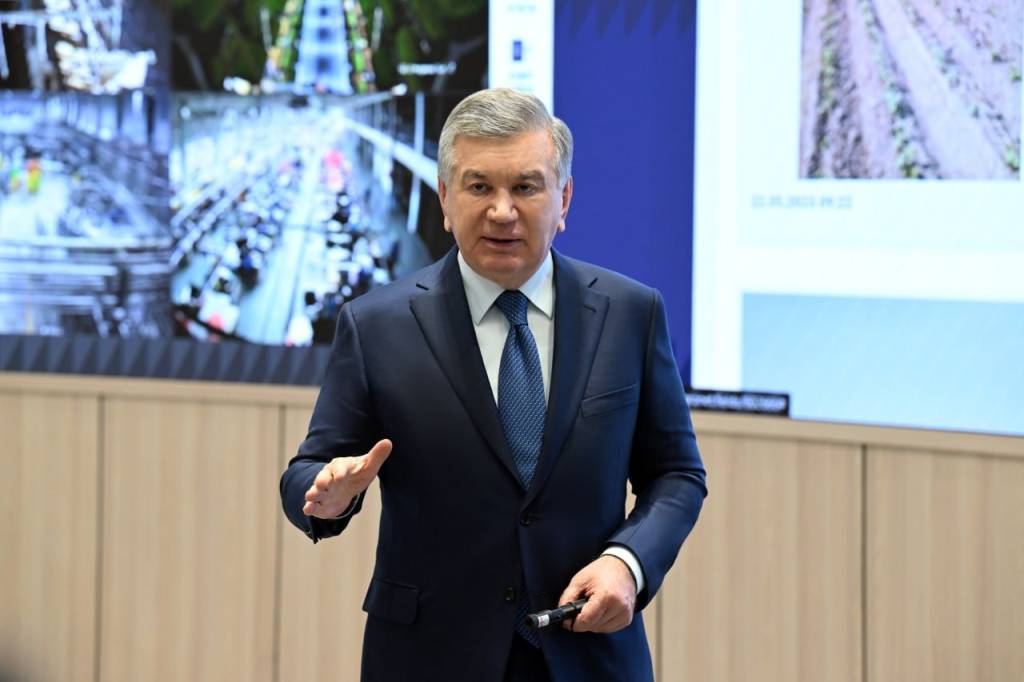
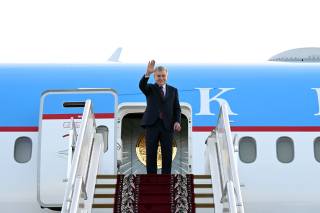
During his visit to Bukhara, President Shavkat Mirziyoyev became familiar with the construction and development underway at the new administrative center of Bukhara region.
This complex is a continuation of the practice of integrating government bodies, which was previously tested in Kukdala district of Kashkadarya region. There, 38 government institutions were consolidated, creating significant convenience for the population. Citizens who previously had to travel considerable distances and apply to various authorities were allowed to resolve all their issues at a single, accessible, and convenient location.
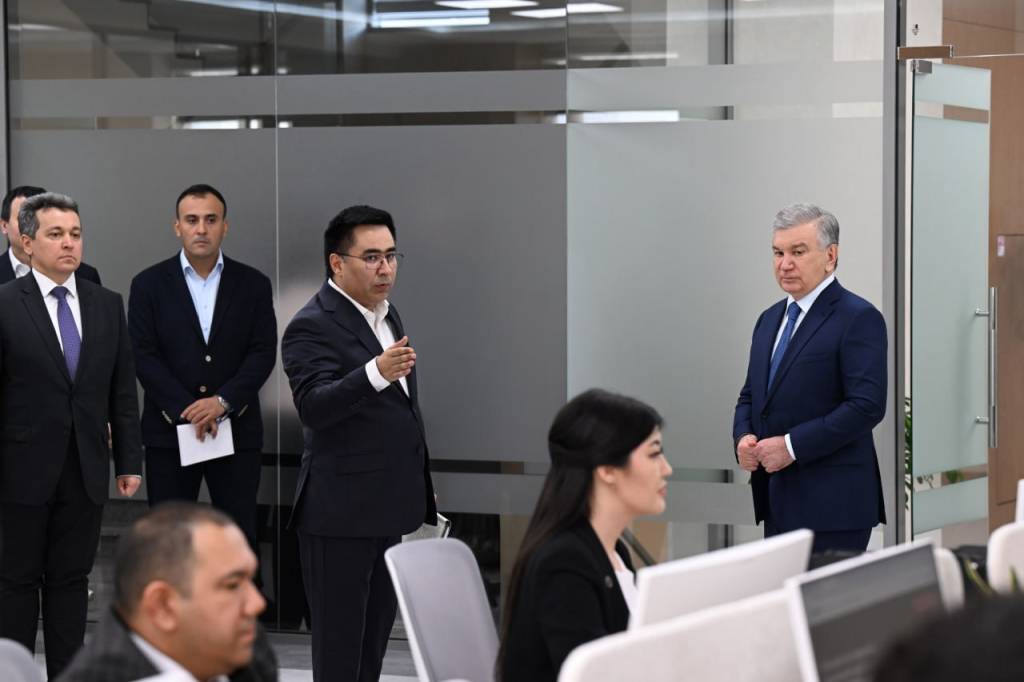
During his visit to Kukdala last year, the President noted that this approach should serve as a model for all districts. Over time, based on this experience, similar development work has begun in other regions.
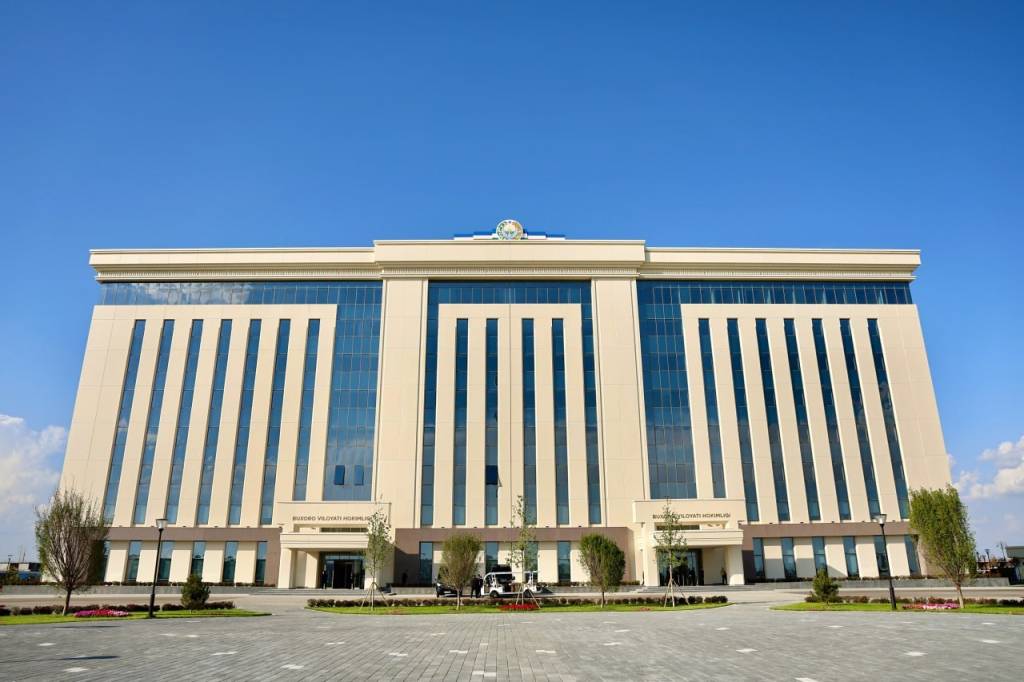
In particular, the administrative center in Bukhara covers 14 hectares. At the first stage, it brings together the regional and city hokimiyats, the regional prosecutor’s office, the internal affairs department, and other agencies. This primarily aims to enhance coordination among local executive authorities, accelerate the consideration of public appeals, and improve the quality of public services.
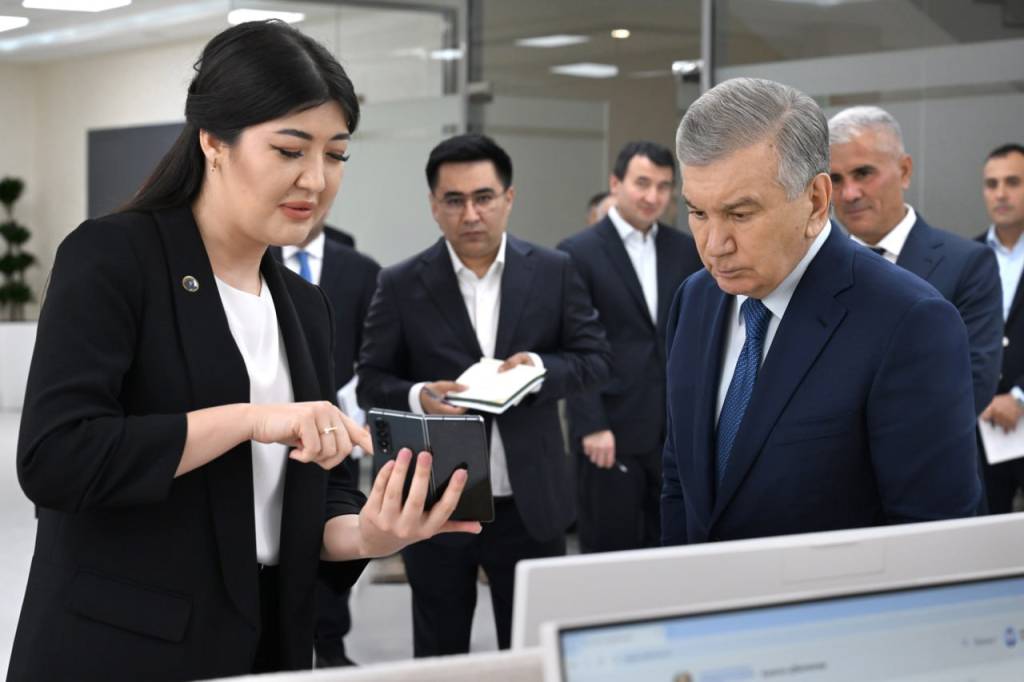
The complex is not limited to administrative buildings. Alleys, fountains, and green areas are being created to provide meaningful recreation for residents and visitors.
The President became familiar with the construction work on the new building of the regional hokimiyat.
It was emphasized that efforts to consolidate government bodies into unified administrative centers should be continued consistently to provide convenience for citizens and ensure access to necessary services in one place, without the need to visit multiple locations.
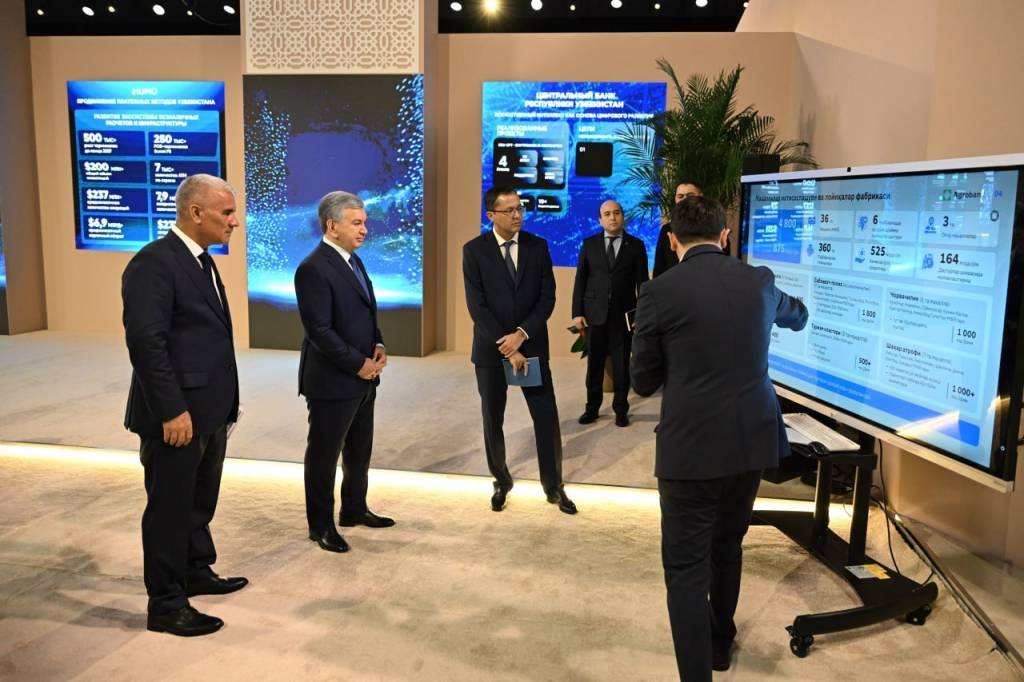
At the same site, the Head of State was presented with information on ongoing efforts to promote the socio-economic development of the territory and to create even more favorable conditions for the population.
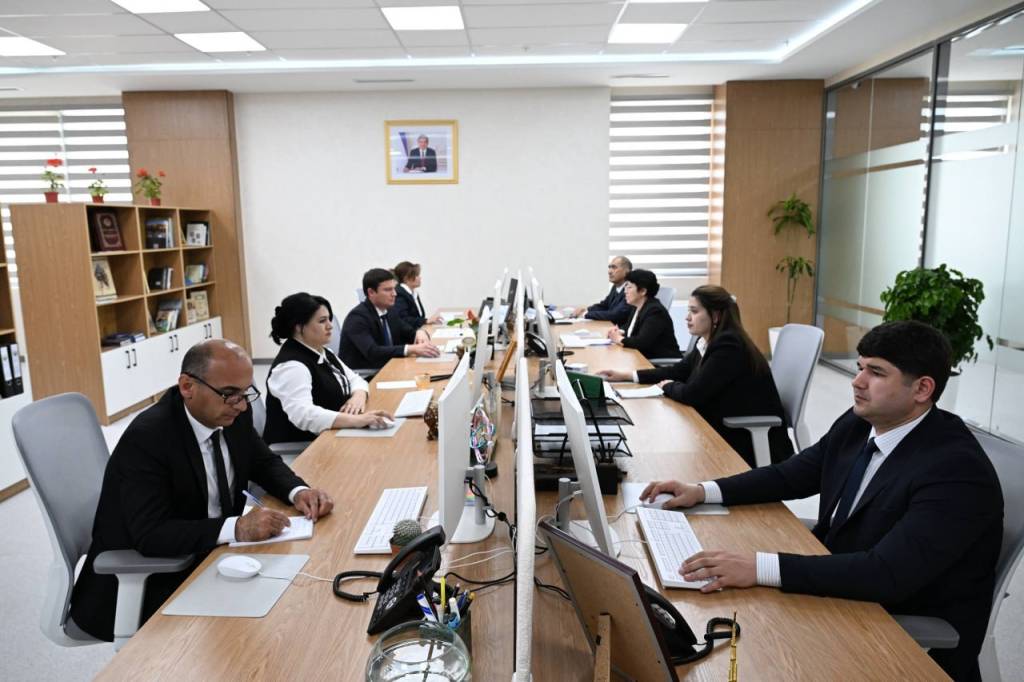
In particular, it was reported that banks, using artificial intelligence, conducted a mahalla-level analysis to identify growth points in Bukhara district. This analysis enabled a comprehensive assessment of land, water, and labor resources, market demand, infrastructure, and existing production capacities. As a result, the most promising areas for Bukhara district were identified as agribusiness, tourism, industry, and roadside services.
In particular, opportunities were identified to develop 15,000 hectares of land, establish 500 hectares of new vineyards, expand enotourism, and implement new projects in the oil and gas, chemical, construction, and food industries. As the analysis showed, in 2026-2031, it will be possible to implement projects in these sectors worth 7.4 trillion UZS and create 15,000 new jobs.
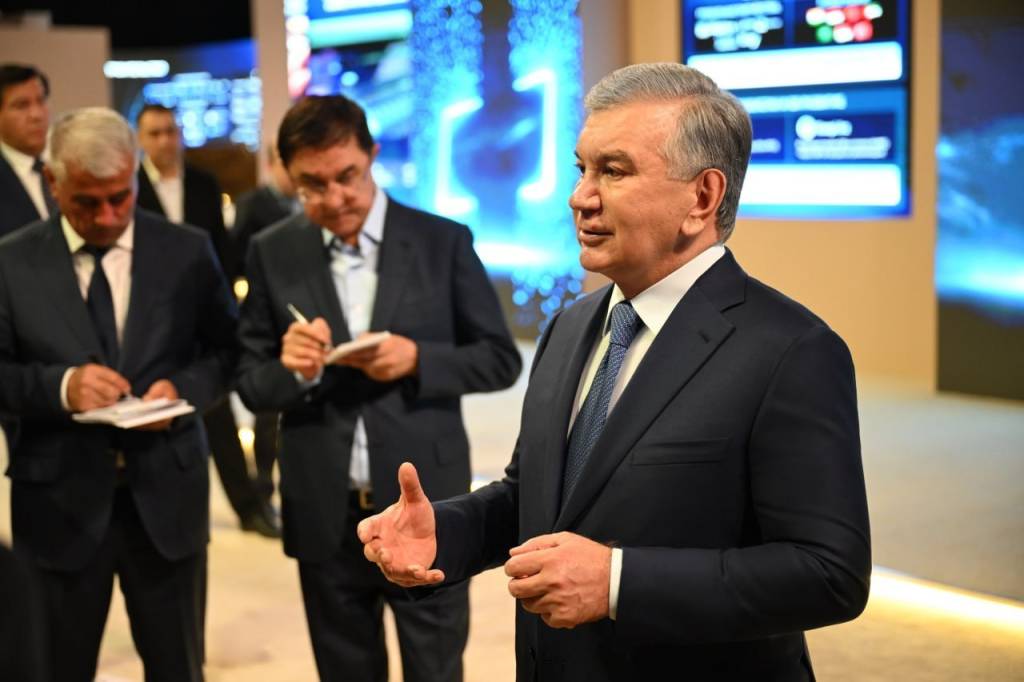
In addition, it was noted that 36 mahallas in the district can specialize in six key areas – viticulture, fruit and vegetable cultivation, livestock breeding, horticulture, tourism, and services. To accelerate the development and implementation of projects for mahallas, AI-based solutions are being developed to build a resource base, automatically prepare business plans, allocate financing, and monitor results in real time.
The President emphasized the importance of using artificial intelligence capabilities to unlock each territory’s potential, develop projects focused on concrete results, and support initiatives that increase employment and household incomes.
UzA