Mountains may be recognized as priority zones for climate investment
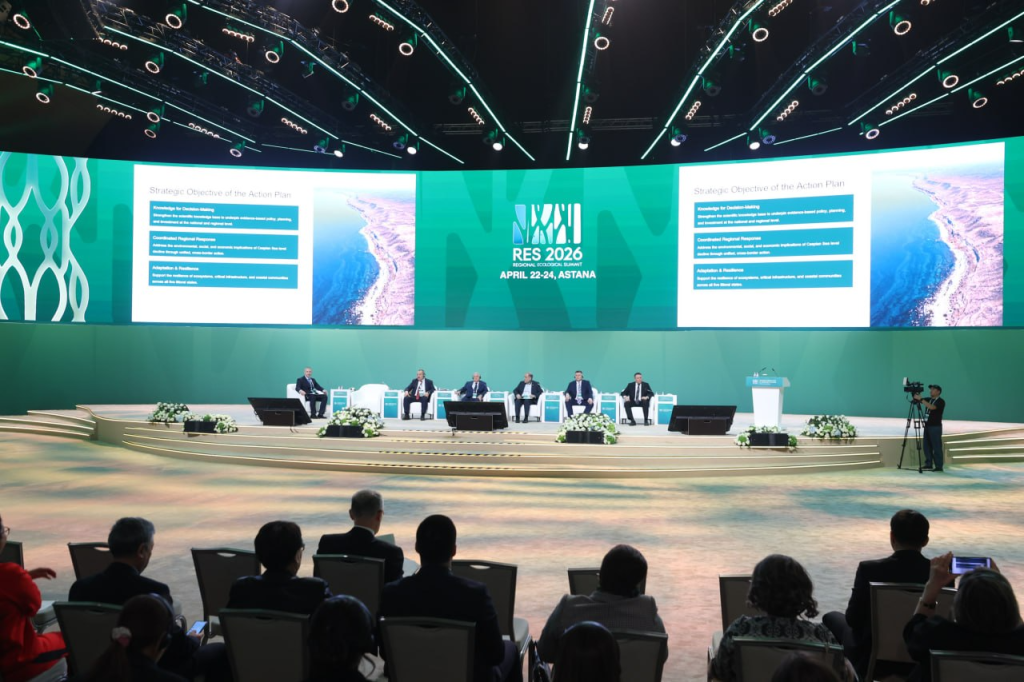
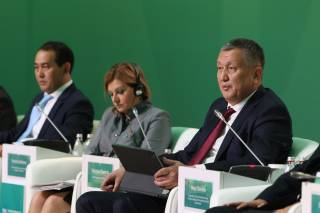
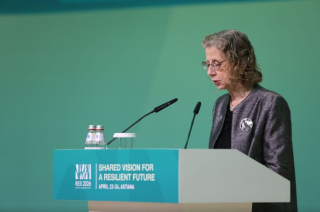
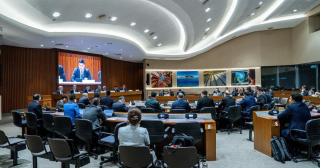
Ministers of ecology of Central Asian countries, UN officials, and leading experts from the World Bank discussed in Astana, Kazakhstan, the need to protect mountain ecosystems that provide more than half of the world’s population with fresh water.
Experts presented reports emphasizing that mountain areas play a key role in maintaining ecosystems and food security. At the same time, they are among the most vulnerable to the impacts of climate change and face a significant funding shortfall within the international climate agenda.
Participants discussed ways to strengthen political attention to mountain issues, promote adaptation solutions and sustainable development mechanisms, and expand international partnerships.
As emphasized by the session participants, despite mountains occupying 27 percent of the Earth’s land area and playing a key role in global food security, they remain among the most vulnerable to climate shocks and are chronically underfunded within global environmental programs. Accelerated glacier melting, soil degradation, and the increasing frequency of natural disasters in the region – from mudflows to floods – require an immediate shift from acknowledging risks to active investment in resilience.
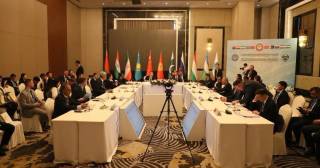
Under the moderation of OSCE Co-ordinator Bakyt Dzhusupov, heads of environmental agencies from Kyrgyzstan, Kazakhstan, Tajikistan, Turkmenistan, and Uzbekistan noted a lack of political attention to the needs of mountain communities and the need to form a unified regional front for upcoming UN international conferences (COP).
The outcome of the session was the development of a set of recommendations for international platforms to recognize mountains as priority zones for climate investment.
Roman Bondarchuk, UzA
Astana, Kazakhstan