Measures to widely implement digital technologies in the mining and geology industries reviewed

President Shavkat Mirziyoyev was briefed on measures to expand the adoption of digital solutions and artificial intelligence technologies across the mining and geology sector.
The mining and geology sector plays an important role in the country’s economy. In 2025, enterprises in the sector accounted for 20 percent of total industrial output and generated 118.5 trillion UZS in budgetary revenue.
Therefore, addressing the sector’s technological transformation challenges, ensuring the efficient use of production and labor resources, and expanding the adoption of modern digital solutions are strategically important for strengthening economic security, attracting investment, and ensuring the rational use of natural resources.
The concepts of sustainable development and digital geology continue to evolve worldwide. Efforts have also been made in Uzbekistan. In particular, major mining enterprises reduced operating expenses by 7.3 trillion UZS in 2025, while production costs declined by 9.1 percent.
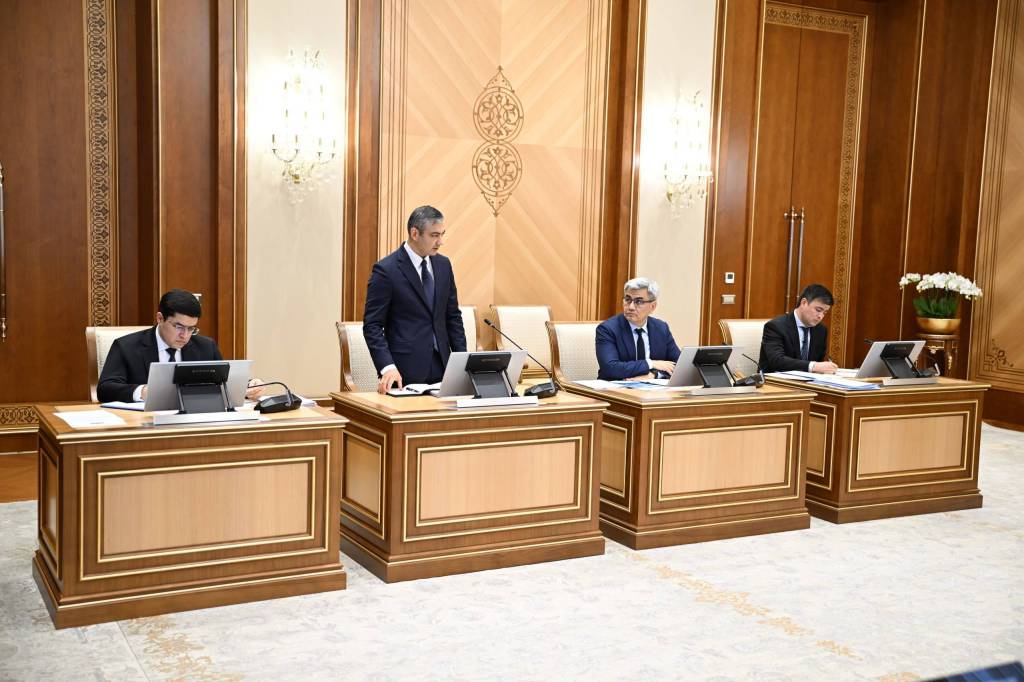
The Geomonitoring information system has been introduced, and data on more than 2,000 mineral deposits have been digitized.
It was noted that efforts are underway to increase reserves by 879 tons of gold, 510 tons of silver, and 676,000 tons of copper over the next five years.
Artificial intelligence technologies enable rapid analysis of geological data, prediction of mineral deposits, accurate assessment of reserves, and improved drilling efficiency. To this end, AI-based solutions are planned for introduction at all stages of the geological exploration process.
The President emphasized the need to advance the sector’s technological transformation to a new level and to establish an artificial-intelligence-based system for managing and analyzing production processes.
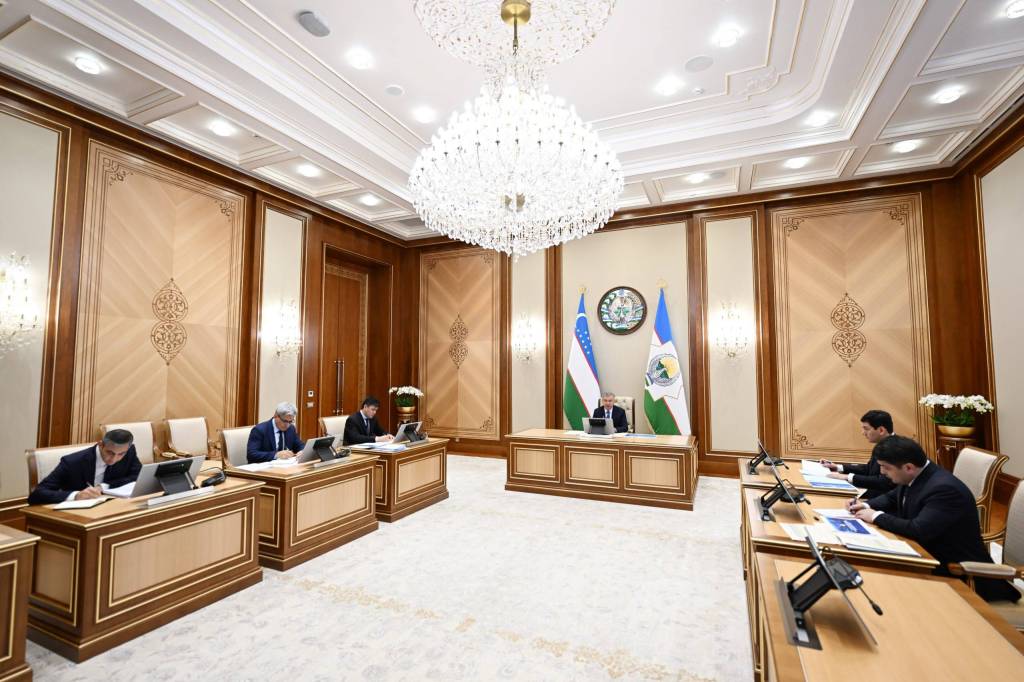
The mining and geology sector generates large volumes of data, including maps, geological survey results, drilling data, laboratory analyses, and production indicators. By consolidating this information into a unified electronic database and enabling rapid search and analysis through 3D modeling, the potential to discover new mineral deposits can be significantly increased.
It was noted that this would reduce production costs by 10 percent, cut the time required to identify new deposits in half, and increase the number of investment proposals fourfold.
The presentation also outlined plans to attract $30 billion in investment to the geology and mining sector by 2030. Achieving this goal will require, first and foremost, creating a high-quality, reliable digital database that meets investor requirements.
In this regard, a proposal was put forward to establish a National Geological Database. As part of this initiative, a Center for Technological Transformation will be established, and more than 36,000 existing reports and primary data will be digitized. As a result, the quality and speed of geological data generation will double, and deposit modeling and reserve estimation will be accelerated twofold.
Plans were presented to implement 44 projects between 2026 and 2030 to introduce artificial intelligence and digital technologies at six major enterprises across the mining, metallurgical, and processing industries: Navoi Mining and Metallurgical Company, Almalyk Mining and Metallurgical Company, and the joint-stock companies Navoiuran, Uzmetkombinat, Uzbekcoal, and Uzbekistan Technological Metals Complex.
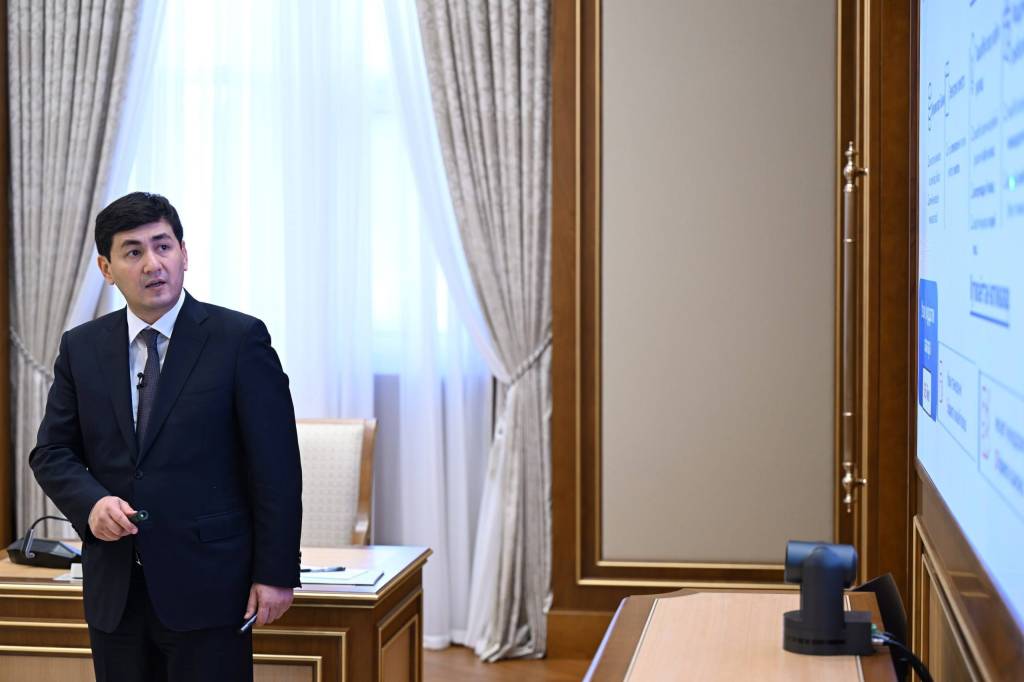
These projects cover five key areas: the automation of production processes, the digitalization of corporate governance, the introduction of artificial intelligence technologies, the enhancement of labor and industrial safety, and the digital transformation of geological exploration activities.
Implementation of these projects is expected to increase operational efficiency by 7 percent, improve the reliability of machinery and equipment by 20 percent, and enhance energy efficiency by 8 percent. Human-factor-related errors and risks are also projected to decrease by 15 percent.
It was noted that these solutions should be patented.
Responsible officials were instructed to include measures to improve the efficiency of production and labor resources in developing business plans for mining enterprises and to approve separate programs for technology and artificial intelligence projects.
UzA