Major energy facilities are commissioned and construction of new projects is launched in Uzbekistan
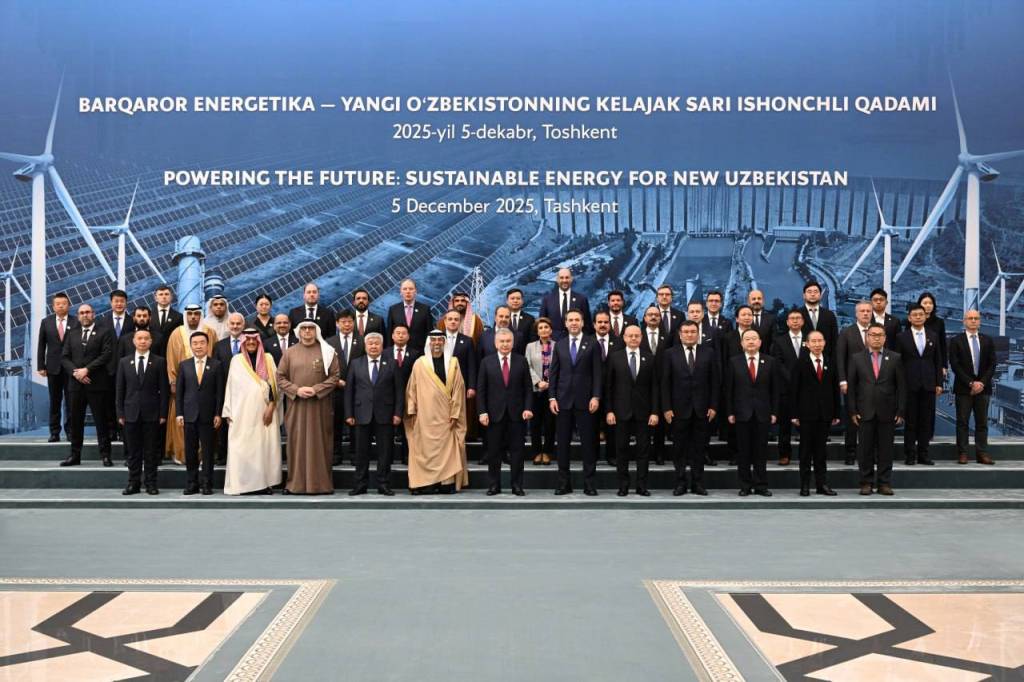
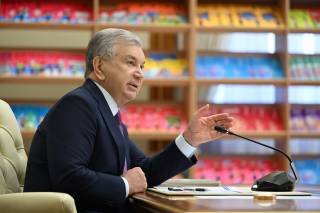
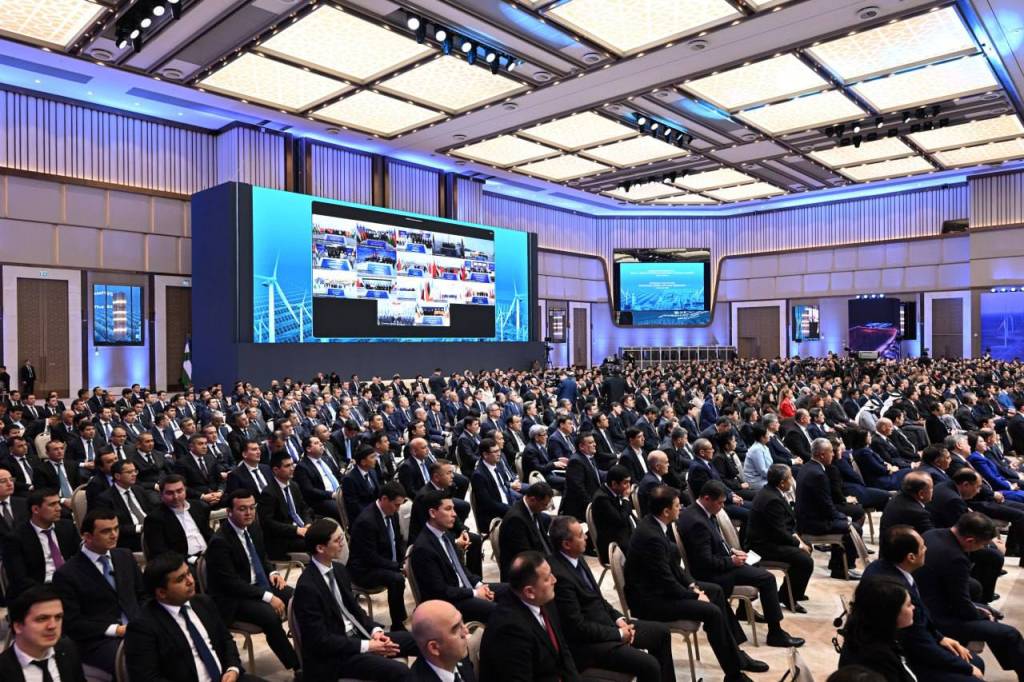
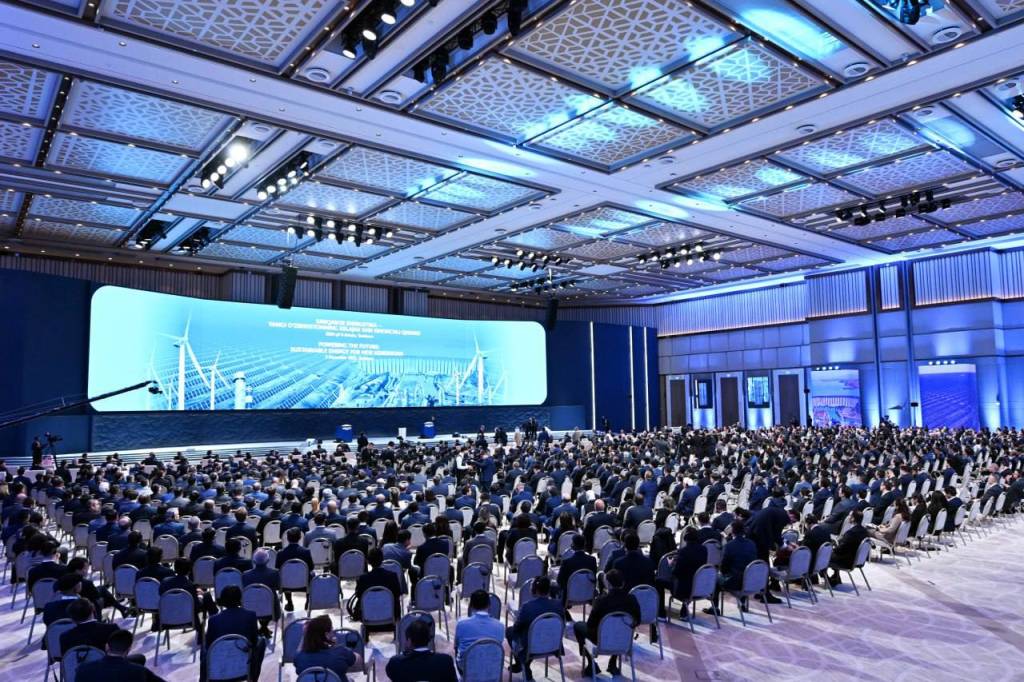
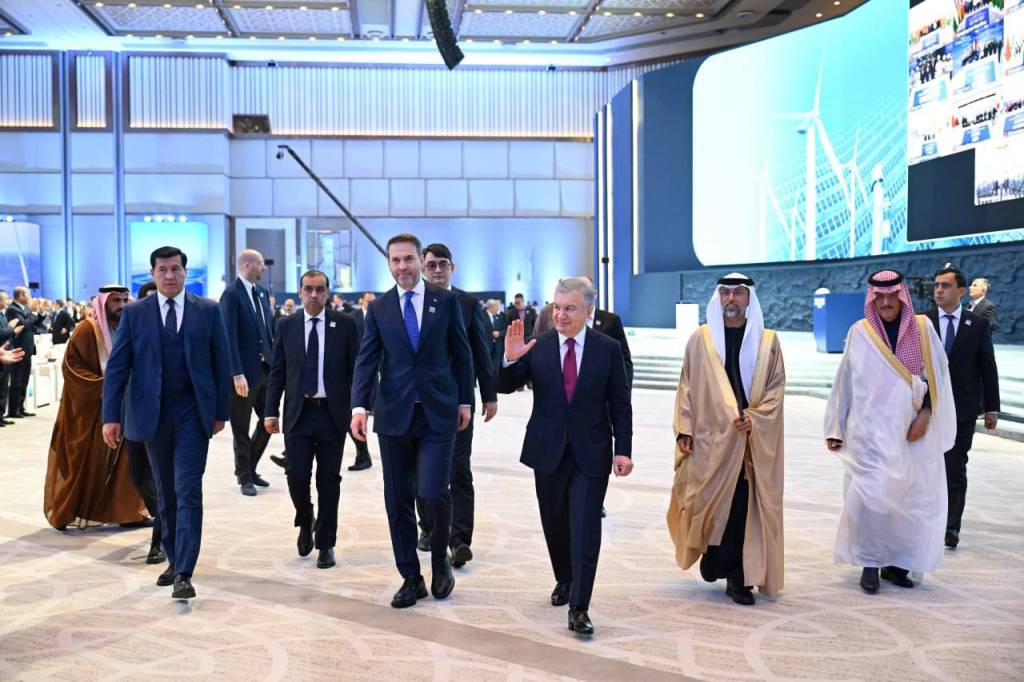
On December 5, President of the Republic of Uzbekistan Shavkat Mirziyoyev took part in a ceremonial event marking the commissioning of new energy capacities and the start of construction on several infrastructure projects.
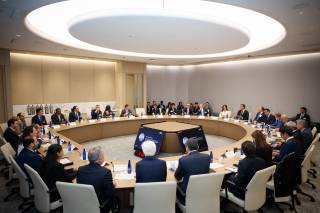
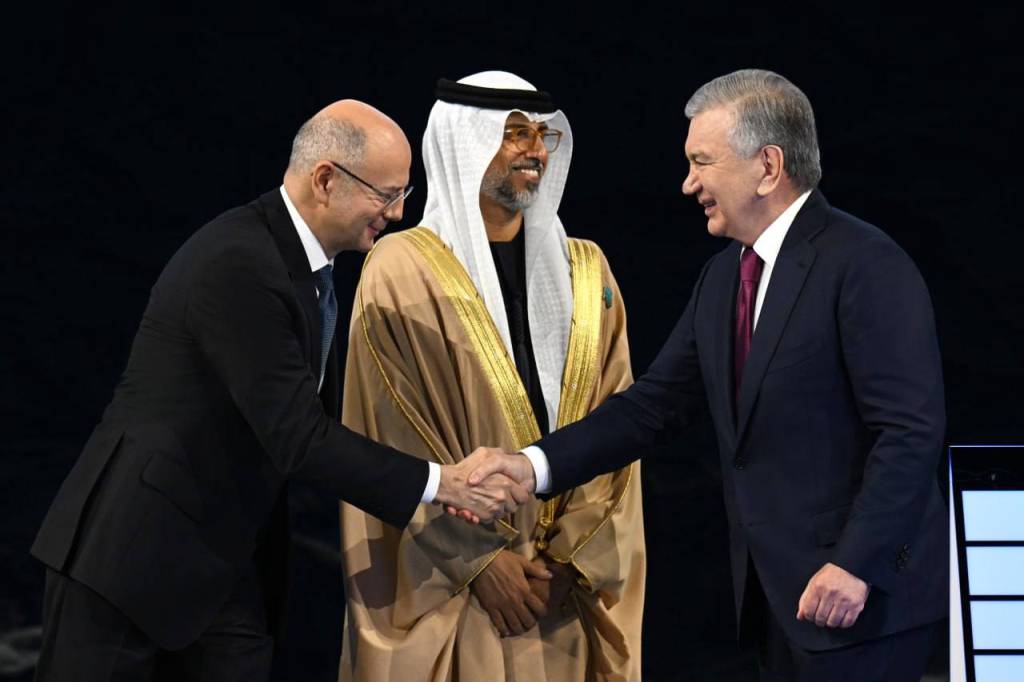
The event was attended by Suhail Al Mazrouei, UAE Minister of Energy and Infrastructure, Alparslan Bayraktar, Minister of Energy and Natural Resources of the Republic of Türkiye, Parviz Shahbazov, Minister of Energy of the Republic of Azerbaijan, Taalaibek Ibraev, Minister of Energy of the Kyrgyz Republic, as well as representatives of the World Bank, the European Bank for Reconstruction and Development, the Asian Development Bank, the Asian Infrastructure Investment Bank, the Islamic Development Bank, and leading companies including ACWA Power (Saudi Arabia), Aksa Enerji and Cengiz Enerji (Türkiye), Masdar (UAE), China Energy, Datang, Sinoma, Poly (China), EDF, Voltalia, TotalEnergies (France), Siemens Energy (Germany), and Nebras Power (Qatar).
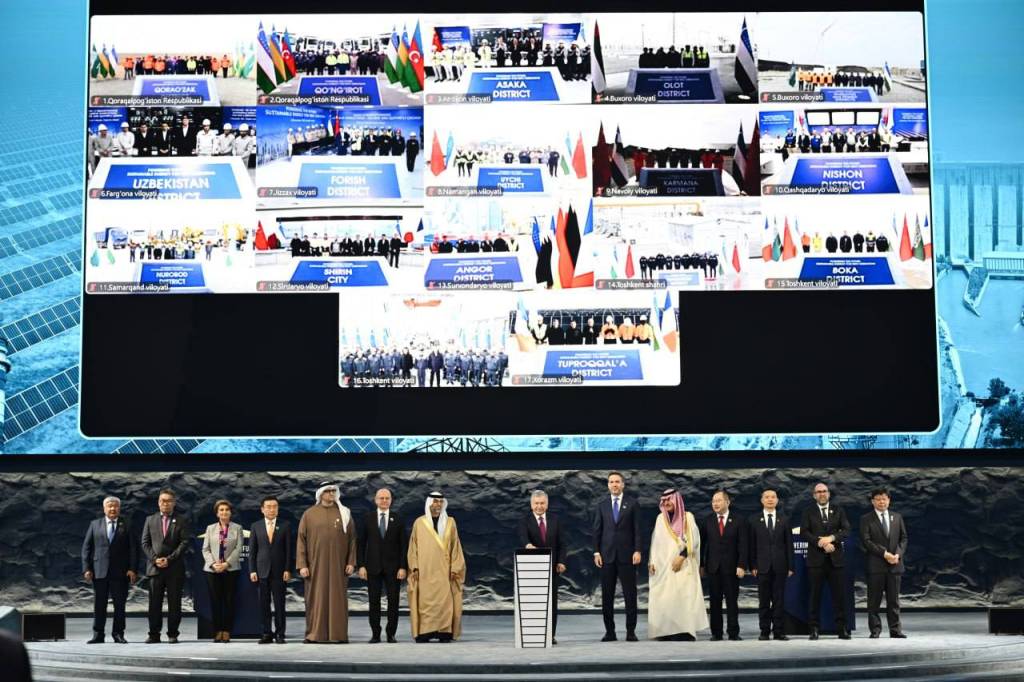
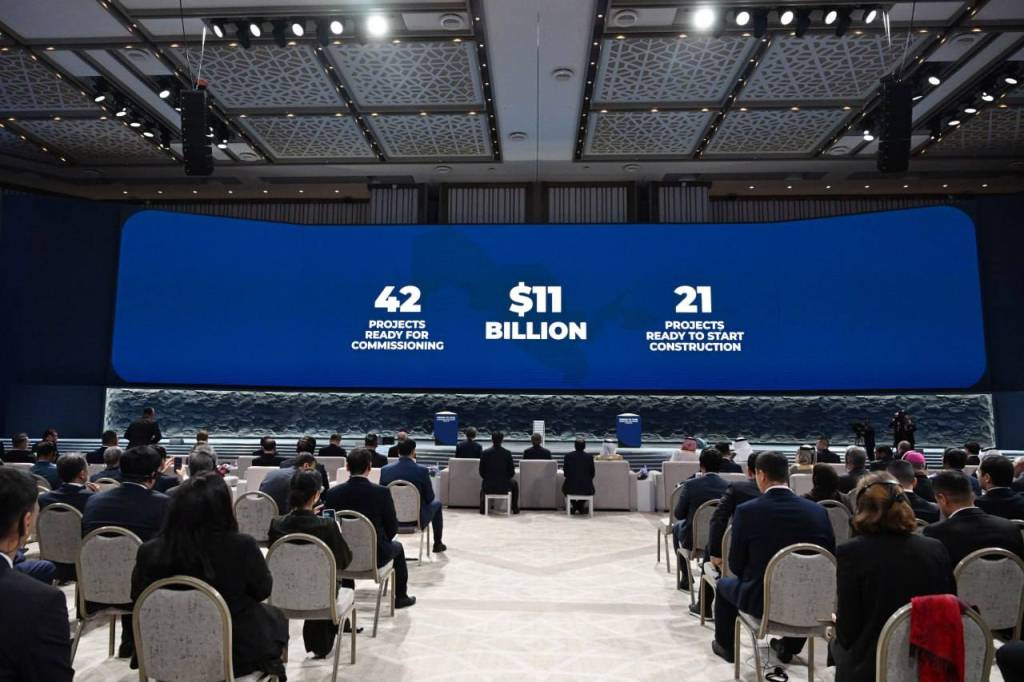
The new facilities – 42 newly built generation, storage, and production units, along with other energy infrastructure totaling $11 billion – form part of the large-scale national strategy aimed at strengthening Uzbekistan’s energy capacity.
Among them are 16 solar, wind, thermal, and hydroelectric power plants with a combined value of $3.3 billion and a total capacity of 3,500 megawatts, located in Karakalpakstan, and Bukhara, Kashkadarya, and Tashkent regions.
Once operating at full capacity, these facilities will generate 15 billion kilowatt-hours of electricity per year.
As a result, next year the country’s output of green energy will reach 23 billion kilowatt-hours. This will fully meet the annual electricity needs of the population of Uzbekistan.
Most importantly, clean energy will help reduce natural gas consumption by nearly 7 billion cubic meters, and prevent 11 million tons of harmful emissions from being released into the atmosphere.
Among the projects being launched are 10 energy storage systems with a total capacity of 1,245 megawatts. This will make it possible to supply an additional 1.5 billion kilowatt-hours of electricity to the grid during peak loads.
In addition, 11 major substations and 420 kilometers of high-voltage transmission lines are being commissioned, contributing to the stable operation of the energy system.
New enterprises will also make a significant contribution to the economy: Angren Energo, which will produce 15,000 transformers per year, and Uzhydropower, which will manufacture 155 hydro units annually.
Speaking at the ceremony, the Head of State expressed confidence that this important event would serve as another practical step toward Uzbekistan’s sustainable development.
“Considering the rapid growth of the economy and the rising needs of the population, we are carrying out large-scale reforms in the energy sector. In this area, we have identified two key goals. The first is to ensure reliable and uninterrupted energy supply to all industries and regions. The second is to achieve this primarily through modern, environmentally friendly, and renewable energy sources”, the President stated.
It was noted that in recent years, $35 billion in foreign investment has been attracted to the energy sector, and 9,000 megawatts of new capacity have been commissioned.
As a result, electricity production has increased from 60 billion kilowatt-hours in 2017 to 85 billion this year.
It is particularly significant that solar and wind power plants with a total capacity of about 5,000 megawatts, as well as hydroelectric power plants with a capacity of 400 megawatts, have been commissioned. This year, the share of green energy in total generation will reach 30 percent.
In addition, 2,000 megawatts of small solar panels have been installed in the private sector, in households, and at social facilities. This year alone, they generated nearly 2 billion kilowatt-hours of additional renewable energy. Across the country, 69,000 kilometers of power lines, as well as 14,000 transformer stations and high-voltage substations, have been upgraded.
These transformations provide a powerful boost to the development of domestic enterprises. Since the beginning of the year, local manufacturers have supplied construction materials, metal structures, cable products, and electrical equipment for the power plants and networks under construction, and have provided design-engineering and construction services totaling $700 million.
For example, the first hydroelectric power plant of Naryn cascade, with a capacity of 38 megawatts, was commissioned entirely using domestic equipment and materials.
The Leader of Uzbekistan emphasized that foreign investors and international partners have played a major role in these achievements and successes.
The Head of State stated that over the next five years, more than $150 billion in foreign investment will be used to commission one thousand industrial and infrastructure facilities and create numerous high-paying jobs.
To create attractive conditions for companies operating in emerging sectors such as IT, artificial intelligence, and the Internet of Things, plans include the establishment of supercomputer clusters and data centers.
In this context, the Saudi company DataVolt has already begun implementing a project to build a 500-megawatt data center with an investment volume of $3 billion.
The implementation of such large-scale projects will significantly increase the demand for electricity – by at least 1.5 times. In this regard, the President of Uzbekistan outlined further plans for the development of the energy sector.

First, to meet the growing demand for electricity, more than 17,000 megawatts of renewable energy capacity will be commissioned by 2030. As a result, the share of green energy in total generation will be increased to 54 percent.
To integrate the new capacities into a unified energy system, 6,000 kilometers of high-voltage transmission lines will be constructed. As early as next year, 1,000 kilometers of such lines are to be laid, along with the construction of substations with a total capacity of 6,000 megawatts.
Second, efforts will be expanded to attract foreign investment through public-private partnerships. Starting this year, private-sector partnership principles are being applied not only to electricity generation but also to its distribution.
In particular, an agreement has been reached with the Turkish company Aksa Elektrik to transfer the regional power grids of Samarkand to private management.
The company will take the network into operational management, invest in modernization, and reduce losses by half, which will allow annual savings of an average of $20 million.
Similarly, next year investors will be offered the opportunity to manage the power grids of Jizzakh and Syrdarya regions, and in 2027, those of Namangan and Tashkent.
Third, active support will be provided for the transition to alternative energy sources.
In the coming year, solar power stations with a total capacity of 107 megawatts will be installed in 300 mahallas through cooperative initiatives. This social project will supply 30,000 low-income families with green energy, enabling them to transmit surplus electricity to the grid and earn additional income.
Entrepreneurs have built 40 megawatts of small and micro hydropower plants this year. As a result, 120 million kilowatt-hours of electricity were generated, and entrepreneurs gained a new source of income.
Next year, an additional 65 megawatts of small and micro hydropower plants will be built, significantly improving electricity supply for 80,000 households.
Fourth, at the COP-30 climate conference held in Brazil, Uzbekistan assumed an important commitment under the Paris Agreement – to reduce greenhouse gas emissions by 50 percent by 2035.
In cooperation with the World Bank, Uzbekistan has begun implementing the innovative iCRAFT project for the first time, under which 23 million tons of the country’s reduced greenhouse gas emissions have been accounted for. A system for selling carbon units on the international market has been launched.
It is important to note that this year alone, 17 major industrial enterprises transitioned to an international green energy certification system. Over the next two years, this number will be increased to 100.
Fifth, the development of partnerships with neighboring countries to create a unified energy market.
Next year, financing will begin for the Kambarata HPP-1 project in cooperation with Kyrgyzstan and Kazakhstan to ensure the efficient and joint use of the region’s hydropower potential.
The Head of State also emphasized the determined efforts of the leadership of Azerbaijan and Kazakhstan within the project to create a green corridor for exporting electricity to Europe.
“All the projects we are launching today will become a source of sustainable economic growth and open new opportunities for future generations. Thanks to such determined steps, we will certainly build a modern, new-generation energy system”, the Leader of Uzbekistan noted.
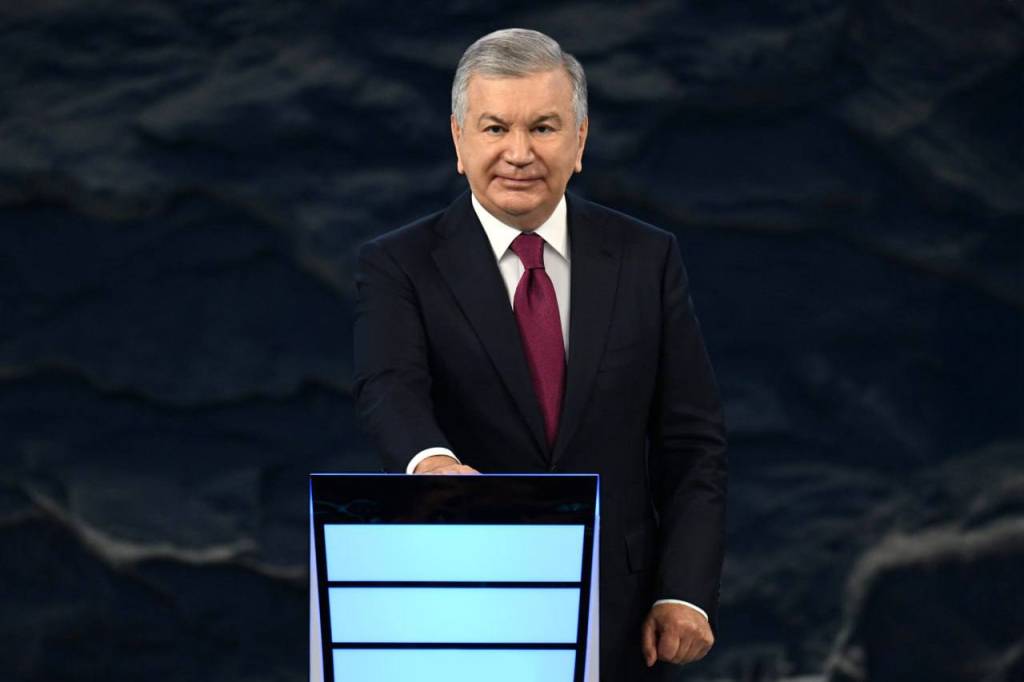
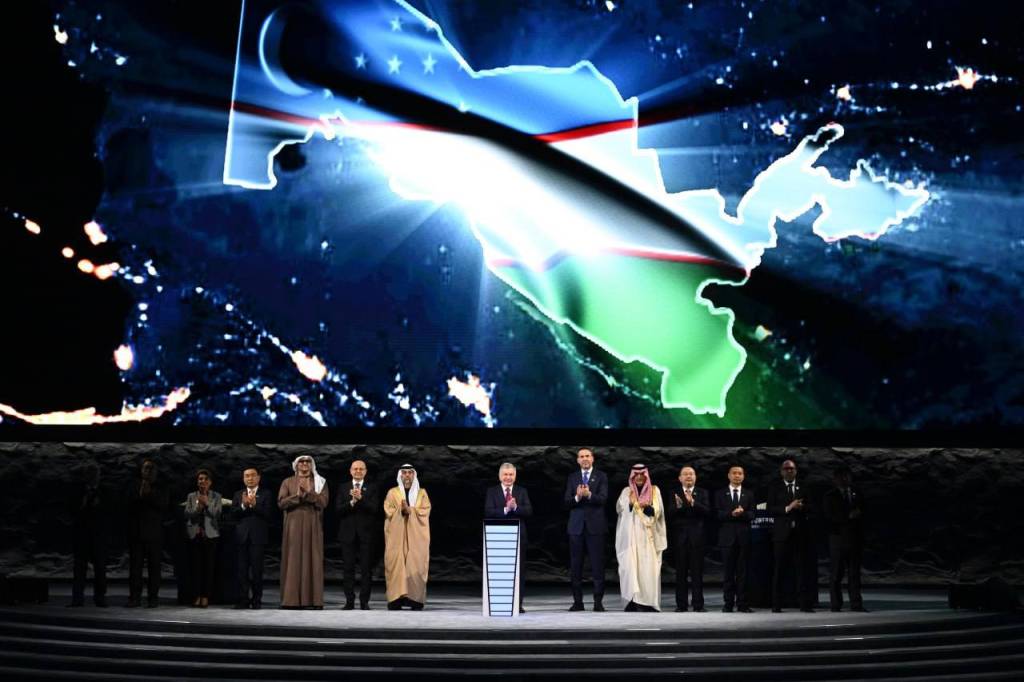
Following the ceremony, by pressing a symbolic switch, the President of Uzbekistan launched the operation of 42 energy facilities and the construction of 21 new projects.
UzA