Liberalization of financial penalties and strengthening of judicial oversight reviewed
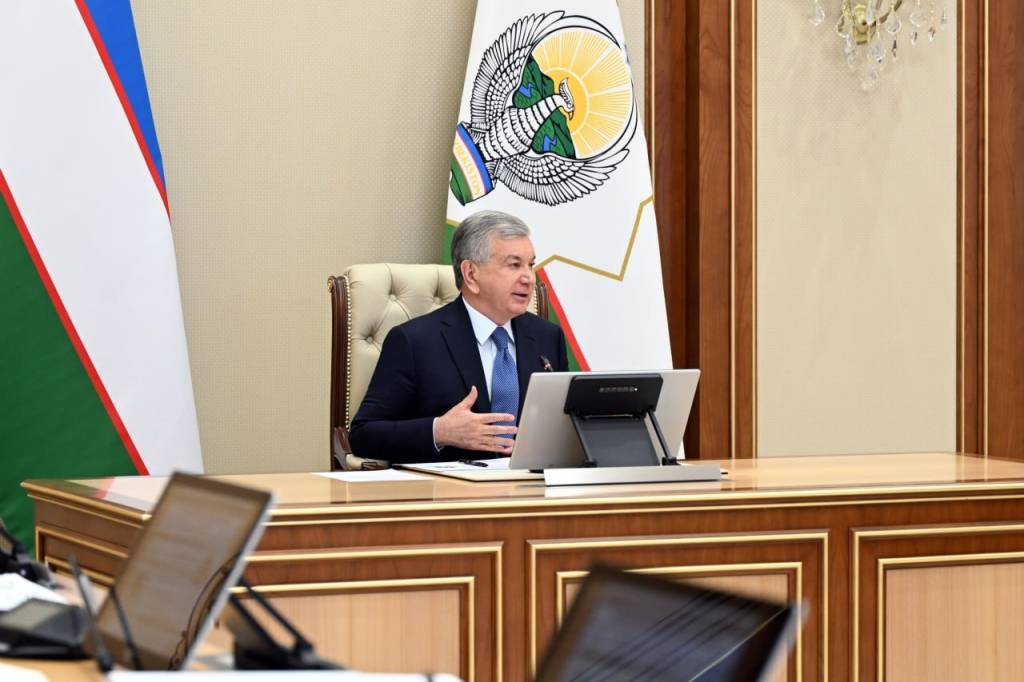
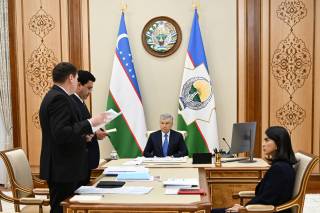
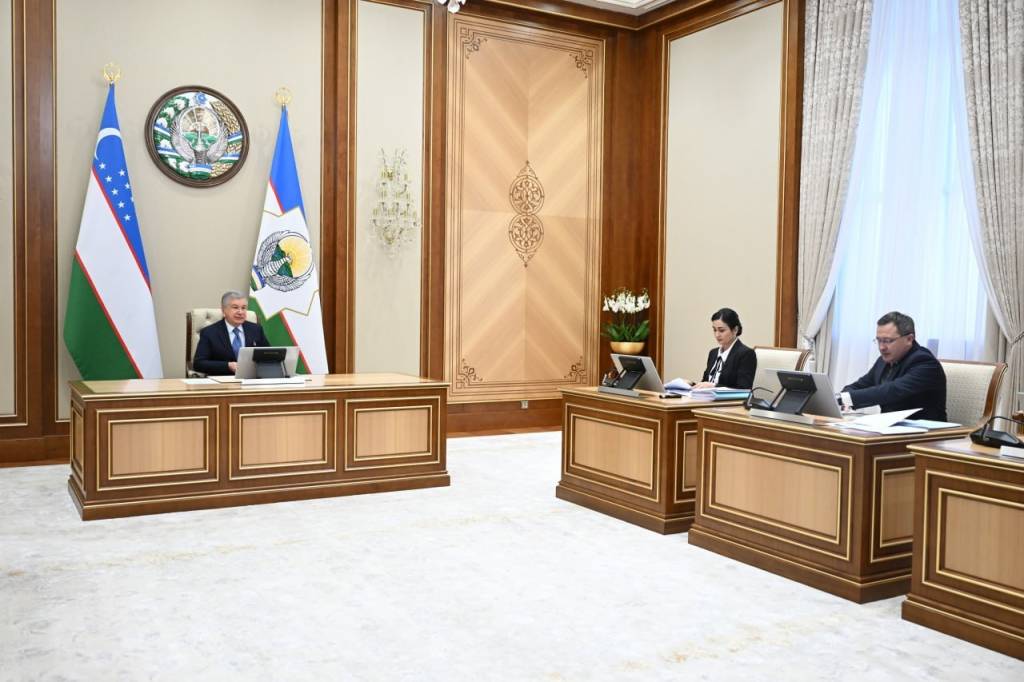
On April 13, President Shavkat Mirziyoyev reviewed proposals to further liberalize the imposition of financial penalties on businesses, reduce excessive bureaucratic barriers, and strengthen judicial oversight of the activities of state bodies and officials.
It was noted at the presentation that several issues persist in the current system of applying financial penalties to businesses. In most cases, fines are imposed by authorized bodies, while only a limited portion is handled by the courts, highlighting the need to strengthen judicial oversight in this area.
It was proposed to introduce, from October 1 of this year, a unified procedure to encourage the voluntary payment of financial penalties. Under this mechanism, businesses that pay 50 percent of a fine within one month of receiving the decision will be exempt from the remaining amount.
Additionally, the possibility of paying a fine in equal installments over six months was proposed. In this case, if an initial payment of one-sixth is made within one month of receiving the decision, this procedure will be applied automatically.
To strengthen judicial control, it was proposed to establish a mechanism to return collected funds within 15 days when a decision by an authorized body imposing a financial penalty is overturned or invalidated by a court. If this deadline is missed, interest will accrue for each day of delay at the Central Bank’s main rate.
Special attention was paid to the digitalization of the process of applying financial penalties. It was proposed to introduce an electronic register of financial penalties applied to business entities within the Unified State Control information system, managed by the Business Ombudsman.
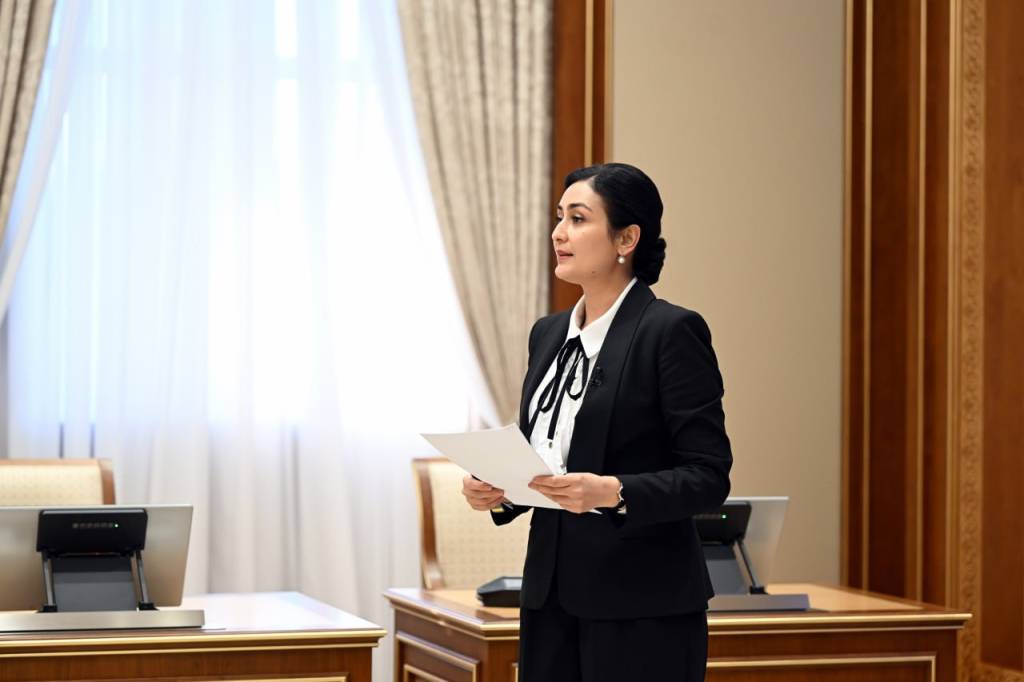
Decisions of authorized bodies must, once adopted, be entered into the system and certified with an electronic digital signature. Decisions not recorded in the information system and not verified by an electronic digital signature will be deemed invalid, and fines based on them will not be enforced.
The need to maintain records of financial penalties, monitor them, and enable their online payment through a mobile application was also noted, along with the integration of information systems of relevant agencies. The introduction of a mechanism for submitting appeals against financial penalty decisions via a business entity’s personal account is envisaged, with automatic suspension of enforcement upon filing the appeal.
At the presentation, a proposal was also put forward to draft a law “On Legal Enforcement Measures” to unify the procedure for applying such measures.
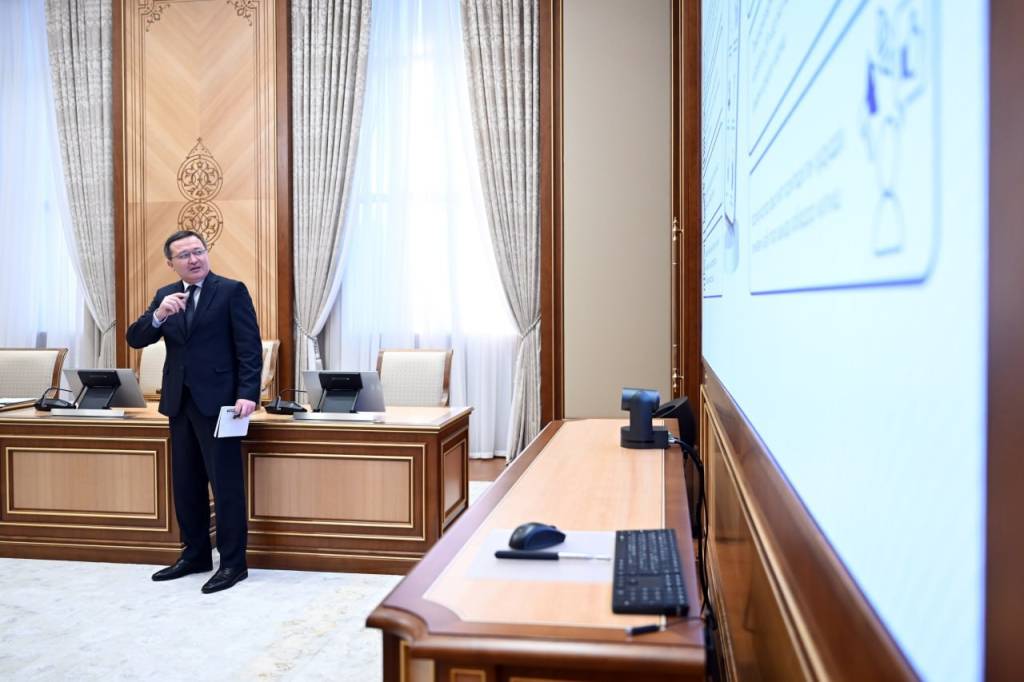
The Head of State emphasized that ensuring the reliable protection of the rights and legitimate interests of business entities, encouraging lawful business activity, and maintaining fairness and transparency in the application of penalties are among the most important priorities.
Responsible officials were instructed to develop the proposals, strengthen judicial control, accelerate digitalization, and establish a unified, clear, and fair legal framework in this area.
UzA