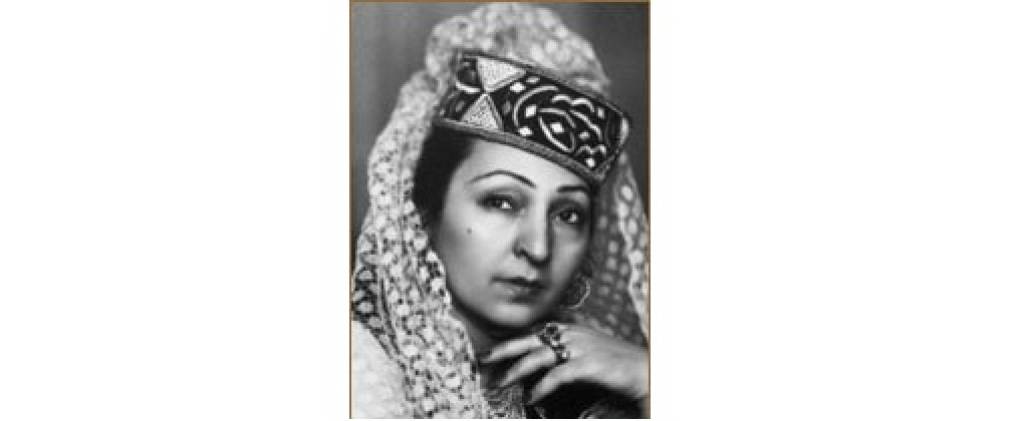
Legendary dancer, singer, and actress
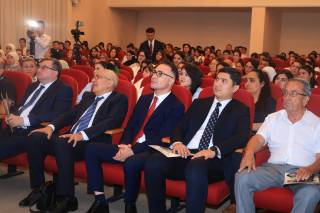
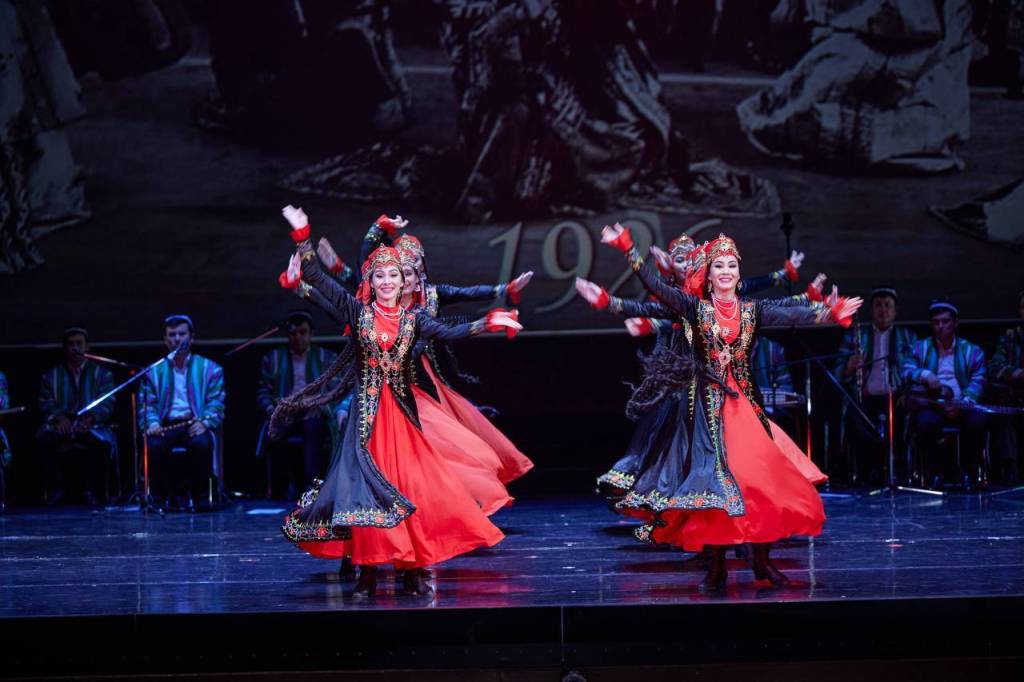
A concert celebrating the 120th anniversary of the legendary artist Tamara Khanum was held at the Alisher Navoi State Academic Grand Theatre. It was organized by the Art and Culture Development Foundation under the Administration of the President of Uzbekistan.
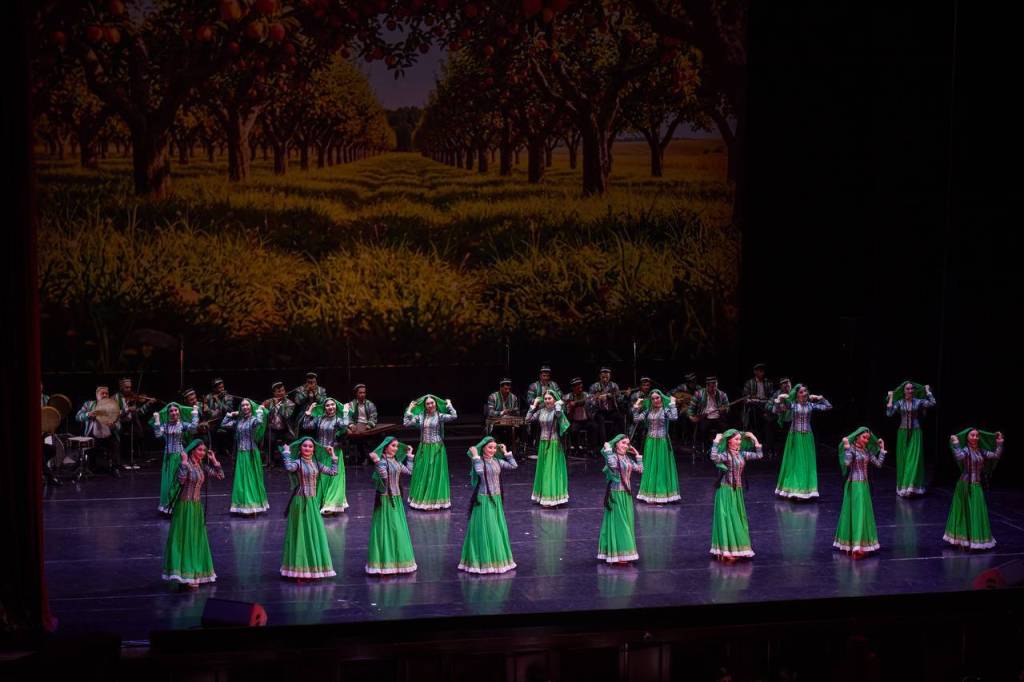
The evening’s program included dance and vocal performances from the artist’s repertoire, presented by top ensembles and soloists.
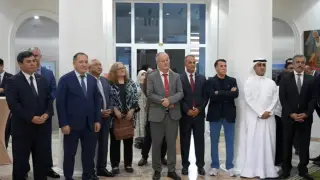
Before the concert, an exhibition dedicated to the life and work of Tamara Khanum was set up in the theater foyer.
As is well known, Tamara Khanum was a reformer of Uzbek women’s dance performance style. She studied the song and dance folklore of various peoples around the world and created the genre of the song-and-dance miniature. Her programs included more than 500 songs in 86 languages, along with choreographic compositions and dances from many different cultures.
Her performing art was marked by exceptional expressiveness in facial expressions and gestures (“singing hands”). The artist participated in creating the libretto for the first professional Uzbek ballet, Gulandam, by E. Brusilovsky. She also performed dances in her own productions.
Tamara Khanum sang, danced, and worked as a construction worker for forty-five days during the building of the Great Fergana Canal. Even at an advanced age, she traveled to the Irkutsk region to participate in the construction of the Bratsk Hydroelectric Power Station.
From 1941 to 1969, the master of art served as the organizer, artistic director, choreographer, and soloist of the Uzbek Philharmonic. She combined her artistic work with extensive advocacy efforts and was actively involved in the women’s emancipation movement. During World War II, she participated actively in frontline concert brigades and performed in over 1,000 shows.
She traveled in France, England, Poland, China, Norway, Indonesia, Germany, Iran, Italy, Türkiye, India, Mongolia, Pakistan, and other countries.
Tamara Khanum was among the first to showcase Uzbek art internationally at the International Exhibition of Decorative Arts in Paris (1925). She also participated in the 1st World Festival of Folk Dance (London, 1935).
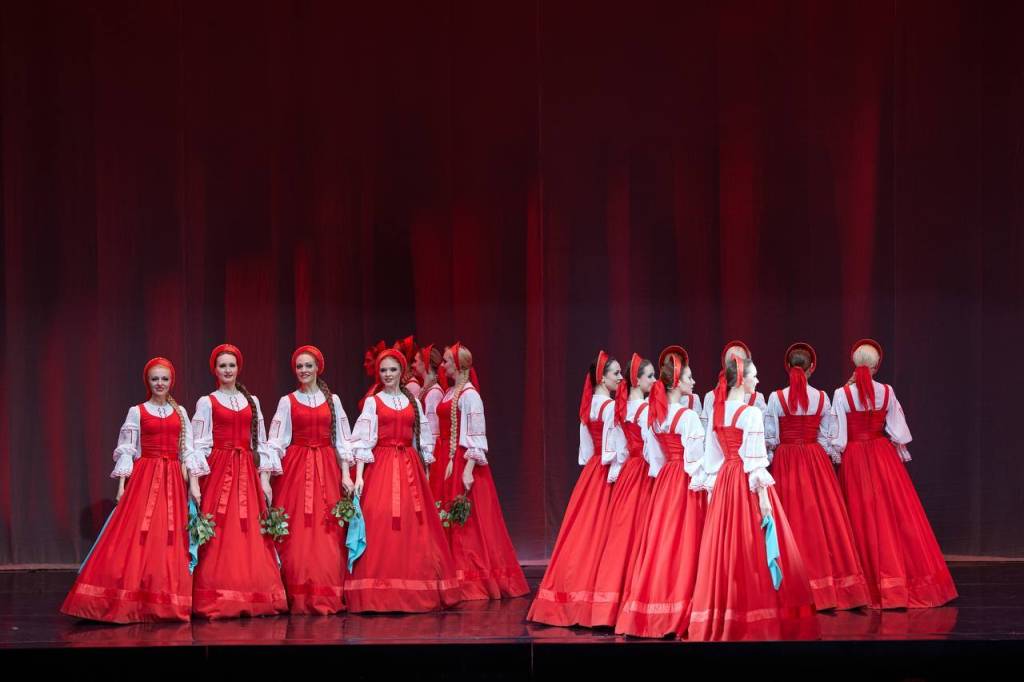
The concert featured the creative team from the Alisher Navoi State Academic Grand Theatre, the National Symphony Orchestra of Uzbekistan, the dance ensembles “Shodlik” and “Bahor”, the Russian State Academic Choreographic Ensemble “Beryozka”, artists from Tajikistan, and others.
Guests remembered the evening for its lively program and unique atmosphere.
N. Usmanova, UzA