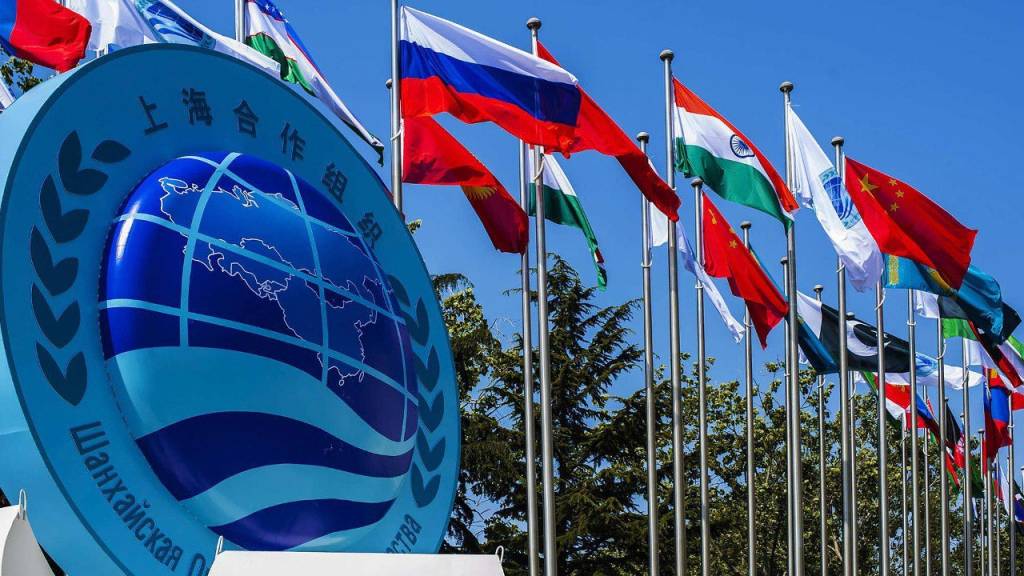
The Shanghai Cooperation Organization (SCO) has emerged as a relevant regional organization on the Eurasian chessboard.

By strengthening the power and connectivity between regional actors, the SCO is based on a model of liberal institutionalism. This theoretical foundation, embedded in the discourse of international relations, guarantees the possibility of cooperation and development through the platforms provided by international institutions. This hypothesis was confirmed, since the SCO charter abolished the hierarchical order within the organization, giving the chair of the chairman to each permanent member for a year. Therefore, the Central Asian countries make full use of this regional forum in the interests of their people. This year, Kazakhstan presides over the SCO.

The liberal approach adopted by the SCO has paved the way for the democratic handling of conflicts, which helps to achieve consensus among member countries. The SCO plays a critical role in promoting economic integration and infrastructure development among member countries. For Kazakhstan, strategically located at the crossroads of Europe and Asia, the SCO provides a valuable platform for strengthening trade, investment, and transport ties with its neighbors. Kazakhstan’s active participation in the structure is an example of its strategic approach to regional cooperation and development.

Kazakhstan, along with other partner countries, has played a key role in shaping the organization’s agenda and priorities, especially in economic cooperation, security, and communications. Kazakhstan’s advantages in the SCO are distinguished by its strategic understanding of the organization’s diversified interests and desire for stability in the geopolitical climate. This is evident in its efforts to transform the SCO into a more practical and productive platform, encouraging member countries to cooperate more closely in trade and security.

Kazakhstan’s active participation in projects such as the Business Council and the Development Bank demonstrates its commitment to the organization’s goals. These efforts allow participating countries to interact on economic issues and work toward joint regional development and prosperity goals.

Kazakhstan also supported solving environmental problems and enhancing digital ties within the SCO. This comprehensive balancing strategy aligns with the country’s vision of a sustainable future and the desire to avoid a geopolitical rift between East and West. Kazakhstan’s role as chair of the SCO has also allowed it to promote critical projects such as the Cooperation Program to Counter Terrorism, Separatism and Extremism for 2025-2027. However, the lack of major economic projects and financial support systems continues to be an obstacle to the development of the SCO. To overcome this obstacle, Kazakhstan proposed using the Astana International Financial Center as a platform to increase financial and portfolio investment in regional initiatives funded by the SCO. This unique method can open new paths for economic cooperation and development in SCO.

At the National Coordination Council meeting in Almaty in August 2023, the SCO coordinator in Kazakhstan, Murat Mukushev, emphasized that the country’s leadership would focus on solving regional and global problems, increasing its role and organizational growth. At a Council of Heads of State meeting in July 2023, President Kassym-Jomart Tokayev outlined the goals of Kazakhstan’s chairmanship in the SCO. The focus is on the fight against transnational crime, drug trafficking, and cybercrime, with plans to update the framework for cooperation in the fight against terrorism, separatism, and extremism in 2025-2027. Kazakhstan is also using the Anti-Drug Strategy for 2024-2029, proposed to maintain a long-term perspective. The Head of state also noted the Afghan crisis as a crack in Eurasia’s backyard, causing serious concern, and proposed a plan to create a UN Regional Center for Achieving the Sustainable Development Goals.

Kazakhstan, known for its efforts in nuclear non-proliferation, conflict resolution, and the transition to green energy, is invited to focus on ensuring peace, security, and sustainable development within its chairmanship of the SCO. Such a course is designed to solve not only internal problems, but also regional strategic issues. Kazakhstan proposed initiatives to expand cultural and humanitarian cooperation between member countries, such as implementing the “Spiritual Shrines of the SCO” project and organizing an International scientific and practical workshop in Turkestan on “The Golden Horde and its Heritage”. During its chairmanship, Kazakhstan counts on adopting important intergovernmental agreements on cooperation in environmental protection, a cooperation program for developing specially protected natural areas and ecotourism, and a Memorandum of Understanding between the SCO Secretariat and UNEP.

Kazakhstan’s strategic position in the heart of the Eurasian continent undoubtedly enhances its role as chair of the Shanghai Cooperation Organization. This is also expected to contribute to stability in Central Asia and strengthen the region’s unity. The country’s central location provides a unique advantage in mediating local problems and deepening interaction. This could lead to a stronger and more prosperous Central Asia. Thus, Kazakhstan’s chairmanship of the SCO is evidence of its growing influence and an essential step towards regional stability and integration. Previous SCO summits have influenced geopolitical strategies, limiting the potential for progress. Therefore, reaching a fair agreement on pressing issues such as water security may be difficult. However, if successful, Kazakhstan can focus on particular economic policy agreements. This is likely to improve regional stability and enhance economic integration. Thus, Kazakhstan is successfully moving along the path of expanding the horizons and agenda of the SCO.

Utkir Alimov, UzA

English
Chinese
Turkish
Tajik
Kyrgyz
Turkmen
Japanese
Arabic
English
French
Spanish
Русский
German
Ўзбек
Oʻzbek
Қазақ
Kazakhstan as Chair of the SCO: A Balancing Act or a Strategic Vision?

The Shanghai Cooperation Organization (SCO) has emerged as a relevant regional organization on the Eurasian chessboard.

By strengthening the power and connectivity between regional actors, the SCO is based on a model of liberal institutionalism. This theoretical foundation, embedded in the discourse of international relations, guarantees the possibility of cooperation and development through the platforms provided by international institutions. This hypothesis was confirmed, since the SCO charter abolished the hierarchical order within the organization, giving the chair of the chairman to each permanent member for a year. Therefore, the Central Asian countries make full use of this regional forum in the interests of their people. This year, Kazakhstan presides over the SCO.

The liberal approach adopted by the SCO has paved the way for the democratic handling of conflicts, which helps to achieve consensus among member countries. The SCO plays a critical role in promoting economic integration and infrastructure development among member countries. For Kazakhstan, strategically located at the crossroads of Europe and Asia, the SCO provides a valuable platform for strengthening trade, investment, and transport ties with its neighbors. Kazakhstan’s active participation in the structure is an example of its strategic approach to regional cooperation and development.

Kazakhstan, along with other partner countries, has played a key role in shaping the organization’s agenda and priorities, especially in economic cooperation, security, and communications. Kazakhstan’s advantages in the SCO are distinguished by its strategic understanding of the organization’s diversified interests and desire for stability in the geopolitical climate. This is evident in its efforts to transform the SCO into a more practical and productive platform, encouraging member countries to cooperate more closely in trade and security.

Kazakhstan’s active participation in projects such as the Business Council and the Development Bank demonstrates its commitment to the organization’s goals. These efforts allow participating countries to interact on economic issues and work toward joint regional development and prosperity goals.

Kazakhstan also supported solving environmental problems and enhancing digital ties within the SCO. This comprehensive balancing strategy aligns with the country’s vision of a sustainable future and the desire to avoid a geopolitical rift between East and West. Kazakhstan’s role as chair of the SCO has also allowed it to promote critical projects such as the Cooperation Program to Counter Terrorism, Separatism and Extremism for 2025-2027. However, the lack of major economic projects and financial support systems continues to be an obstacle to the development of the SCO. To overcome this obstacle, Kazakhstan proposed using the Astana International Financial Center as a platform to increase financial and portfolio investment in regional initiatives funded by the SCO. This unique method can open new paths for economic cooperation and development in SCO.

At the National Coordination Council meeting in Almaty in August 2023, the SCO coordinator in Kazakhstan, Murat Mukushev, emphasized that the country’s leadership would focus on solving regional and global problems, increasing its role and organizational growth. At a Council of Heads of State meeting in July 2023, President Kassym-Jomart Tokayev outlined the goals of Kazakhstan’s chairmanship in the SCO. The focus is on the fight against transnational crime, drug trafficking, and cybercrime, with plans to update the framework for cooperation in the fight against terrorism, separatism, and extremism in 2025-2027. Kazakhstan is also using the Anti-Drug Strategy for 2024-2029, proposed to maintain a long-term perspective. The Head of state also noted the Afghan crisis as a crack in Eurasia’s backyard, causing serious concern, and proposed a plan to create a UN Regional Center for Achieving the Sustainable Development Goals.

Kazakhstan, known for its efforts in nuclear non-proliferation, conflict resolution, and the transition to green energy, is invited to focus on ensuring peace, security, and sustainable development within its chairmanship of the SCO. Such a course is designed to solve not only internal problems, but also regional strategic issues. Kazakhstan proposed initiatives to expand cultural and humanitarian cooperation between member countries, such as implementing the “Spiritual Shrines of the SCO” project and organizing an International scientific and practical workshop in Turkestan on “The Golden Horde and its Heritage”. During its chairmanship, Kazakhstan counts on adopting important intergovernmental agreements on cooperation in environmental protection, a cooperation program for developing specially protected natural areas and ecotourism, and a Memorandum of Understanding between the SCO Secretariat and UNEP.

Kazakhstan’s strategic position in the heart of the Eurasian continent undoubtedly enhances its role as chair of the Shanghai Cooperation Organization. This is also expected to contribute to stability in Central Asia and strengthen the region’s unity. The country’s central location provides a unique advantage in mediating local problems and deepening interaction. This could lead to a stronger and more prosperous Central Asia. Thus, Kazakhstan’s chairmanship of the SCO is evidence of its growing influence and an essential step towards regional stability and integration. Previous SCO summits have influenced geopolitical strategies, limiting the potential for progress. Therefore, reaching a fair agreement on pressing issues such as water security may be difficult. However, if successful, Kazakhstan can focus on particular economic policy agreements. This is likely to improve regional stability and enhance economic integration. Thus, Kazakhstan is successfully moving along the path of expanding the horizons and agenda of the SCO.

Utkir Alimov, UzA