Kang Sang-jin: KEXIM supports social and economic infrastructure projects in Uzbekistan
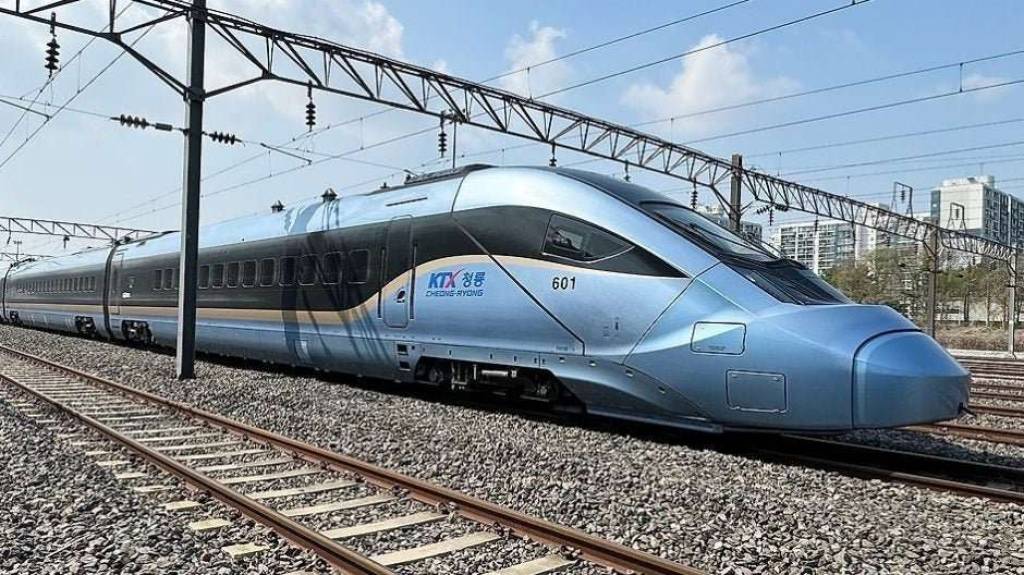
The President of Uzbekistan Shavkat Mirziyoyev recently reviewed the progress of electrification on the Bukhara – Urgench – Khiva railway and plans to purchase high-speed trains from South Korea’s Hyundai Rotem. UzA correspondent spoke with Kang Sang-jin, Head of the Tashkent Representative Office of the Export-Import Bank of Korea (KEXIM), an organization that plays a significant role in supporting and financing major infrastructure projects in the country.
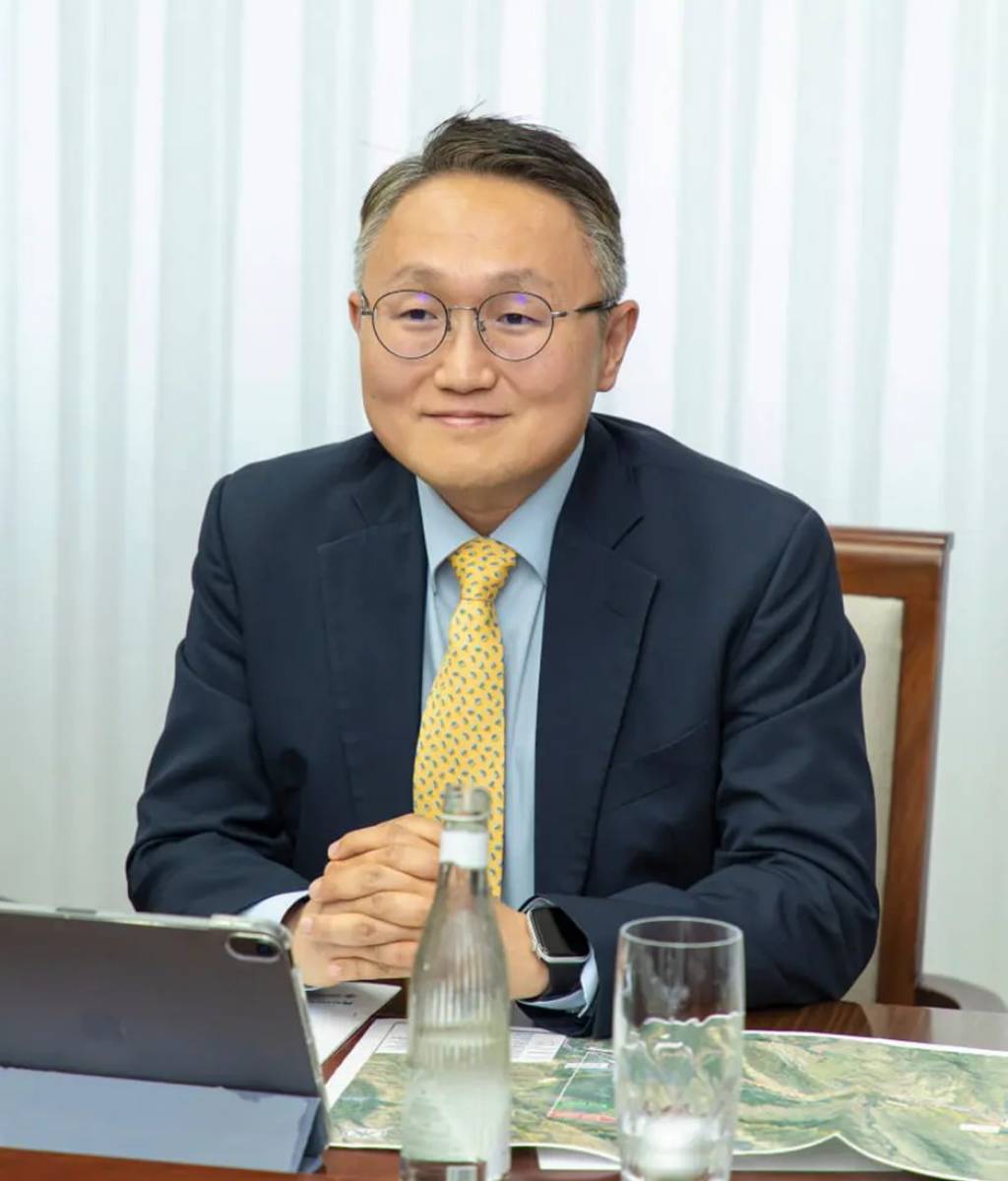
– Mr. Kang, could you please tell us about the key role of the Export-Import Bank of Korea in the economic development of South Korea? How does this experience contribute to your Bank’s engagement in the economy of the Republic of Uzbekistan?
– Since its establishment in 1976, the Export-Import Bank of Korea (KEXIM) has played a central role in South Korea’s economic development as a key policy-based financial institution. At a time when Korea was still a developing country with limited capital and technology, KEXIM supported the nation’s export-led industrialization by strategically financing export-oriented companies, core industries, and overseas plant and resource development projects. This support significantly contributed to enhancing Korea’s global competitiveness.
In particular, KEXIM filled critical financing gaps by taking on risks that private financial institutions could not, offering a range of instruments, including export credits, guarantees, project financing, and concessional loans, under the Economic Development Cooperation Fund (EDCF). Through this, the Bank not only facilitated the overseas expansion of Korean companies but also contributed to infrastructure and industrial development in partner countries. KEXIM’s role was instrumental in Korea’s transformation from an aid recipient to an aid donor.
This accumulated experience and expertise now directly inform KEXIM’s engagement with the Republic of Uzbekistan, one of Korea’s four Special Strategic Partners. We are actively providing tailored financing solutions in key sectors, including railways, healthcare, digital infrastructure, and energy, closely aligned with Uzbekistan’s national development priorities and reform agenda.
More than just providing finance, KEXIM is committed to transferring Korea’s technology, know-how, and institutional capacity, and building long-term partnerships based on mutual trust. We aim to support Uzbekistan’s sustainable growth through development cooperation grounded in Korea’s own successful experience.
In short, KEXIM’s legacy in supporting Korea’s economic rise continues to create tangible value in its cooperation with Uzbekistan, helping to lay the foundation for a future of shared growth and prosperity between our two countries.
– President of Uzbekistan Shavkat Mirziyoyev recently reviewed the results of the electrification of the “Bukhara – Urgench – Khiva” railway line and the plans to procure high-speed trains from Korea. What role does KEXIM play in supporting and financing such large-scale infrastructure projects in Uzbekistan?
– The Export-Import Bank of Korea (KEXIM) serves as a strategic policy finance partner in supporting Uzbekistan’s national infrastructure development and long-term growth. Utilizing a wide range of financing instruments, KEXIM actively contributes to deepening bilateral economic cooperation between Korea and Uzbekistan.
The electrification of the “Bukhara – Urgench – Khiva” railway line and the planned procurement of high-speed trains from Korea, personally reviewed by President Shavkat Mirziyoyev, represent flagship infrastructure projects supported by KEXIM.
The Bank provided concessional loans through the Economic Development Cooperation Fund (EDCF), a Korean government ODA instrument for developing countries managed by KEXIM, to finance the supply of the high-speed rolling stock. This initiative is expected to significantly improve regional connectivity and economic activity in western Uzbekistan. As a follow-up to this success, KEXIM is also supporting the feasibility study (FS) for the Tashkent – Samarkand Dedicated High-Speed Passenger Railway project. This study is being financed through the EDCF’s technical cooperation grant program to lay the groundwork for potential long-term concessional financing and enhance the national railway network.
In addition to EDCF, which has been actively deployed to support social and economic infrastructure projects in Uzbekistan, including hospitals, railways, schools, and roads, KEXIM leverages a variety of financial instruments to support Uzbekistan’s infrastructure and industrial development:
- ECA Financing: KEXIM provided project financing for major energy projects such as the Surgil Gas Field Development Project (USD 1 billion) and the Uzbekistan GTL (Gas-To-Liquid) Plant Project (USD 600 million). These large-scale energy infrastructure projects were delivered with the participation of Korean companies and set benchmarks for Korea – Uzbekistan industrial cooperation.
Moreover, through Interbank Financing facilities with local partner banks such as NBU, Asaka Bank, and Uzpromstroybank, KEXIM supports Korea – Uzbekistan bilateral trade, including the supply of vehicles by Kia Motors and other industrial goods, contributing directly to the real economy.
- Supply Chain Resilience Fund: KEXIM is currently exploring potential cooperation with Uzbekistan under this newly established instrument, which aims to strengthen strategic supply chains in sectors such as semiconductors, batteries, and critical minerals. While specific projects have not yet been launched, the Fund offers a promising avenue for future cooperation and alignment of Korea – Uzbekistan industrial value chains.
- PDIF (Private-sector Development Investment Facility): This instrument supports public-private partnerships (PPP) by blending public resources with private capital. KEXIM is actively seeking to apply PDIF to infrastructure projects in healthcare, education, and logistics in Uzbekistan, enabling more efficient and sustainable delivery of essential services.
In parallel, KEXIM places strategic emphasis on Uzbekistan’s key development priorities such as green growth, digital transformation, and healthcare infrastructure:
- In green growth, KEXIM is identifying projects in renewable energy, energy efficiency, and eco-friendly transportation to support Uzbekistan’s transition to a low-carbon economy.
- In digital transformation, KEXIM supports initiatives in smart education, e-government, and digital healthcare to help build a modern digital economy.
- In healthcare, KEXIM is supporting the development of a comprehensive Medical Cluster in Tashkent, including an Adult Hospital, Children’s Hospital, National Oncology Center, and a Medical University, through an integrated operational model that ensures sustainability and efficiency.
Through the strategic use of these financial tools – EDCF concessional loans, ECA project financing, Interbank credit lines, the Supply Chain Resilience Fund, and PDIF – KEXIM aims not only to provide funding but also to be a trusted long-term partner in Uzbekistan’s development journey. We are committed to delivering customized financial solutions that align with Uzbekistan’s reform agenda and national priorities, while fostering mutually beneficial cooperation between our two nations.
– In particular, could you confirm the information that your bank was one of the main creditors of the Ustyurt Gas Chemical Complex with about $1 billion in financing, and elaborate on the significance of this project for the Bank?
– Yes, as previously mentioned under ECA Financing, the Export-Import Bank of Korea (KEXIM) has been one of the principal international financiers of large-scale oil and gas chemical projects in Uzbekistan, having provided direct financing for two distinct, high-impact projects.
First, the Ustyurt Gas Chemical Complex, based on the Surgil gas field, was a landmark USD 4 billion project involving the construction of a large-scale gas chemical facility. The project was implemented through a special-purpose company, Uz-Kor Gas Chemical, jointly owned (50:50) by Uzbekneftegaz (UNG) and a Korean consortium composed of Korea Gas Corporation (KOGAS), Lotte Chemical, and GS E&R. KEXIM extended USD 1 billion in direct financing for this project. It was the first project financing (PF) transaction in Uzbekistan’s history and has been widely regarded as a flagship case of Korea – Uzbekistan resource cooperation. Korean companies led the project across its whole life cycle – from design and construction to operation and product offtake – maximizing their returns while showcasing a successful Korean-led resource development model in Central Asia.
Second, the GTL (Gas-to-Liquid) Plant Project, located near the Shurtan Gas Chemical Complex, aims to convert natural gas into high-value petroleum products, including diesel, kerosene, and naphtha, with a daily processing capacity of 38,000 barrels. This project is solely promoted by Uzbekneftegaz, and KEXIM provided USD 600 million in direct financing, comprising USD 500 million in loans and USD 100 million in guarantees. Hyundai Engineering and Hyundai E&C were responsible for design and procurement, with more than 120 Korean SMEs and mid-sized companies participating in equipment supply, resulting in a Korean procurement ratio of over 70% - a remarkable figure compared to the typical 30% for similar projects in other regions. The project has significantly contributed to expanding the overseas market presence of Korean industry in Central Asia.
Both projects carry substantial strategic value for KEXIM. Beyond financial support, the Bank played a proactive role from the early stages – structuring the financing framework, negotiating terms, and assuming sovereign and project-level risks that commercial banks could not absorb. These projects not only represent successful industrial cooperation but also stand as symbols of bilateral trust and flagship models of Korean-style development finance in Uzbekistan.
In addition to direct project financing, KEXIM has also expanded its development cooperation through indirect financing mechanisms, such as on-lending arrangements with key Uzbek commercial banks, including NBU, Asaka Bank, and Uzpromstroybank. These facilities enhance access to long-term financing for local enterprises and support the expansion of private sector trade and industrial collaboration between Korea and Uzbekistan.
– What are KEXIM’s strategic interests and, in your opinion, those of Korean business circles in developing mutually beneficial and long-term investment partnerships with Uzbekistan? Which sectors or projects in Uzbekistan do you consider most promising for future cooperation?
– The Export-Import Bank of Korea (KEXIM) is committed to building practical, long-term, and sustainable partnerships that bring mutual benefit to both Korea and Uzbekistan, not favoring the interests of one party over the other. Rather than focusing solely on short-term gains, KEXIM aims to support Uzbekistan’s businesses and industries in achieving meaningful growth, just as Korea once did, by leveraging its own development experience and policy-based financial tools.
Uzbekistan has made remarkable progress through its recent reforms and liberalization, creating a dynamic and increasingly attractive investment environment. For Korean companies, Uzbekistan is emerging as a key long-term partner, particularly given the complementary nature of the two countries in terms of industrial structure, technological capabilities, and development needs.
The most promising sectors for future cooperation include:
- Transport infrastructure, particularly the modernization of railway and urban transit systems, which offers strong opportunities for bilateral collaboration.
- Healthcare, where KEXIM is supporting the development and operational design of the Tashkent Medical Cluster – including an adult hospital, children’s hospital, national oncology center, and a medical university – to help strengthen Uzbekistan’s healthcare system and improve public health outcomes.
- Green growth, with increasing focus on renewable energy, energy efficiency, and eco-friendly transport infrastructure to promote sustainable, low-carbon development.
- Digital transformation, through support for smart education, digital healthcare, and ICT infrastructure, helping to advance Uzbekistan’s industrial modernization and digital economy.
- Additionally, inclusive growth areas such as women’s entrepreneurship, vocational training, and youth employment are also key priorities. KEXIM is expanding its programs and financial tools to support these important sectors.
In short, KEXIM seeks to go beyond traditional financing and work with Uzbekistan as a true development partner, helping build a future where the two countries grow together through shared prosperity, industrial cooperation, and deep mutual trust.
Thank you for the informative conversation, Mr. Kang!
Interviewed by UzA correspondent Muharrama Pirmatova