


For many years, the cities of Akhsikent and Yangi Akhsi on the banks of Syrdarya River were ignored, although an expedition led by Professor Abduhamid Anorboyev was organized, excavations carried out by historians and archaeologists of the country.
In 2019, the President of Uzbekistan visited this place. A new history of Akhsikent began.
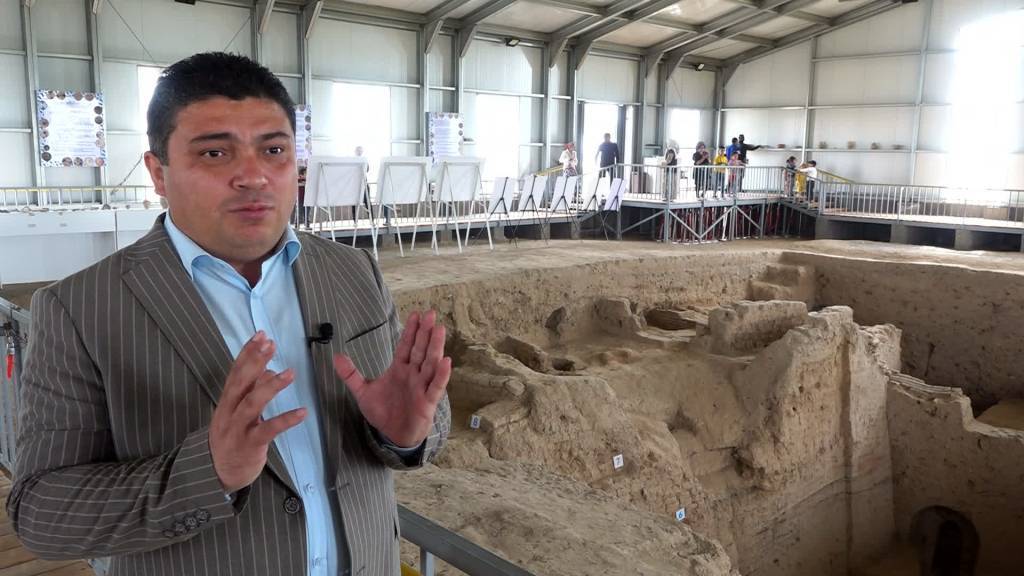
What secrets do these cities hold? We invite you on a journey through the history of these ancient cities with Anvar Ikromov, Director of the Directorate for the Protection and Research of the Akhsikent Archaeological Heritage Site.
– Thousands of years ago Akhsikent occupied 400 hectares, – says A. Ikromov. – At that time it was a metropolis. Damascus sabers made here were sold in the center of the Caliphate in Damascus.
In 2007, British scientists conducted major scientific research and scientifically confirmed that Akhsi is the home of Damascus sabers.
Over the past three months, more than a hundred foreign guests have visited here – archaeologists, textual critics, historians. According to Japanese scientists, sources relating to Akhsikent were discovered during the excavations carried out in Mongolia.
The hill of Akhsikent is a storehouse of historical data. Scientists are still excavating here.
This year, 9 open-air museums are to be created here. In the tourist town, shopping centers, a handicraft center, pottery and blacksmithing will be revived, hotels will be built. On the banks of Syrdarya, it is planned to implement projects related to ecotourism.
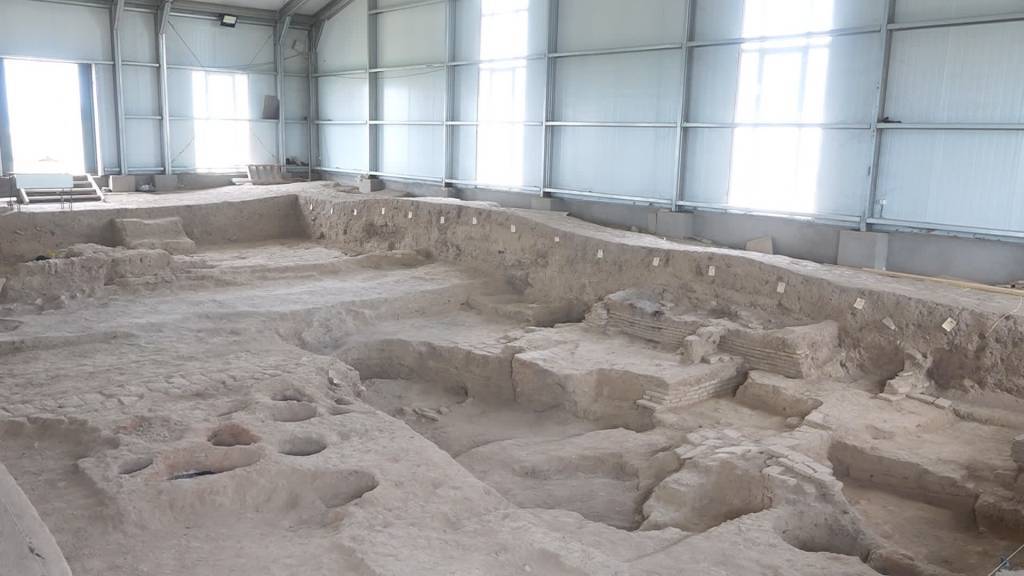
The first open-air museum was opened on Akhsikent hill. There are 7 historical layers in which unique finds were found. For example, you can find out how the population of the fortress city was provided with drinking water a thousand years ago. Ceramic pipes were laid in the city, the length of which was 16 kilometers. They provided clean drinking water. There are engineering structures. The water supply organized a thousand years ago shows how developed the city was.
At the end of 2022, another unique find – ancient wall paintings was discovered. Before that, no wall paintings were found in Fergana Valley. The Institute of History of the Academy of Sciences of Uzbekistan continues archaeological excavations in Akhsikent and Yangi Akhsi.
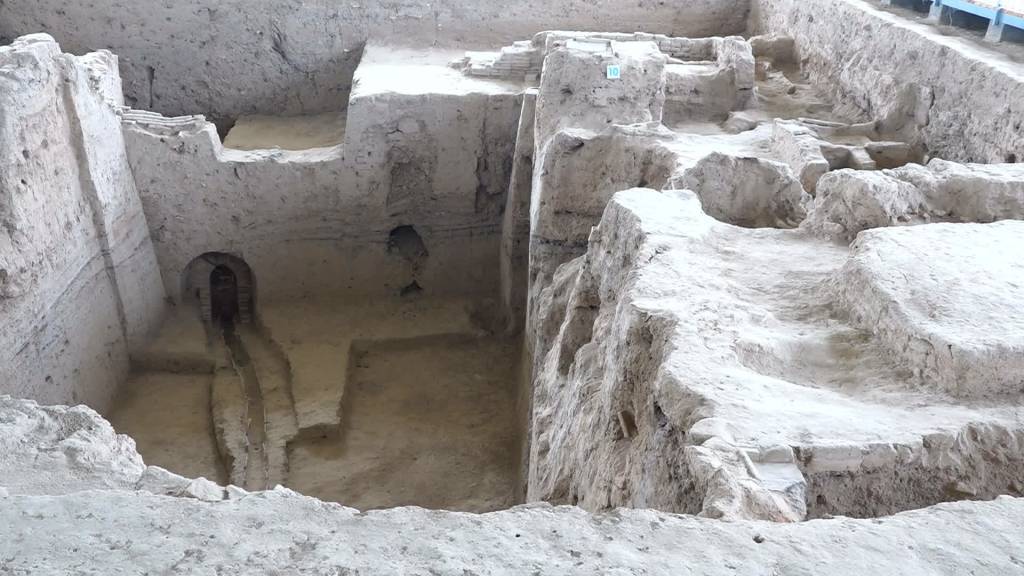
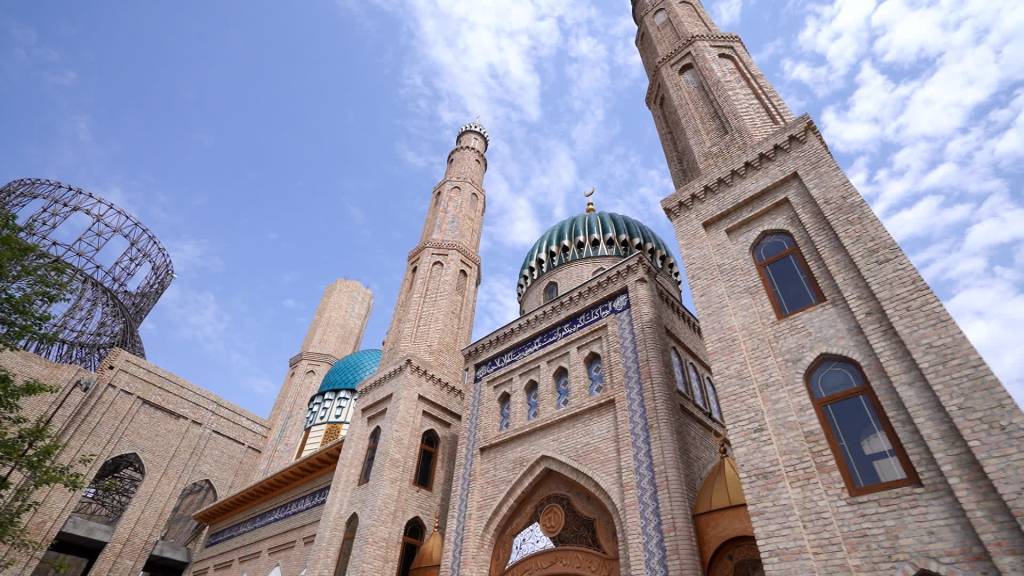
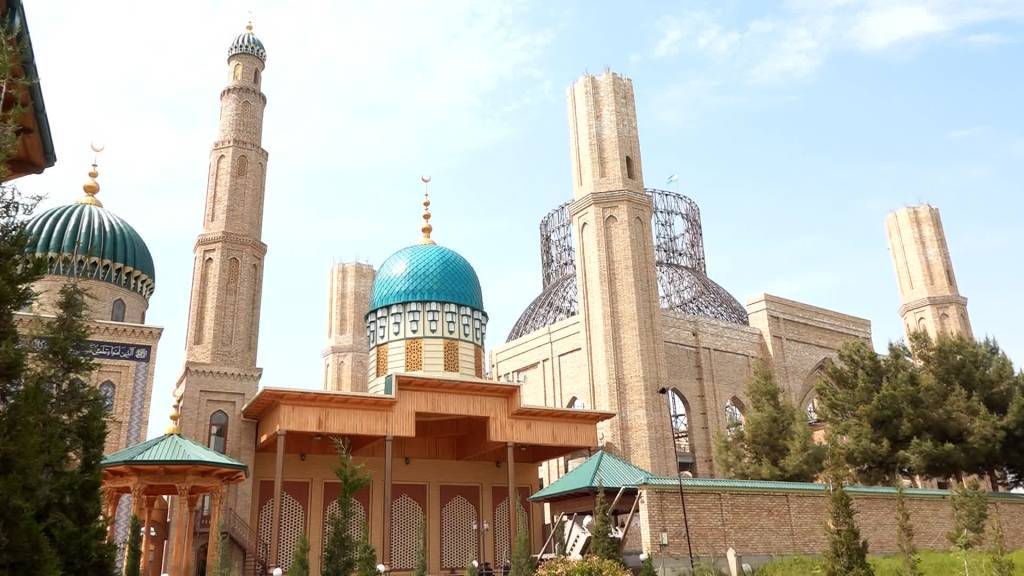
Akhsikent was destroyed in the XIII century by the Mongols, and the Timurids during the period of Umarshaykh Mirzo founded a new city on the territory of Akhsi. Now it has become a center of pilgrimage tourism. Scientific and handicraft centers, a library and a museum have been built here. Towers from the period of Umarshaykh Mirzo, the ruins of an ancient hammam, and the foundations of buildings destroyed by the earthquake of 1620 were discovered. Studies by Russian local historians, seismologists confirmed that an earthquake above 9 points occurred then.
A temporary small museum has been created on the territory of Yangi Akhsi. The exhibits presented here also testify to the rich history of Akhsikent and Akhsi.
The Akhsi Museum of Artifacts has more than 2,000 exhibits dating from the 1st century BC to the 20th century AD. Among the exhibits, you can see Damascus sabers, daggers, coins of the Karakhanid, Seljuk period, brick kilns of the 1st-2nd centuries. During the excavations, more than a hundred items and dishes from the Timurids era were found. 300-400 years old clothes and handicrafts prove once again that this place is important for research and study of history.
On the instruction of the Head of state, a program has been worked out to develop the tourism potential of Akhsikent. Cooperation has been established with several relevant ministries.
First of all, conditions for tourists will be created. An information desk and electronic devices will be organized. Light buildings will be built. It will be possible to see Akhsikent through 3D glasses.
Shortly, it is expected that the monuments of Akhsikent and Yangi Akhsi will become the most visited attractions on the tourist map of Uzbekistan.
Muhammadjon Obidov, UzA