ISRS: Linking Central Asia with the Far East opens new prospects for cooperation in the Asia-Pacific region
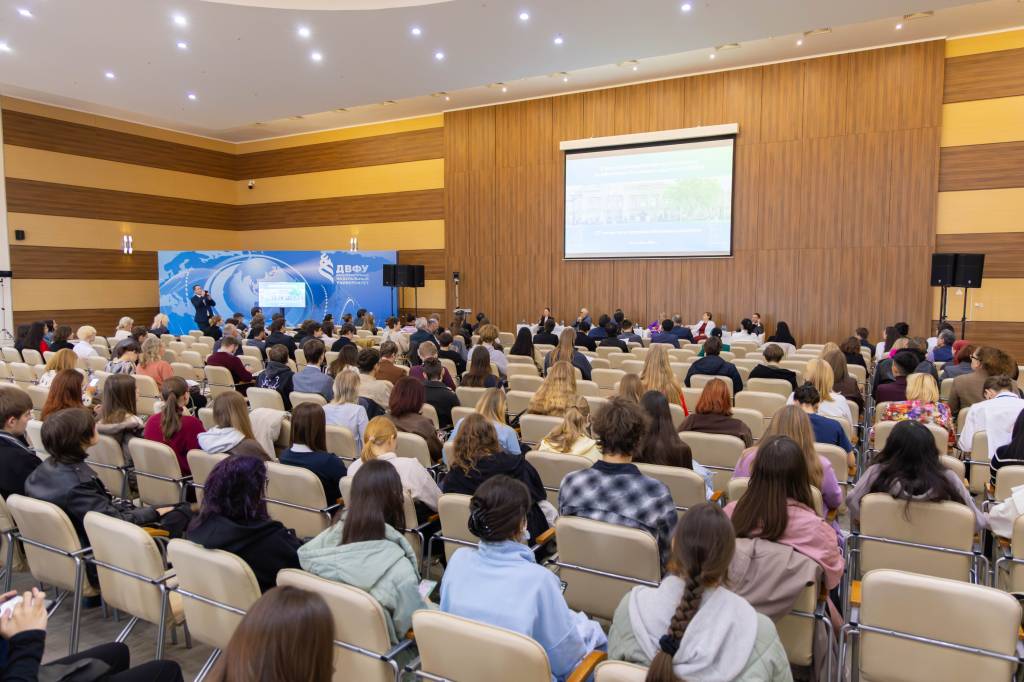
Vladivostok hosted the First All-Russian Scientific and Practical Conference of the Institute of Oriental Studies of Far Eastern Federal University (FEFU), bringing together Russian and international scholars, specialists in Chinese, Japanese, and Korean studies, and researchers from Central Asia and other countries.
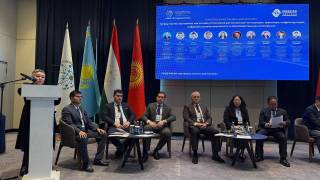
A roundtable discussion on “Central Asia – Pacific Ocean: a new level of connectivity” was held as part of the conference.

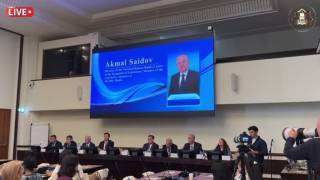
Akramjon Nematov, First Deputy Director of the Institute for Strategic and Regional Studies under the President of the Republic of Uzbekistan, represented Uzbekistan at the discussion.
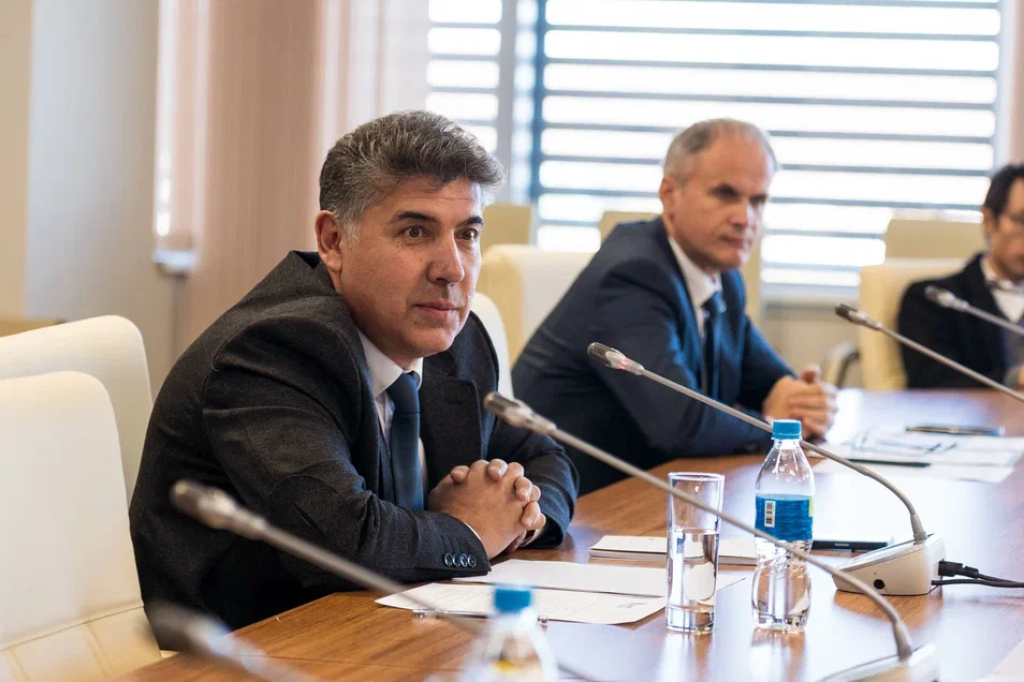
Speaking at the roundtable, Akramjon Nematov emphasized that, thanks to the consistent and open foreign policy pursued by the President of Uzbekistan Shavkat Mirziyoyev and the joint efforts of Central Asian leaders, the region has moved beyond resolving past differences toward aligning strategic priorities and jointly shaping its development prospects.
As Akramjon Nematov noted, a pragmatic policy of diversifying foreign economic ties allows countries in the region to broaden cooperation with various centers of global economic growth. The development of “Central Asia+” formats clearly reflects growing international interest in the region.
Cooperation with East Asian partners is moving beyond traditional trade to include localized production, advanced raw-material processing, adoption of cutting-edge technologies, energy development, and training engineering specialists. This reflects a shift in Central Asia’s economic role: the region is emerging not only as a market and transit hub, but also as a partner in establishing new production facilities and creating added value.
Against this backdrop, roundtable participants emphasized the potential for closer economic integration between Central Asia and the Russian Far East.
At the roundtable, Akramjon Nematov outlined several interconnected areas that could give this cooperation practical substance.
First, strengthen transport and logistics links by establishing interconnected logistics and production hubs in Primorsky Krai and Tashkent region, with Kazakhstan as a transit partner.
Second, expand industrial, scientific, and technological cooperation by promoting industrial engineering, equipment servicing, advanced mineral processing, and the development of new materials, including critical minerals and rare earth elements.
Third, advance energy, water, and environmental sustainability through joint research, hybrid power generation, digital energy management, and water-saving technologies to meet Central Asia’s growing needs.
Fourth, deepen agro-industrial and food cooperation by advancing the President of Uzbekistan’s Eurasian Agroexpress initiative. The initiative would facilitate regular shipments of fruit, vegetables, dried fruit, and processed foods from Central Asia to the Russian Far East, with fish and seafood shipped in return.
Fifth, strengthen workforce development and scientific and educational cooperation by combining the expertise of FEFU and leading Central Asian universities to expand joint educational programs, applied research, and training for engineering and technical specialists.
Summing up the discussion, participants emphasized that closer ties between Central Asia and the Russian Far East should focus on delivering tangible economic results.
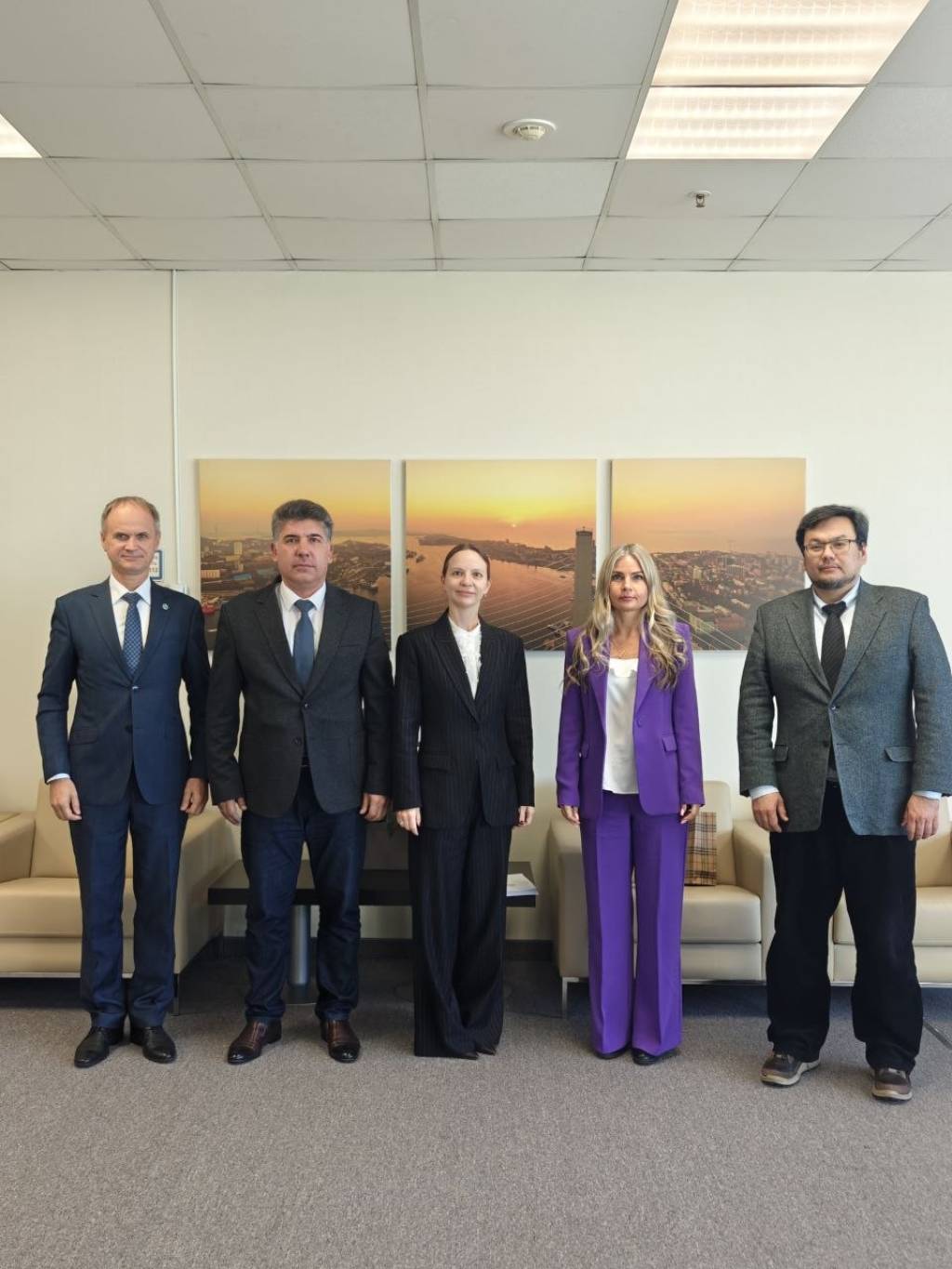
On the sidelines of the conference, meetings were also held with participants from Russia, China, Vietnam and other countries. Discussions focused on expanding interregional cooperation, strengthening expert dialogue and pursuing joint research initiatives. Participants agreed to broaden professional contacts and deepen cooperation with relevant research and educational institutions.
UzA